Music
Fire Waltz
AnimationMusic
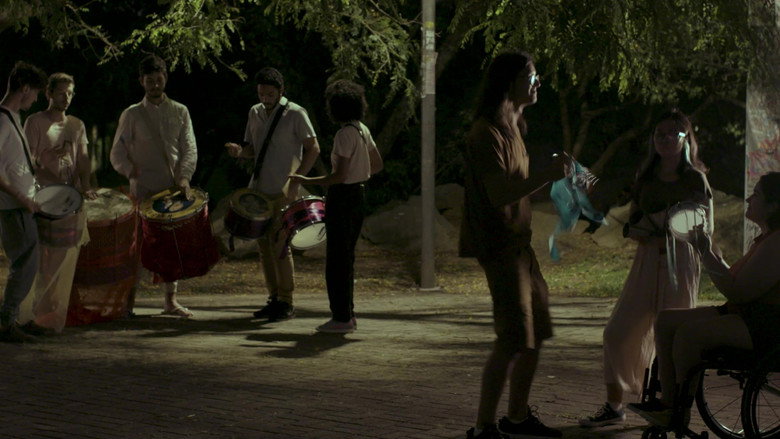
In the trenches of WWI, soldiers let off steam by cobbling together musical instruments.
Elektro Moskva
DocumentaryMusic
Elektro Moskva is an essayistic documentary about the Soviet electronic age and its legacy. The story begins with the inventor of the world's first electronic instrument, Leon Theremin, unveiling the KGB's huge pile of fascinating devices, some of which were musical. They all came into existence as a by-product of a rampant defense industry. Nowadays, those aged and abandoned 'musical coffins', as solidly made as a Kalashnikov, are being recycled and reinterpreted by the post-Soviet generations of musicians, sound collectors and circuit benders. The story of the Soviet synthesizers as an allegory to the everyday life under the Soviet system: nothing works, but you have to make the best out of it. An electronic fairy tale about the inventive spirit of the free mind inside the iron curtain- and beyond.
Imagine Dragons Night Visions Live
Music
Wish I Had a Horse 2
ComedyDrama
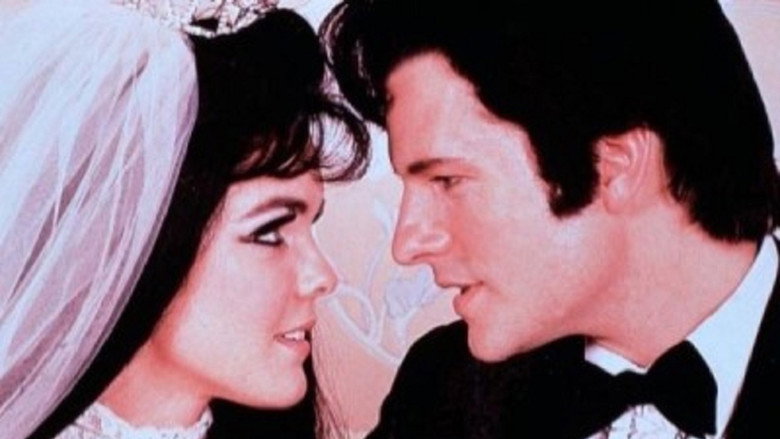
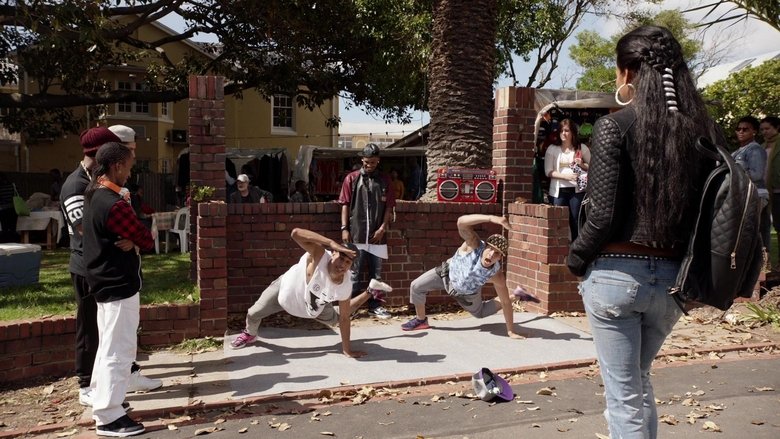
"I wish I could have a horse" shows how the lives of the main characters have changed after 30 years in a humorous tone. The plot of the plot shows how a cunning merchant man Gonchig gets rich as a young woman and becomes a company director, while the horseman Dondog and the driver Yanjmaa get married and settle down in the countryside. the colors of their lives are highlighted.

Ina Müller: Liebe macht taub - Live Edition
Music
Queen of Love
DramaMusic
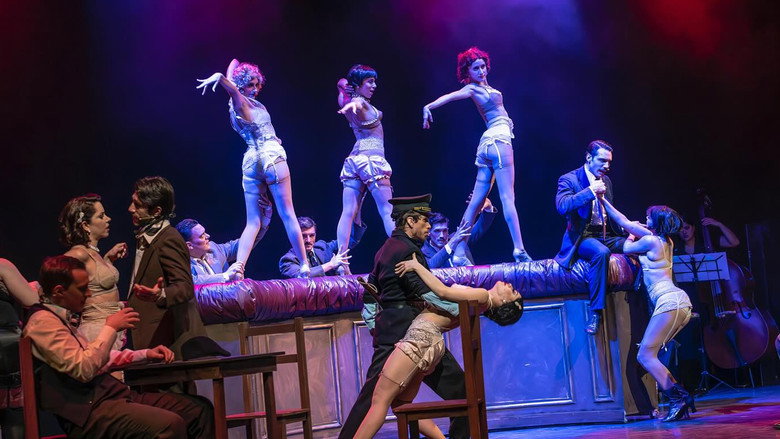
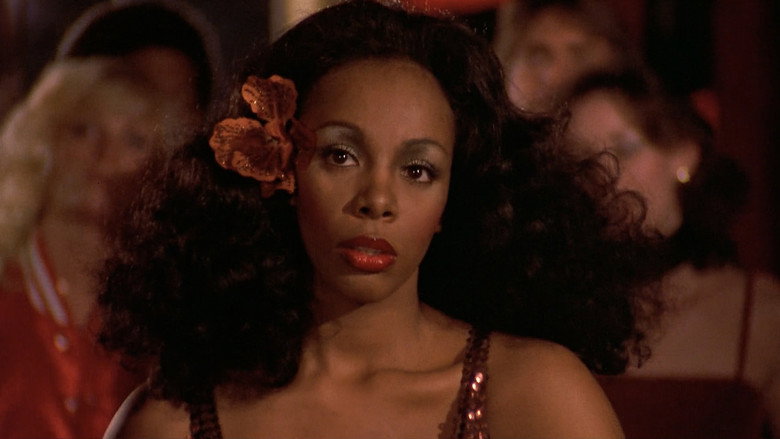
An opera tenor replaces a humble performer in a honky tonk show and wins the heart of the soprano.

Norma
Music
Oroveso, a Druid High Priest, gathers his people in a sacred forest and prays to their gods for help in vanquishing the Romans who have taken over Gaul. Unbeknownst to Oroveso, his daughter, Norma, a High Priestess, has for some time been the lover of Pollione, the leader of the Romans; she has, in fact, not only broken her sacred vow of chastity but has borne two children to the warrior. Norma uses her position to dissuade the Gauls from attacking the Romans, claiming that the gods have told her that the time is not favourable. Recorded at Théâtre Antique d'Orange, 1974

How Did We Get There? - A Short Film by Last Train
Music