
War
Future Left Behind
WarDrama
Samad is a 14-year-old boy, living in a refugee camp in Imishli. After blacking out in the forest, he finds himself in the midst of the Nagorno-Karabakh War that happened ten years ago.

The Soldier
DramaWar
The hero of the Russian-Ukrainian war has a classic manifestation of post-traumatic syndrome. Uncontrolled emotional manifestations, isolation, hallucinations, no one wants to have anything to do with him. No one needs him: neither the state nor his relatives. To no one, except the manager of the boarding house. The Soldier's case was of particular interest to a government official who suddenly arrived at the boarding house. After all, the boy's visions are not just hallucinations, they are omens and help to find out the fate of other missing soldiers. It turns out that this civil servant has his own pain that he hides. Oddly enough, the life destinies of these different people unexpectedly intersect.
Let It Shine!
WarDrama
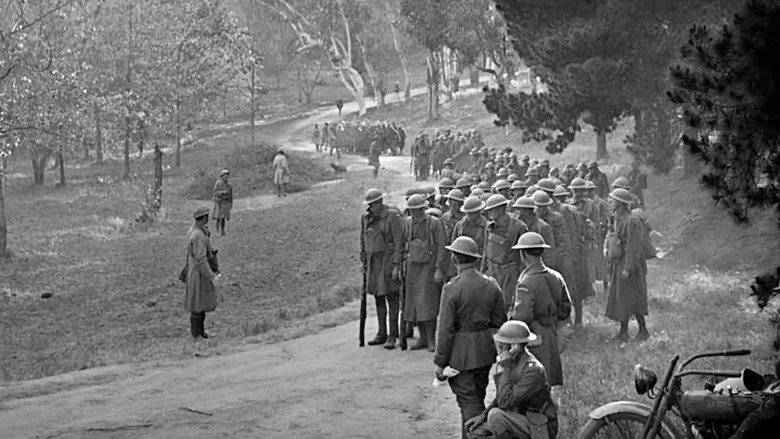
White troops are approaching the village. A small garrison of Red Army soldiers decides to evacuate civilians and a wounded soldier to safety. This important task is entrusted to the young Komsomol member Efimka. The carts leave the village and travel along forest roads, but lose their way. At night, at a rest stop, Efimka, his mother and Verka talk about the future, about a forty-story house with a tower, a star and a spotlight - let it shine!..
A Child
WarDrama
The German-Soviet war. A group of scouts discovers a four-year-old girl at a bombed-out railway station who hid during the bombing and fell behind the echelon of evacuated orphanage children, and takes her with them. Soon the scouts are ambushed by the Germans in the forest.
In the Storm
DramaWar
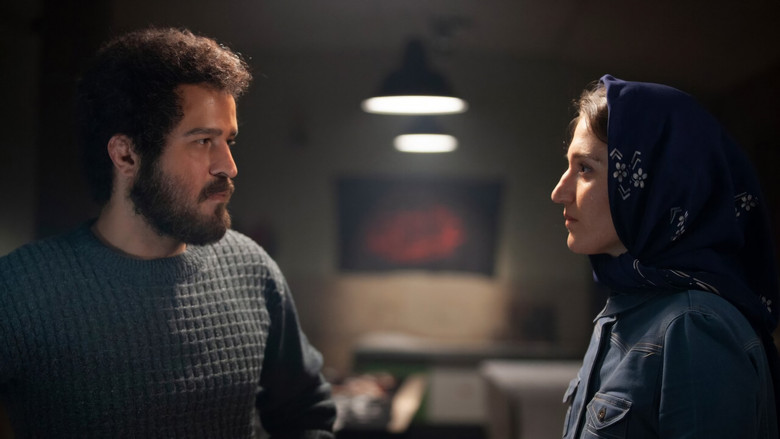
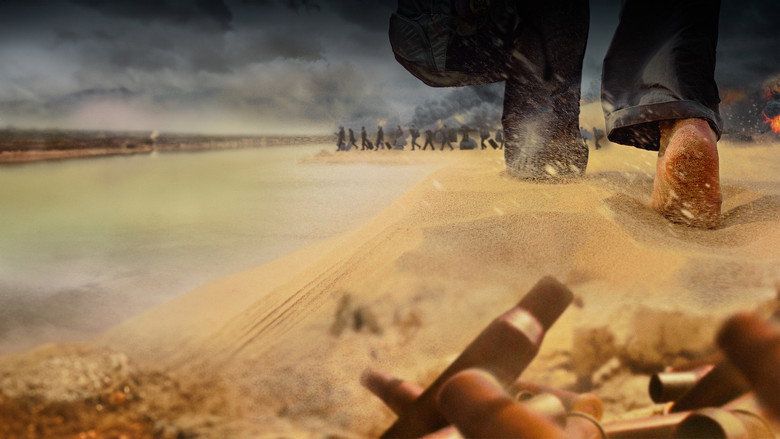
The Lebanese film "Fi Mahab al-Reeh" (In the Wind’s Mercy), released in 1985, is a drama set during the Lebanese Civil War. It tells the story of a romantic relationship between two individuals from different social backgrounds, highlighting the deep social and political divisions affecting Lebanese society at the time.
Struggle
War
This is the sole surviving motion picture of Unique Film (Shanghai), one of China's three major film companies in the 1930s. The young lovers in rural China are framed by their evil landlord. The man is sent to prison; the woman is forced to get married. She tries to seek revenge but is killed. When the man is released from prison, he joins the People's Volunteer Army but is killed in battle. The film was significant in its time. Runje Shaw had imported advanced American audio film equipment and technology in 1931, making this one of the first sound films in China. As one of Unique's few ‘progress' films, it also reflects that this ‘entertainment-only', apolitical film company, under the left-wing influences in society, also needed to make films with topics such as the war effort and that criticise the bourgeoisie. Struggle is a joint effort among the best of talents in front of and behind the camera, and is also the only surviving work of director Qiu Qixiang.
Crazy
DocumentaryWar
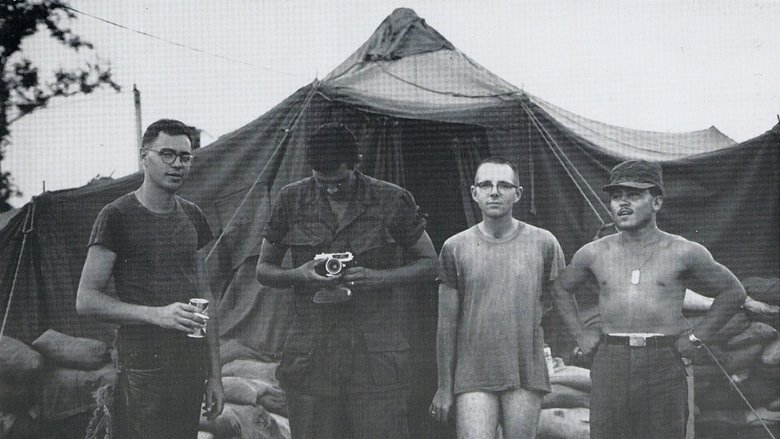
The haunting experiences of Dutch U.N. peacekeepers are woven together by the powerful influence music has had on their endurance, survival, and memories of war. This documentary is filled with close-up interviews, scrapbook photographs, video clips, news footage, letters read aloud, and other recollections, as different generations of Dutch peacekeeping soldiers recount the trauma of bloodshed from Korea to more recent events in Rwanda and the former Yugoslavia. Their trusting, and often disturbing, personal revelations resound most poignantly when they talk about the single pieces of music that each found powerful enough to keep insanity at bay.