
War
The Pearl Necklace
WarDrama
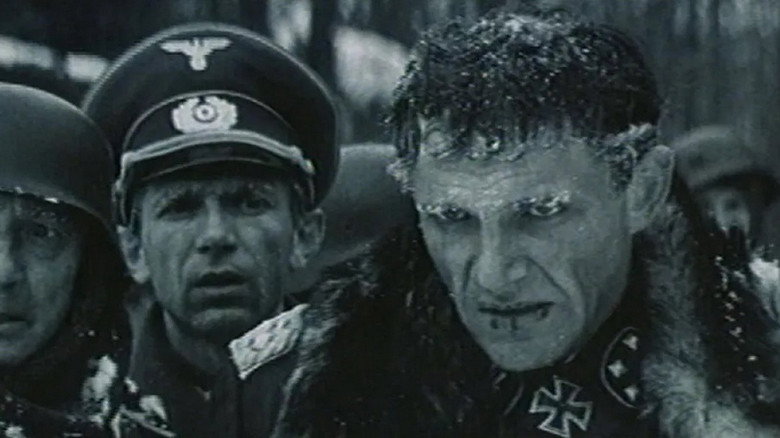
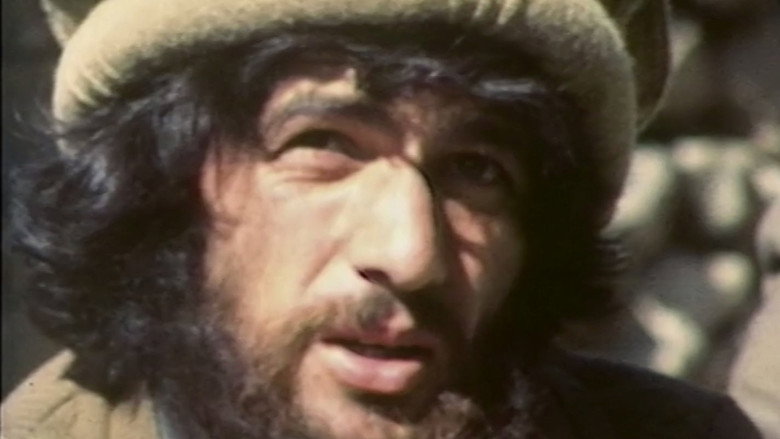
For nine-year-old Saša, the end of the Second World War is an adventure in which he and young neighbour friend Mařenka compete over who will spot the first Soviet soldier. But the boy causes problems when he lets two German snipers enter a house in which many families are seeking shelter. Fortunately, the inquisitive Saša also comes to the aid of Soviet soldier Váňa, whom one of the neighbours is accusing of stealing a pearl necklace.
Samurai
WarDrama
A young Japanese-American orphan in California is taken in by a priest who is actually a Japanese secret agent and a samurai warrior. Due to the samurai's training, the boy murders his English teacher, kills the American parents who have adopted him, smuggles Japanese secret plans into the country, and eventually becomes the governor of California with plans to infiltrate Japanese spies into the state so they can take over.
岸边激浪
War
La corneta de mi general
ComedyWar

Våbenbrødre
WarAnimation
Ørn is a Danish platoon commander positioned in Afghanistan and his cooperation with the local police captain, Fareed. In spite of cultural differences, their men fight side by side to improve security in a region that has been torn up by war. However, when an Afghan officer turns his weapon against the Danish soldiers, the cooperation and growing friendship between the two leaders is put to the test. Before the men have time to react, the traitor vanishes leaving Ørn wounded and his interpreter dead. Ørn is shipped back to Denmark, but returns to Afghanistan as soon as he recovers from his wounds, determined to continue his duty as if nothing ever happened. Once again the Danish soldiers go on patrol with Fareed and his officers, but mistrust lurks just beneath the surface and it becomes increasingly difficult for Ørn to not only to keep his men's paranoia at bay, but also his own.
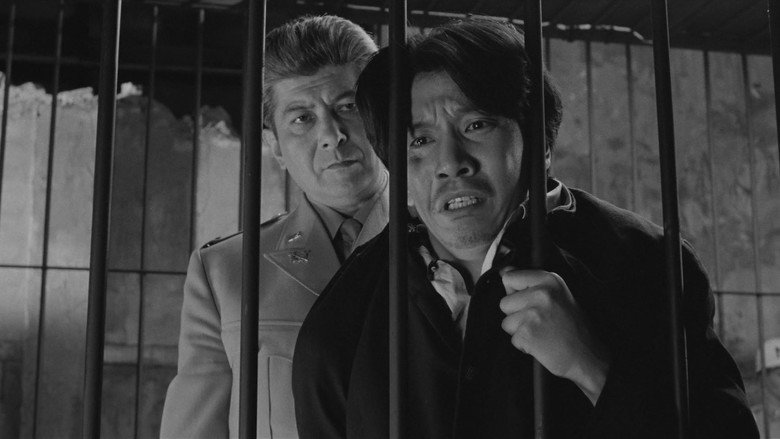
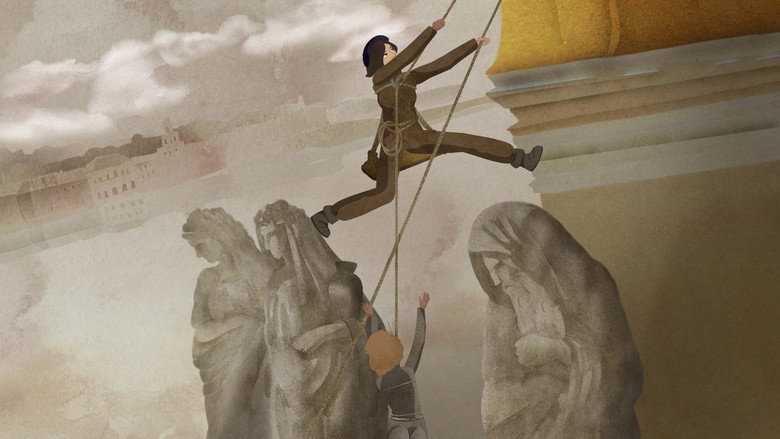

Oh! Man
DocumentaryWar
After Prisoners of the war and On the Heights all is Peace, this film concludes Yervant Gianikian and Angela Ricci Lucchi's trilogy on the first world war. From the emblem of totalitarianism to individual physical suffering, the directors use this representation of man's rampaging violence to draw up an anatomical inventory of the damaged body and examine the consequences of the conflict on children, from 1919 to 1921. From the deconstruction to the artificial reconstruction of the human body, they try to understand how humanity can forget itself and perpetuate these horrors.

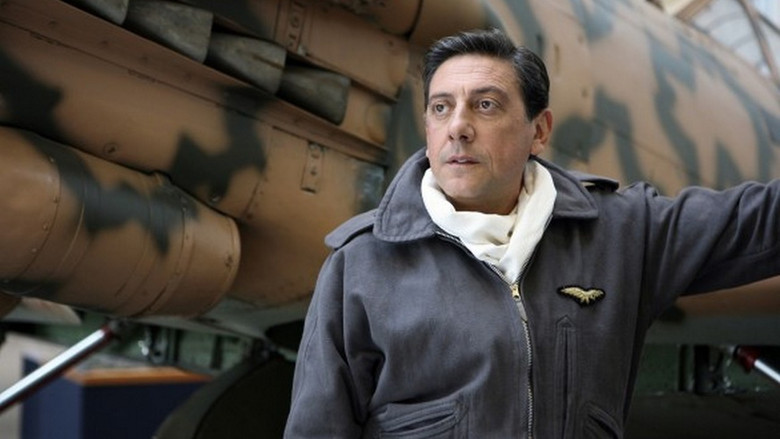
Junikveld
DocumentaryWar
A film about disarmament.

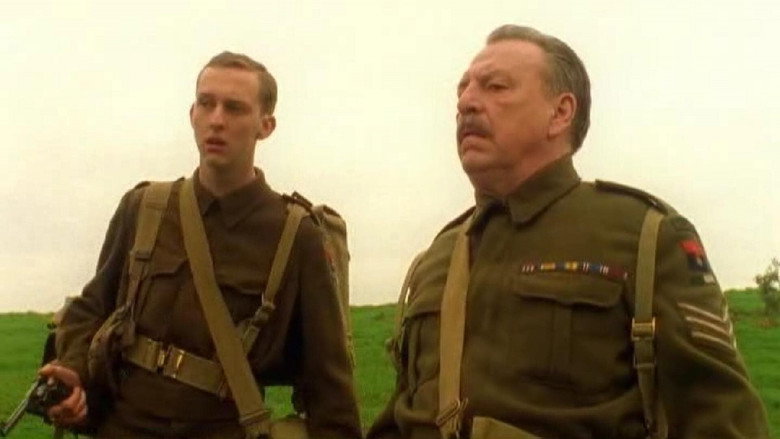
Song of Retrospection
DramaWar
Mr. Komak, a musician from one foreign power, and Ra Sol Ju, Navy communicator of DPRK, who also does have a sense of music, met twice. First, on the Korean War, where she captured him, and then at the Festival of Youth and Students in Berlin. Many years later, Komak is coming to the festival in Pyongyang, with hope to find her.