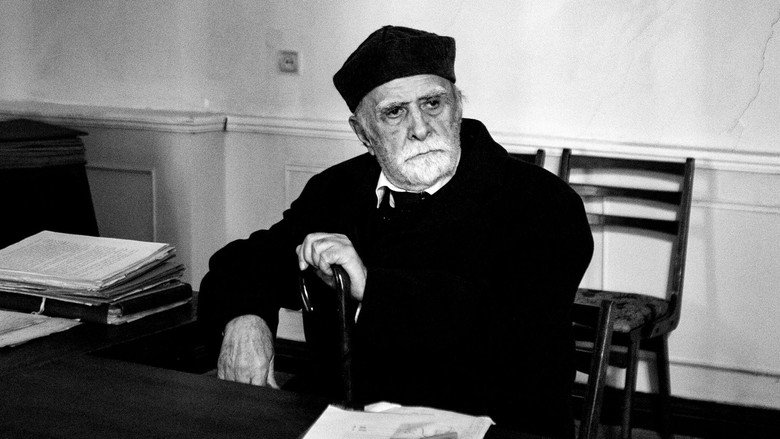
War

Moscow Nights
WarDrama
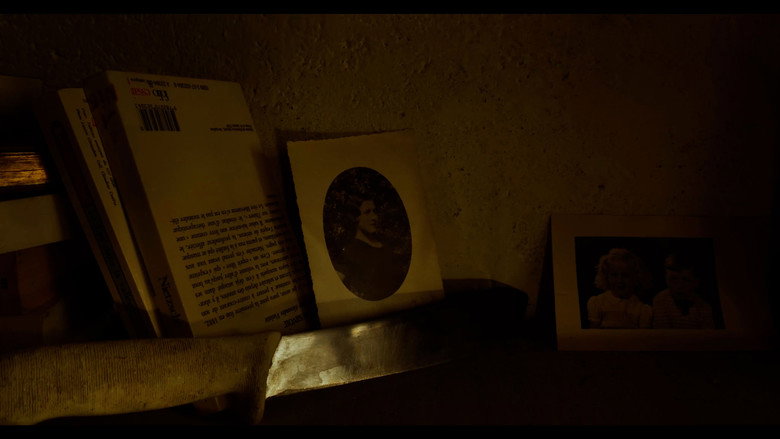
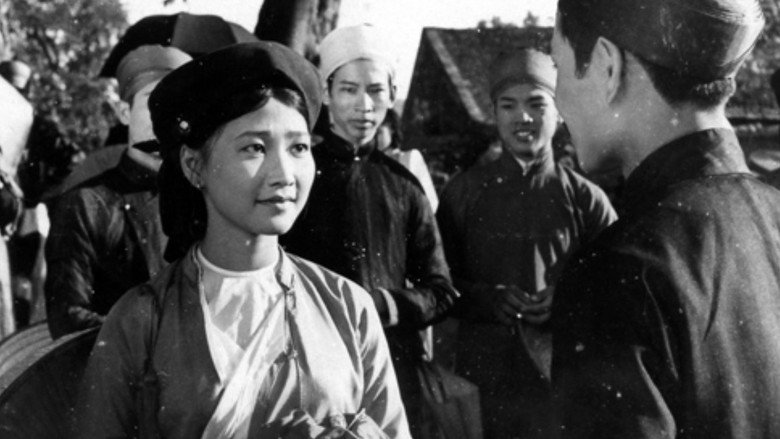
During the First World War, the Russian officer Captain Ivan Ignatoff falls in love with his nurse, Natasha Kovrin. But she is subject to an upcoming marriage of family convenience to Brioukow, a wealthy industrialist of peasant stock. Brioukow is unjustifiably jealous, since Natasha has not betrayed him. He forces Ignatoff into his debt as a means of humiliating him. When Ignatoff's new friend, Madame Sabline, offers to pay his debt, preventing his ruin, Ignatoff comes quickly to realize that Madame Sabline has an ulterior motive, one that could prove dangerous to more lives than just Ignatoff's.
Stalingrad
DocumentaryWar
A Soviet documentary chronicling the Battle of Stalingrad, one of the turning points of World War II. Filmed on the front lines, it depicts the brutal devastation of the city, the resilience of its defenders, and the eventual Soviet counteroffensive that encircled and defeated the German 6th Army. Released internationally—with the U.S. version retitled The City That Stopped Hitler: Heroic Stalingrad—the film served both as a record of the Red Army’s victory and as a powerful work of wartime propaganda.
The White Tent
WarDrama
The head of the field hospital, Stupakov, has lost his wife. He devotes all his love exclusively to his daughter Vera, who works as a nurse in the same hospital. However, Stupakov’s love is selfish. Ignoring Vera's feelings, he tries to separate her from the man she loves. But Vera, defying everything, leaves for the active military unit...

Mother
DramaWar
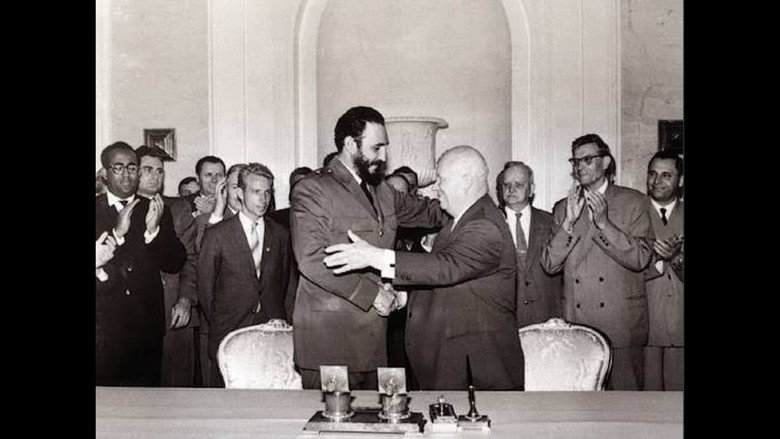
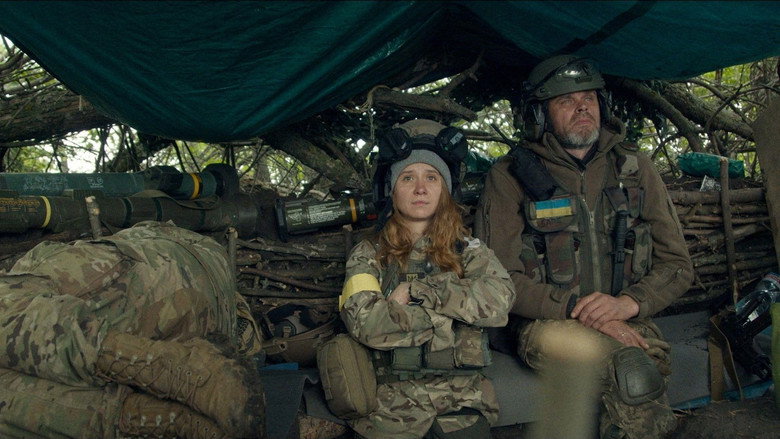
Nazi German officers decide to seize a house where the Pelka family of four live. The four members of the family are Otylia, Czeslaw and two little daughters called Terenia and Jania. From that moment on the life of the Pelka family starts hanging by a thread.
Dawn of Menghe
War
In the early days of liberation, Kuomintang remnants fled to the Menghe Tibetan region. The government sent Chen Shaohua’s political work team to secure local chieftain Luobu Danzeng’s help against the enemy. Spy Xie Chunfu deceived Luobu Danzeng, causing conflict between the Menghe and Wari people to undermine the Communist Party and plan a counter-revolutionary uprising. Chen Shaohua implemented ethnic policies to win Luobu Danzeng’s support and investigated the spies’ activities. Xie attempted to poison steward Lang Jie, but Lang Jie discovered the plot. Nationalist spies threatened Luobu Danzeng to detain the work team. Chen Shaohua sent Xiao Li and Dali Jie to the military division. The People’s Government advanced into Menghe, prompting Xie to assassinate Lang Jie to eliminate witnesses. Before dying, Lang Jie exposed Xie’s plot to Luobu Danzeng, who apologised and cooperated with the People’s Liberation Army to eliminate the remnants.


Ladoga
DocumentaryWar
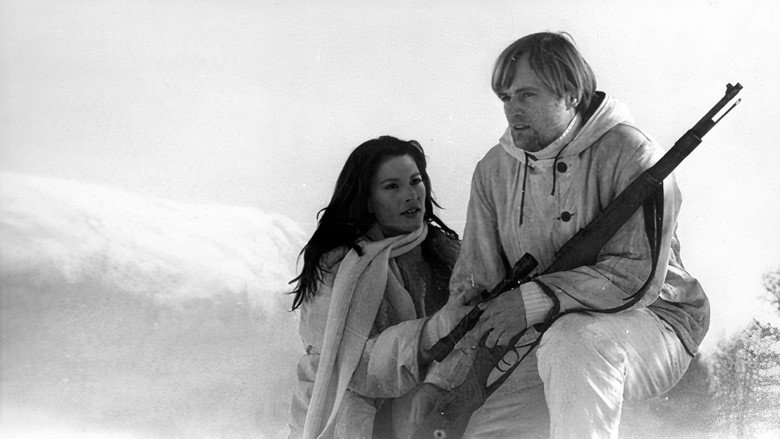
The film was shot in 1942 by cinematographers of the Leningrad Newsreel Studio. It brings together unique footage captured during the siege in the ports of Osinovets and Kobona, during the evacuation of children along the Road of Life, and during the legendary battle on Sukho Island. The film provides a vivid picture of how events on the Road of Life actually unfolded.
Wrath of the Seas
AdventureWar
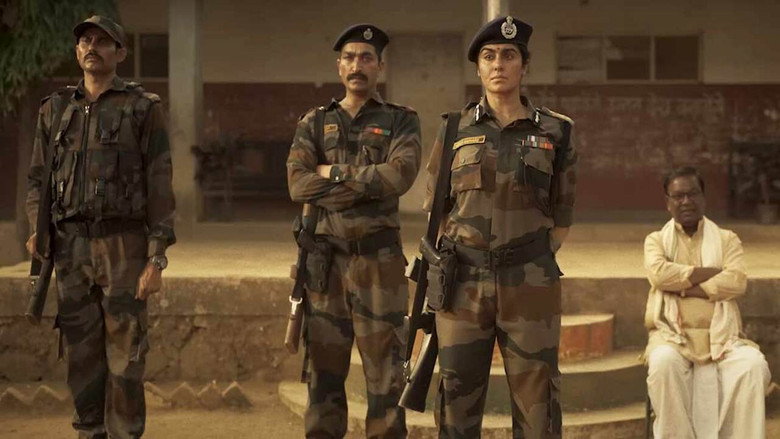
The film portrays the Imperial German Navy during the First World War, particularly the Battle of Jutland and is based on a novel by Helmut Lorenz.
Sandesaya
DramaHistory
Sandesaya (Sinhalese language word meaning The Message) is a 1960 film. The film based on the war between the Sinhalese people and the Portuguese invaders in Sri Lanka. It was directed by Sri Lankan film director Lester James Peries. It was produced by K. Gunaratnam on behalf of the Cinemas Company on the request of Raj Kapoor.