
War
Nazi Hell
HorrorThriller
The Reichsfuhrer-SS Heinrich Himmler was Adolf Hitler's most loyal henchman and one of the most feared men of WWII. Surprisingly, he had only one problem... He had no stomach for murder! When the Reichsfuhrer-SS becomes physically ill during the execution of Russian POW's on the Eastern front in 1941. Ruthless, careerist SS General Hans Shellenberg rats Himmler out to the Fuhrer, Adolf Hitler. Hitler tests his loyal Heinrich forcing him to commit the murder of a Polish prisoner named Danuta with his own hands. Thus awakening the Monster within him that will horrify the world for generations to come! Himmler may please his Fuhrer in 1941, but what awaits him after he commits suicide in 1945 is nothing less than Hell itself. See what happens when Himmler meets Erebus, the gatekeeper of Hell! See the nightmarish suffering that awaits the infamous Nazi leader who murdered millions!
Inlove
ComedyWar



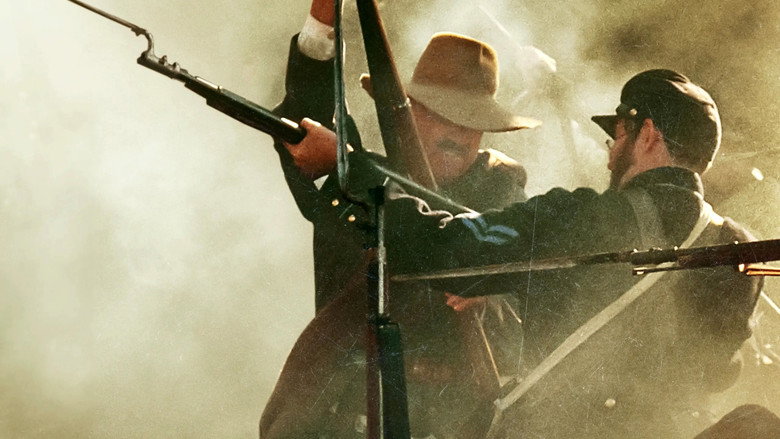
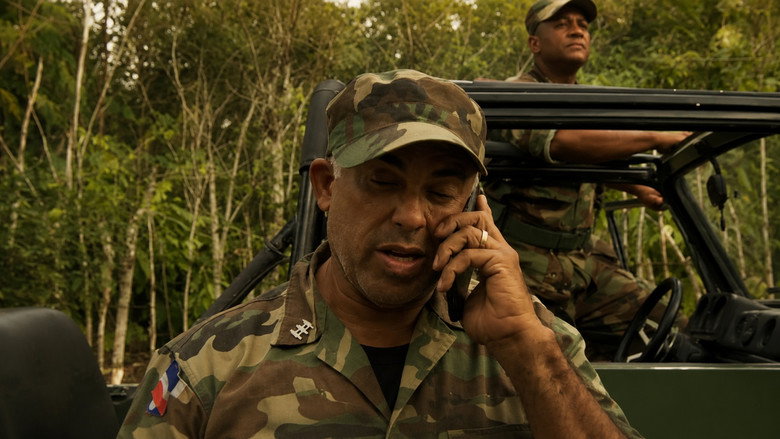
In the Bosom of the Enemy
DramaWar
It's the story of a young woman, whose husband, is arrested by the soldiers of a Japanese garrison, on the suspicion that he is a guerilla. Dizon pleads her case to the garrison's commander, who sympathizes and lets Yllana go; when the commander's wife dies and leaves their son motherless, Dizon, is hired to feed the baby from her own breast.
War of Words: Soldier-Poets of the Somme
DocumentaryHistory
The 1916 Battle of the Somme remains the most famous battle of World War I, remembered for its bloodshed and its limited territorial gains. What is often overlooked, however, is the literary importance of the Somme: more writers and poets fought in it than in any other battle in history. Narrated by Michael Sheen, War of Words: Soldier-Poets of the Somme details the experiences of the poets and writers who served in the battle. The work of Siegfried Sassoon, Robert Graves, David Jones, Isaac Rosenberg and JRR Tolkien (who arrived at the Western Front with ambitions to be a poet) was informed and transformed by the battle. Taken together, their experiences allow us to see this dreadful historical event through multiple points of view. The film uses animation, documentary accounts, surviving artefacts, battalion war diaries and the landscape itself to reconnect this literature to the events that inspired it.
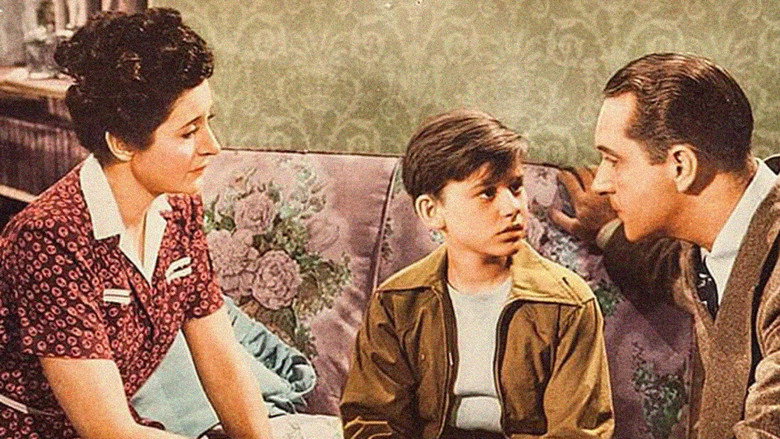
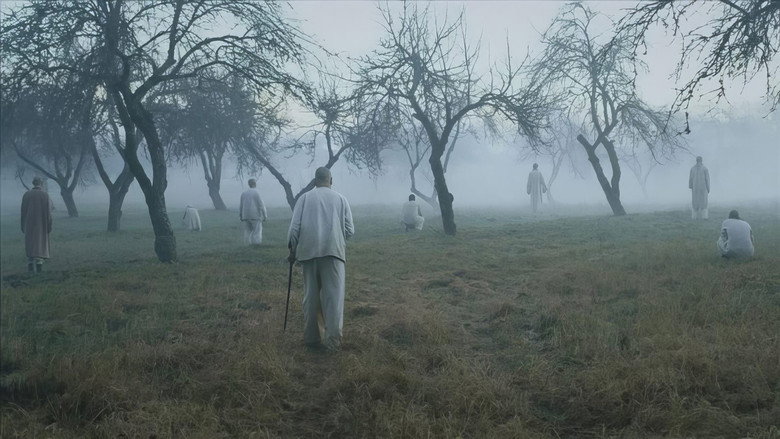
The Paradise Run
DramaWar
Johnny has joined the army because he likes canoeing, but ends up in a war-torn city and is compromised into helping the enemy. However, desertion will not be a solution, and he finds himself more distressed than ever.