War
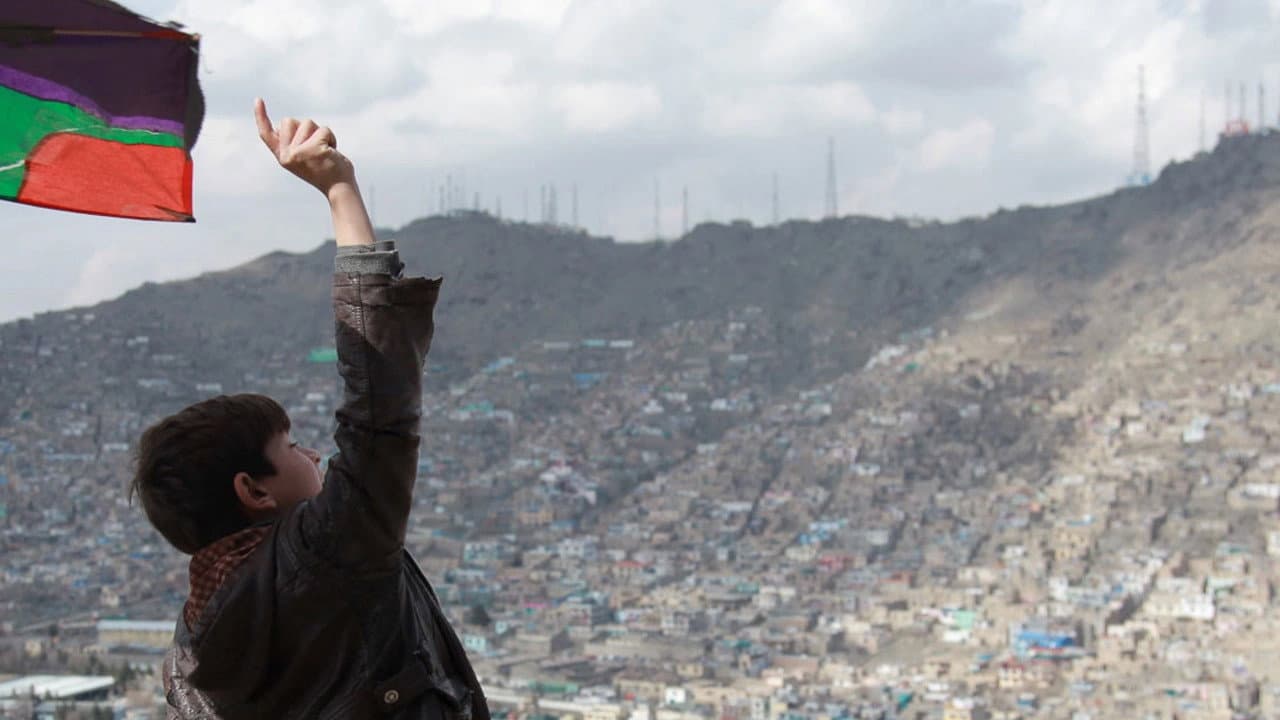
When Pomegranates Howl
WarDrama
Shot on the streets of Kabul, Granaz Moussavi’s (My Tehran For Sale) outstanding new feature is in the tradition of the great child-centred works of the 1980s when filmmakers such as Kiarostami, Panahi and Amir Naderi (to whom this film is dedicated) were putting Iranian cinema in the forefront of world production. 9-year-old Hewad is an irrepressible, street-smart kid who is energetically working every angle, hustling everything from pomegranate juice to amulets to protection from the evil eye. His real ambition is to be a movie star, and this comes a step closer when he meets an Australian photographer. But in a city where every family has a member who has been “martyred,” the streets are as perilous as they are vivid. Australia’s recent involvement with Afghanistan has been mixed, to say the best. The deeply-felt humanism of this film might just be our most effective contribution to that troubled country.

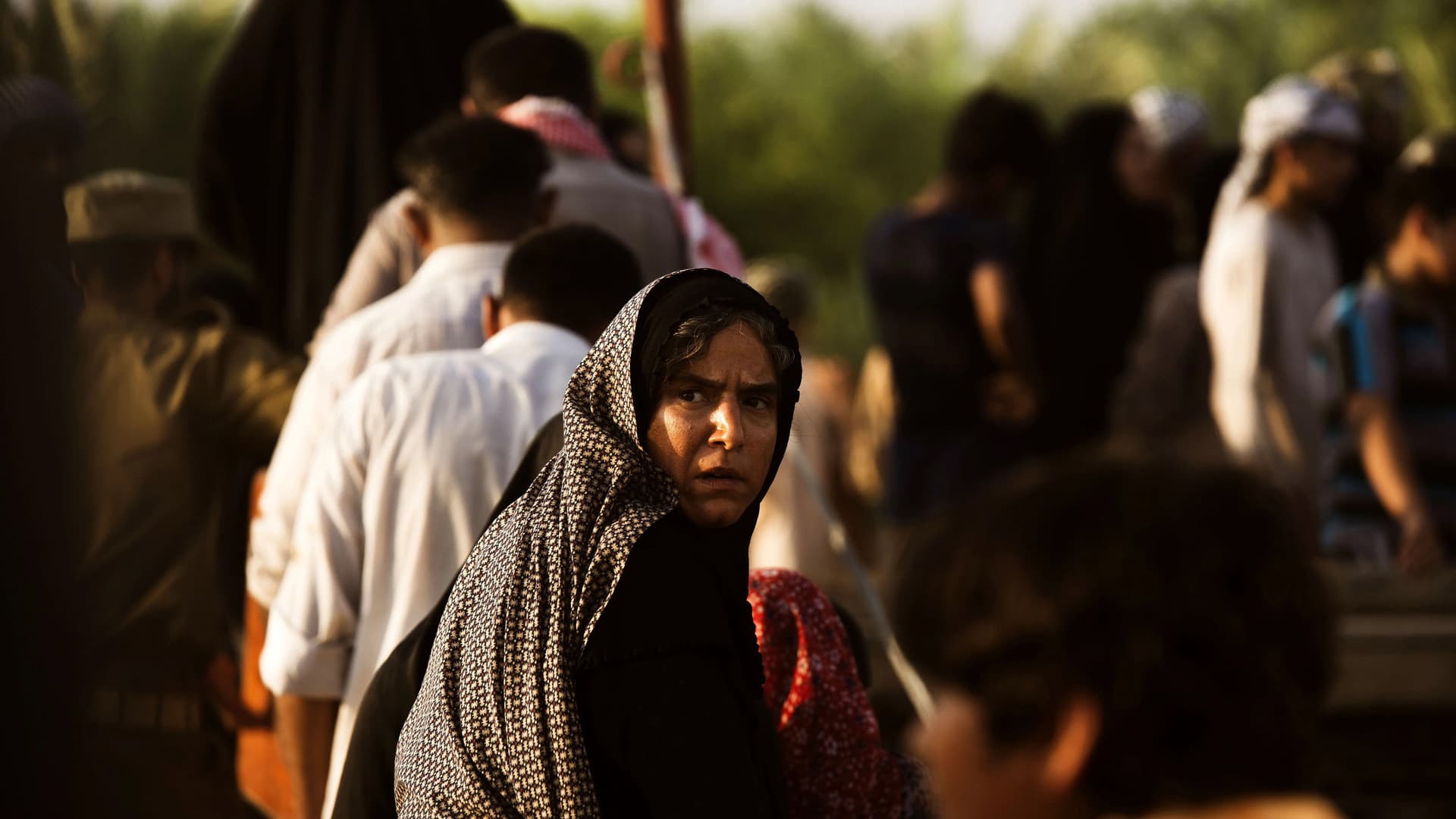
Yadoo
DramaWar
The story of the film is about the first months of the imposed war. At a time when families in different cities of Khuzestan were forced to leave their homes and all their attachments and took refuge in other cities to save their lives. But in the meantime, the mother does not intend to leave her home. Meanwhile, the older son and the teenager of the family are angry with this decision of the mother. They constantly complain to their mother that they should leave like all the locals so that they are not destroyed. She argues with her mother under any pretext and talks about leaving. The mother, however, loves the house where she became a mother more than Edo imagines.
Shadow year Message
WarHistory
It is based on historical facts about the sad fate of an employee of the Ministry of Internal Affairs who did not kneel before death for the sake of the truth in the difficult times of repression in the 1930s.
The Vultures
WarAnimation
Wartime Soviet propaganda cartoon. The short shows the fascist threat, symbolised by vultures, and glorifies Soviet defence, represented here by the airforce.
Strike the Whore
DramaWar
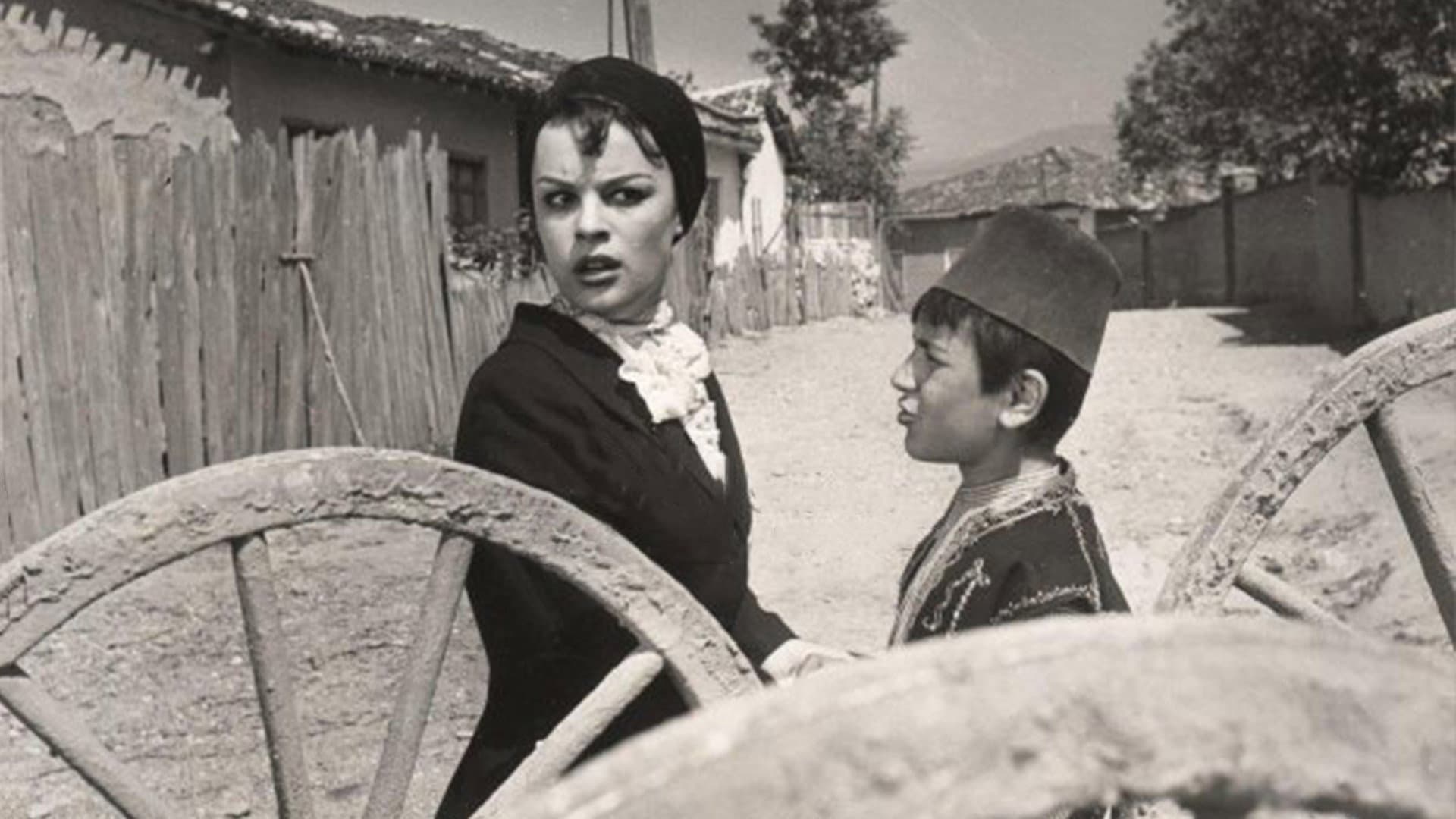
The film depicts Aliye’s patriotism. The entire country is under occupation. Aliye, a newly appointed teacher in Anatolia, settles in the house of Ömer Efendi, a leading figure in the town. The Nationalist Forces are not afraid to give the town to the enemy troops for their own benefit and will try everything to send Captain Fuat Bey, Aliye’s fiancé, away from the town.

Surname Viêt Given Name Nam
DocumentaryHistory
The film evolves around questions of identity, popular memory and culture. While focusing on aspects of Vietnamese reality as seen through the lives and history of women resistance in Vietnam and in the U.S, it raises questions on the politics of interviewing and documenting.

Uprising in Guria
WarAction
Movie takes place in 1841 Georgia region of Guria, in where peasants are plotting the uprising against the Russian government.
Gunfight
ActionWar
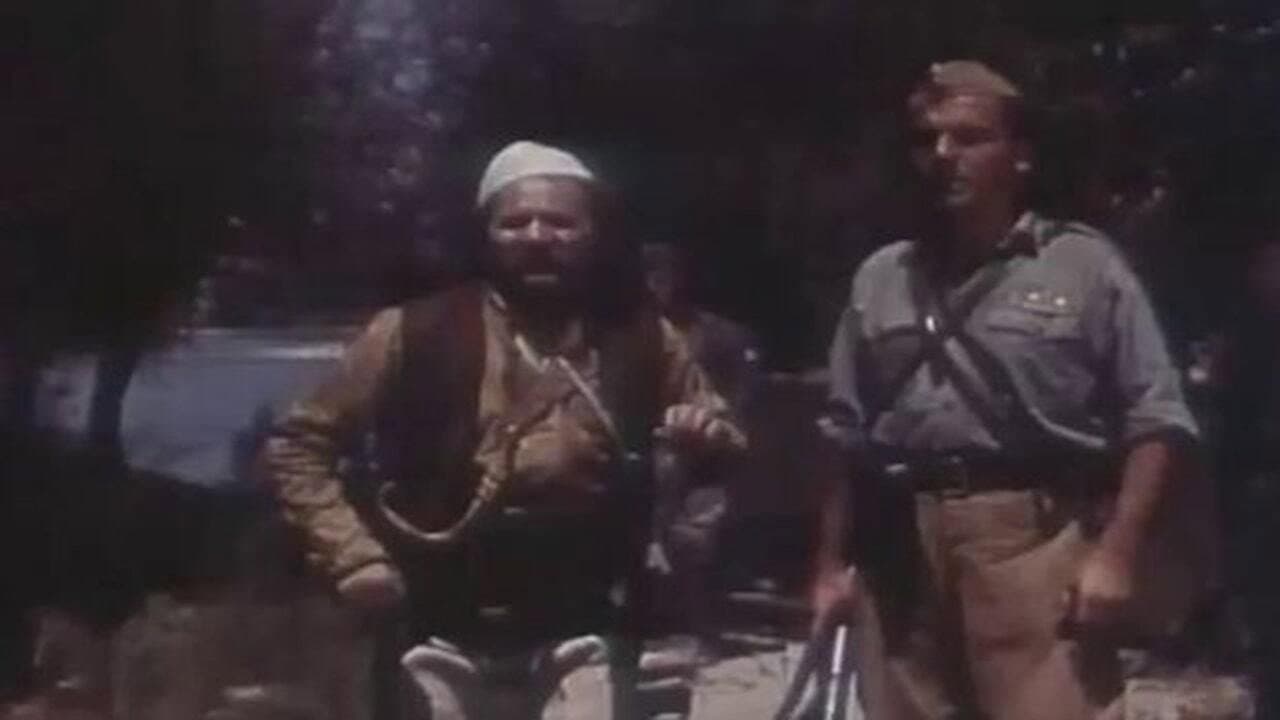
In this sequel to "Captain Leshi", a group of Albanian nationalist movement (ballists) continues obstruction of the new Yugoslavian authorities even after the war. Captain Leshi manages to fight them successfully, as well as to fulfill his romance with beautiful Azira.
The Spy
WarAdventure
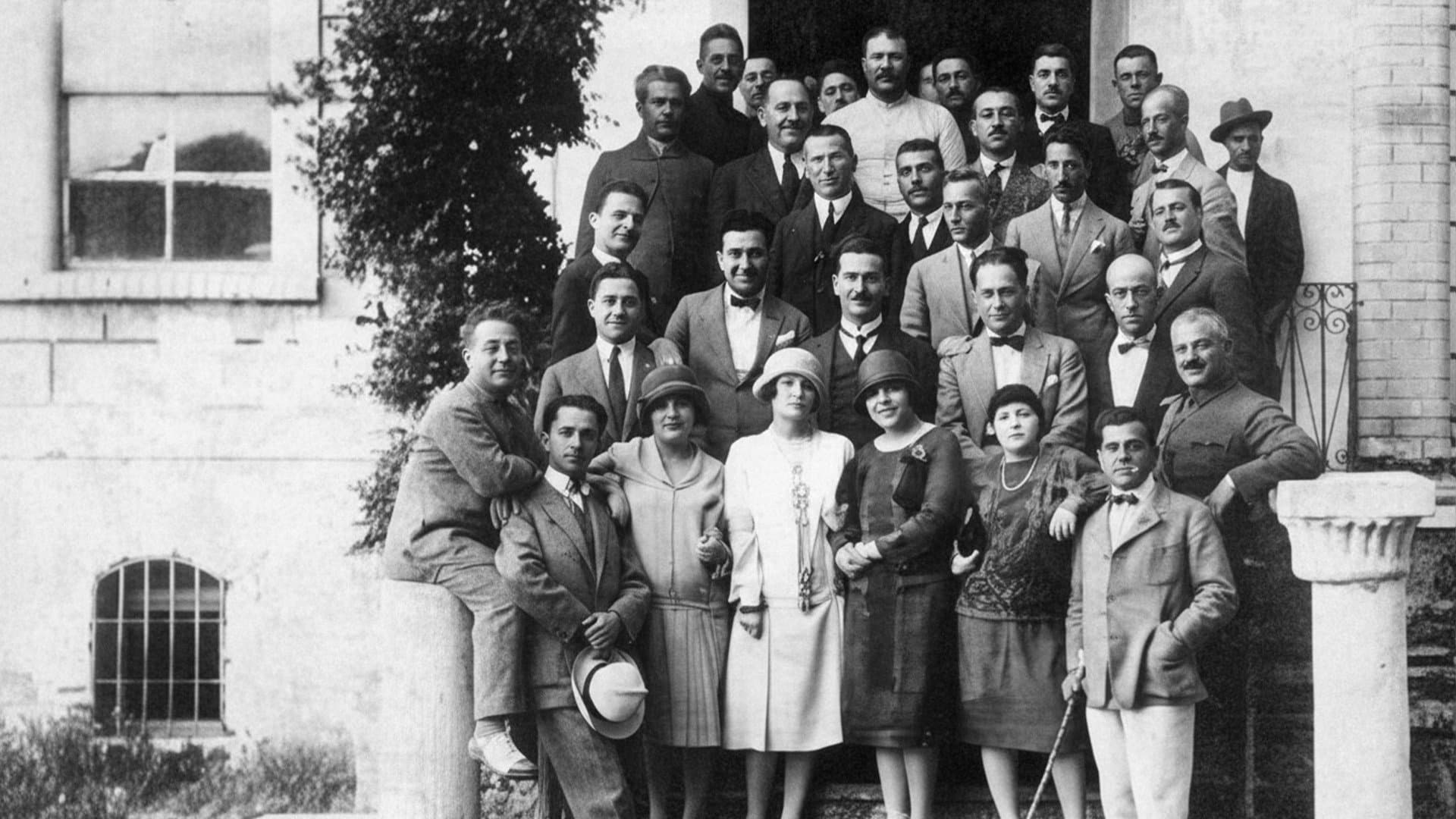
Considered as the one of the first feature-length Turkish movies produced during the reign of the Ottoman Empire, Casus is about a spying adventure which took place in the First World War. The copy of the movie did not survive to the present day.