War

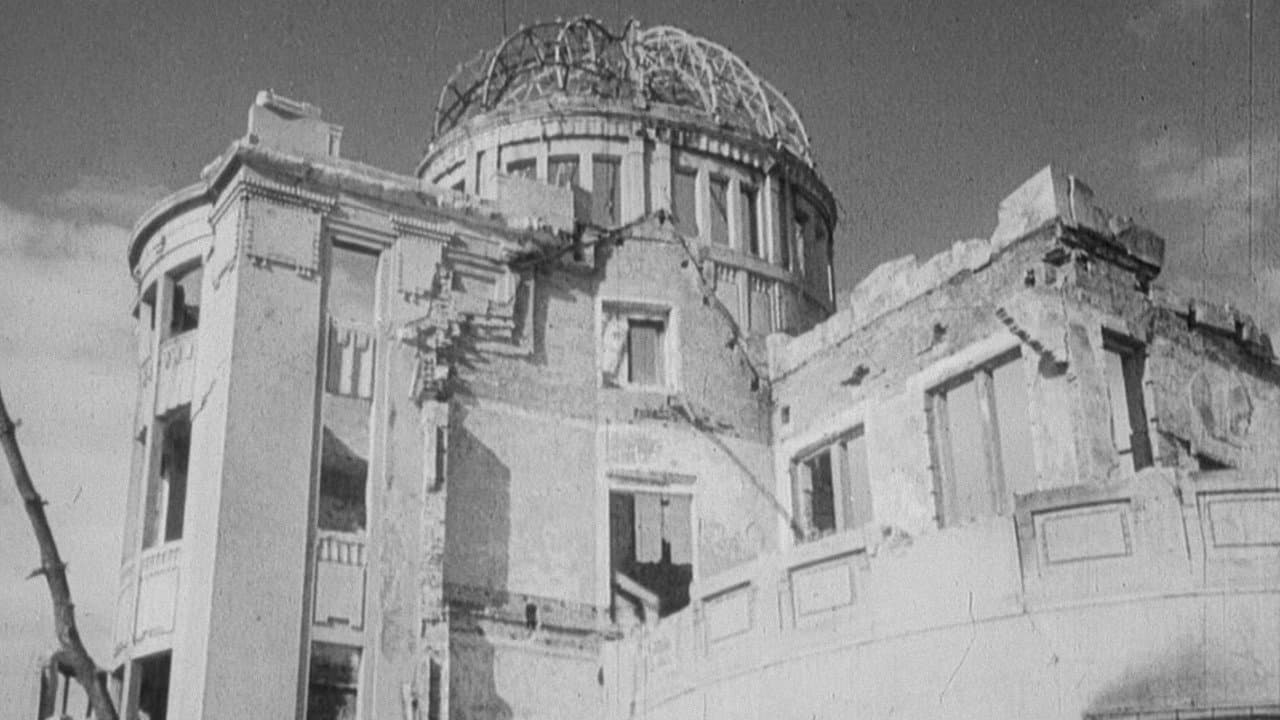
Effects of the Atomic Bomb on Hiroshima and Nagasaki
DocumentaryWar
This was the only documentary made in the aftermath of the atomic bombings of 1945. Japanese filmmakers entered the two cities intent on making an appeal to the International Red Cross, but were promptly arrested by newly arriving American troops. The Americans and Japanese eventually worked together to produce this film, a science film unemotionally displaying the effects of atomic particles, blast and fire on everything from concrete to human flesh. No other filmmakers were allowed into the cities, and when the film was done the Americans crated everything up and shipped it to an unknown location. That footage is now lost. However, an American and a Japanese filmmaker each stole and hid a copy of the film, fearful that the reality of Hiroshima and Nagasaki would be hidden from history. Eventually, these prints surfaced and became our only precious archive of the aftermath of nuclear warfare -- a film that everyone knows in part, yet has rarely seen in its entirety.
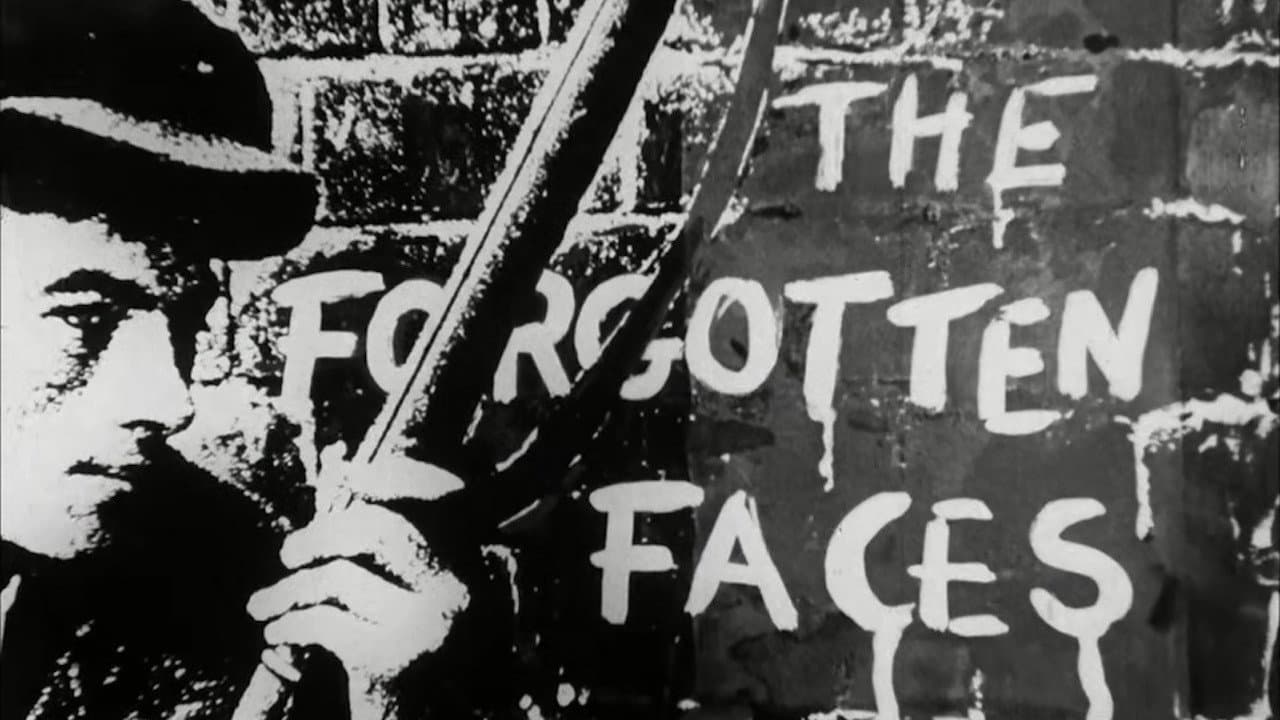
The Forgotten Faces
HistoryWar
“The Forgotten Faces (1961), a film reconstruction of the Hungarian revolution of 1956, won Watkins another amateur Oscar, and to this day, the film is praised in England as "one of the most memorable amateur films ever made".
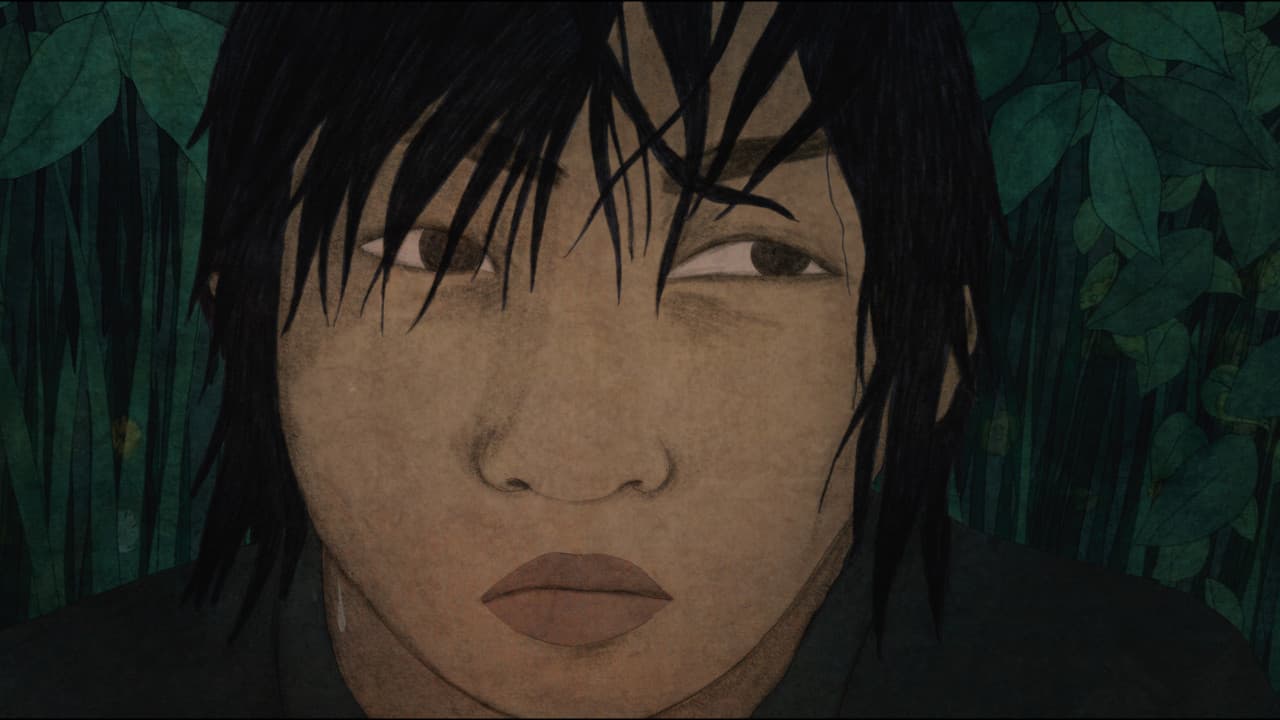
Flowing Home
AnimationWar
The intertwining fates of two Vietnamese sisters who sustain a wartime relationship through written correspondence.
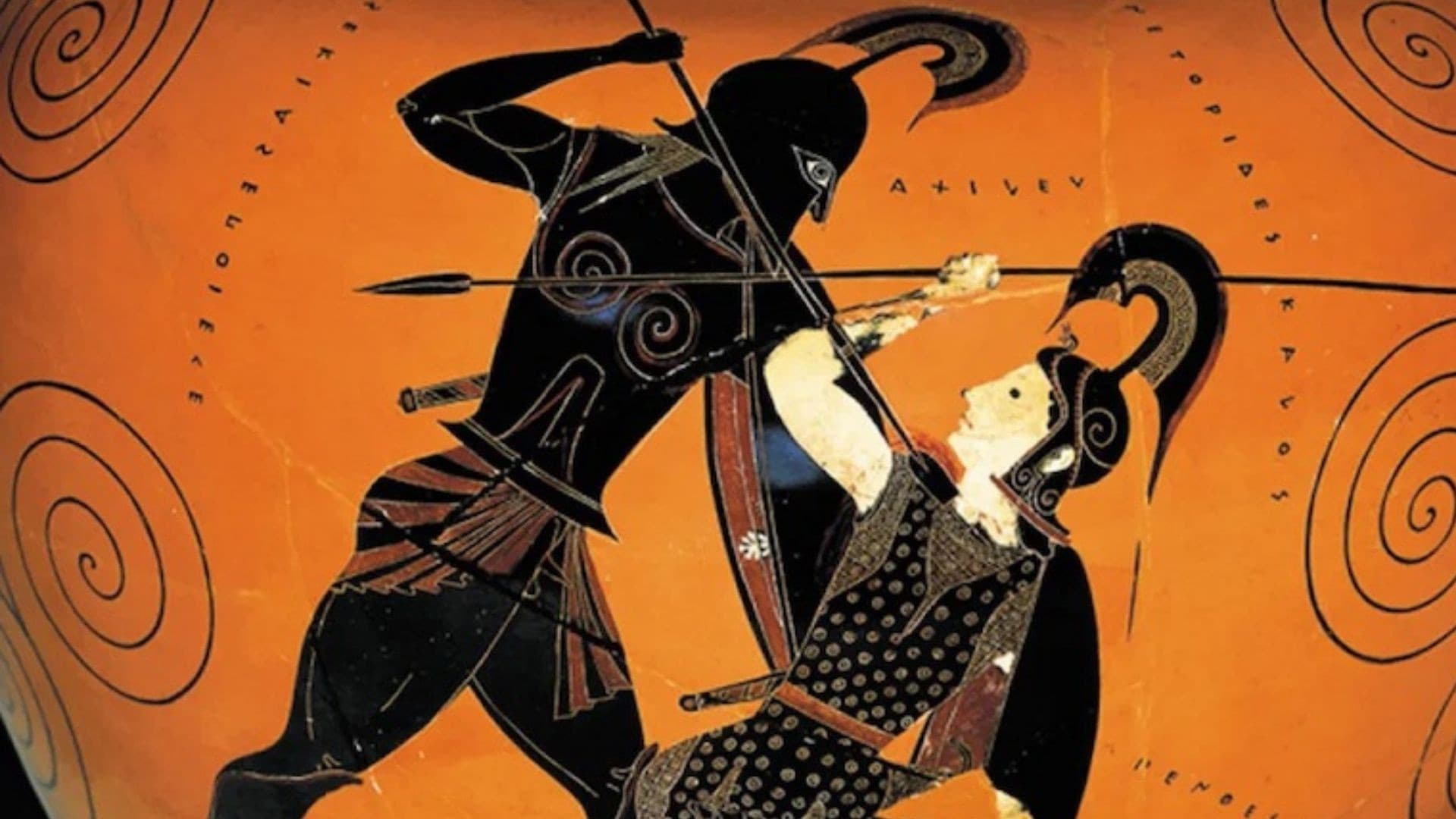
Fallen From Olympus
HistoryWar
Following the Trojan War, a soldier facing death encounters Thanatos and is drawn into a mythological confrontation about life, fate, and the meaninglessness of war.
Bound for Glory
DramaWar
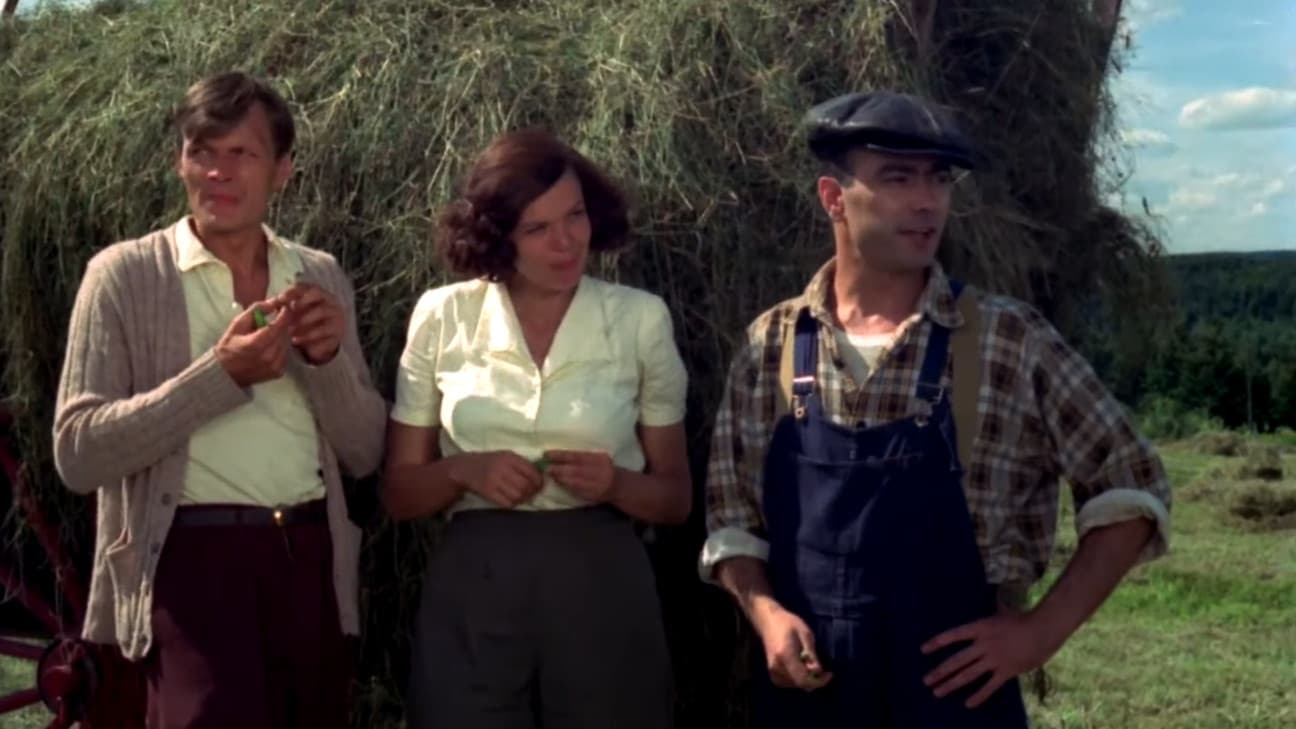
In 1942 even after a formal promise from the Liberal Party of Canada in the last election: "Never the Conscription", the Canadian Government vote a Conscription Law. In Quebec where the French population was mostly unanimous against the obligation to go to war, seen as a Great-Britain Government request, many young men fled to the woods or in clandestineness.
Red Crag
WarDrama
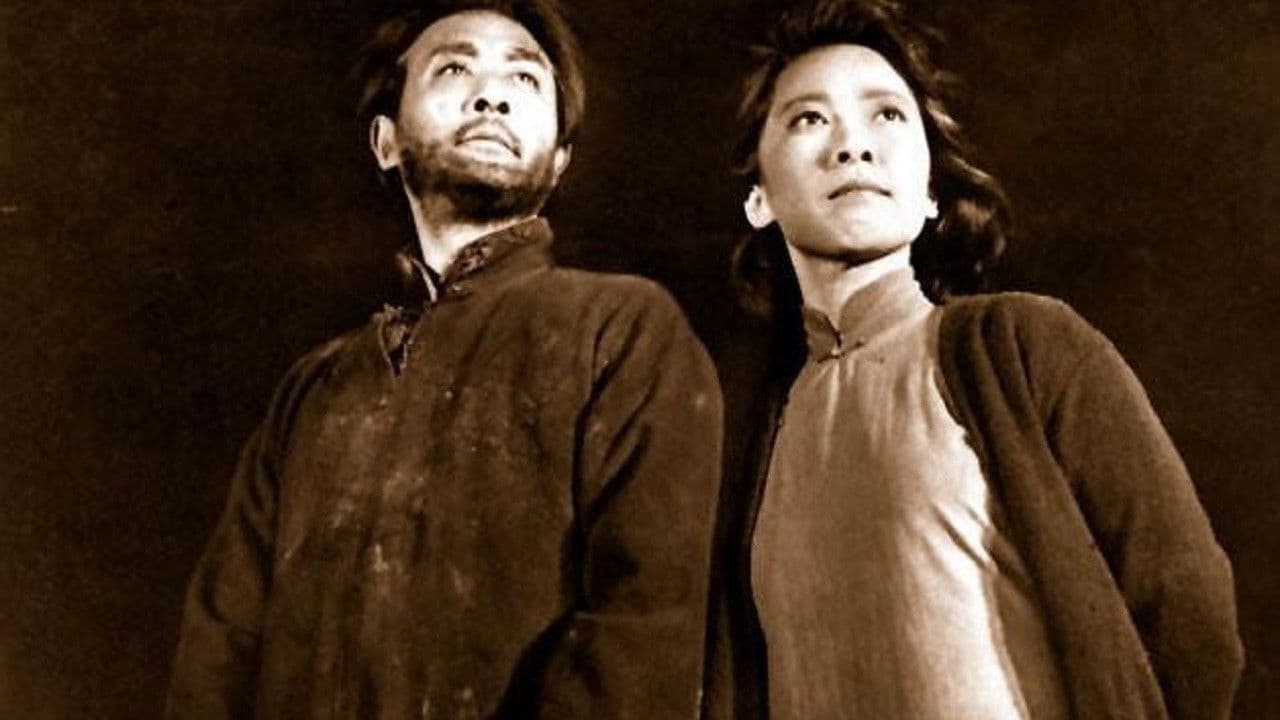
A taut wartime thriller, Red Crag: Life in Eternal Flame anticipates the paranoia and violence of the imminent Cultural Revolution while harking back to the aesthetic splendour of the Golden Age Shanghai cinema of the late 1940s. (This opulence is largely due to the work of cinematographer Zhu Jinming, the master visual stylist of Shangrao Concentration Camp and other key "Seventeen Years" films.) The film concerns a hard-boiled woman working in the Chongqing Communist underground during World War II, whose commitment to the guerrilla cause is only intensified after she witnesses her husband's head mounted on the city walls by the Nationalist forces.
Haray
WarDrama
The film is about the Khojaly tragedy. It tells the story of two teenagers, a brother and sister, who endure incredible suffering to escape from enemy encirclement. The two teenagers, who witness the incredible suffering inflicted on Azerbaijani prisoners by the Armenians, see the only way out is to throw themselves off a mountain.


Surviving D-Day
DocumentaryWar
Recent study shows that the chance of surviving the invasion beaches was 25%. Then how is it possible 50% of the men survived? This documentary which has been recognized as the best D-Day documentary ever tells a different story. A beautifully made detailed reconstruction shows what happened on that day on the beaches. In the first hour of the attack one third of the American soldiers dies. This battle will be decisive in the further course of the war. Survivors tell about the factors that made it so hard to conquer the coastlines. The animated images show it all.