War

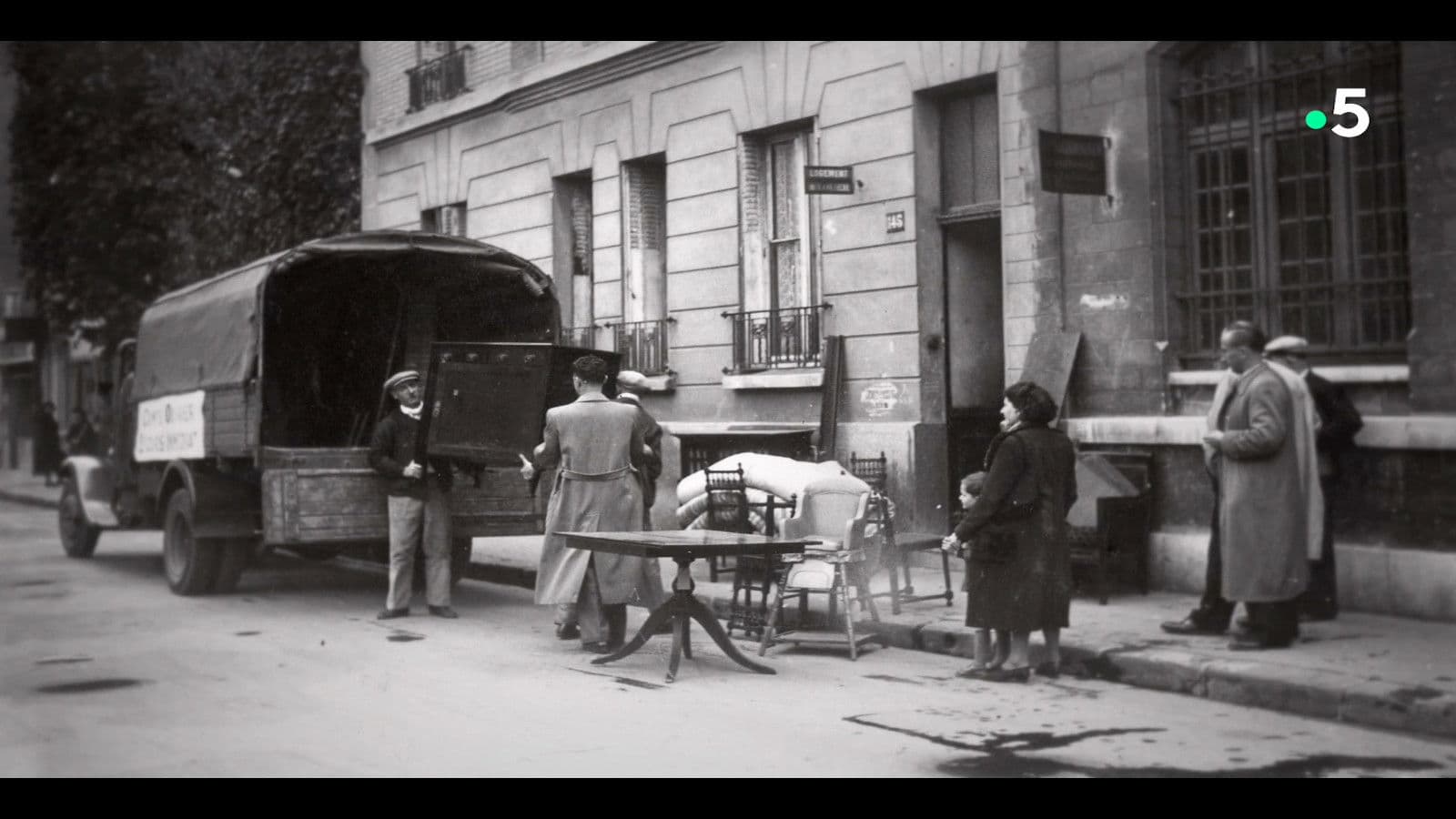
Les Suppliques
DocumentaryHistory
Since the defeat, the Nazis, who were the masters of the occupied zone, and the French State, which had been ruling the so-called free zone since Vichy, ordered the Jews to take a census. From the spring of 1941, whether they had been French for several generations or naturalized for a few years, foreigners who had taken refuge in France or stateless people who had been driven out of their country, they were put on file, arrested or threatened at any time. Some wrote to the administration, or directly to Marshal Pétain, who seemed to them to be the last resort. These requests are called Suppliques. Men, women, sometimes children, tried as best they could, by all means, to loosen the trap. They address themselves to their executioners, but they do not know it.

The New Commandment
WarDrama
Billy Morrow (Ben Lyon), who comes from a wealthy family, is sailing to Europe with his father (Holbrook Blinn) on their yacht. Along for the ride is Mrs. Parr (Claire Eames) and her stepdaughter. Near the French coast, Billy discovers that Mrs. Parr wants to arrange a marriage between him and the girl, so he escapes and takes a lifeboat ashore.
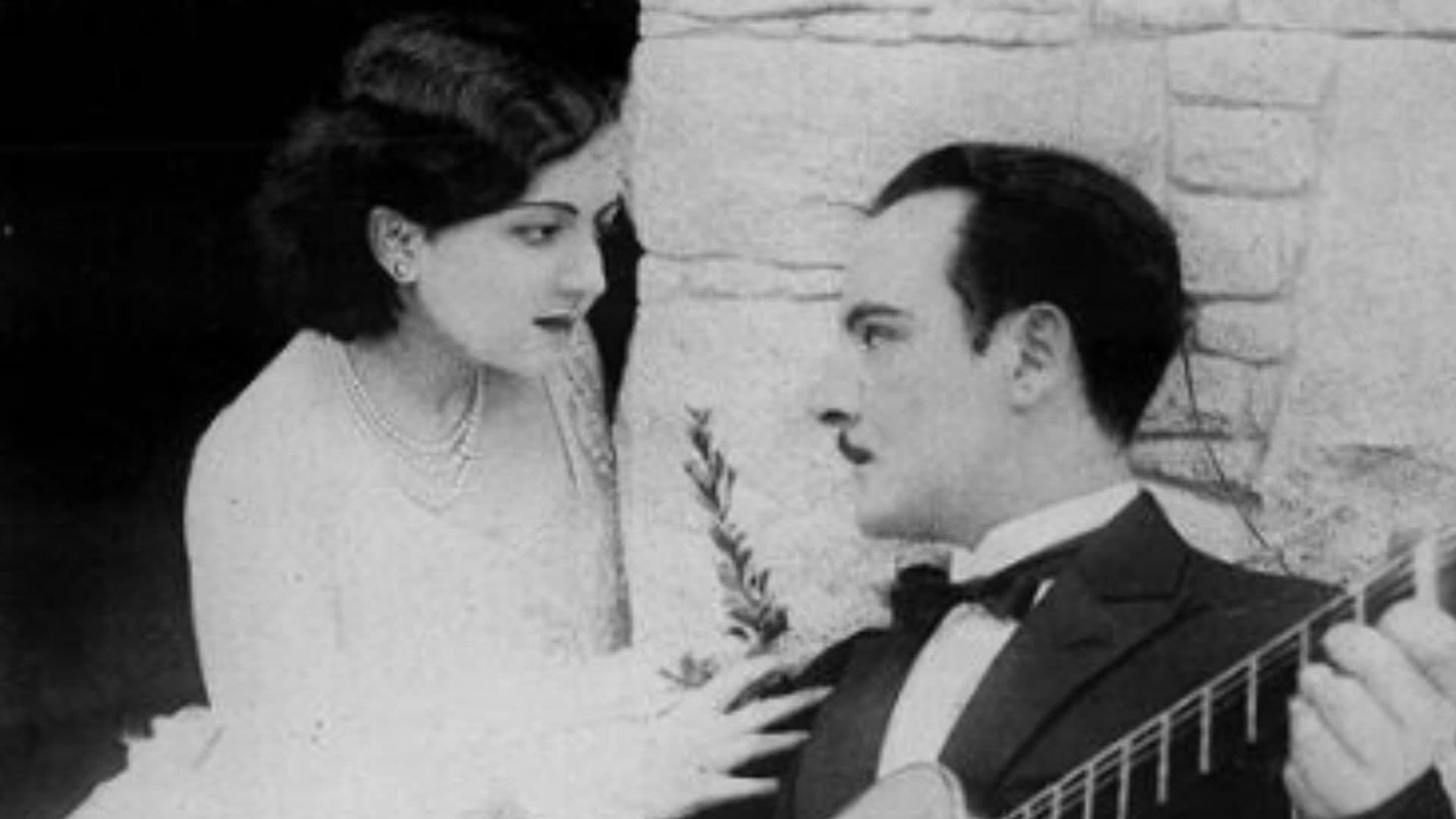
Alvorada de Glória
DramaMusic
At the Paulistano Club pool, Lygia tells Nilo that she liked the album "Lua Branca," recorded by the young man. He promises to visit her to perform the song in person. The visit marks the beginning of a romance between the two, which later becomes an engagement. However, Nilo is involved in the 1924 uprising in the barracks and, with the outbreak of the revolution, leaves for the front. The city of São Paulo shows the damage caused by the bombings. The rebels, wanting to avoid further sacrifices to the city, after days of fighting and victory, decide to abandon it.
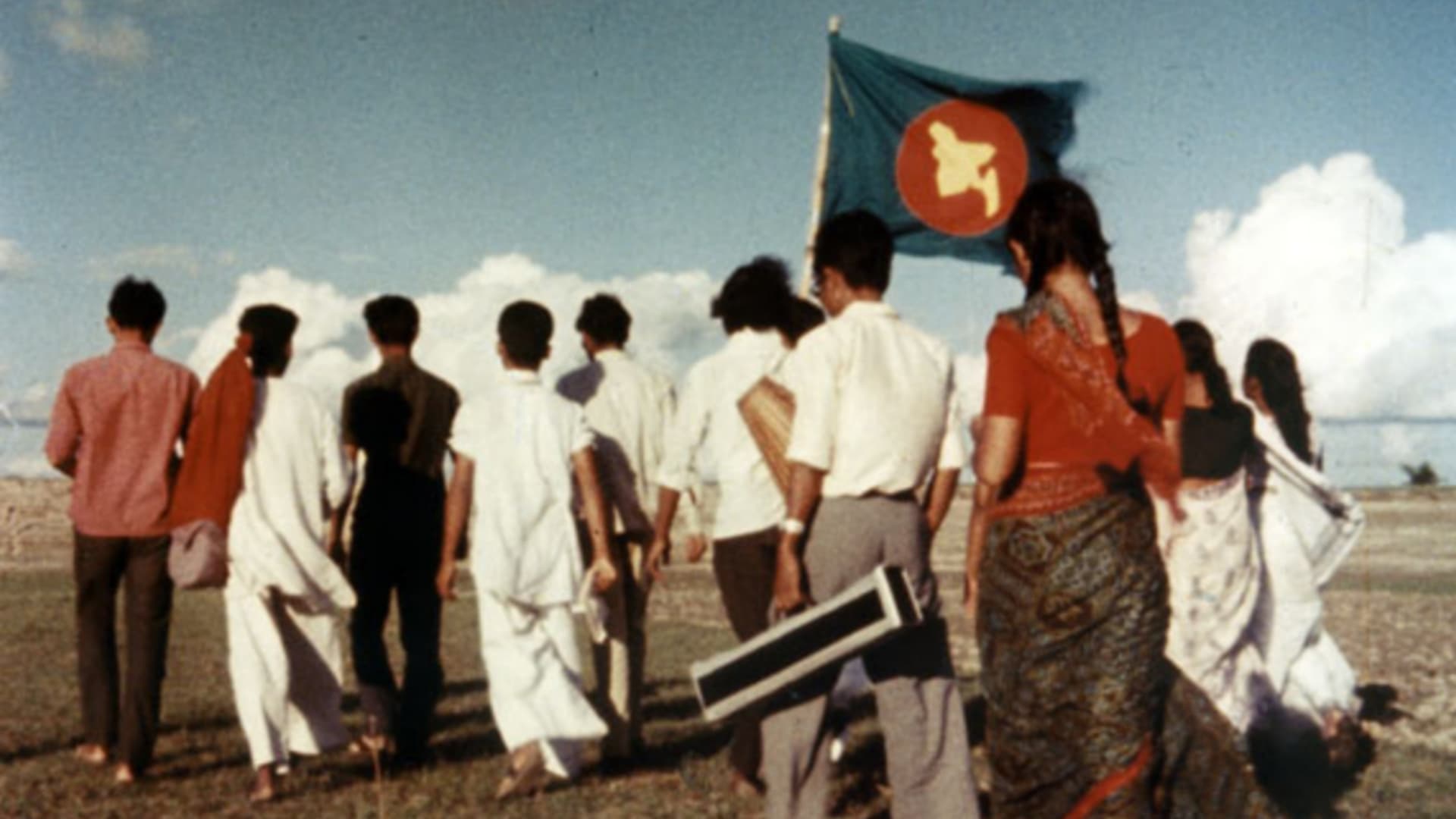
Song of Freedom
DocumentaryWar
This historic film, completed in 1995 by filmmaking duo Tareque Masud and Catherine Masud tells the true story of a troupe of singers traveling through the refugee camps and zones of war during the Bangladesh Liberation War in 1971. The film blends documentary and fictional genres in a musical structure to tell the story of the birth of a nation and the ideals of secularism and tolerance on which it was founded. The filmmakers combined footage of the cultural troupe and their activities, shot by American filmmaker Lear Levin in 1971, with historic footage collected from archives around the world, to create “Muktir Gaan” (Song of Freedom).
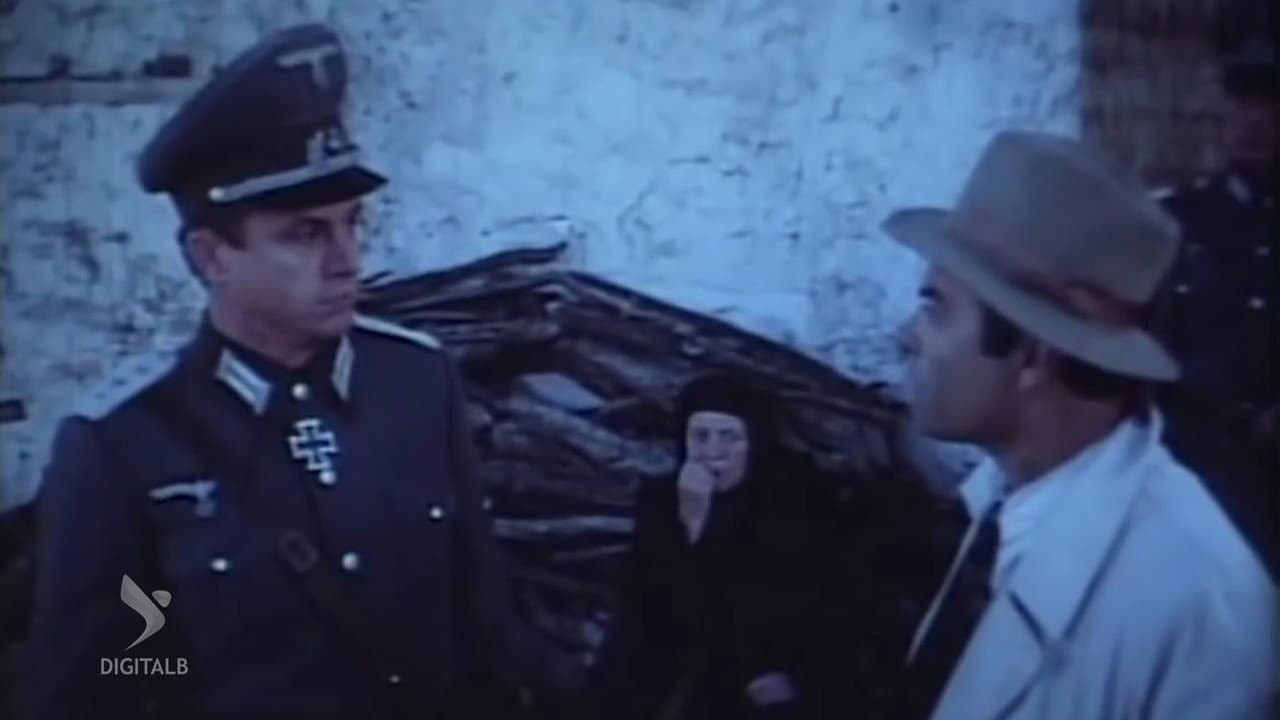
In the Name of Freedom
War
A wounded Greek partisan is helped by Albanian partisans and hidden in the house of an old woman, but his life is still in danger due to the presence of Nazis.
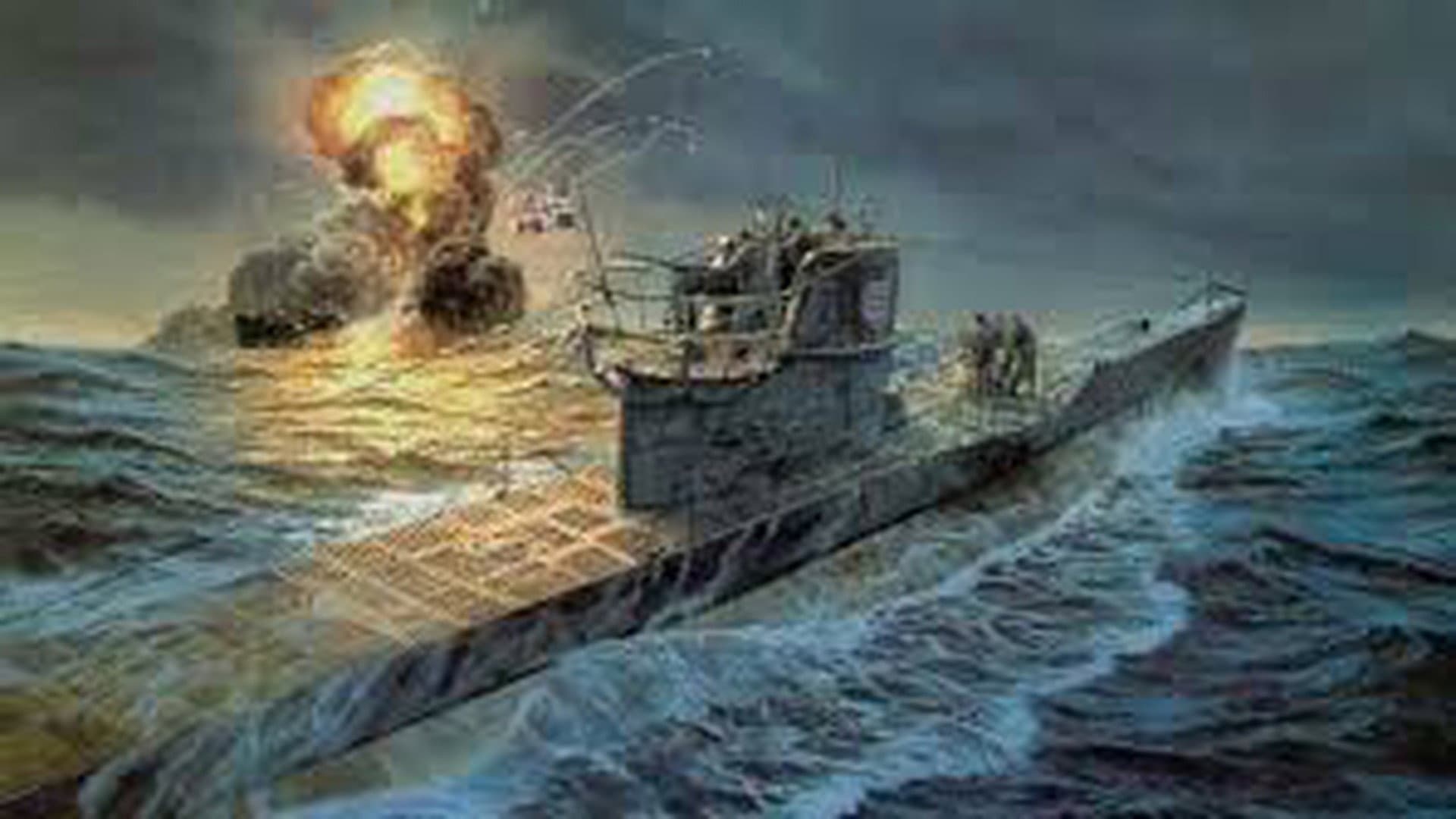
Attack and Capture: The Story of U-Boat 505
DocumentaryWar
On June 4, 1944 Captain Daniel Gallery and his men of the U.S. Naval Task Force 22.3 did the nearly impossible - they captured a German U-boat. It was the first enemy vessel-of-war captured in battle on the high seas by the U.S. Navy since 1815. Climb aboard the historic U-505 and relive its journey from a powerhouse of the German fleet to a display at the Museum of Science and Industry in Chicago. Witness archival footage and rare interviews with both German and American crew members involved in the capture of the U-505. And view even rarer footage of Captains Daniel Gallery and Harold Lange, captain of the 505 at the time of its capture..
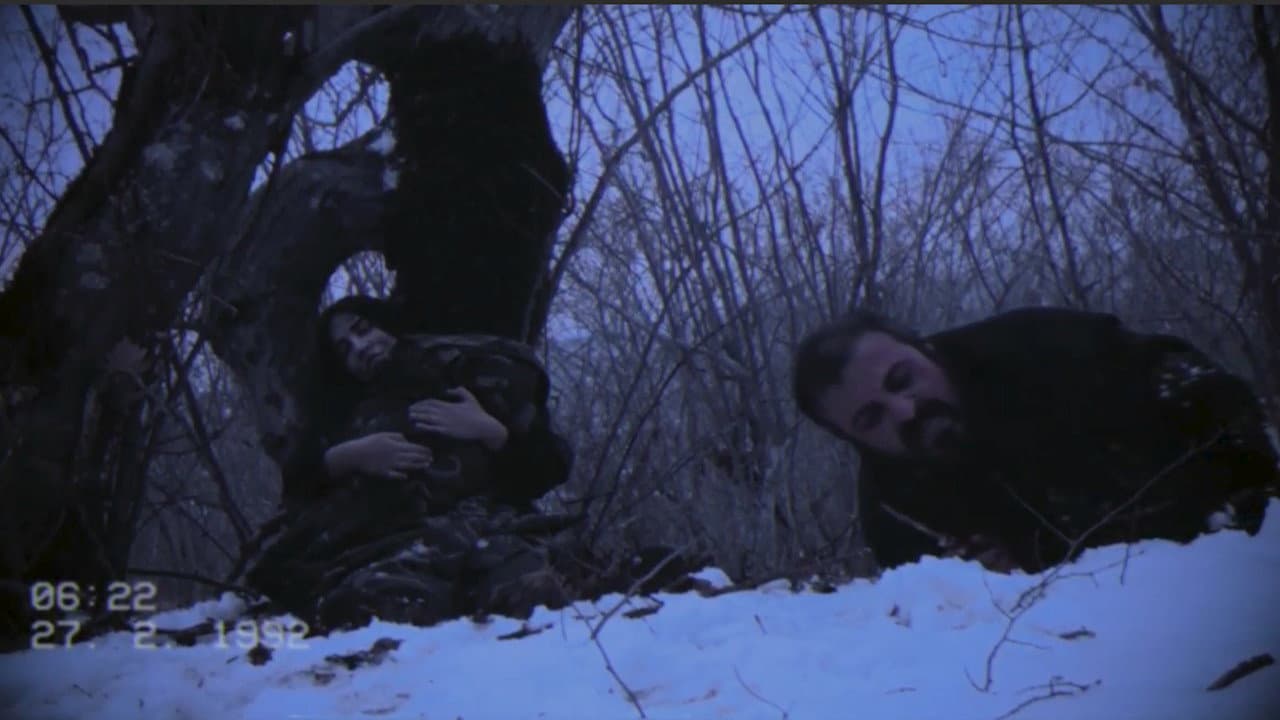
Paper Grave
War
The film tells the story of innocent Azerbaijanis who died during the Khojaly genocide due to the closure of roads by Armenian terrorists and whose names are unidentified due to the collection and cremation of their bodies.
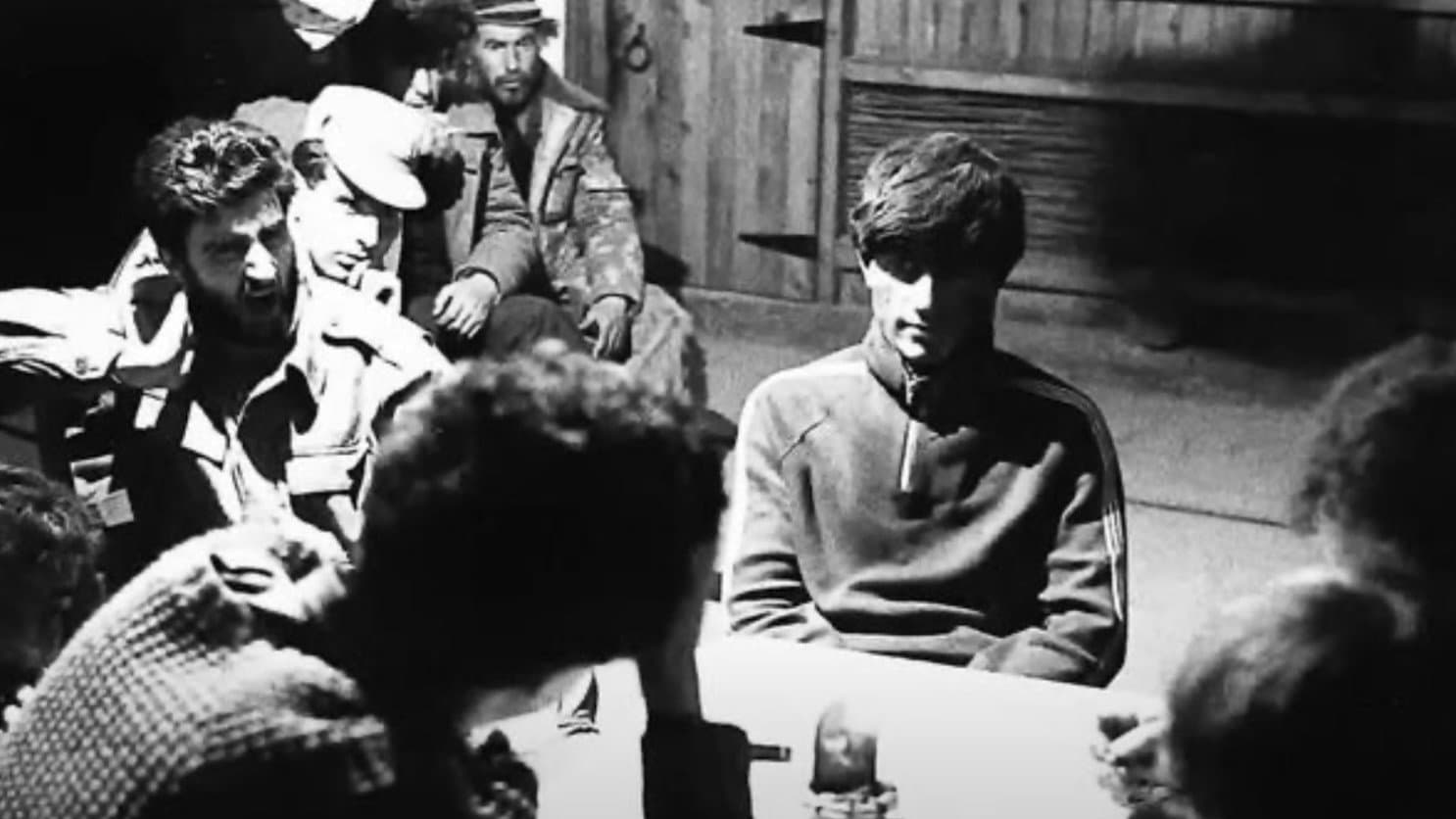
The Son
DocumentaryWar
Using unpublished photos taken by Italian war photographer Enrico Sarsini, and the reconstruction of key events, this film examines the battle for a strategically-located church that was defended by Azerbaijani teenager Natig Gasimov. After his surrender and interrogation by Armenian forces, he was never heard of again. This film finds out what happened to Natig and who may be responsible. Filmed over a period of three years, filmmaker Karan Singh spoke to witnesses in Armenia, Azerbaijan, Italy and Russia in his search for the truth.