
Tv Movie
Vánoční království
FantasyFamily
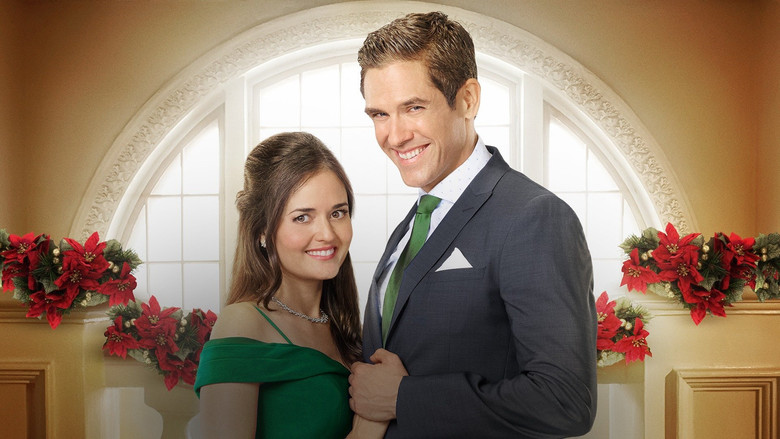
A fairy tale for hearing-impaired children and their parents, performed by deaf actors in sign language. The deaf community has enjoyed significant support from Czech Television for many years thanks to interpreted programs and closed captioning. This year, the magazine Televizní klub neslyšících (Deaf Television Club) is celebrating its 35th anniversary. The creators of this club program have therefore decided to dedicate this year's final episode to deaf children and their parents. The result is the fairy tale Vánoční království (The Christmas Kingdom), performed by deaf actors in sign language, a fairy tale that is understandable not only to the hearing impaired, but thanks to dubbing, will appeal to all children. Above all, it shows that even hearing-impaired people have a sense of humor, are great actors, and can delight anyone who loves cheerful stories and a fairy-tale atmosphere. It shows that the worlds of the deaf and the hearing are closer than many of us think.

Night of 100 Stars
ComedyMusic
The most glittering, expensive, and exhausting videotaping session in television history took place Friday February 19, 1982 at New York's Radio City Music Hall. The event, for which ticket-buyers paid up to $1,000 a seat (tax-deductible as a contribution to the Actors' Fund) was billed as "The Night of 100 Stars" but, actually, around 230 stars took part. And most of the audience of 5,800 had no idea in advance that they were paying to see a TV taping, complete with long waits for set and costume changes, tape rewinding, and the like. Executive producer Alexander Cohen estimated that the 5,800 Radio City Music Hall seats sold out at prices ranging from $25 to $1,000. The show itself cost about $4 million to produce and was expected to yield around $2 million for the new addition to the Actors Fund retirement home in Englewood, N. J. ABC is reputed to have paid more than $5 million for the television rights.
The Hunt
DramaTV Movie
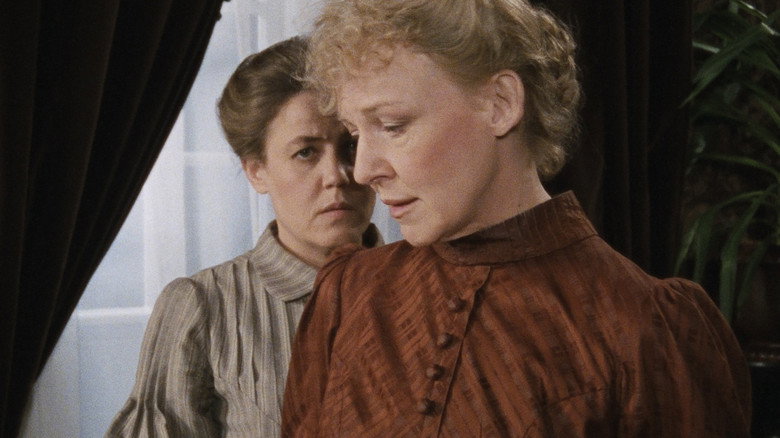
A story of love, sex, seduction and violent death, set against the backdrop of a battle amongst the hunting fraternity. Sarah Campbell is a woman ostracised by the village she moves to after she bans the local hunt from using her land.
We Must Love
DramaTV Movie
The film tells about the people who built a full-flowing river in the very heart of the Black Desert — the Karakum Canal, linking the waters of the Amu Darya and the Caspian Sea. Life and work in the desert are far from easy, yet the film focuses not on the harshness of everyday life but on the moral atmosphere within the working collective.
Valaki
ComedyTV Movie
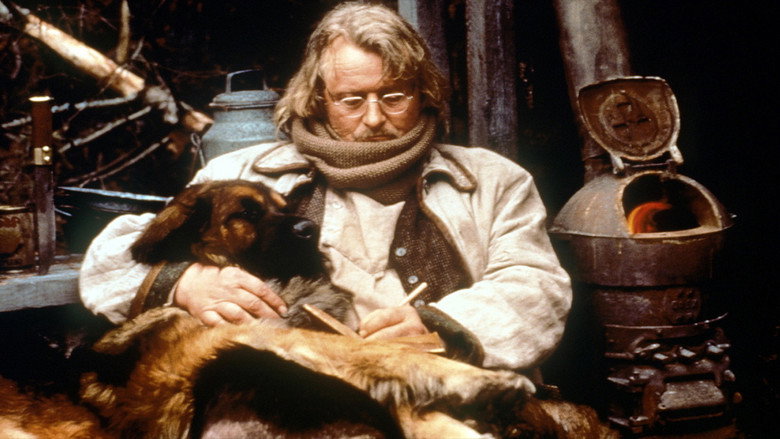
A TV play based on the play written by Ferenc Molnár in 1931.
Goodbye to the Goat and the Bicycle
FamilyComedy
A wistful, whimsical look at life in a mountainous Ossetian village through the eyes of a boy who lost his father in WWII.

Bombin'
DocumentaryTV Movie
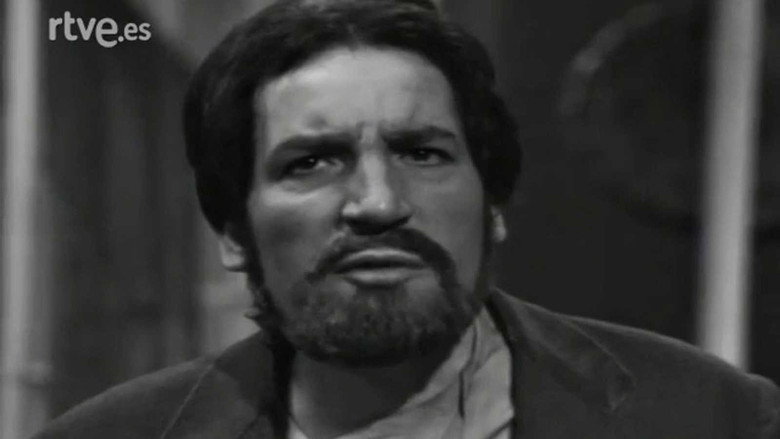
First broadcast in 1987 on the UK's Channel 4, Bombin' is a documentary about Afrika Bambaataa's Zulu nation bringing American hip-hop culture to the UK for first time. The main focus is the graffiti art of Brim and the variety of reactions he is faced with from the British public and press.
The Birthday of Teresa
DramaTV Movie
About the heroism of the Cuban people, who defended the freedom of their homeland. The action takes place in 1961 during the armed invasion organized by the USA, carried out by Cuban counter-revolutionaries in the area of Playa Girón.