
Tv Movie
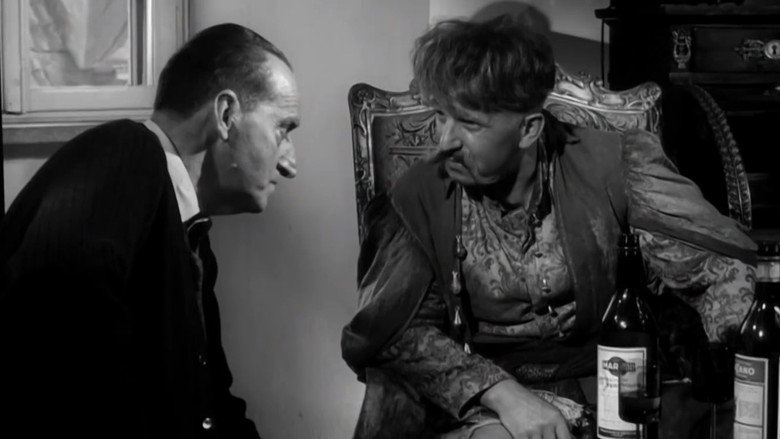

A halálügyész
TV MovieHistory
The Death Prosecutor (...) [focuses] on a significant court case in the period of the post-1956 retaliations, through the true story of a newly graduated prosecutor, Endre Grátz. https://english.nmhh.hu/article/195551/Online_media_has_gained_ground_as_a_source_of_information_on_the_Hungarian_parliamentary_elections
The Signal
ComedyDrama
An actress goes to Canal Siete's studios to act on a TV version of Chéjov's "The Seagull". As the leading actor doesn't appear, an assistant must take his place.
Tena
HistoryRomance
Tena, a young Slavonian woman becomes aware of her own beauty which makes her fall into a state of moral decay. Her newly discovered promiscuity eventually makes her fellow villagers turn on her.

The Counterfeit Coin
DramaTV Movie
A television play based on the eponymous play by M. Gorky.
A Happy Accident
ComedyRomance
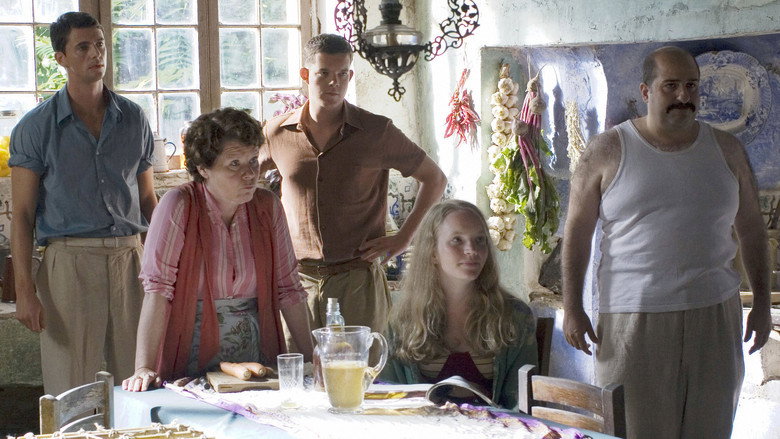
It was Christmas time. Three friends - a newspaper reporter, a bass player, and a lawyer - were on their way to visit someone. After buying gifts, they rushed to the train station. However, there were no seats available in the first-class compartment. In the second-class compartment, they found a lady sitting alone. However, the lady refused to let them enter the compartment. The friends decided to play a prank on the lady and took her to the train station to find out if her belongings were in the compartment. As a result, they had to pay for the lady's carriage and were unable to catch up with the train. The lady, who had seemed scandalous at first, turned out to be very nice and invited them to her house for Christmas.

Uncle Frank
DocumentaryTV Movie
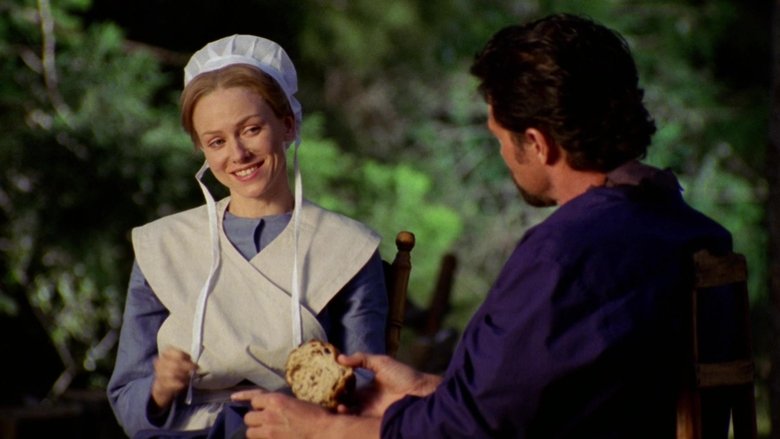
Tragicomic documentary where director Hans Heijnen searches for the Dutch emigrant in foreign parts. The film focuses on a Southern-Limburg clan in California and shows how this small group stays loyal to the Dutch-Limburg traditions and habits. In the spirit of the long-gone 50s the emigrants visit the church every Sunday and arrange a weekly night of cards. Many things they are attached to do not exist in America, and tragically also not anymore in the country they left behind.
Long Vacation
TV Movie

The Petty Bourgeois
TV MovieDrama
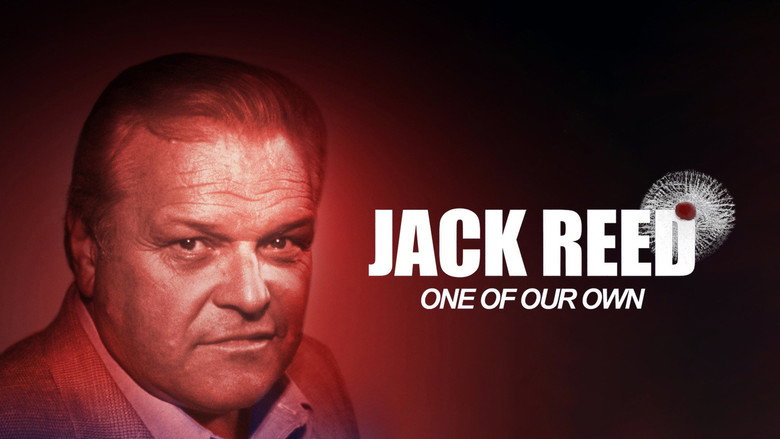
Theatre adaptation of Maxim Gorky’s timeless drama first published in 1901, about narrow-mindedness, exclusivism, containing one’s self in some arbitrary, imaginary borders, strict divisions… All these traits help to define the various situations and human relations within the text.