
History
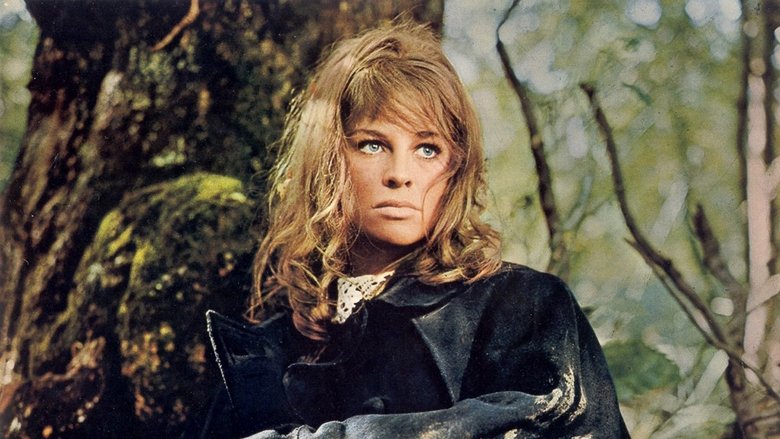
Não Sei Qual Cidade se Passa aos Olhos Dele
DocumentaryFamily
Black Shark
ActionHistory
The film takes place during the Afghan war in an area where, by agreement of the warring parties, no military action was conducted. Taking advantage of this convenient circumstance, local mafioso Karakhan secretly built a drug factory here. US intelligence agencies find out about this and begin an operation to seize the factory. However, Karakhan's fighters are well trained and armed, they repel all attacks. But the American soldiers get an assistant: an unknown person destroys drug caravans and blows up the houses of Karakhan's partners...
Bokyo
DramaHistory
In 1940, Kubota Shoten, which has been in business for generations, goes bankrupt due to the debauched lifestyle of its president, Kunimitsu Kubota. Subsequently, Kunimitsu moves back to his hometown and his children are sent to live with other relatives.
Bangla
DramaFamily
Story of a mute girl against the backdrop of the 1969 mass uprising.
Ege Kahramanları
WarHistory
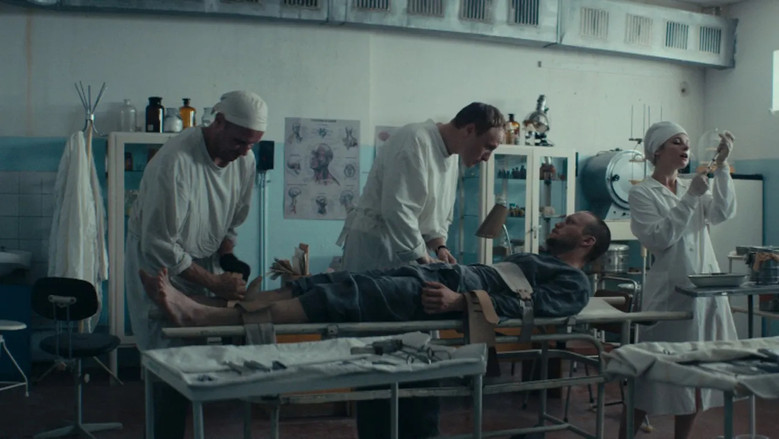
¡Ué... Paisano!
HistoryMusic
The story revolves around the relationship of Italian immigrants and Argentines. Nostalgia for his country of origin and life in a strange country. It is a call for the union of immigrants that evokes sentimentality. The film conveys the sensation of the musician, whom an Italian immigrant listens to, and feels "understood and unconditionally loved"
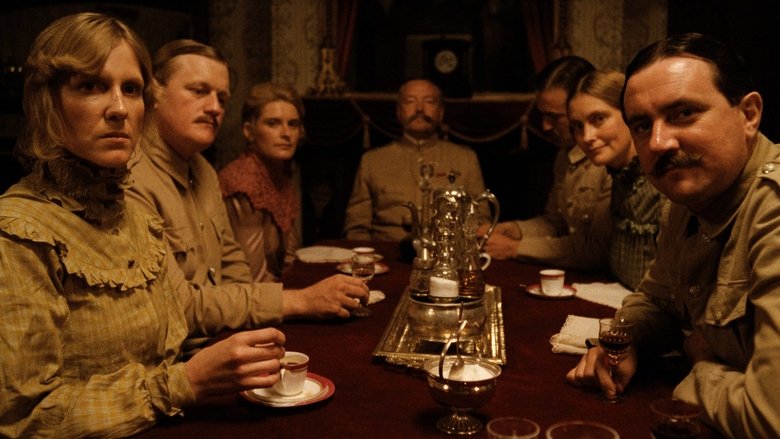
Legenda Kaling
HistoryAction
The story of a warrior in Sarawak.
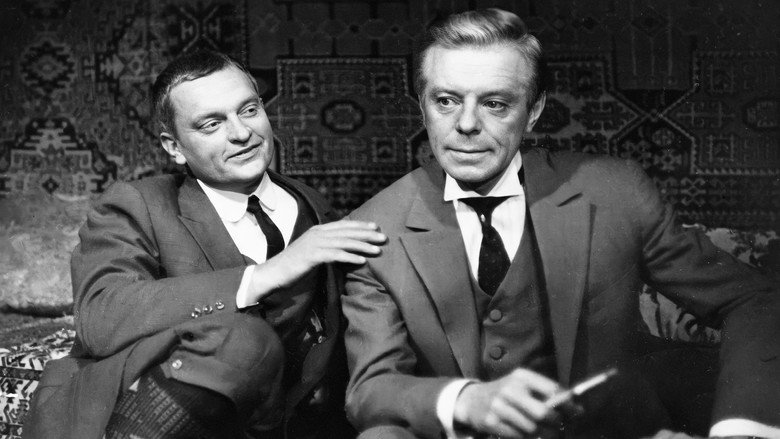
Noise of Time
DramaHistory
A biopic about Soviet composer Dmitry Shostakovich.


Karina
HistoryDrama
A film about the incredible story of Karina Chikitova. In August 2014, a three-year-old girl disappeared, but she was not immediately missed: people assumed she had left with her dad, who lived in a neighboring village. Only on the third day was it revealed that her dad had not picked her up. The village searched for her for 12 days and found her alive, thanks to a faithful friend — a puppy. In honor of Karina and her dog Naida, a monument was erected at the Yakutsk airport, and a book published called "Karina. 12 Days in the Taiga." This story dramatically changed the life of a little girl from a tiny village and her family. Today she is already 12 years old and studying at a ballet school.
Der Rückweg
DramaHistory
A beach outside Leningrad in the winter of 1941: two women, mother and daughter, make their way back to the city with a handful of meat. The meat could be both of their salvations from starvation - had the daughter not already devoured it. During a long walk back to the city, the women's relationship is put to the test.
Un arma cargada de futuro
DocumentaryHistory
This documentary addresses the debates on culture and the diverse experiences that emerged in the 1960s and 1970s, gathered around the PRT-ERP (Revolutionary Workers' Party - People's Revolutionary Army) in the heat of the revolutionary struggle of the time. Important figures such as Raymundo Gleyzer, Haroldo Conti, Vicente Zito Lema, María Escudero, Daniel Hopen, Roberto Santoro, and Nicolás Casullo, among others, were protagonists of new experiences expressing themselves both in art and in other areas of intellectuality.