
History
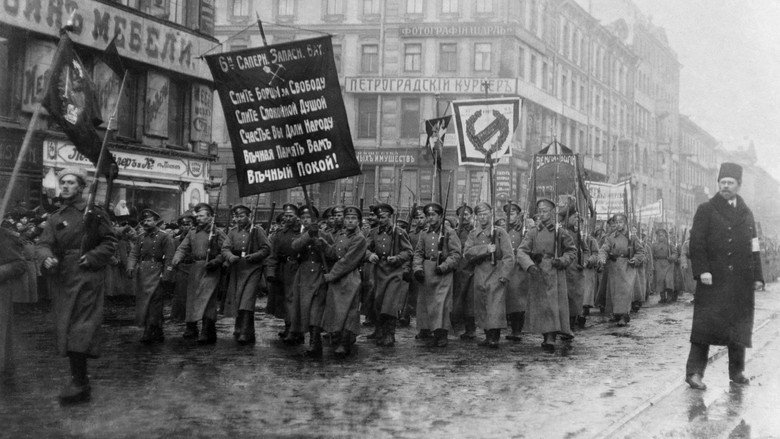


Alias Loner
DramaHistory
Based on true events that took place in the vicinity of Līvāni in 1945 after Soviet re-occupation. Catholic priest Antons Juhņevičs, serving in the Vanagi parish, hid local men on church premises so they could escape conscription into the Red Army. Finding himself in conflict with the ruling power due to his convictions, he was forced to take a radical step.
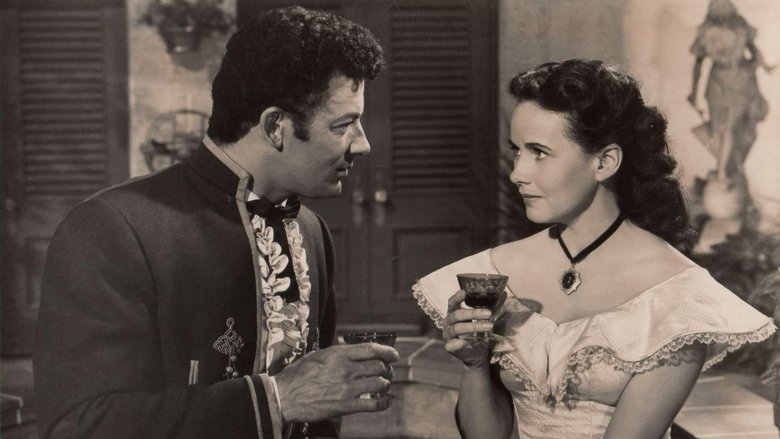
July 11
HistoryWar
Civil war. Polish interventionists approach Berezina. The Red Army temporarily leaves Belarusian lands. Partisan detachments are organized, one of which is led by Bolshevik Stepan. His brother, who is in collusion with Polish spy Kapusta, is also in this detachment. With Kapusta's help, Polish lancers who have appeared in the village reach the partisan camp and capture the headquarters. Yanko manages to warn the headquarters about the movement of the White Poles, and the partisans are forced to retreat through impassable swamps. They manage to escape and join the Red Army, which occupies Minsk on July 11.
Wheel of Fire
DramaAction
The film shows the hard life and labor disputes of urban workers, as well as the harsh reality of Koreans during the Japanese occupation.

Your Hands
History
A propaganda film made while Latvia was occupied by Nazi Germany in the 1940s. A party of a wealthy socialite is disrupted by a friend's friend who's come along and turns out to be a soldier. The socialite starts wondering whether she could lend a hand to the war effort.
Baku's People
DramaHistory
The film is about the revolution which began bacause of dissemination of Bolshevik ideas among workers.
Basanti
HistoryDrama
Basanti is a historical love story based on the novel by Diamond Shamsher. It depicts the story of a girl along with the accounts of the historical events during the time of Junga Bahadur Rana, the first Rana Prime Minister of Nepal.





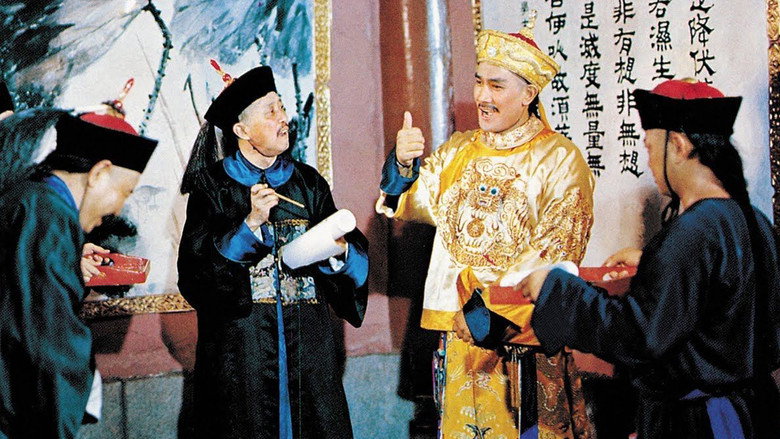

Héroïnes
HistoryDrama
In 1940 Claude Cahun and Marcel Moore, two lesbian and Jewish artists, move from Paris to Jersey island to escape the Nazi persecution. Threatened by the arrival of German troops on the island too, resist. Armed with a 8mm camera, they create an army of "nameless soldiers" who panic the Nazi machine. A film about love, passion for art and the resistance of two heroines who challenge totalitarianism with the power of the imagination; a work that supports the radical flair of its protagonists by resorting to divergent narrative and stylistic registers, juxtaposing the analog creaks of surrealist ascendancy with more "contemporary", muscular, punk-looking forms of subversion typical of genre cinema.
Tumangan River
DramaHistory
A screen adaptation of the first part of the eponymous trilogy by Lee Gi Young about the national liberation struggle of the Korean people against the Japanese invaders in the late 19th - early 20th centuries.