History
Sogdiana
History
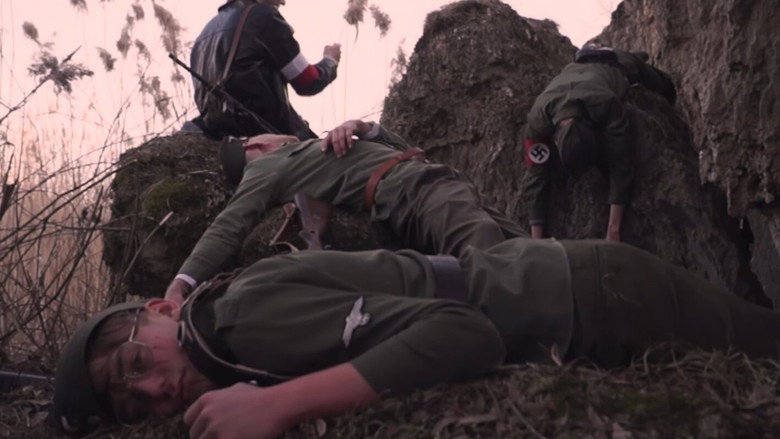
The second film from the Call of the Ancestors dilogy. The film tells about a dramatic episode of the struggle of the Central Asian state of Sogdiana against the Arab troops camped at the walls of Samarkand at the beginning of the 8th century.
Rohingya - People from nowhere
DocumentaryAdventure
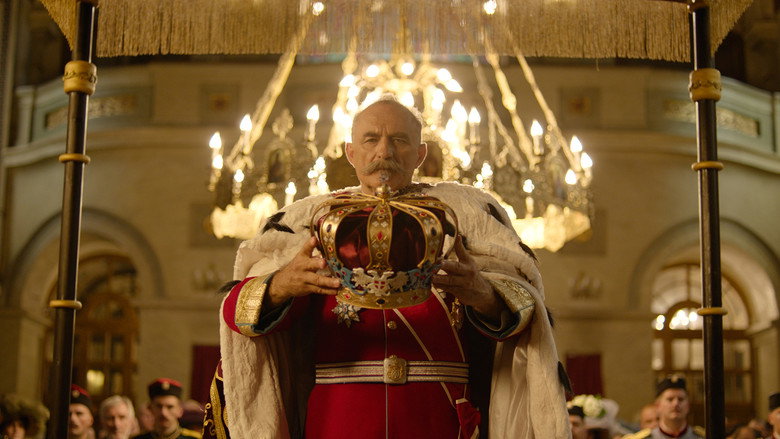
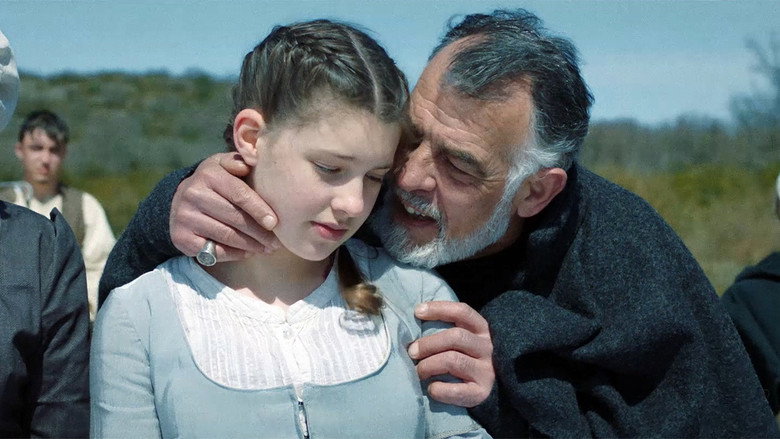
A true story, interwoven with a fictional poignant love story between a Rohingya girl and an Indian Special Forces Officer. It focuses on the peril, uncertainty, betrayal and misery of life in the Rohingya refugee camp.

The Samurai and the Secret of the Flower
HistoryAction
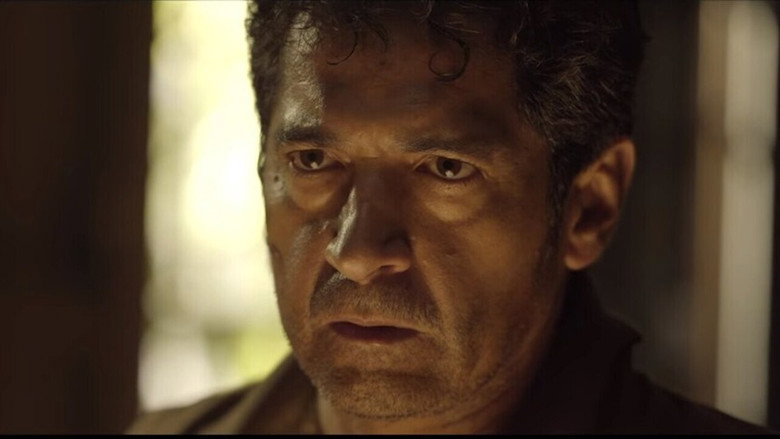
During Ienari Tokugawa's period. Hanakurabe (a playful competition of poetry with flowers in this period) was held to please Shogun (General), and Shiroshobu of the Date family and Higoshobu of the Hosokawa family competed with each other. As a result, the Hosokawa family won and Yahei Tabuki of the Date family killed himself. At the funeral, a beautiful woman (Hibiko Maya) appeared in front of Yahei's son, Yazyuro (Tsuyoshi Kato). The woman said, "I am a woman of the Hosokawa family, and the person who killed your father" and left. To revenge father, he became "Hanaonmitsu" to make a better flower than Higoshobu.
A Season of Giants
DramaHistory
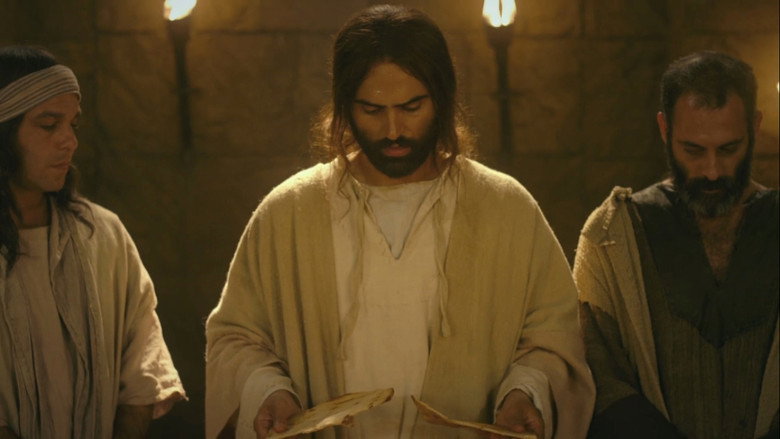
At the turn of the sixteenth century, Michelangelo (Mark Frankel), Raphael (Andrea Prodan), and Leonardo Da Vinci (John Glover) create their masterpieces, while dealing with religious persecution, political turmoil, and the discovery of America.

Jealous White Men
AdventureComedy
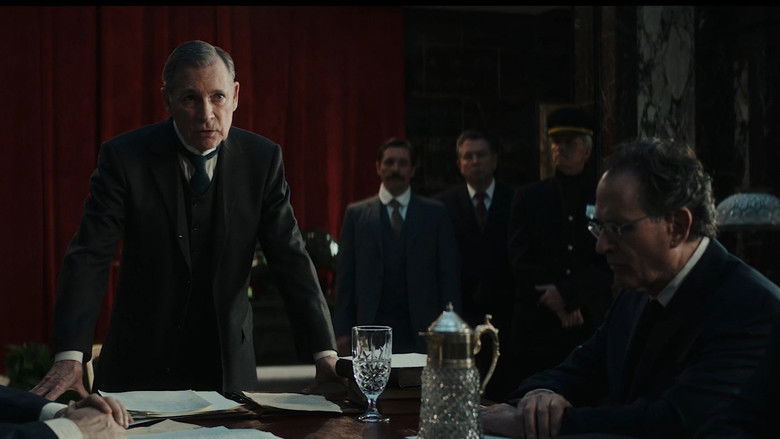
A wild, tragicomic adventure that satirizes history through dueling narratives by Jules Verne and his wife Honorine, each recounting young Charles Darwin’s journey to the Galápagos — a voyage teeming with pirates, pink iguanas, and a riotous mix of chaos, discovery, and revolt.

Legend of King 2
ActionRomance
No Word For Worry
AdventureDocumentary
As a sea nomad, Hook grew up with the ocean as his universe. Now he must make a courageous voyage to salvage the remains of his dying culture
Monna Vanna
DramaHistory