
History


The Poet
DramaHistory
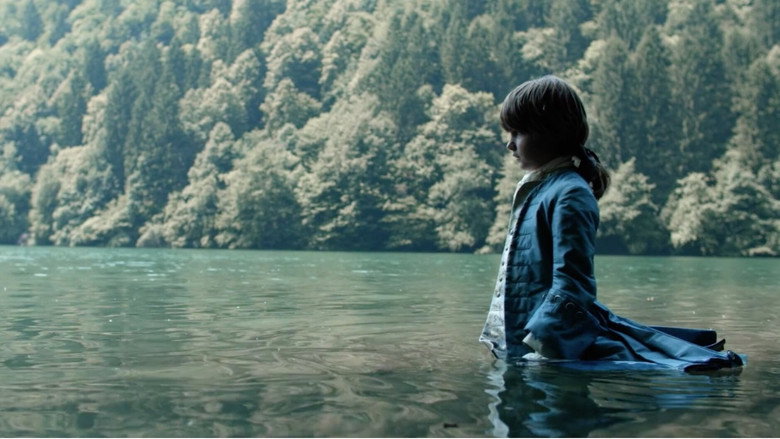
The film is dedicated to the memory of the great Azerbaijani poet Muhammad Fuzuli by the relic-gazalakh, and the lyric poet Aliaga Vahid. The poet's life is presented in chronological order. The authors do not clearly indicate the names of the people who covered Vahid. They tried to create a generalized artistic image using some of the master poet's masterpieces from his difficult life.
Siti Zubaidah
DramaHistory
Siti Zubaidah is based upon the 19th century poem 'Syair Siti Zubaidah Perang Cina'. It centers on Siti Zubaidah, the wife of Sultan Zainal Abidin, who is left defenseless after her husband is taken hostage by a Chinese empress. She eventually allies herself with Princess Rukia of Yunnan, who had fled her own palace under threats of sexual assault. Taking matters into their own hands, they adopt male identities and lead a military conquest across China to rescue the Sultan. Directed by B. N. Rao and starring Maria Menado, the Cathay production borrowed from both of its niches at the time: the film language and costume styles of Malay cinema and Chinese wuxia films, resulting in an imagined reality fusing both visual cultures. At the core of the myriad garbs, armour, accessories and makeup donned by the characters, the tale chronicles the adoption of transformative identities to overcome adversity, enact justice and revenge.
The Principality of Serbia
DocumentaryHistory
The main plot of the film "The Principality of Serbia" was put in the first seven decades of the nineteenth century when the state was being formed and strengthened together with its historical fate. This film shows the Serbs as people who fought during the two Risings while trying to liberate by themselves hardly and for a long time. It also shows how they hardly got the recognition to their liberty and the international recognition to the right to have their own state.
That Was Ray
DocumentaryHistory
In San Francisco during the 1970s, Rev. Ray Broshears took to the streets to do the job the police wouldn't, forming the Lavender Panthers, an armed self-defense group. In interviews with Ray's friend Elisa Rleigh, and author Jim Van Buskirk, That Was Ray shows how violence was met with violence to defend the community that many fought and died for.




Mao Zedong in 1925
HistoryDrama
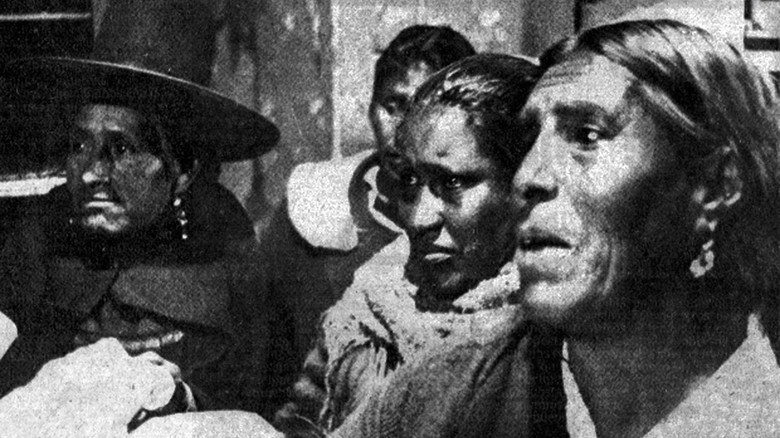
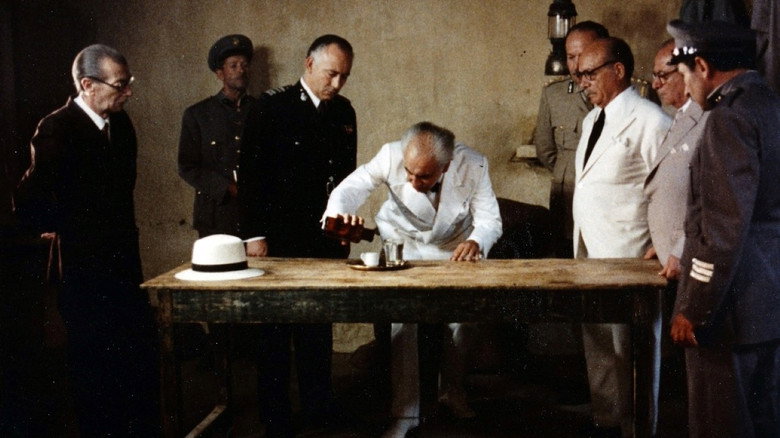
In 1925, Mao prepares his hometown for the coming revolution and promotes socialist programs in the countryside despite the opposition of the local landlords.

Bolond Istók
HistoryTV Movie
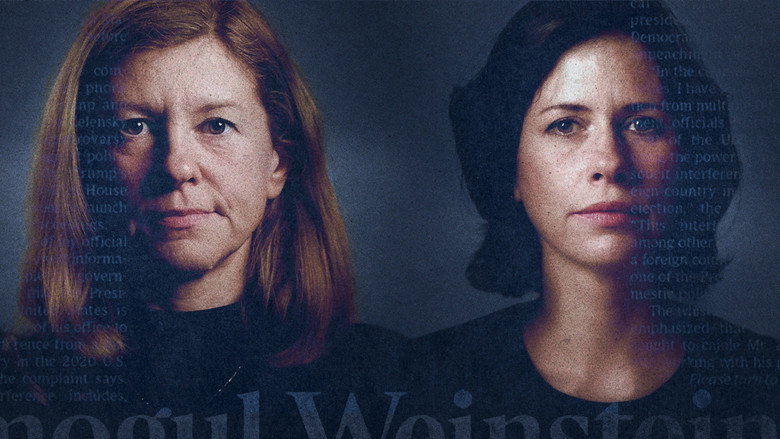
János Arany was nineteen years old when he left the Reformed College in Debrecen and became a travelling actor. He is stubbornly silent about this period in his memoirs, and he is already over fifty by the time he first puts his acting adventure on paper in his unfinished poem novel, Foolish Gods, calling himself Istók.The film by Gábor Rohonyi and Georgina Hegedűs, starring Ágoston Liber, depicts the lesser-known but all the more adventurous early years of one of the most important figures in Hungarian literature, mixing the story of his growing up with romantic elements and the road movie genre.
Dzieła utracone: Diana
DramaHistory
Halcones: State Terrorism
DocumentaryHistory
Testimonies of surviving students and film and photographic material to reconstruct the events of the so-called Corpus Thursday Massacre or 'Halconazo'