
History

Footprints
DramaHistory
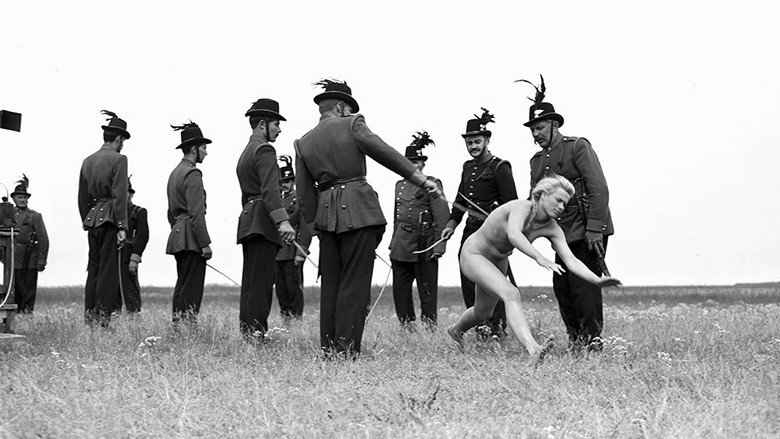
This early short by Jaromil Jireš anticipates the formal and stylistic experimentation that would characterize VALERIE AND HER WEEK OF WONDERS.
Fall of the Shogun's Militia
History
Kondo Isami, the “Devil” commander of the Shinsengumi was one of Japan’s greatest national heroes and a peerless swordsman who devoted his life to protecting the shogun and fighting on the side of the Tokugawa. This tells the story of the Shinsengumi starting at the moment of their greatest triumph through the final battles as the Tokugawa shogunate was brought down.
State Border: Vol. 6. Beyond the Threshold of Victory
DramaWar
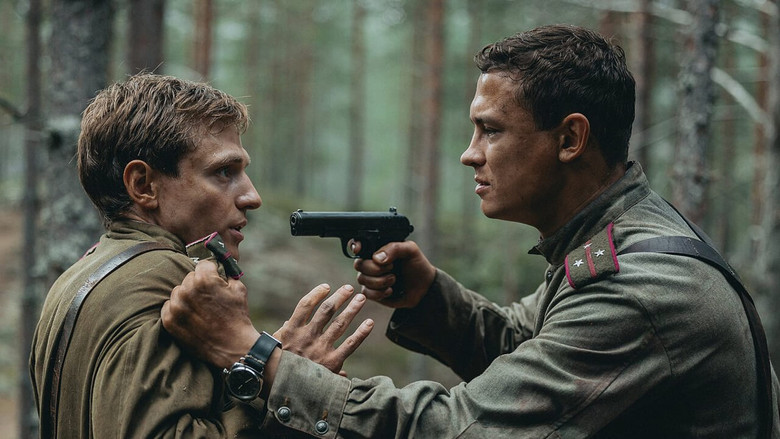
In the border zone of the Soviet-Polish state border, gangs of the Organization of Ukrainian Nationalists operated. Captain Olkhovik was given the task of infiltrating the OUN gang.
Taghiyev: School
HistoryDrama
August 1922. Jerry Thompson, filled with respect, prepares to hear Haji’s story. May 1901. Haji Zeynalabdin Taghiyev works on opening the first school for Muslim girls in Baku, with support from his wife Sona. Cleric Akhund Abu Ziyad opposes the idea, sparking public debate. Reformers — Hasan bey Zardabi, Alimardan bey Topchibashev, Ahmed bey Agaev, and progressive clergy led by Mirza Abuturab — support education. The conflict escalates to attacks on teachers. Haji changes strategy and sends a representative abroad. He returns with approvals from major Islamic centers, confirming girls’ right to education. Victory is Haji’s. In October 1901, the school opens.


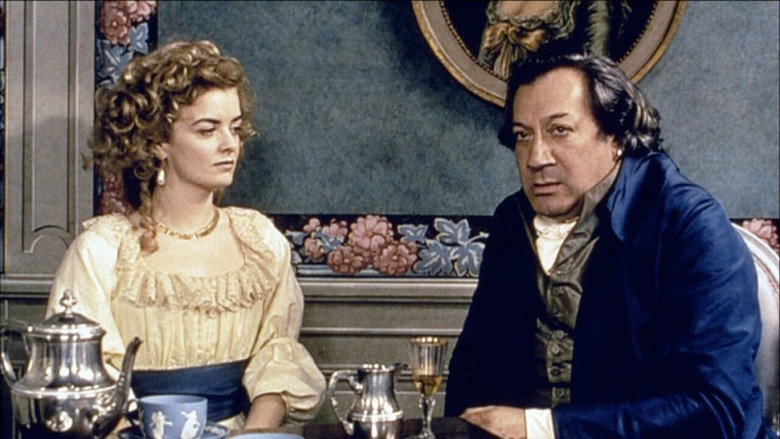


უღმერთოთა ღამე
DocumentaryHistory

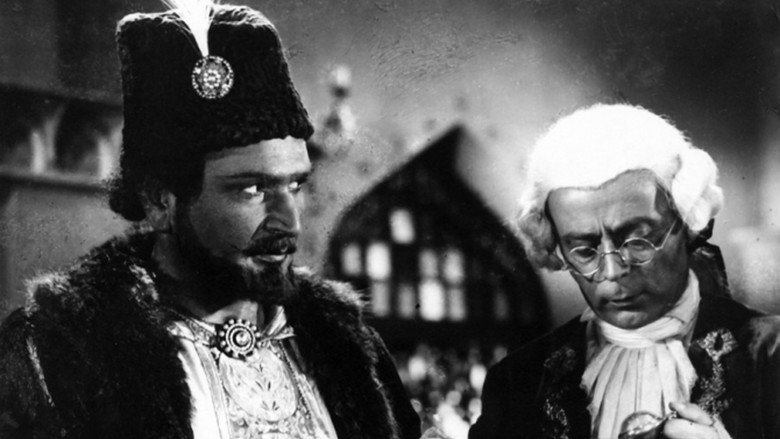


The Boots on the Western Front
WarHistory
An anti-war short film that showcases the horror of modern warfare and its toll on the human psyche as seen in the 1930 Best Picture winner at the 3rd annual Academy Awards All Quiet on the Western Front. The film is paired with a reading of Rudyard Kipling's 1903 Anti-War poem Boots.