History
Tears of the Dragon
DramaHistory
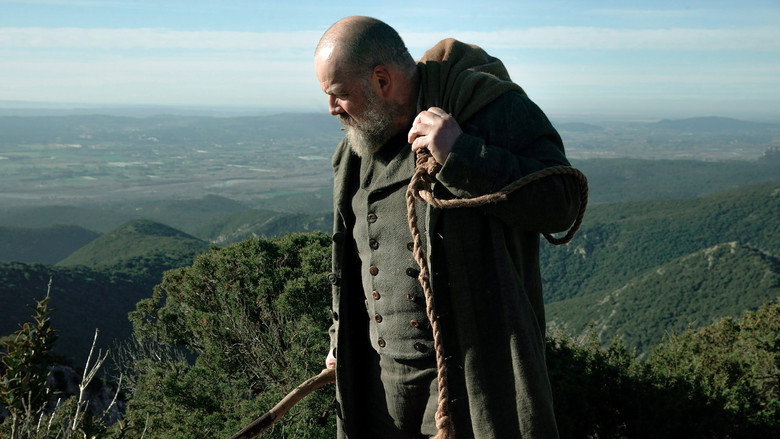
Khan Suranzan always revered the Flame Dragon and brought him gifts on the shores of Lake Baikal. But one day the dragon became angry and deprived little Galshi, the Khan's only heir, of his mind. The young man grew up kind, but stupid... The Khan decided to find a wise wife for his son, but then his enemies rose up. Both his own and others. Will Khan Suranzan cope with his enemies, will anyone love Galshi, and what is the secret of the dragon's tears?
Ono
DramaComedy
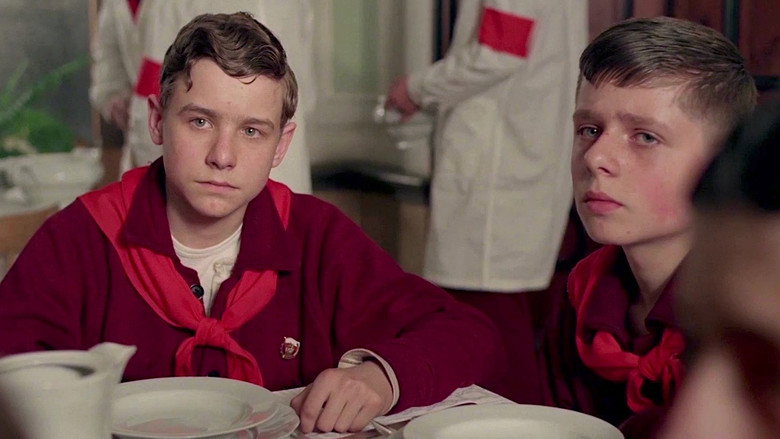
The bureaucratic epos on the dialogues and plots of Mikhail Saltykov-Shchedrin "The History of a Town". In a metaphorical and grotesque form, the film conveys the history of Russia from the calling of the Varangians until the end of the 20th century. The film traces the change of the “chiefs” of the county town of Glupov, which differ in varying degrees of tyranny and the corresponding total number of “killed” city residents. The heads of the city easily guess the former heads of the Russian state and the USSR.
The Vicar of Vejlby
HistoryDrama
A tale of murder and marriage in 1625 Denmark.