History
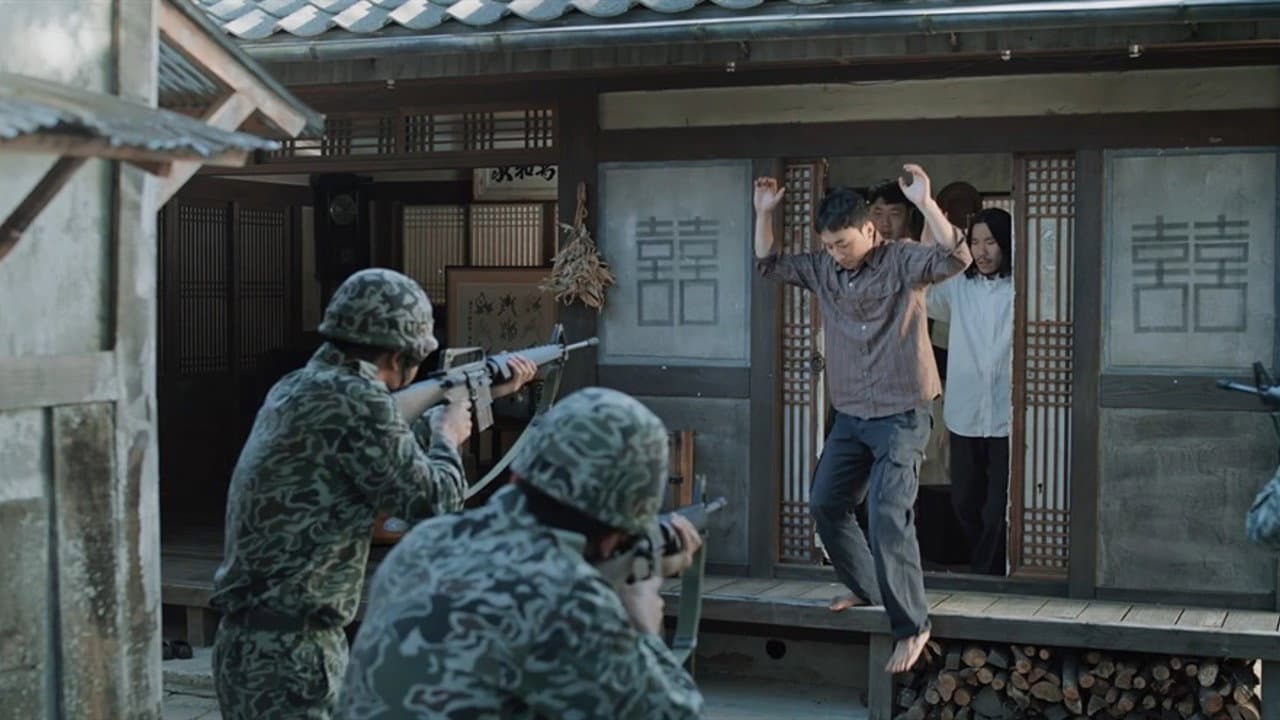
The Prisoner of the Iron Bars
DocumentaryHistory
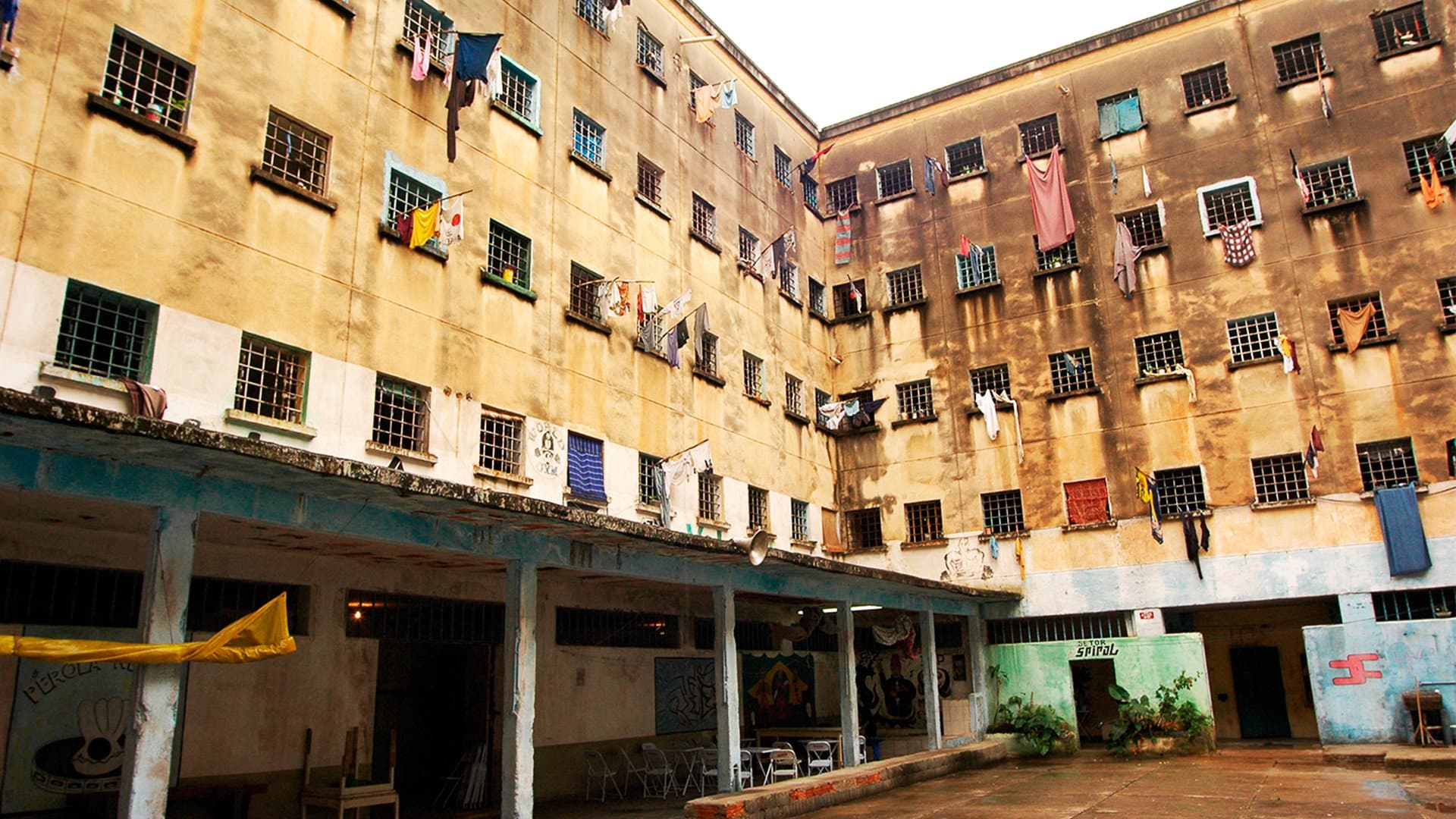
In 2002, the greatest prison in Latin America, Complex Carandiru, was demolished. A couple of months before its implosion, director Paulo Sacramento trained some inmates and together with his crew, they produced many hours of footage, showing daily life in prison.
Moscow 1996, Vote or Lose!
DocumentaryHistory
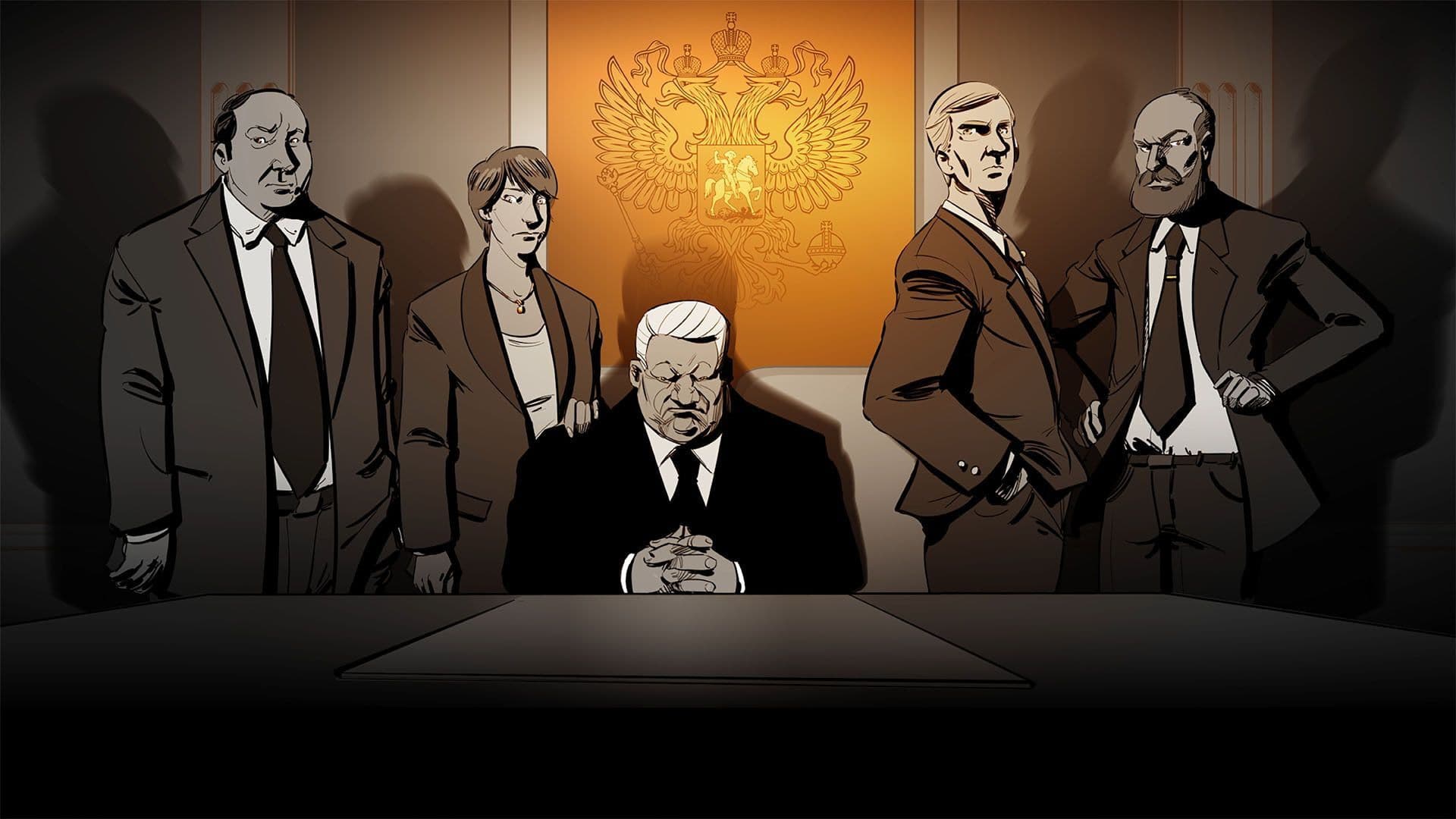
Moscow, January 1996. Boris Yeltsin gets ready to run for a second mandate of the presidency of the young Russian Federation. Polls are in the single digits. A painful economic transition, war in Chechnya, and the rise of criminal groups have left the majority of Russians dissatisfied with Yeltsin… and willing to vote for the communist leader Gennady Zyuganov. Yet six months later, Yeltsin won the election with nearly 54% of the vote. How did that happen?

The Rise and Rise of Bitcoin
DocumentaryHistory
A documentary about the development and spread of the virtual currency called Bitcoin.
Nina's House
DramaHistory
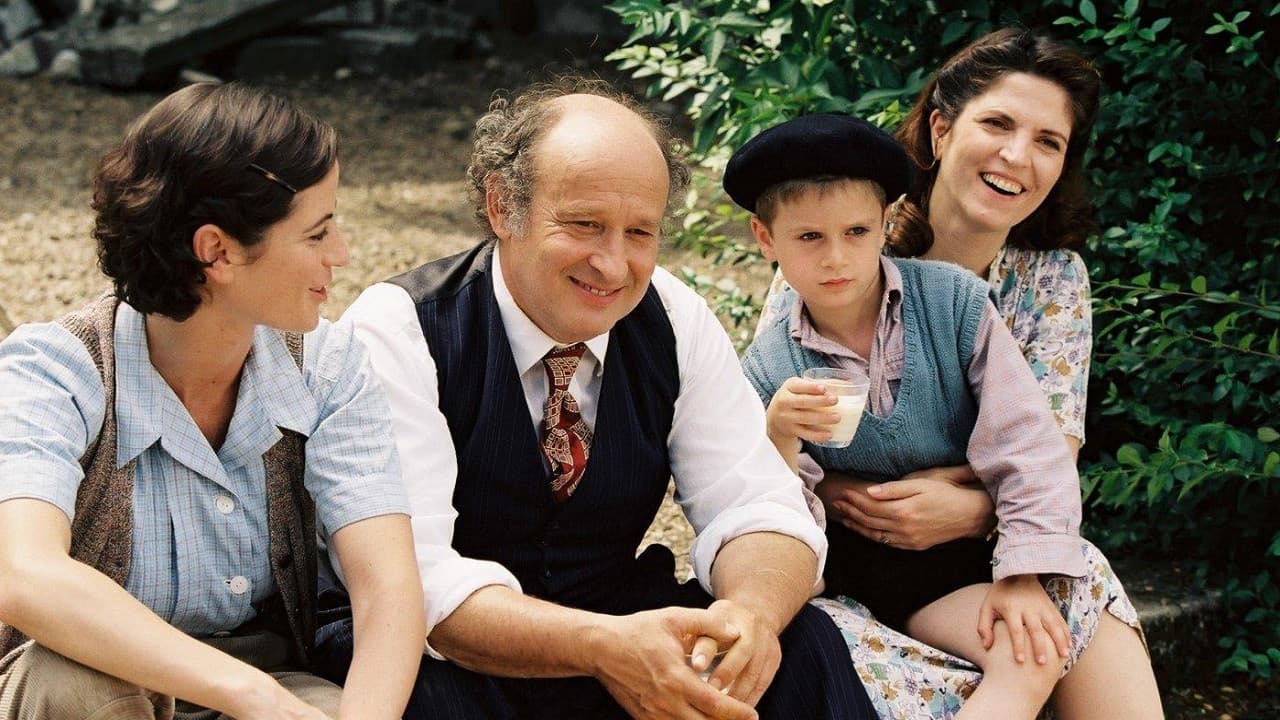
Starting in 1944 in the wake of the Liberation and continuing into the '60s, 'houses of hope' were established to lend a semblance of continuity to youngsters orpahaned by the war. Nina's Home takes place between September 1944 and January 1946 in an orphanage housed in a chateau outside Paris. At the outset, the country residence is run by Nina who has a core population of French Jewish children whose parents are probably dead. Food is scarce. News of the Concentration Camps hasn't hit yet, but some months later, a contingent of youths arrive form the liberated camps. The children are a disparate, wild, damaged group and conflicts ensue. Nina's challenge is to help them make their first delicate moves toward the future and in the process restore all of them, including herself, to life.

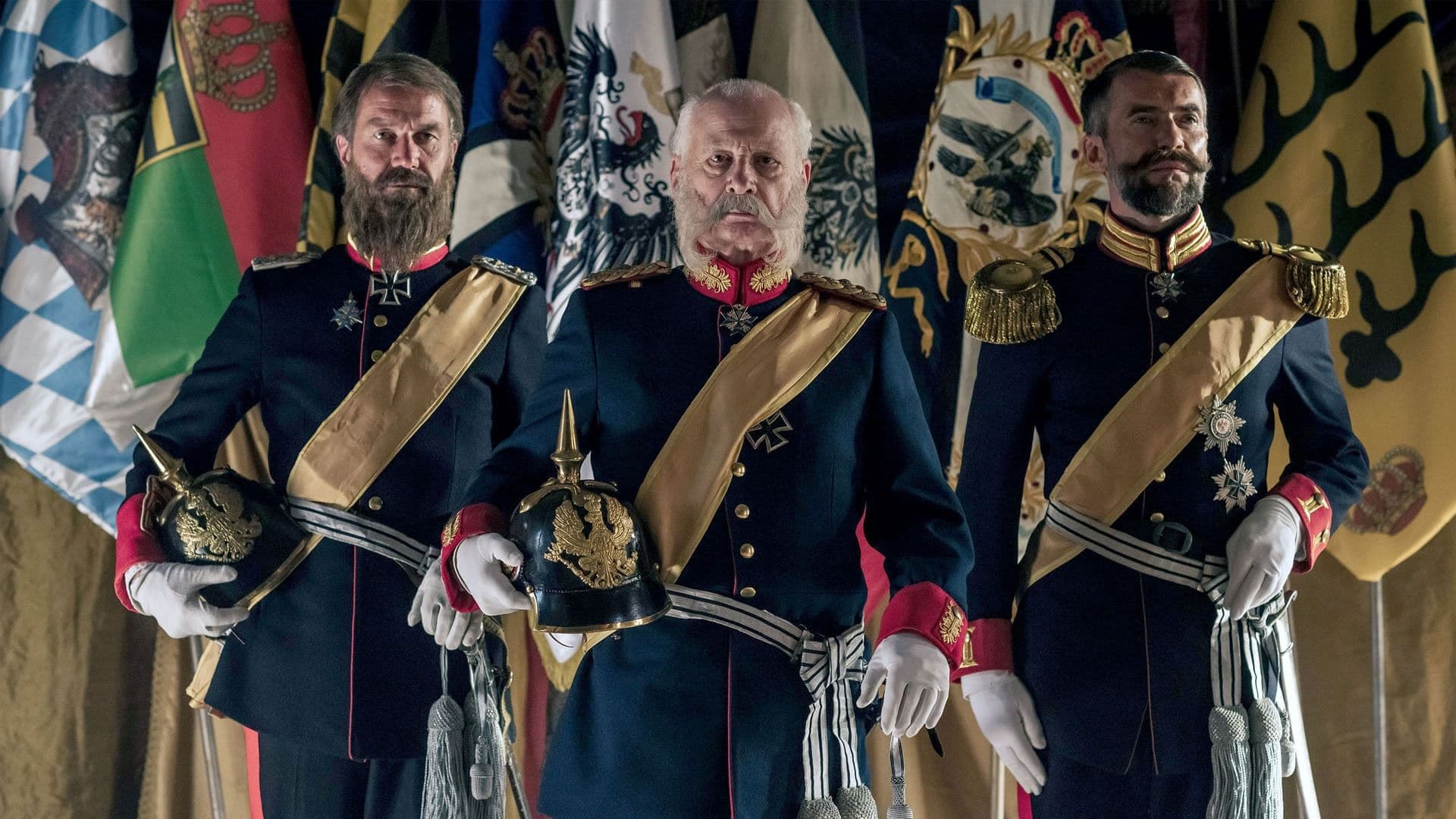
Kaiserspiel
HistoryDocumentary
On operated by Prussian prime minister Otto von Bismarck the German Empire is finally founded in 1871 on the floors of Versailles castle, ancestral seat of the French monarchy.
Charcot: Secret Poles
DocumentaryHistory
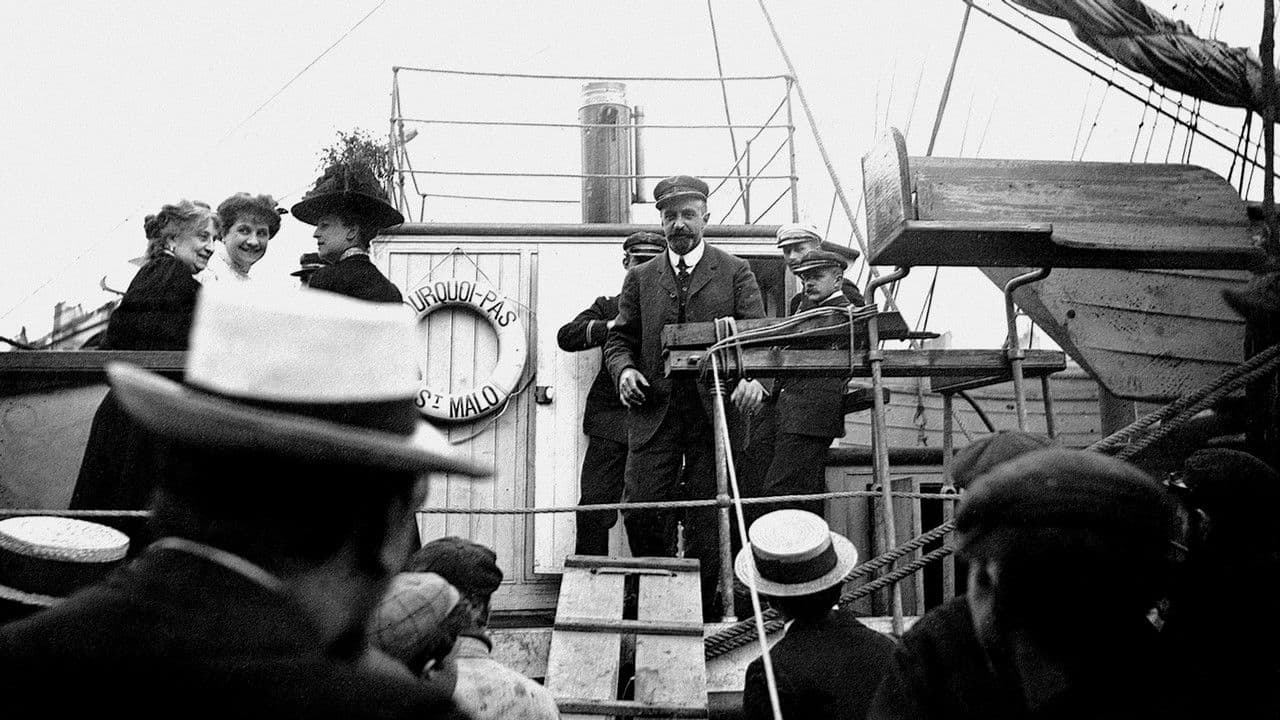
The adventures and exploits of Jean-Baptiste Charcot (1867-1936), an intrepid scientist and explorer who laid the foundations of modern oceanography.
U-96, The True Story of 'Das Boot'
DocumentaryHistory
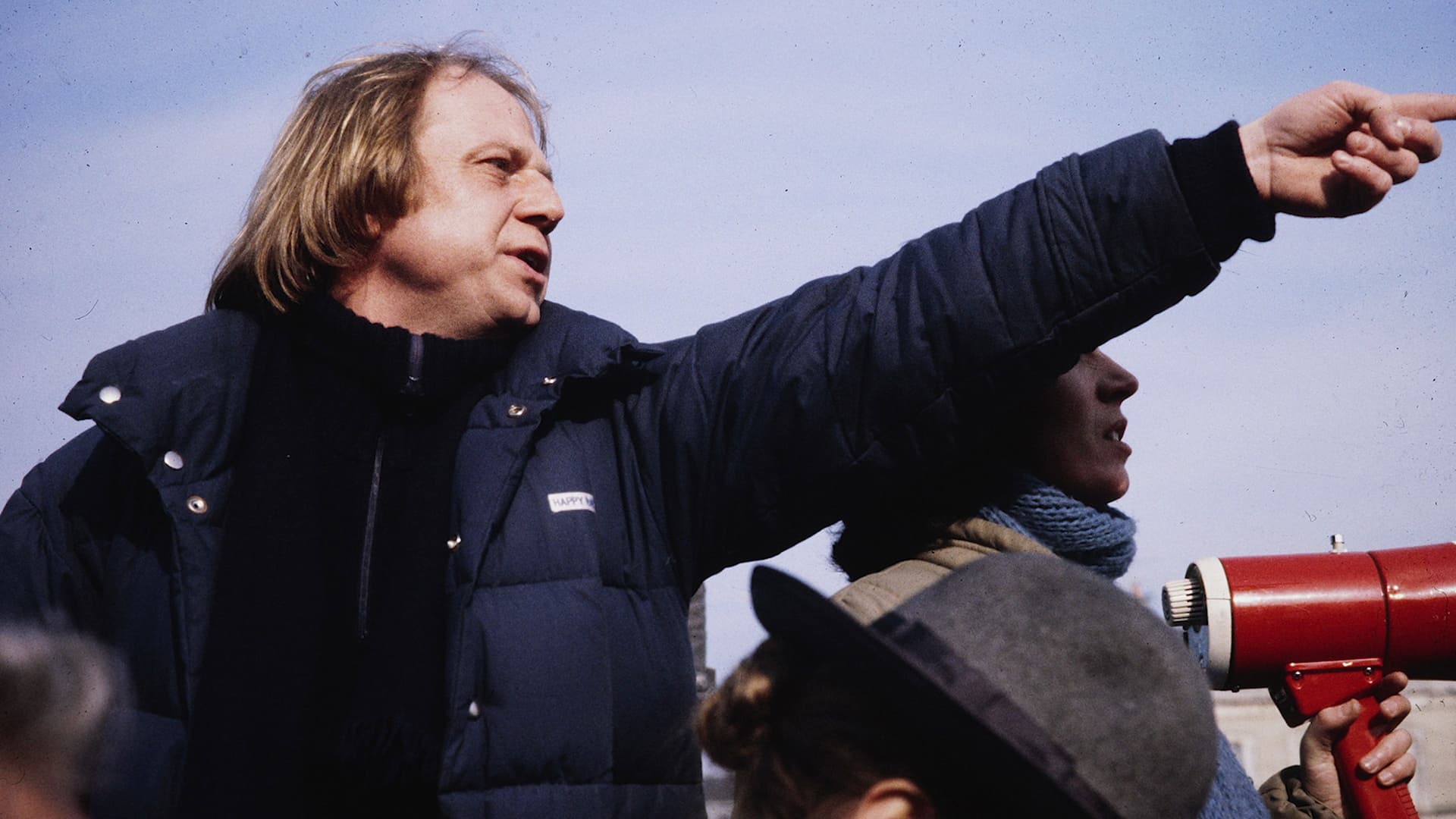
The international success of the film Das Boot by Wolfgang Petersen made U-96 one of the most famous submarines in cinematic history. But the true story of one of Hitler's most fearsome U-boats and its crew goes far beyond fiction. For the first time, this documentary sheds light on the reality behind the fiction through exclusive interviews with the makers and actors of Das Boot, as well as the last survivors of the time. In doing so, this documentary explores how Hitler's propaganda images may have influenced the visual and narrative force of Das Boot.
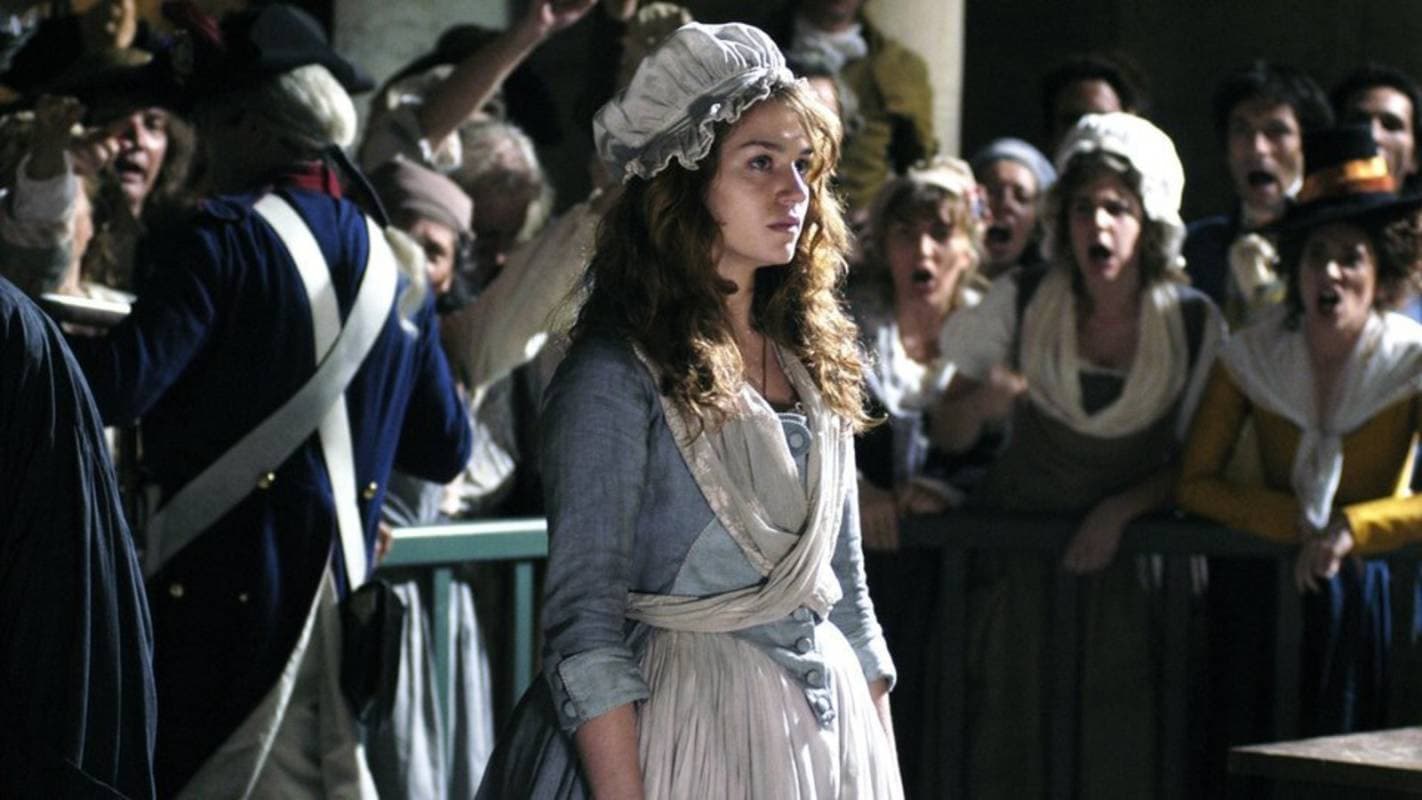
Charlotte Corday
DramaHistory
Set in July 1793 during the outbreak of the French Revolution and the unleashing of the Reign of Terror, a young girl from Caen named Charlotte Corday plots to assassinate Jacobin newspaper editor Jean-Paul Marat.
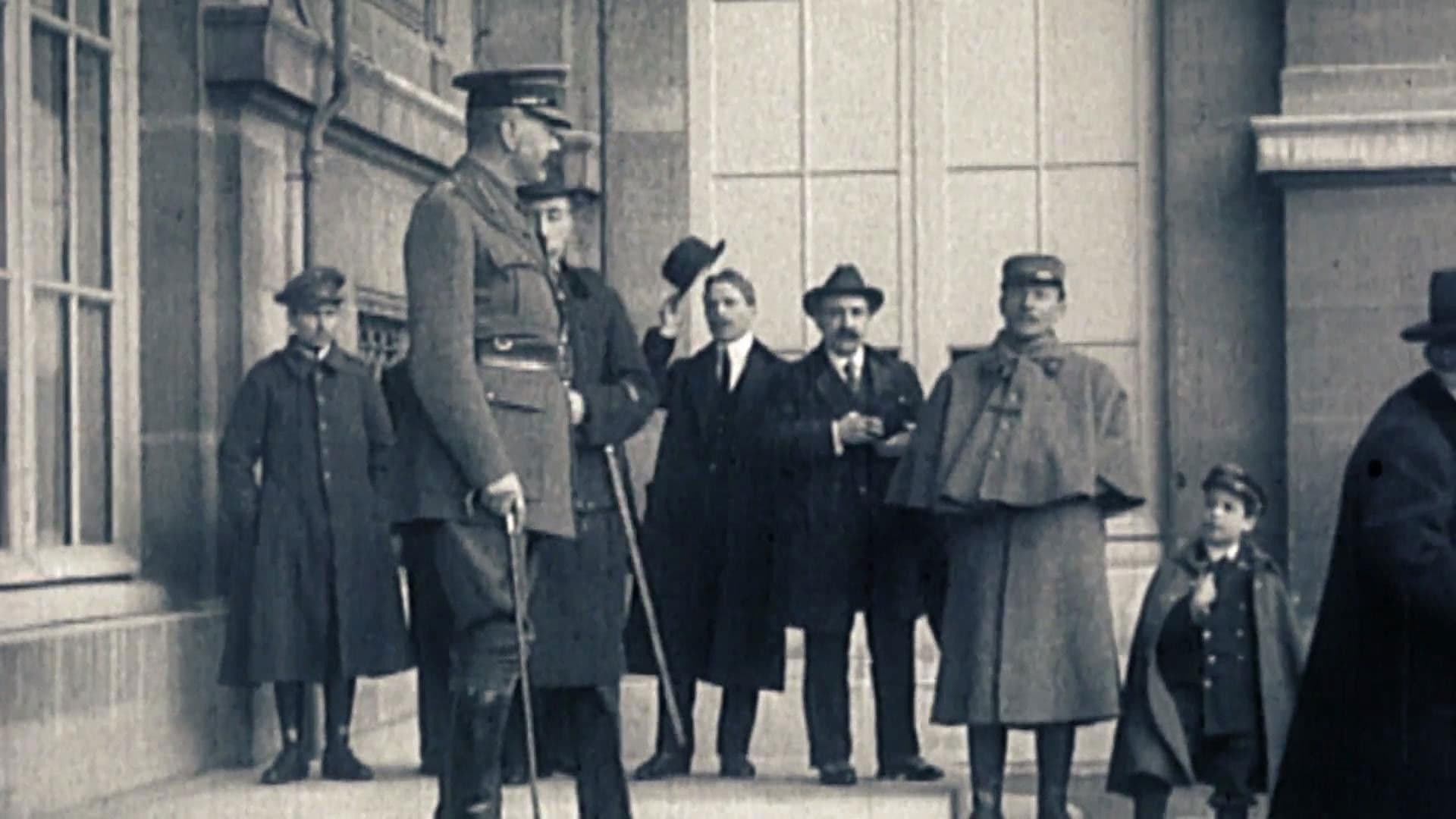
Churchill's First World War
DocumentaryWar
Drama-documentary about Winston Churchill's extraordinary experiences during the Great War, with intimate letters to his wife Clementine allowing the story to be told largely in his own words. Just 39 and at the peak of his powers running the Royal Navy, Churchill in 1914 dreamt of Napoleonic glory, but suffered a catastrophic fall into disgrace and humiliation over the Dardanelles disaster. The film follows his road to redemption, beginning in the trenches of Flanders in 1916, revealing how he became the 'godfather' of the tank and his forgotten contribution to final victory in 1918 as Minister of Munitions. Dark political intrigue, a passionate love story and remarkable military adventures on land, sea and air combine to show how the Churchill of 1940 was shaped and forged by his experience of the First World War.
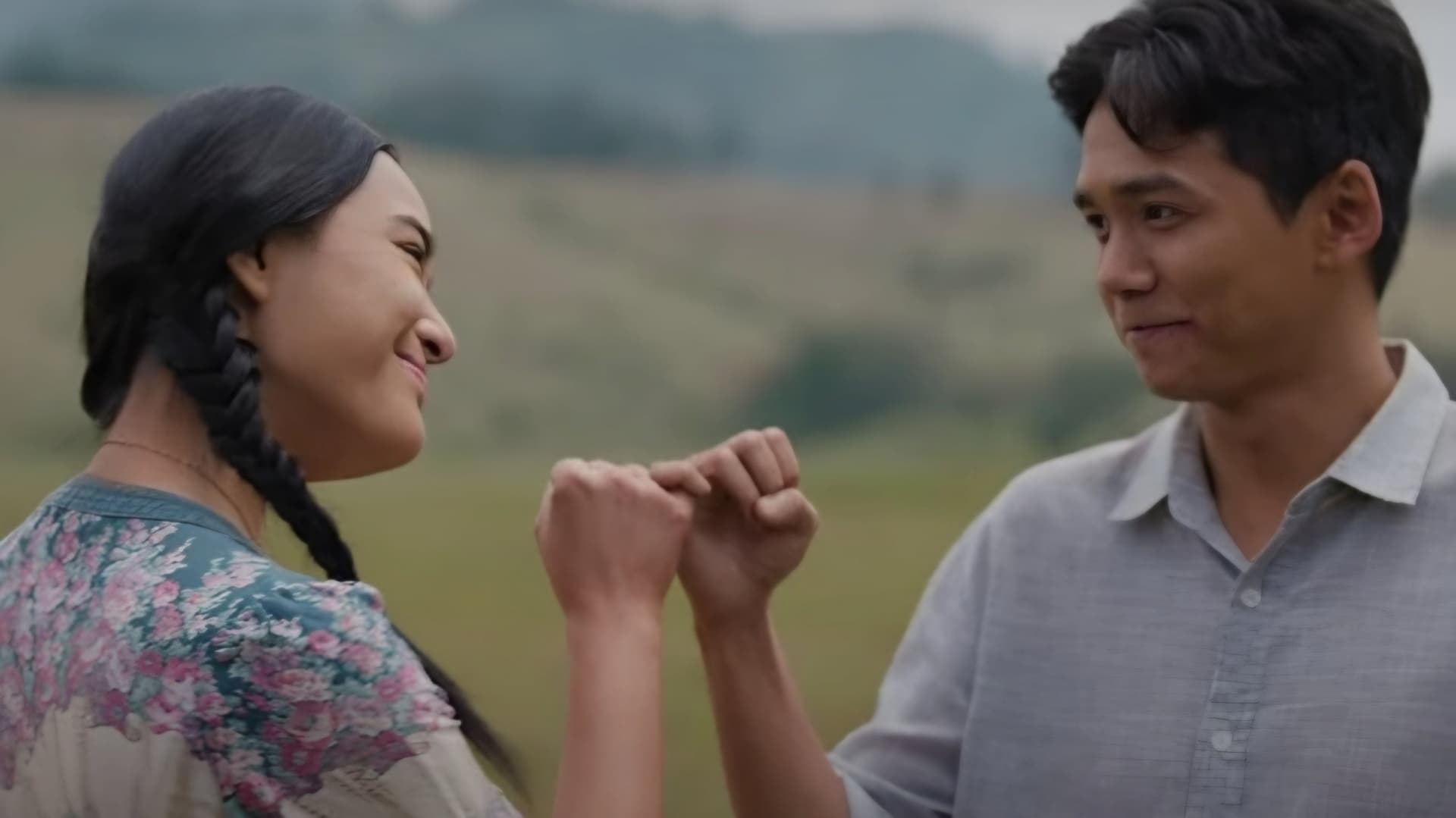
Paper Butterfly
DramaHistory
Set in 1965, a young couple fights to stay together as escalating violence and their opposing political backgrounds threaten to tear them apart.
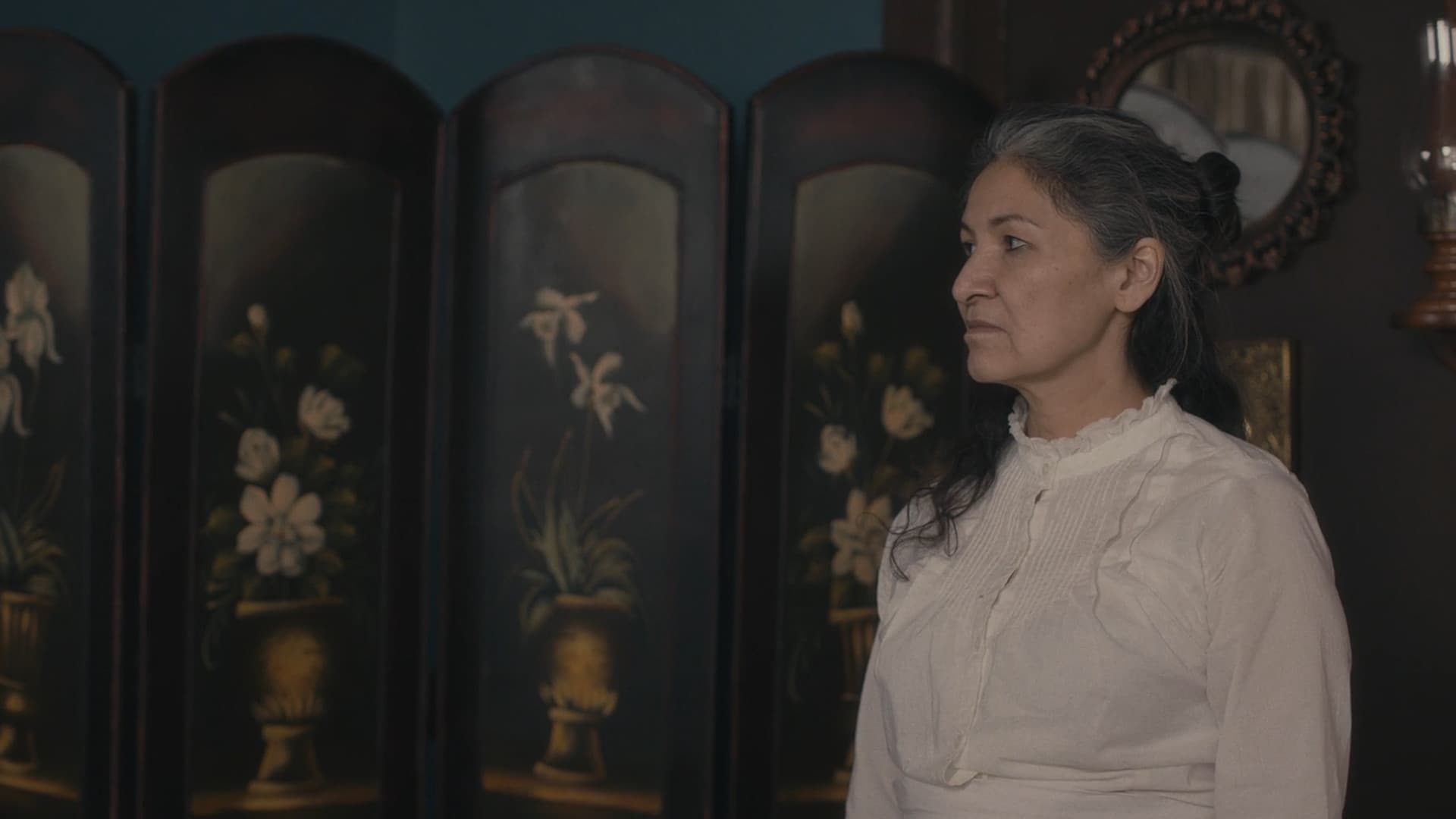
Be Still
DramaHistory
Already a successful portrait photographer, Hannah sets to reinvent this art form. Abandoning herself to a creative process that might easily be mistaken for madness, she's soon visited by mirror images of herself, as well as her daughter's ghost. Inspired by the life of photographer Hannah Maynard (1834-1918).