History
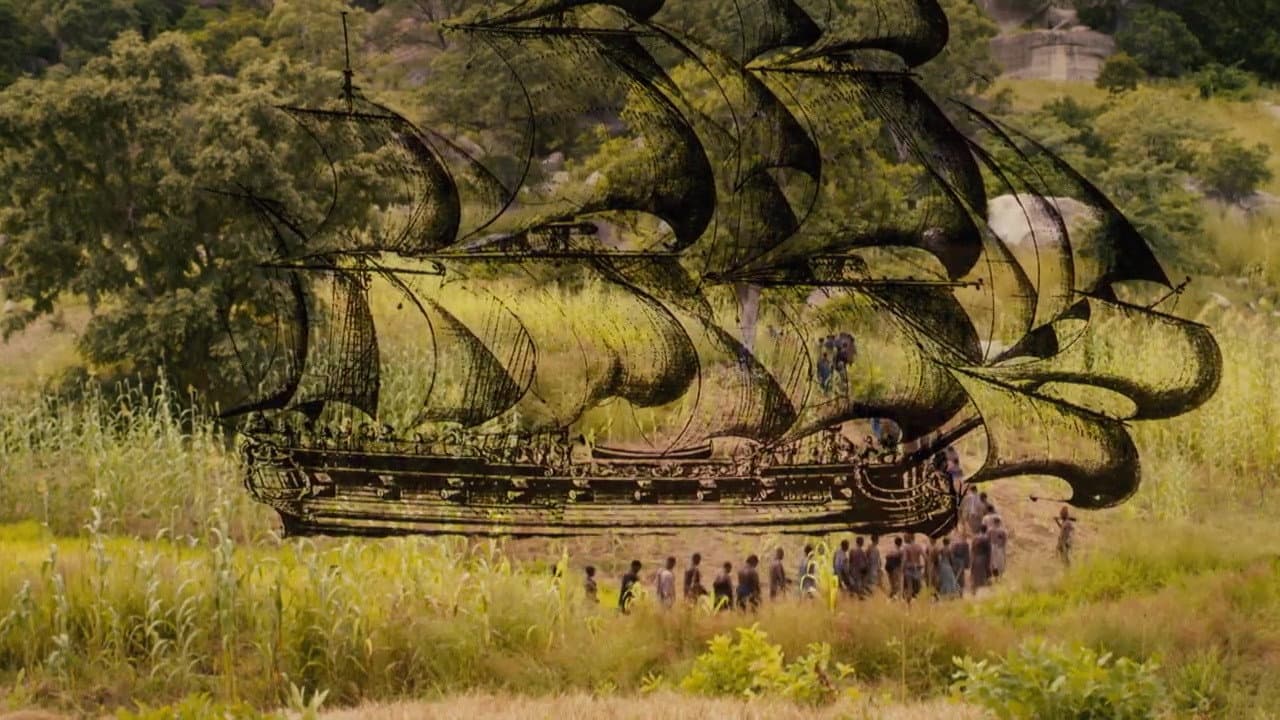
Ebony: The Last Years Of The Atlantic Slave Trade
HistoryDocumentary
First-person accounts of slaves, ship owners, traders and colonists recounting the struggle to end the Atlantic slave trade. Drawing on the logbooks, letters and diaries of the victims and witnesses to one of history’s most brutal eras, depicted through dramatic recreations, bolstered by authentic drawings and period documents, featuring insight from historical experts around the world.

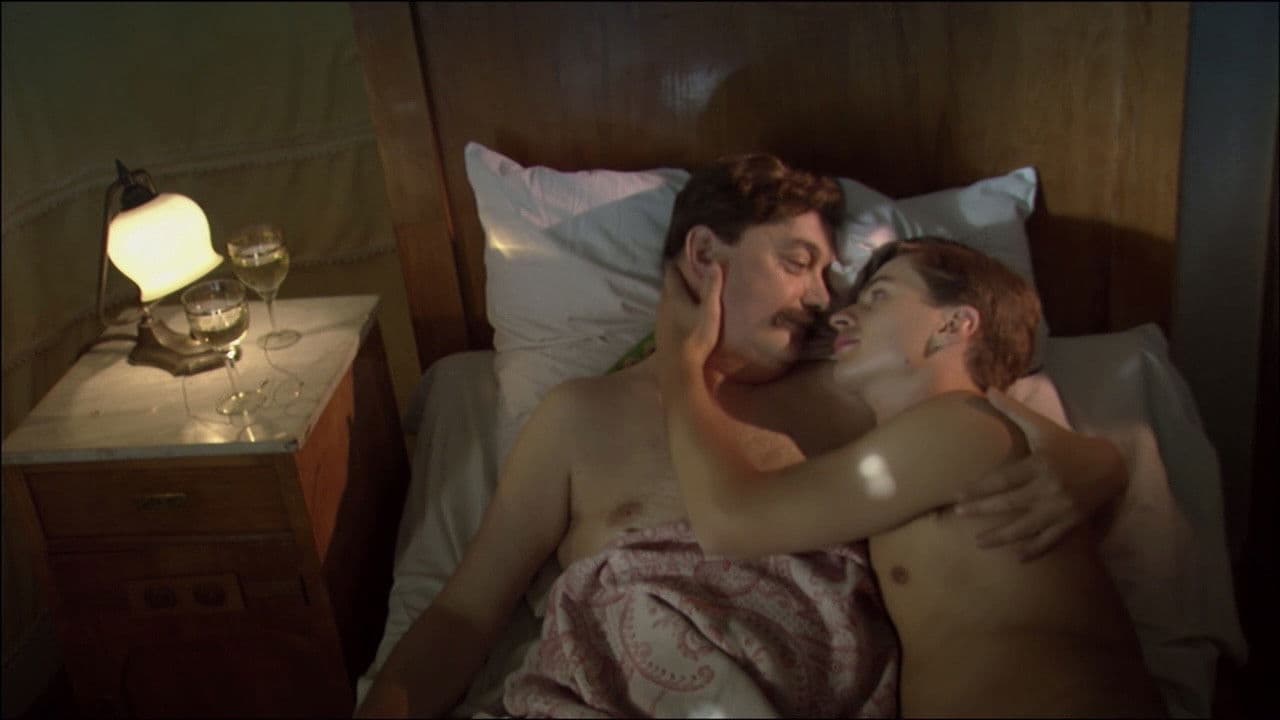
The Einstein of Sex: Life and Work of Dr. M. Hirschfeld
DramaHistory
The life story of Dr. Magnus Hirschfeld, a German Jew, who as a physician established the field of sexology, and fought militantly against German anti-sodomy laws in the late 19th century. The script reveals main characters in Hirschfeld's life including impossible love interest Baron von Teschenberg, and Hirschfeld's aids- young Karl Giese and guardian angel, the transvestite Dorchen, as they establish the First Institute of Sexual Sciences in Berlin in 1920, and follows their struggles to keep it open, up to the rise of the Third Reich in the mid 1930s.
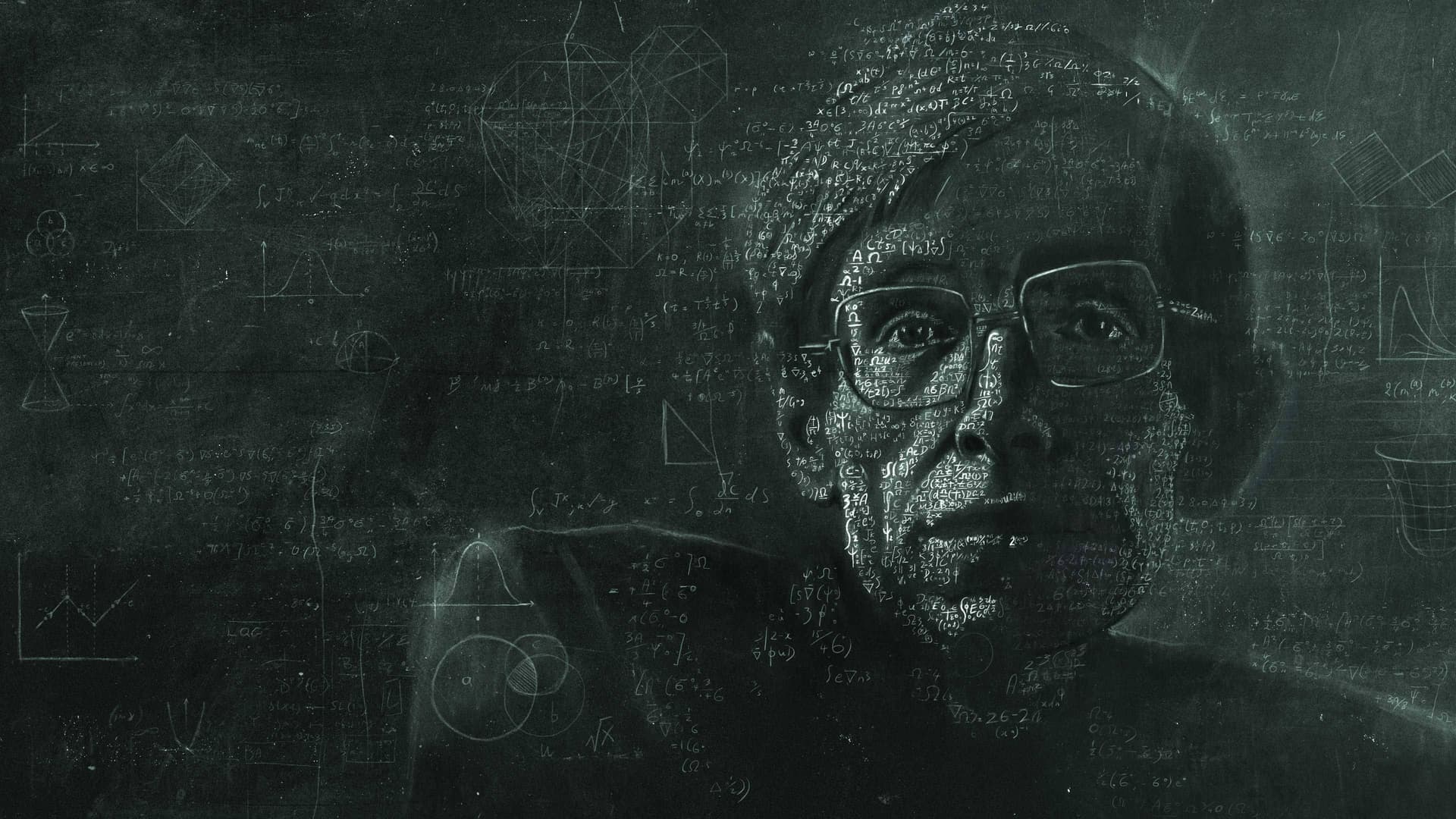
Hawking: Can You Hear Me?
DocumentaryHistory
A documentary telling the remarkable human story of Stephen Hawking. For the first time, the personal archives and the testimonies of his closest family reveal both the scale of Hawking's triumphs and the real cost of his disability and success.
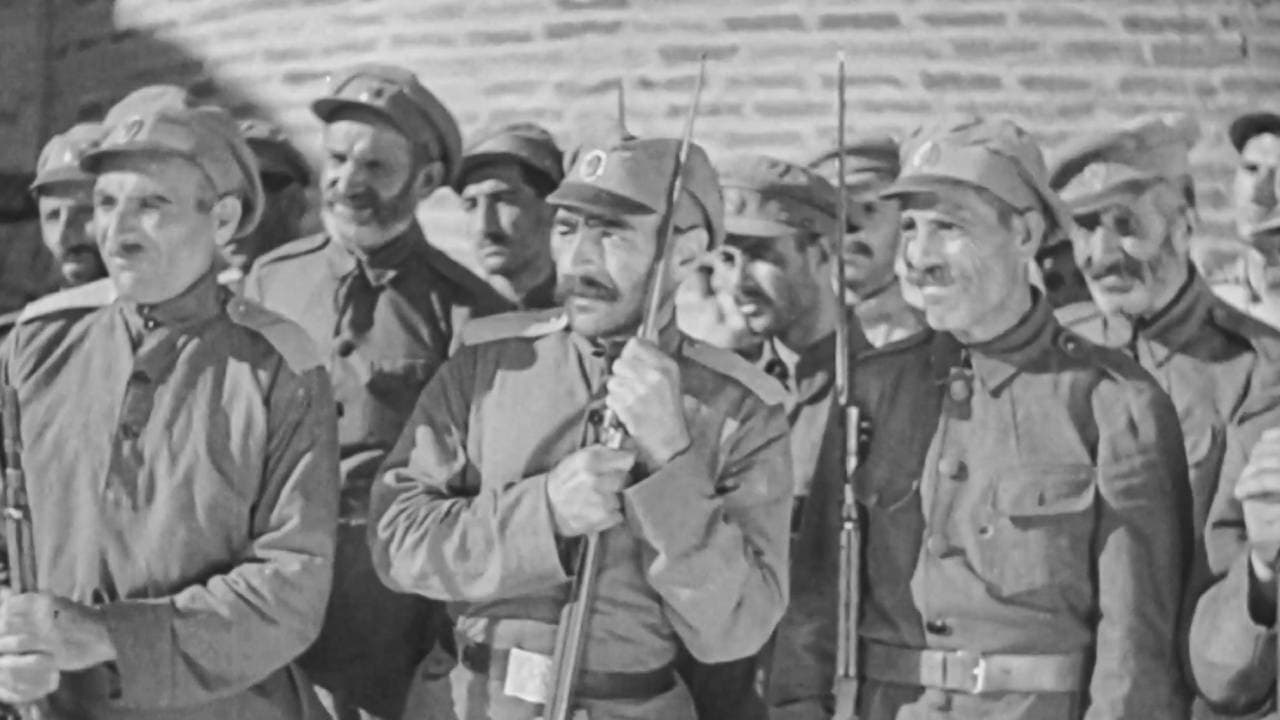
Mountainous March
DramaHistory
A detachment of Bolsheviks impedes the progress of a punitive detachment through the gorge and prevents it from suppressing a revolt.
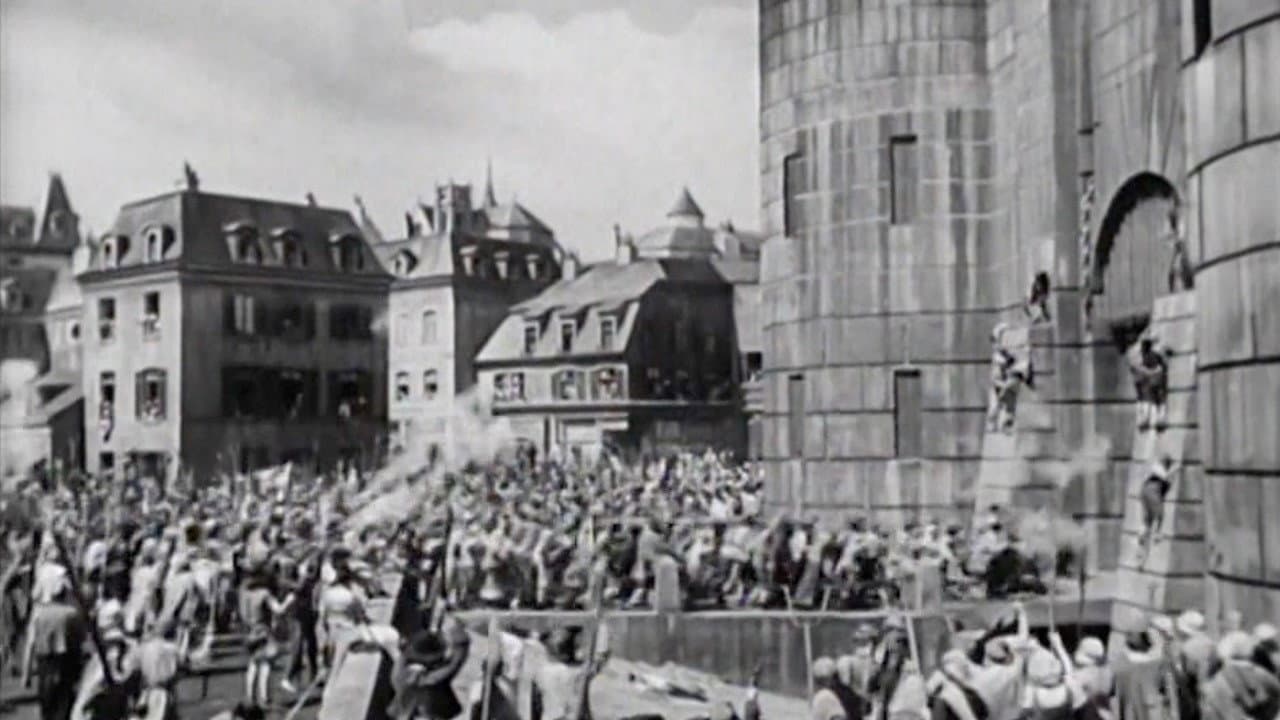
Song of Revolt
DramaHistory
This MGM Tabloid Musical short tells the story of how France's national anthem, "La Marseillaise", came to be written during the French Revolution.
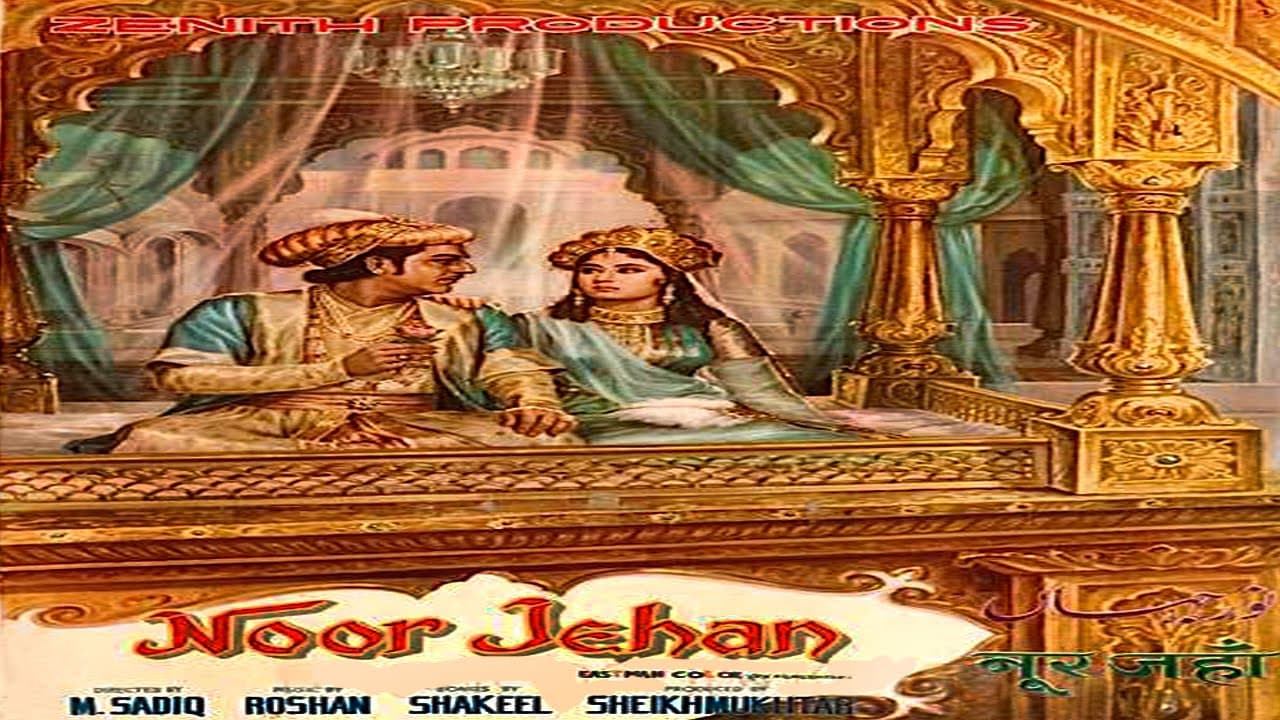
Noorjehan
DramaRomance
Noor Jahan, the empress of the Mughal empire, becomes the favourite wife of Emperor Jahangir and steadily begins to exert more influence on the throne through her love for him.
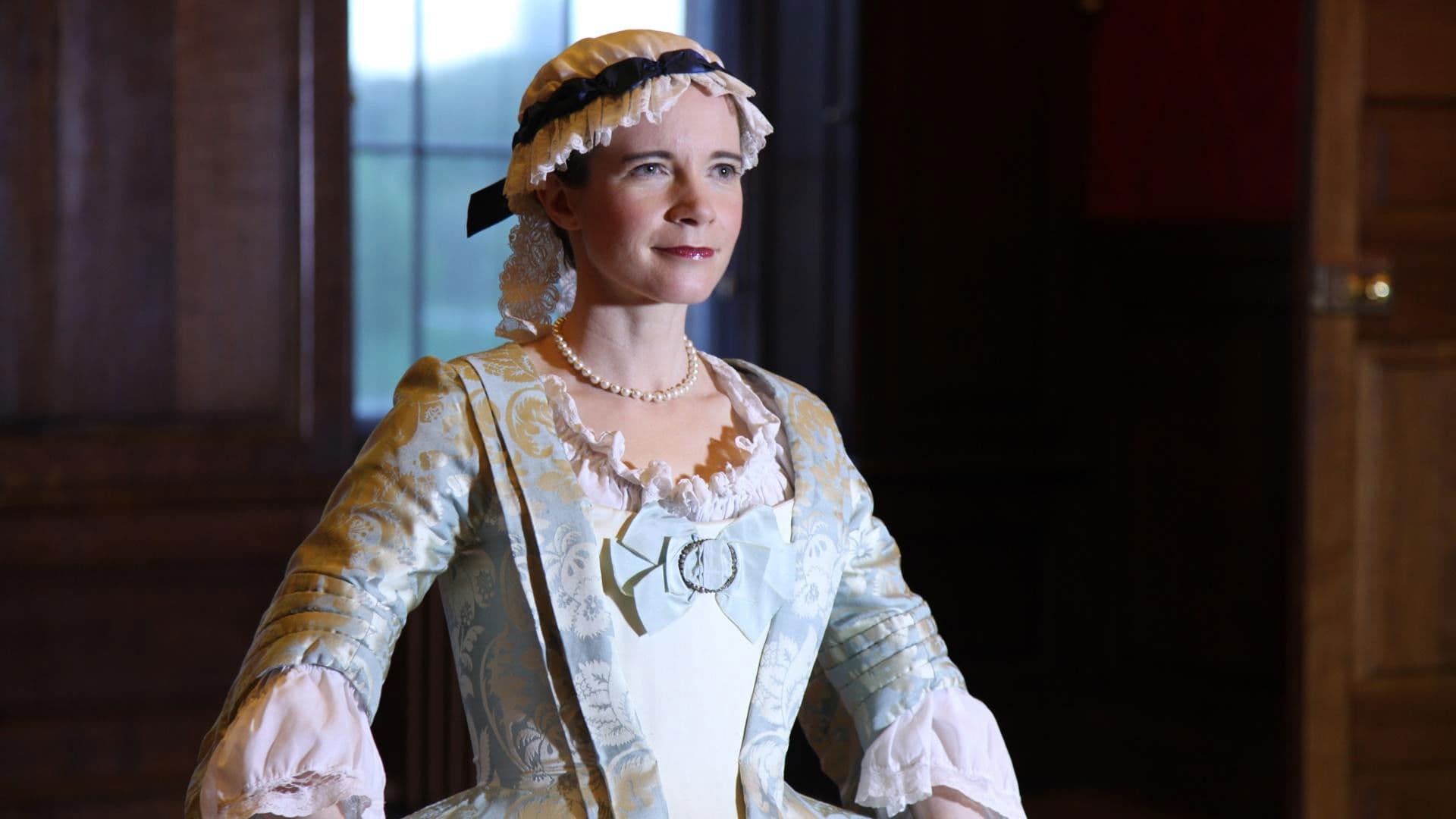
Tales from the Royal Wardrobe
DocumentaryHistory
Today, few people's clothes attract as much attention as the royal family, but this is not a modern-day paparazzi-inspired obsession. Historian Dr. Lucy Worsley, Chief Curator at Historic Royal Palaces, reveals that it has always been this way. Exploring the royal wardrobes of our kings and queens over the last four hundred years, Lucy shows this isn't just a public fascination, but an important and powerful message from the monarchs. From Elizabeth I to the present Queen Elizabeth II, Lucy explains how the royal wardrobe's significance goes far beyond the cut and color of the clothing. Royal fashion is, and has always been, regarded as a very personal statement to reflect their power over the reign. Most kings and queens have carefully choreographed every aspect of their wardrobe; for those who have not, there have sometimes been calamitous consequences. As much today as in the past, royal fashion is as much about politics as it is about elegant attire.
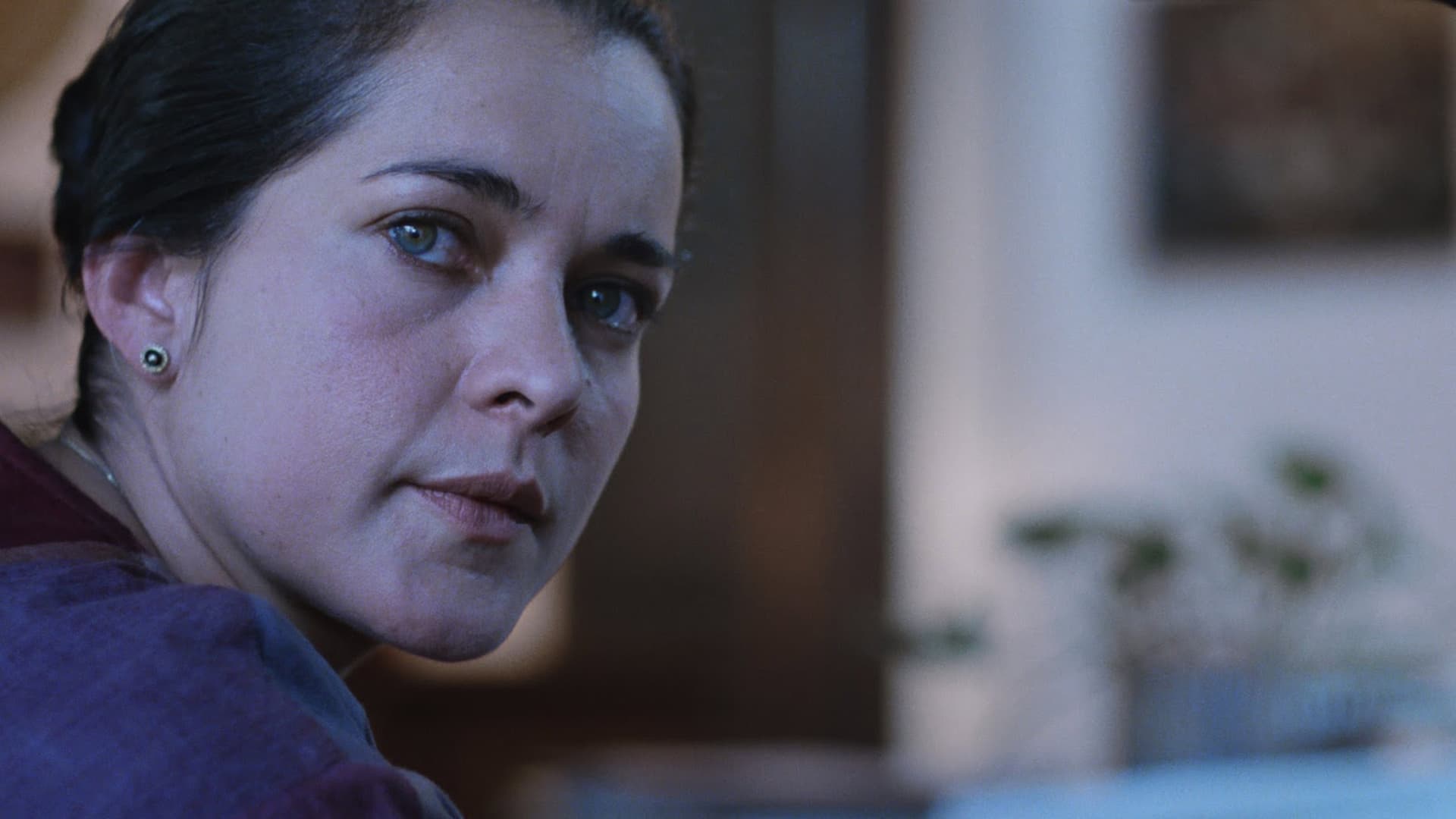
Luz's Motives
DramaHistory
Luz is in jail, accused of murdering her own children. Her husband and her mother-in-law say she killed them in cold blood. Dr. Rebollar tries to help the woman, but she refuses to remember anything. Luz thinks of jail as the purgatory: it's only one step to reach the Heaven.
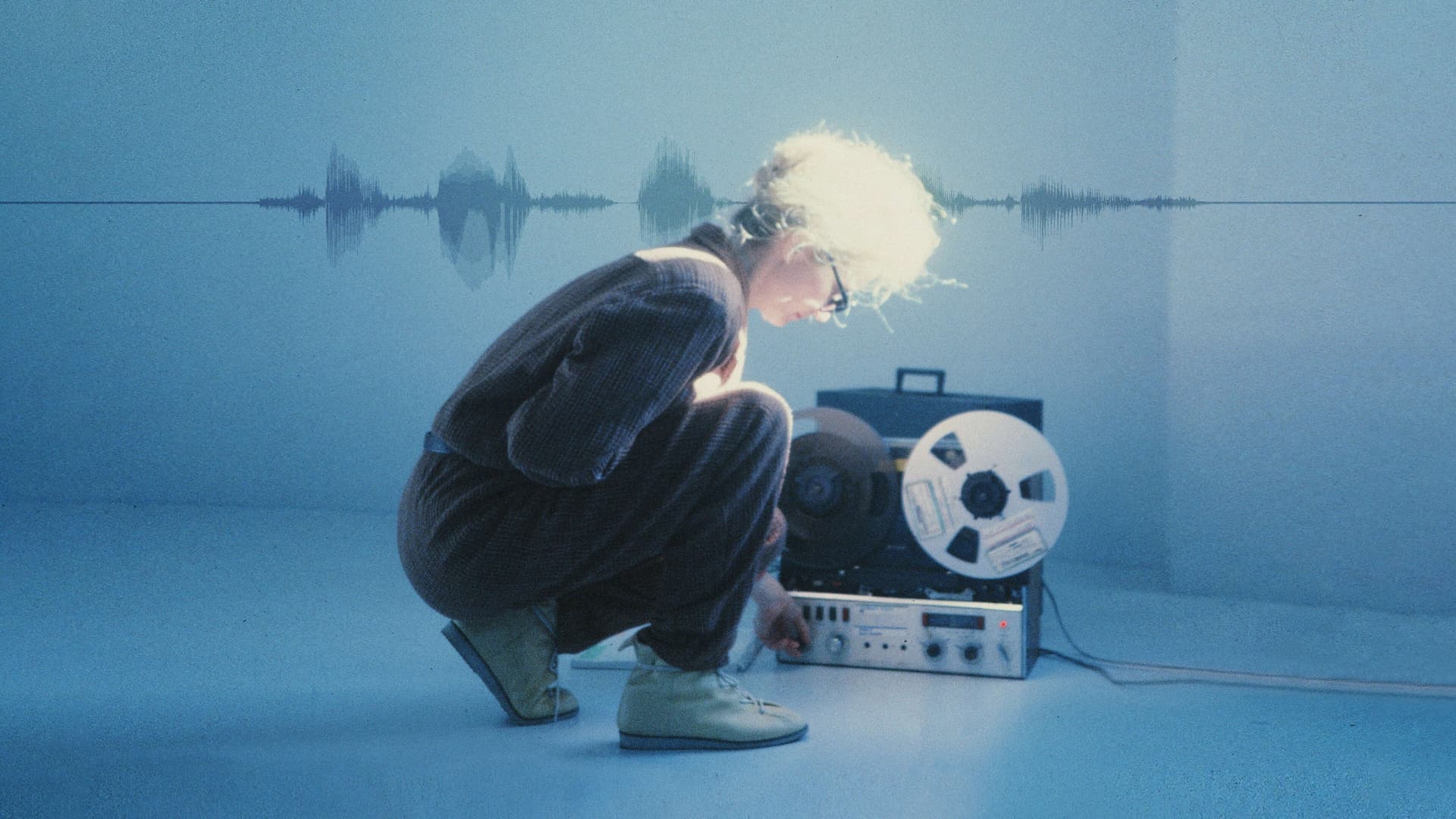
Sisters with Transistors
DocumentaryHistory
Think of early electronic music and you’ll likely see men pushing buttons, knobs, and boundaries. While electronic music is often perceived as a boys' club, the truth is that from the very beginning women have been integral in inventing the devices, techniques and tropes that would define the shape of sound for years to come.
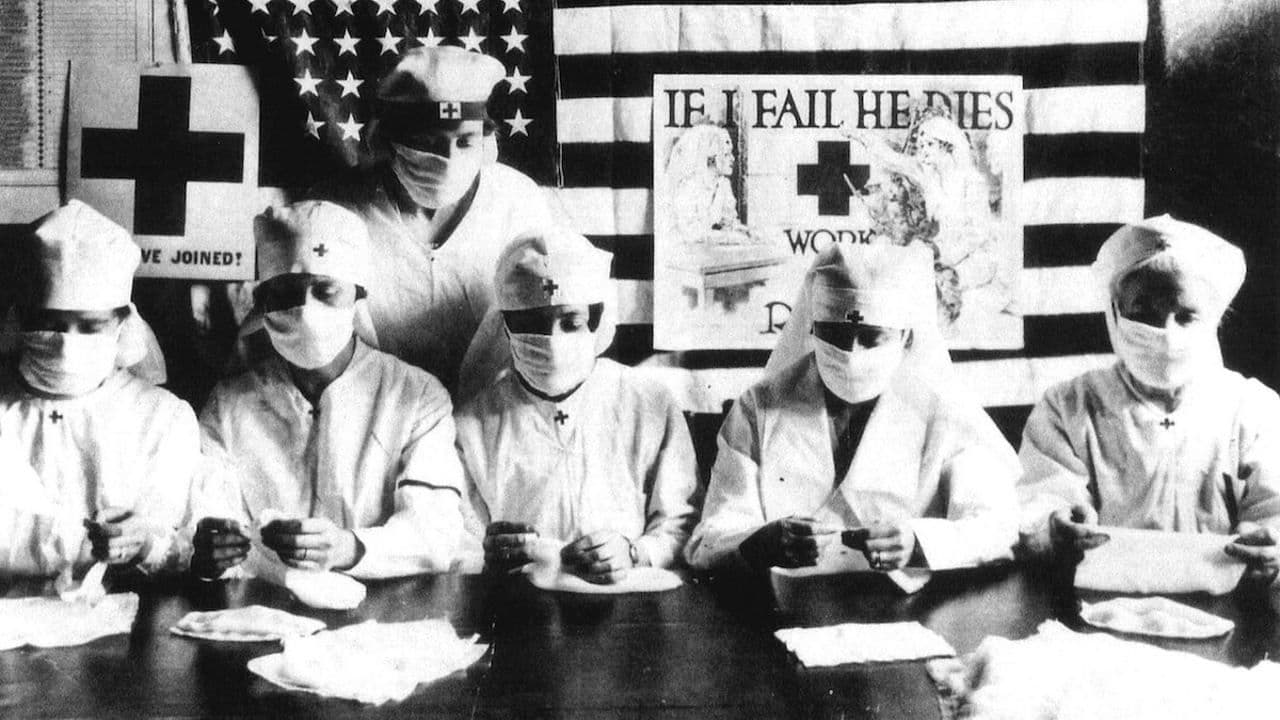
The Flu That Killed 50 Million
DocumentaryHistory
It is 1918 and the end of WWI. Millions have died, and the world is exhausted by war. But soon a new horror is sweeping the world, a terrifying virus that will kill more than fifty million people - the Spanish flu. Using dramatic reconstruction and eyewitness testimony from doctors, soldiers, civilians and politicians, this one-off special brings to life the onslaught of the disease, the horrors of those who lived through it and the efforts of the pioneering scientists desperately looking for the cure. Narrated by Christopher Eccleston, the film also asks whether, a century later, the lessons learnt in 1918 might help us fight a future global flu pandemic.
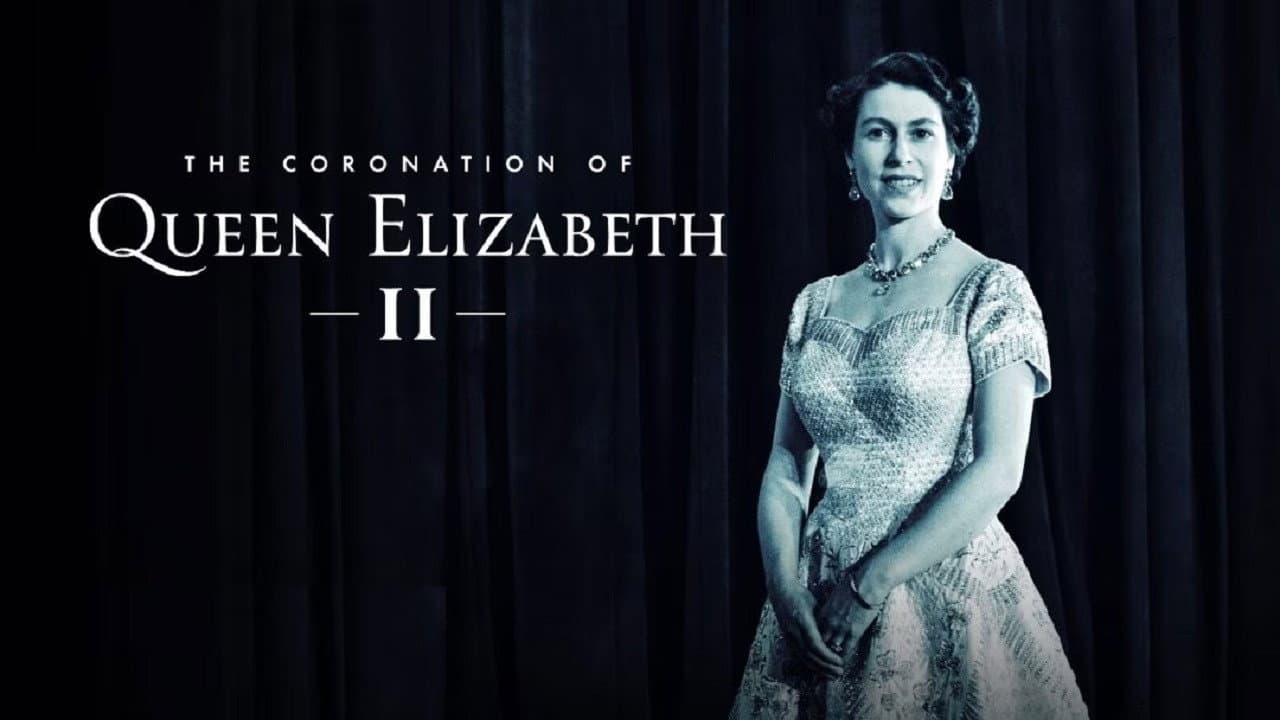
Coronation of Queen Elizabeth II
History
The coronation of Elizabeth II as queen of the United Kingdom and the other Commonwealth realms took place on 2 June 1953 at Westminster Abbey in London. She acceded to the throne at the age of 25 upon the death of her father, George VI, on 6 February 1952, being proclaimed queen by her privy and executive councils shortly afterwards. The coronation was held more than one year later because of the tradition of allowing an appropriate length of time to pass after a monarch dies. It also gave the planning committees adequate time to make preparations for the ceremony.