History
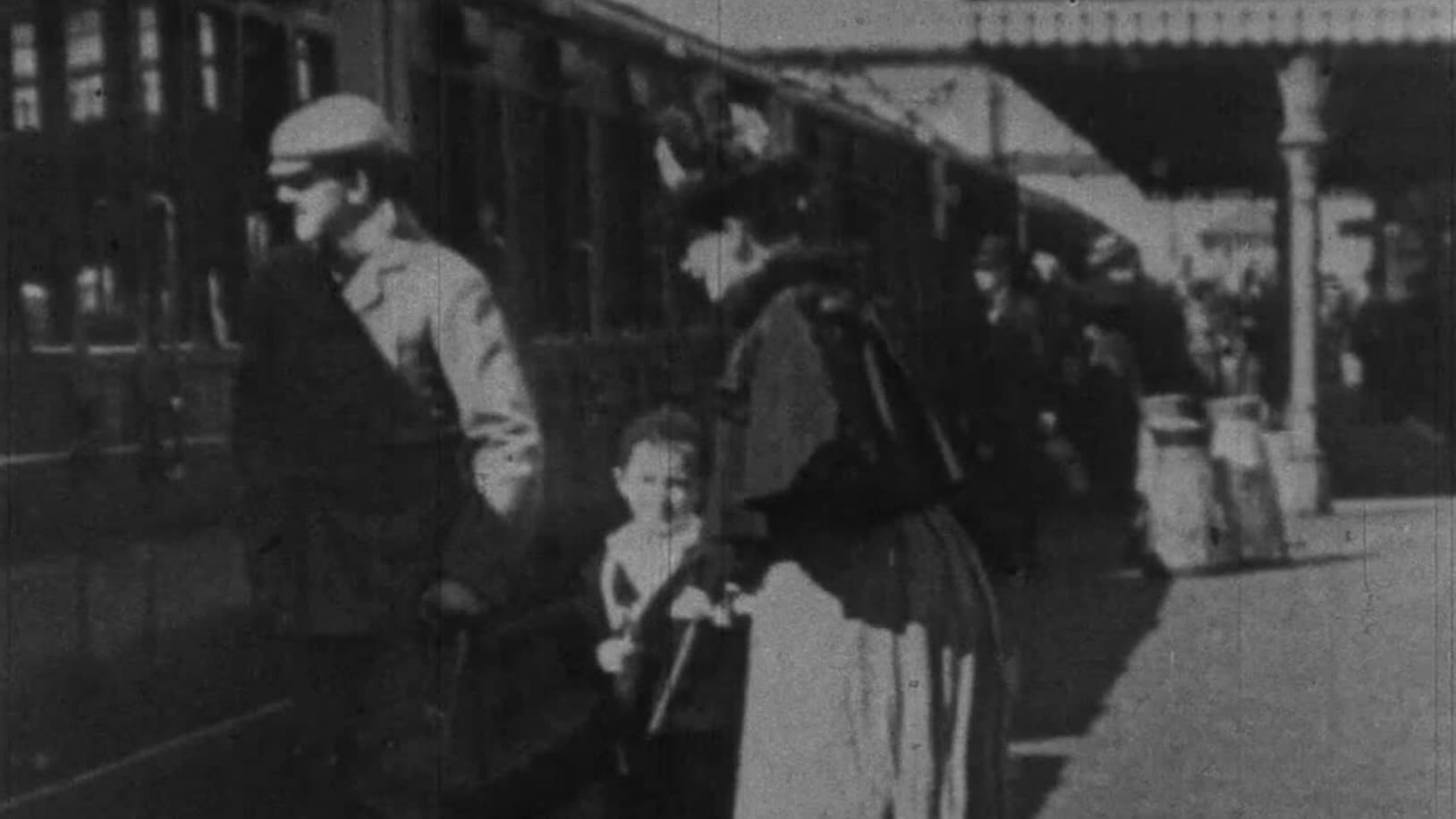
Train Entering Hove Station
DocumentaryHistory
Most movie fans know that the first filmmakers liked to shoot trains entering stations. This example by Sussex film pioneer George Albert Smith illustrates why. The train's rush towards the audience brings movement and visual drama. The flurry of human activity offers plenty for the audience to engage with - who are these people and where are they going? And the time pressure exerted by the fact that the train must soon depart adds narrative tension - will everyone get on and off in time?
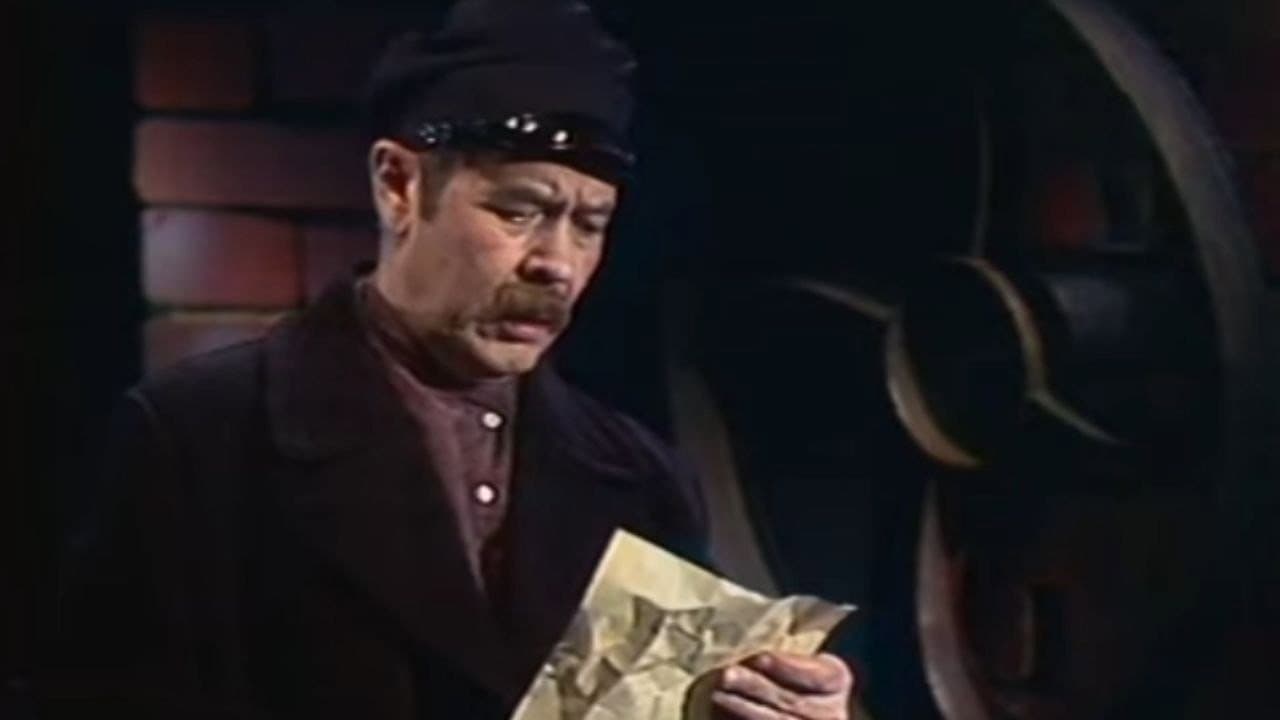
Ninth January
TV MovieDrama
About the events that took place on January 9 in St. Petersburg, which marked the beginning of the revolution of 1905-1907 in Russia.
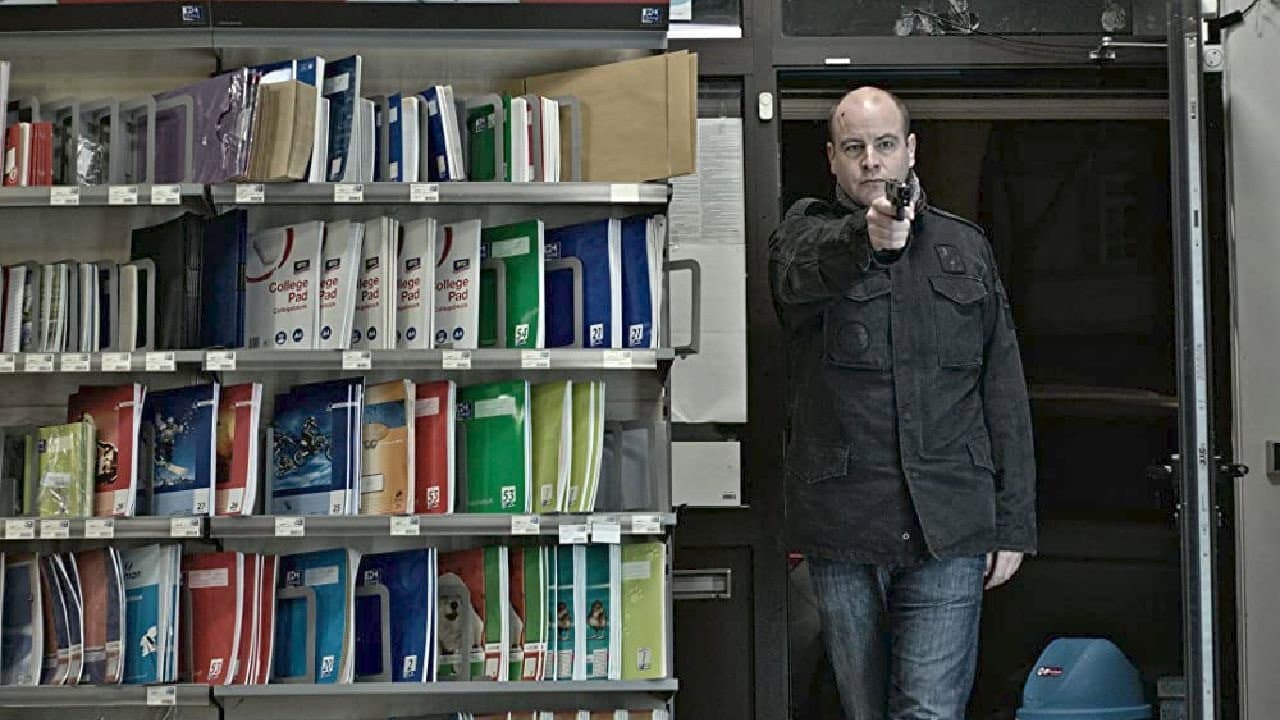
Hanau: Germany in Winter
DramaCrime
During a racially motivated rampage in Hanau, Hesse, Tobias R. kills nine citizens on February 19, 2020, his mother and then himself. The words of his manifesto indicate severe psychological problems. This psychogram of a mass murderer shows how withdrawn Tobias R. radicalized himself through fake news and delusion for years before it came to a catastrophe.
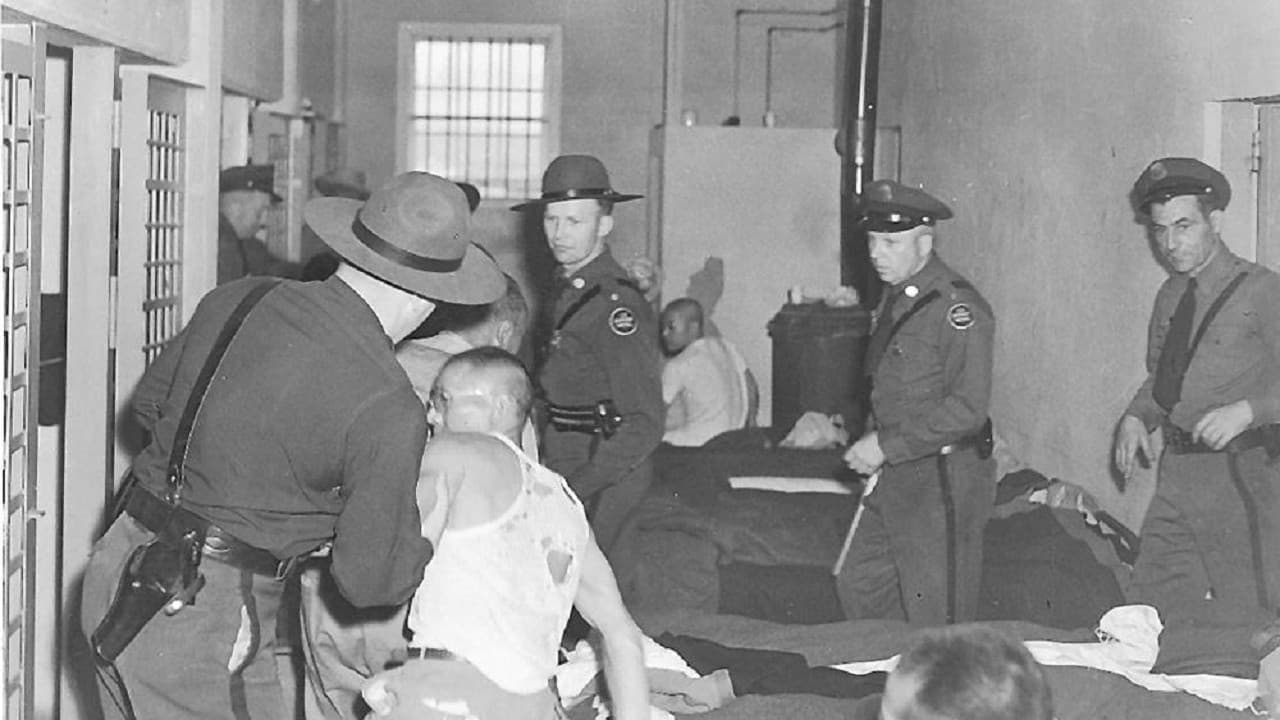
Resistance at Tule Lake
HistoryDocumentary
The long-suppressed story of 12,000 Japanese Americans who dared to resist the U.S. government's program of mass incarceration during World War II. Branded as 'disloyals' and re-imprisoned at Tule Lake Segregation Center, they continued to protest in the face of militarized violence, and thousands renounced their U.S. citizenship. Giving voice to experiences that have been marginalized for over 70 years, this documentary challenges the nationalist, one-sided ideal of wartime 'loyalty.'
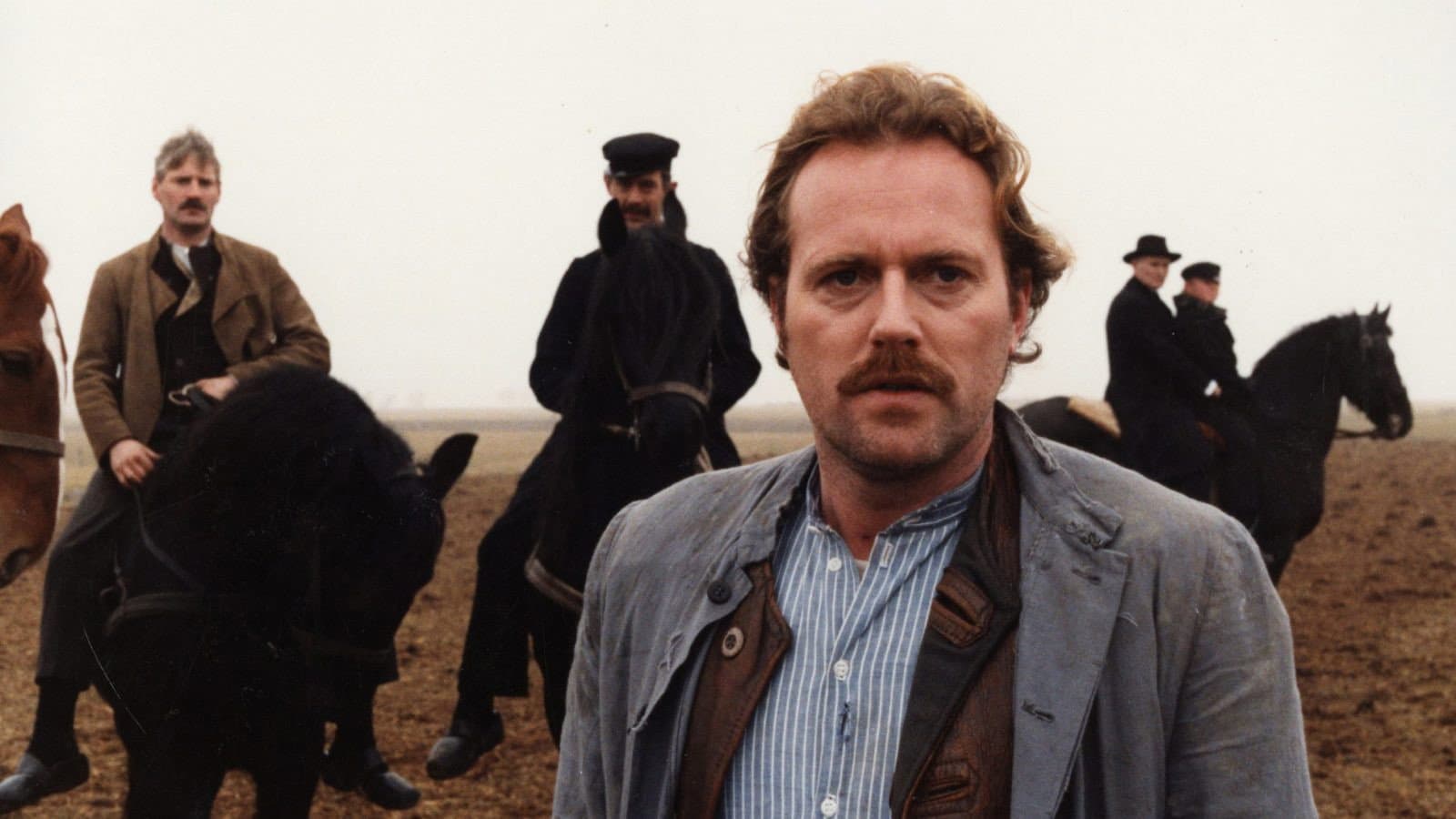
The Dream
DramaHistory
On the turn of the 20th century, in Netherlands, three socialist activists and brothers are imprisoned for a crime they didn't commit. The prosecutor tries to get to the truth, but their comrades and others betray them.

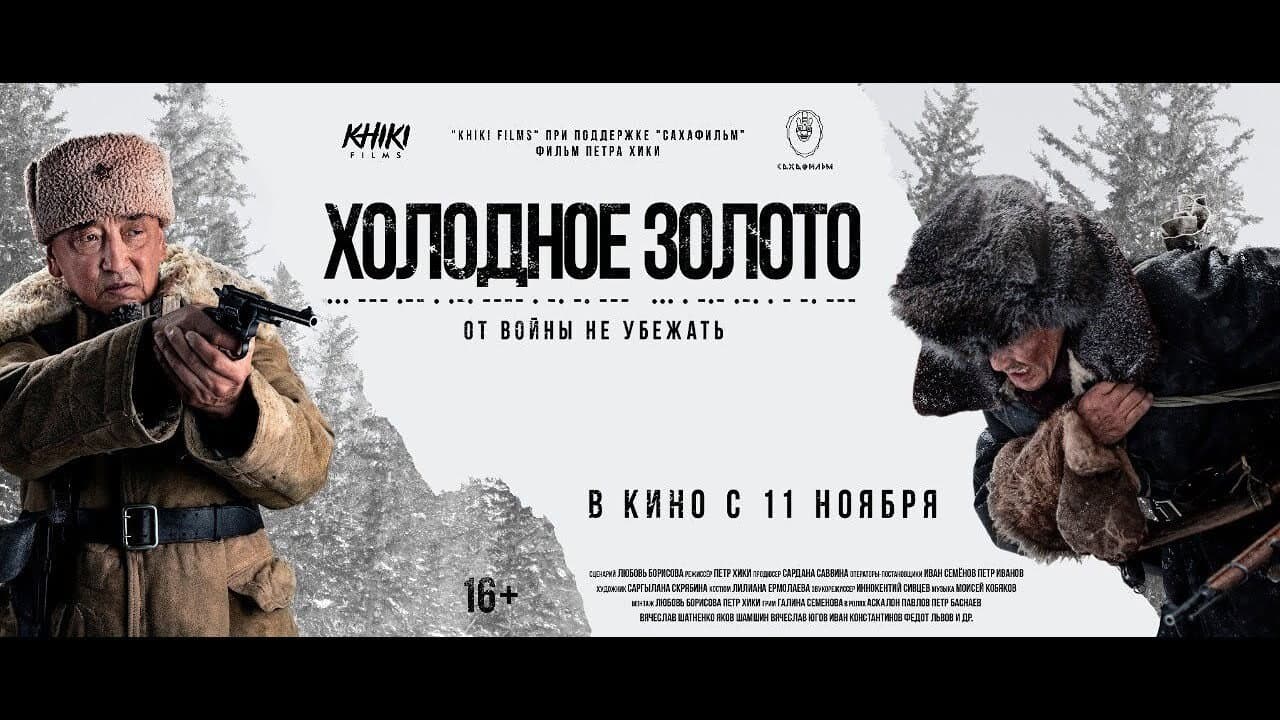
Cold Gold
HistoryWar
There is no escape from the war... 1942. While all the forces of the country are thrown into the fight against fascist Germany, in the southern part of Yakutia there are gangs robbing gold mines. The largest of them is the elusive and brutal Popov gang, which collects stolen gold to organize a military coup in the Far East. In their footsteps, a small detachment of the NKVD under the leadership of Senior Lieutenant Karasev is sent through the snow-covered endless taiga.
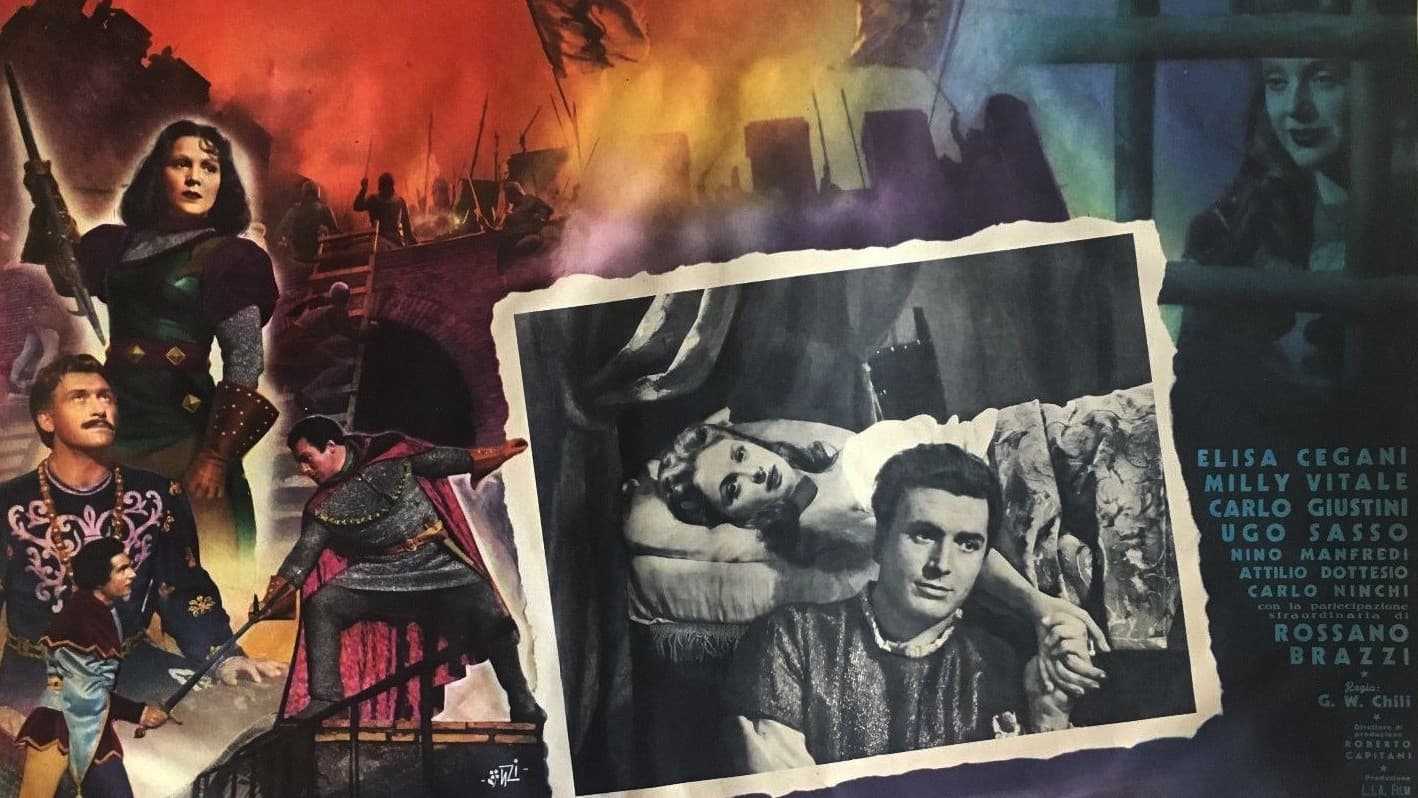
La prigioniera della torre di fuoco
HistoryDrama
Italy, 15th century: Marco and Cesco, two youths from rival families are friends but become enemies when they both fall in love with the same girl, Germana, who is kept prisoner by Cesco's family in a tower. Germana is however in love with Marco and Cesco, feeling betrayed, has Marco imprisoned. During a battle Marco proves however his loyalty to his friend, who falls unfortunately deadly wounded.

Foreign Devils
ActionHistory
Capt. Robert Kelly holds off the foreign mob single-handed and makes good his escape during the Boxer rebellion.
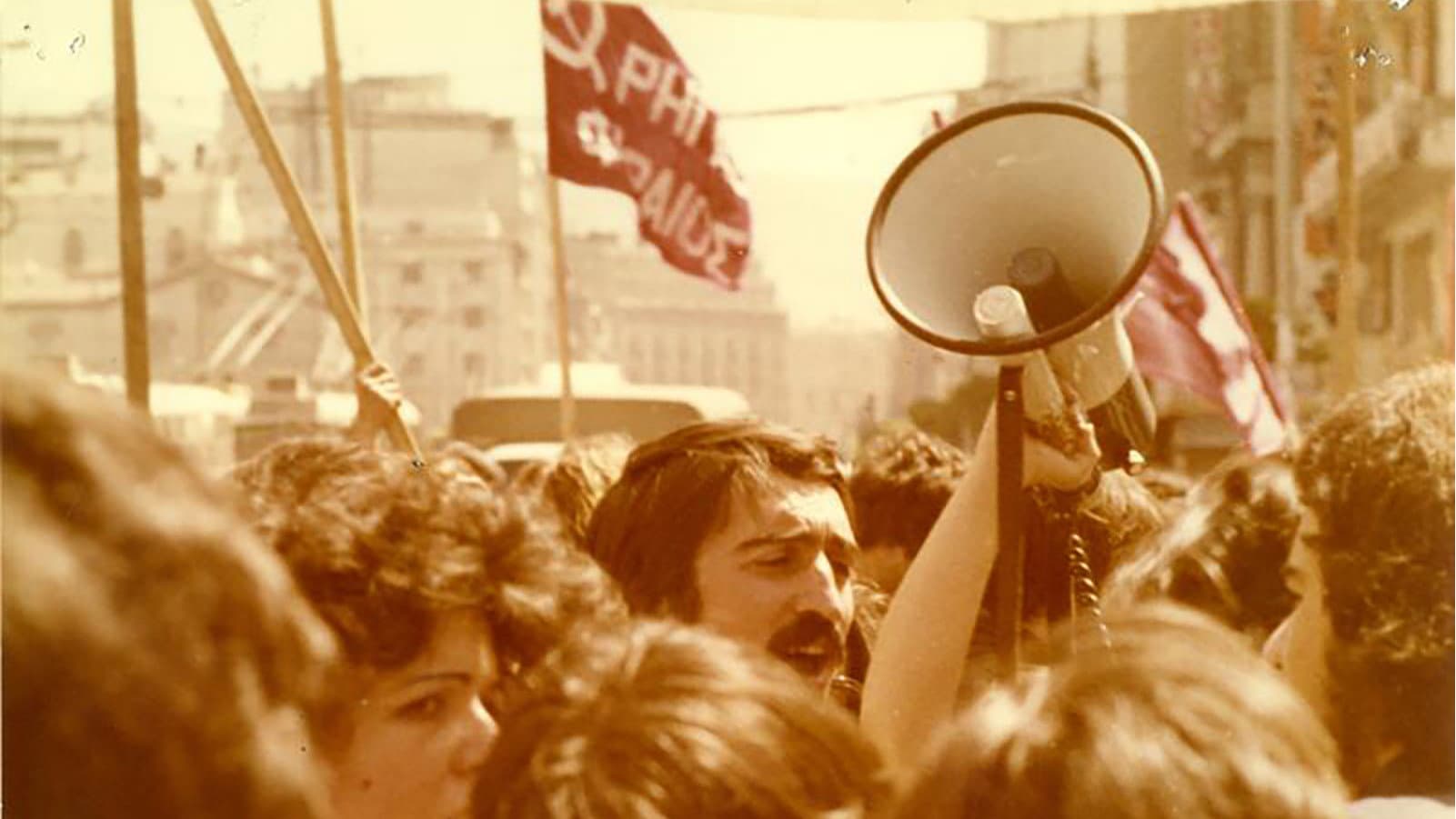
Evidence
DocumentaryHistory
A documentary presenting people and events connected with the most important political developments from the student uprising at the Athens Polytechnic in 1973 until the first year of democratic rule after the dictatorship collapsed in 1974.
Parapontiy Mazley
DocumentaryHistory
In the film, the outstanding contemporary avant-garde poet Vladimir Ignatiev, the heir of OBERIUT, appeared. He played himself and read his own poetry. The film was shot 25 years ago soon after Vladimir received a serious craniocerebral injury, received as a result of the bandit attack.

OBSOLETE
HorrorHistory
When Halyard Vider picks a stray old Television off the street for fun, he brings home something he never could have anticipated, changing his life for good.

Doppelgänger
HistoryMystery
Hans and Jan Bitner live on opposite sides of the iron curtain. Hans lives in France, he leads a quiet life. Bitner is a Pole, involved in the fight for a free Poland. Their lives are different, but there is one detail that links them.
Lady of the Court
HistoryDrama
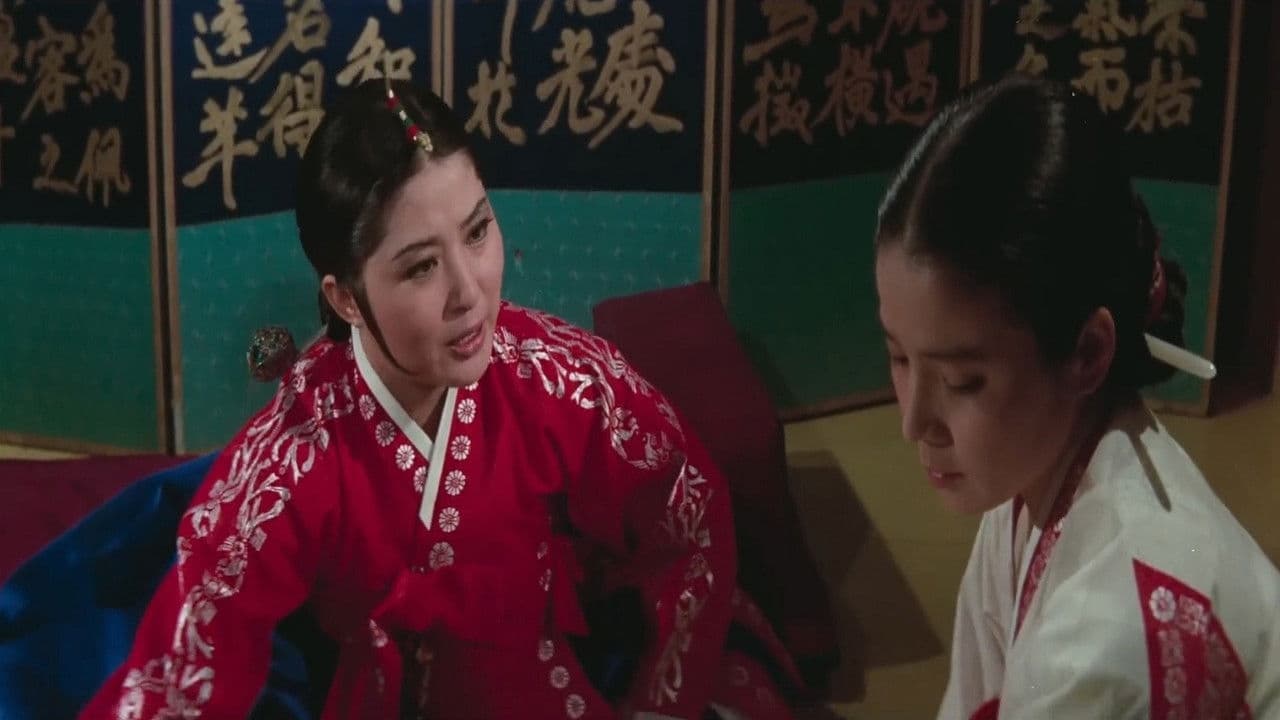
When King Myeong-jong dies, his son takes the throne and the old king's concubines are expelled. One of the concubines becomes pregnant. Believing that only she knows the true father, she claims the unborn child is the former kings and has a claim to the throne. The enemies of the new king, ignoring facts, decide to support her claim and threaten to start a civil war.
Ernst Thälmann – Son of the Working Class
HistoryDrama
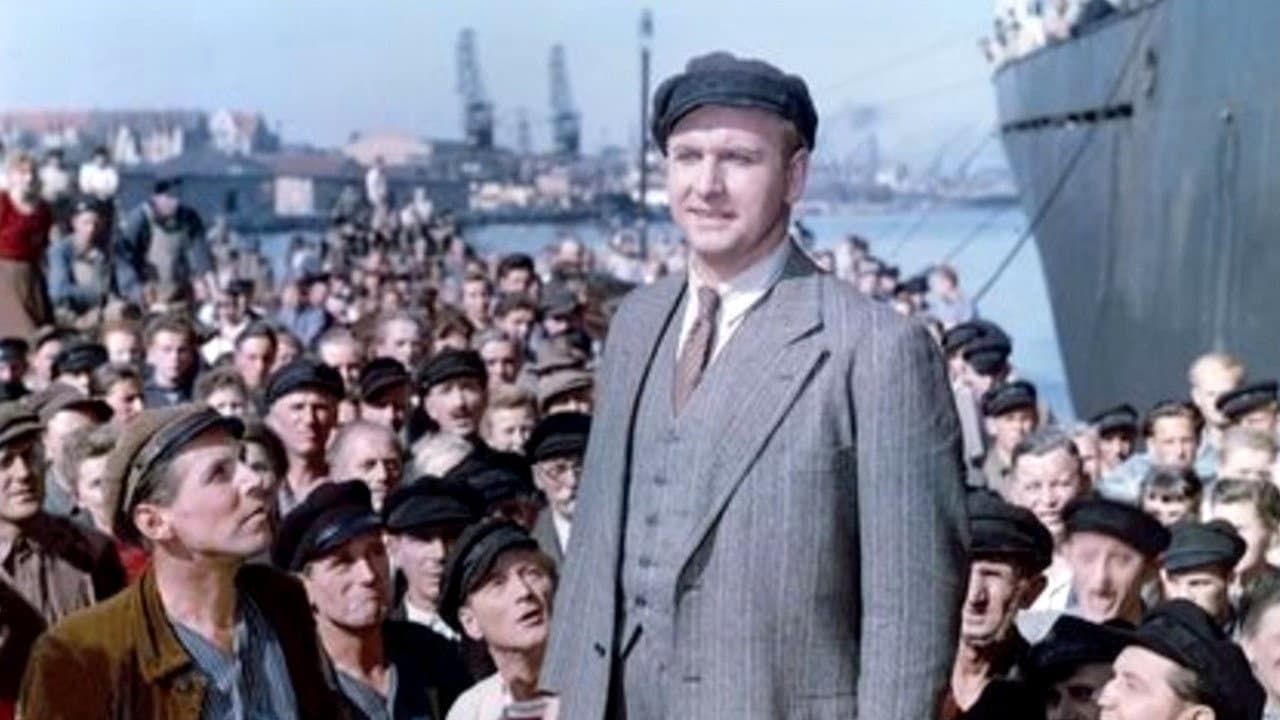
This film is the first of a two-part historical and biographical portrait of the communist politician and anti-fascist Ernst Thälmann. In early November 1918, Ernst Thälmann is an unwilling soldier serving on the western front. As the revolutionary movement at home is threatened by the betrayal of the Social Democrats and fissures in the working class, Thälmann calls on his fellow soldiers to put down their weapons and unite with the workers in the communist struggle at home. Thälmann’s qualms about which side he is fighting on continue, but when the local police attempt to prevent a shipment of provisions and supplies from reaching the people in Petrograd, he intervenes and the ship is unloaded. With this moment of clarity, Thälmann continues to follow his political convictions and joins the workers at the Hamburg uprising in October 1923.

Malazgirt 1071
WarHistory
The story of the war, which is the beginning of the history of Turks in Anatolia.