History

The Lulus
AdventureHistory
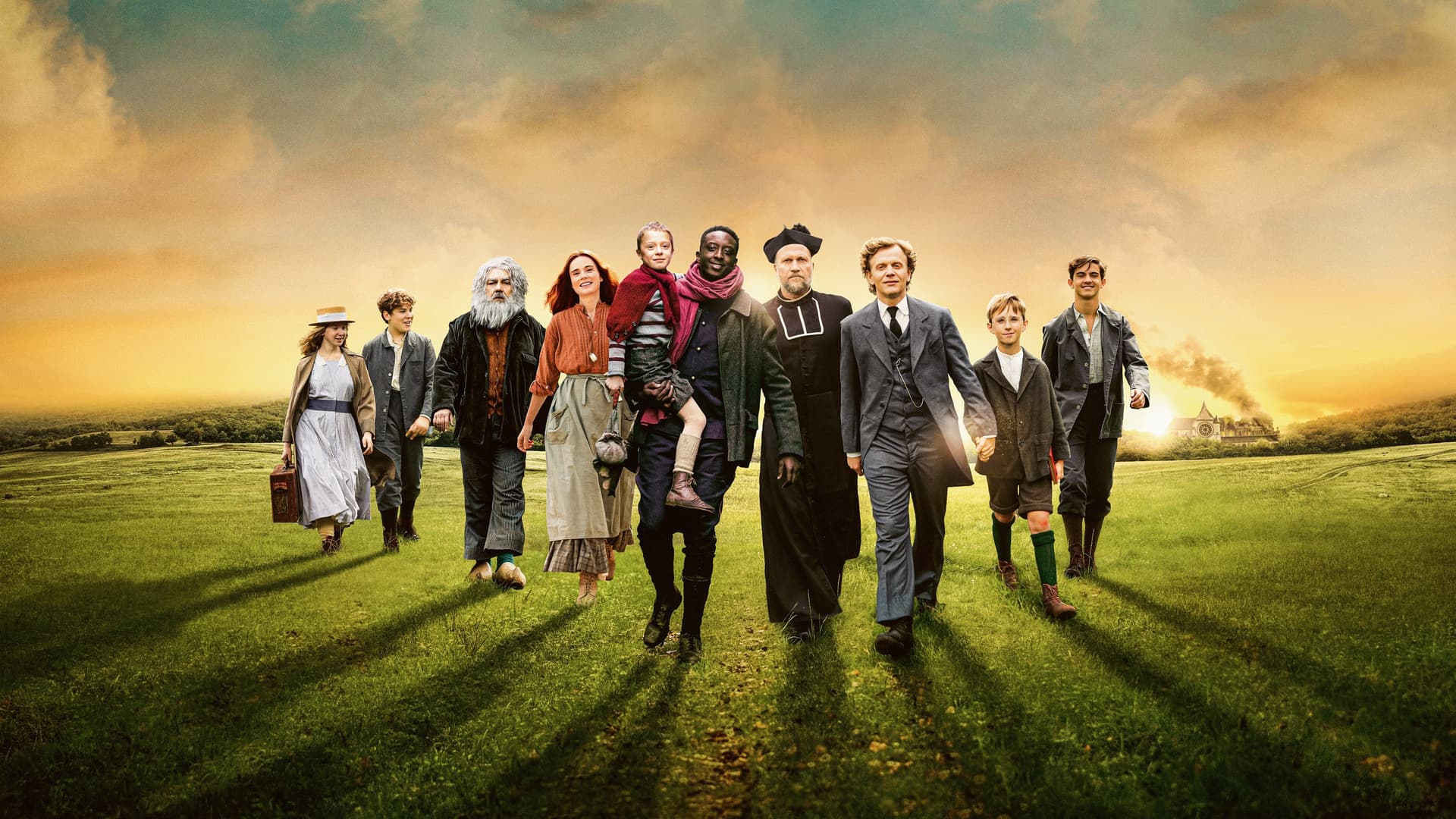
August 1914. While the German army is gaining ground in the North of France, four boys aged 10 to 15, LUcien, LUcas, LUigi and LUdwig are left behind during the evacuation of their orphanage. Without the protection of Abbé Turpin and the schoolteacher Leutellier, the Lulus are now stranded on their own behind the enemy front line. Soon joined by LUce, a pretty young girl separated from her parents, they decide to reach the neutral country of Switzerland by all means possible... they embark on an adventure for which nothing and no one has prepared them!
Searching for Skylab, America's Forgotten Triumph
DocumentaryHistory
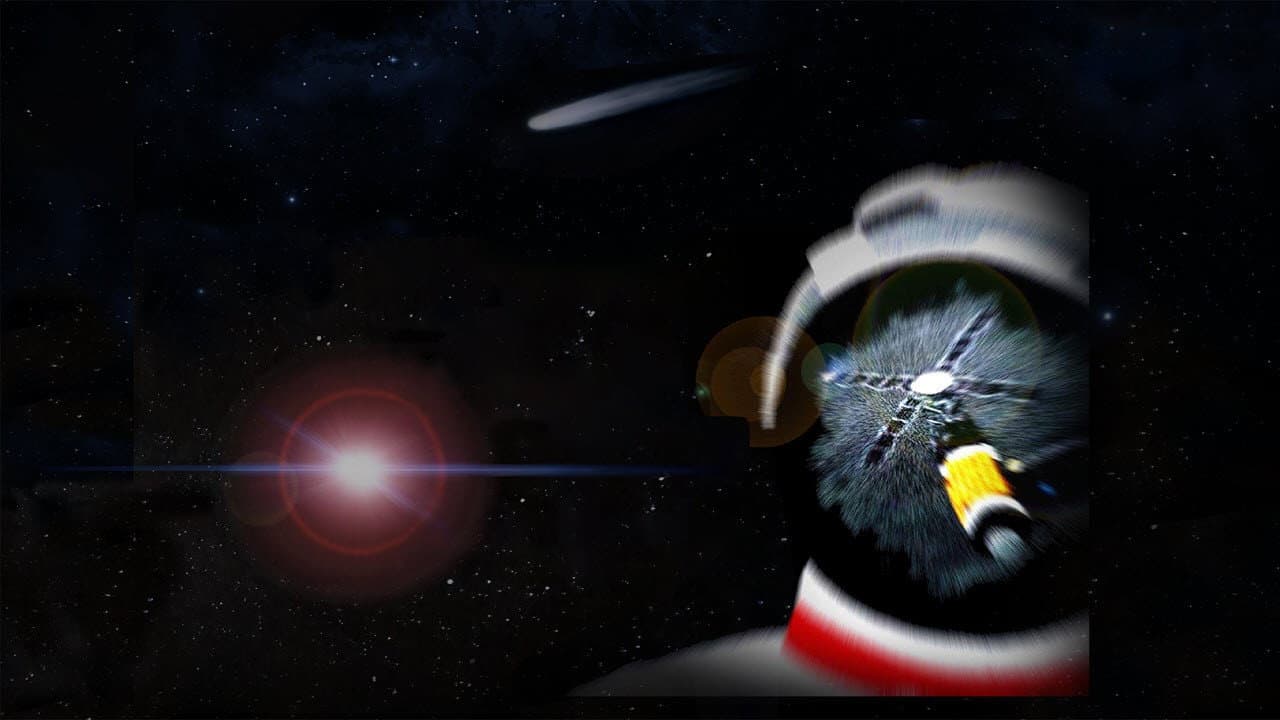
The first American space station Skylab is found in pieces scattered in Western Australia. Putting these pieces back together and re-tracing the Skylab program back to its very conception reveals the cornerstone of human space exploration.
Dangerous Liaisons: A Feminist Manifesto?
DocumentaryHistory
Well known for its exploration of seduction and revenge, the “Dangerous Liaisons” by Choderlos de Laclos caused a scandal from its first publication in 1782. Despite – or because of the scandal – the book was a top-seller. Since then, it stood the test of time. Combining eras, continents and people, the novel is adapted around the world. Marvelous tool for reflection on the female condition, social satire announcing the Revolution, remarkable work on the conflicting nature of love but also of the gender war, consecration of the power of the words, a libertine manual… “Dangerous Liaisons” is all of these at once.
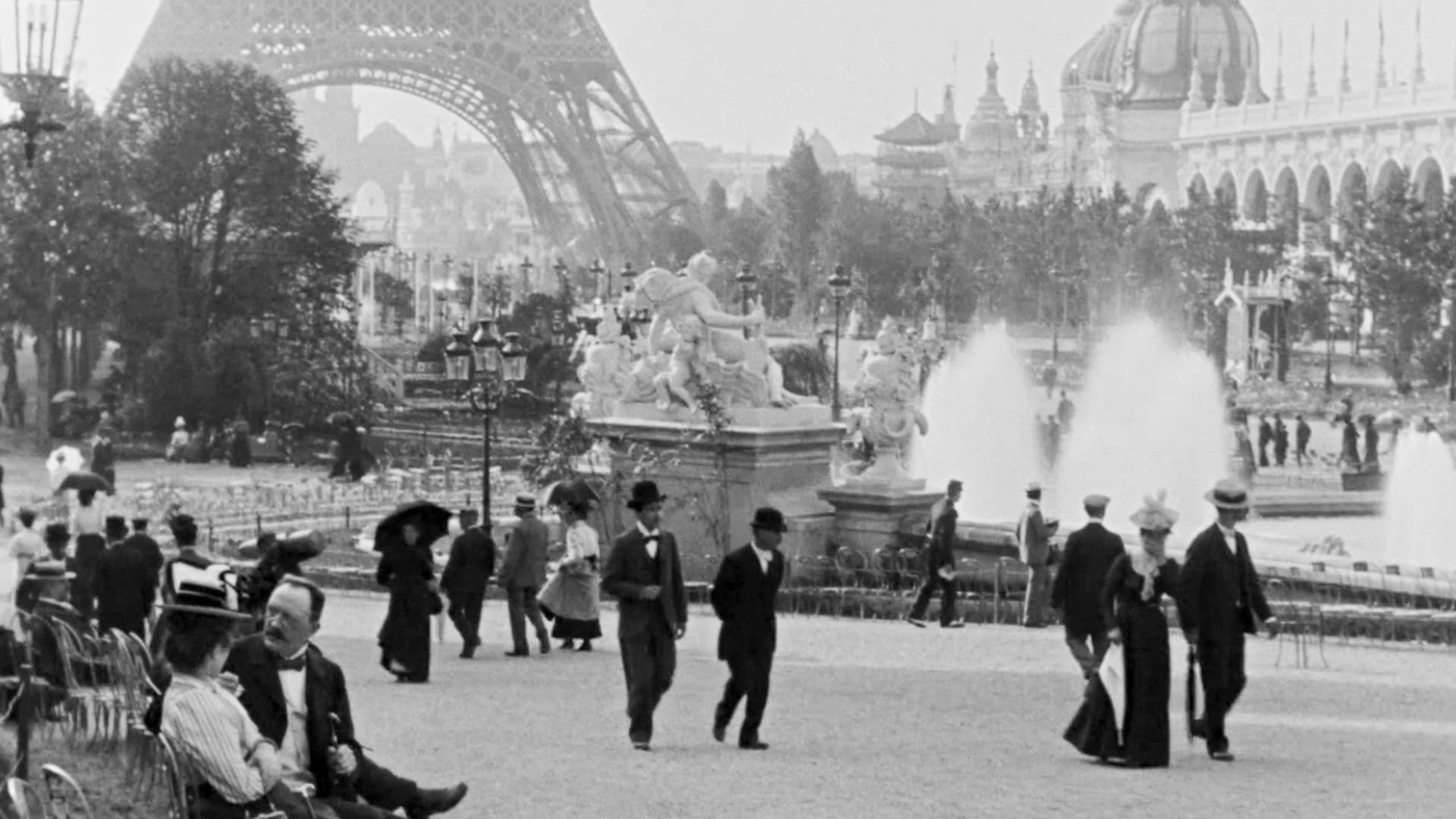
Lumière, Le Cinéma!
DocumentaryHistory
In one of those wonderful coincidences of history, lumière, the French word for “light,” was also the last name of brothers Auguste and Louis, whose brilliant invention, the cinematograph, helped to inaugurate the most beloved art form of the last 130 years. Institute Lumière director Thierry Frémaux uses Lumière, Le Cinema! to guide the viewer through over a hundred shorts—some famous, some forgotten, some never before seen—directed by Lumière and company. In the process, Frémaux illuminates how the brothers employed the camera as a creative instrument as they (and their operators) mastered framing, staging, and subject selection for quotidian and exotic microdocumentaries as well as the first ever fictional motion pictures. The result is not only a glorious re(telling) of the genesis of cinema but a profound meditation on the beautiful world captured—and the mysterious world imagined—by the Lumières.

Berthe Morisot
DramaTV Movie
At 25, Berthe dreams of making a living from her painting, never to marry, and to always stay with her sister Edma. Her parents do not see things from the same angle. Then Berthe meets Edouard Manet, who takes an interest in this young artist apprentice whose face inspires him.
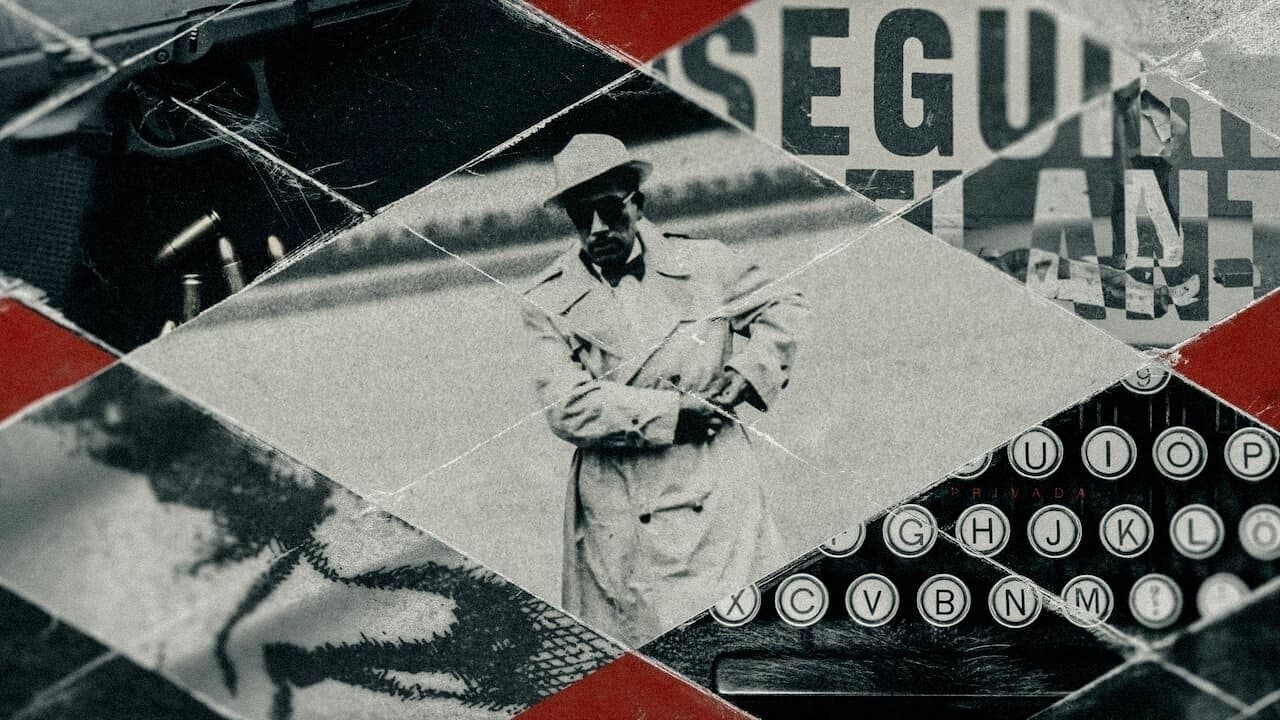
Private Network: Who Killed Manuel Buendía?
DocumentaryHistory
An account of the life and work of the famous Mexican journalist Manuel Buendía (1926-84) that seeks to unravel his murder and the links between Mexican politics and drug trafficking.
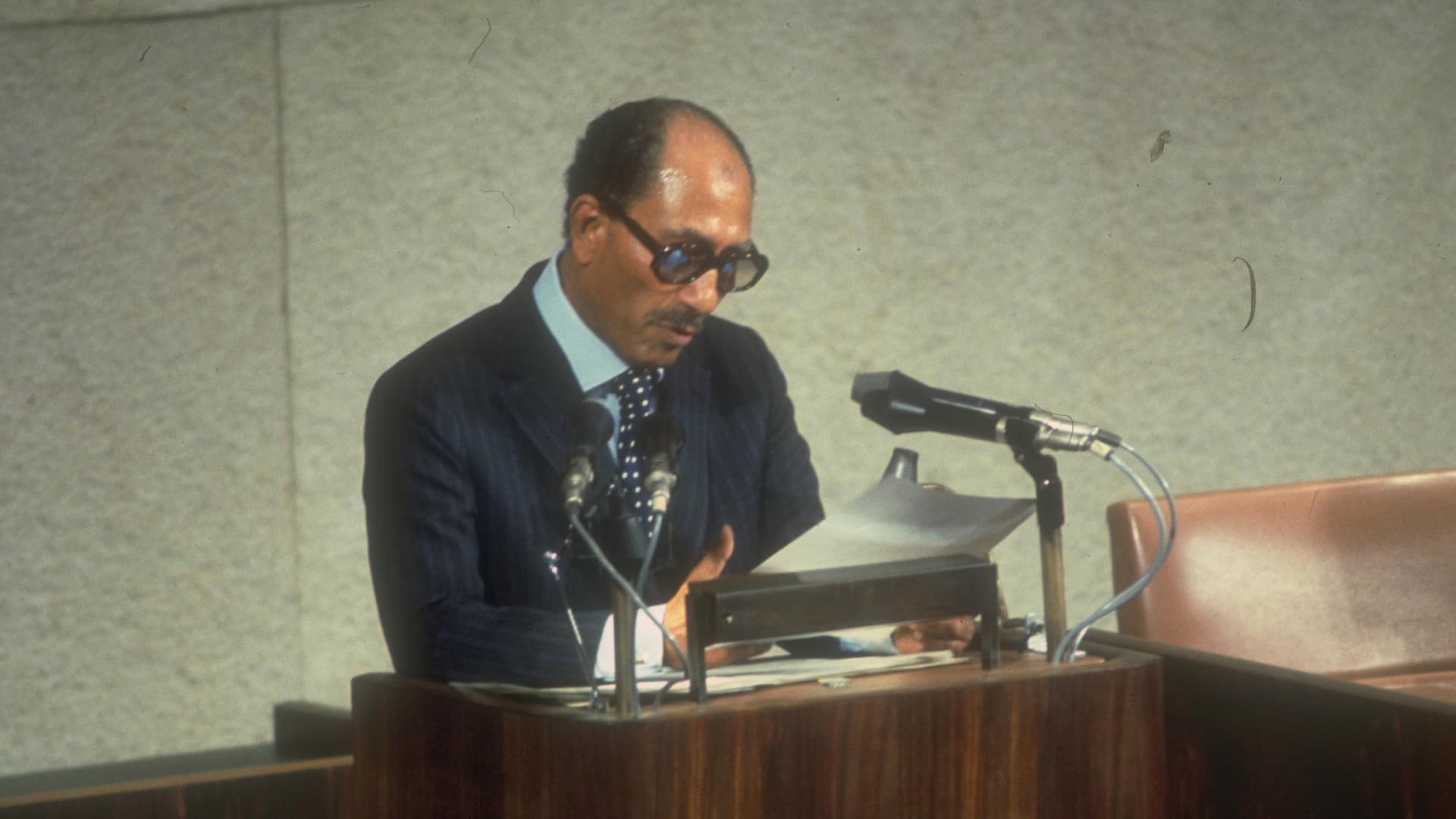
Why was Cairo Calm
DocumentaryHistory
It begins in the days after Sadat's assassination in 1981 by an islamist cell of army officers. The American media had led an outpouring of shock and grief in the United States at the death of the heroic president. All the western leaders then travelled to Cairo to say goodbye to the man who had courageously changed the course of history. But then they found that practically no Egyptians turned up to the funeral. And the western politicians and the American TV reporters couldn't understand why. The documentary tries to find the answer.

Pompeii: Life and Death in a Roman Town
DocumentaryHistory
The volcanic eruption that ravaged Pompeii in year 79 is one of the most famous in history. It is known how its victims died, but how did they live? A new insight into the lives of the people who lived in the shadow of Mount Vesuvius before its cataclysmic eruption.