History

The Lead
ActionHistory
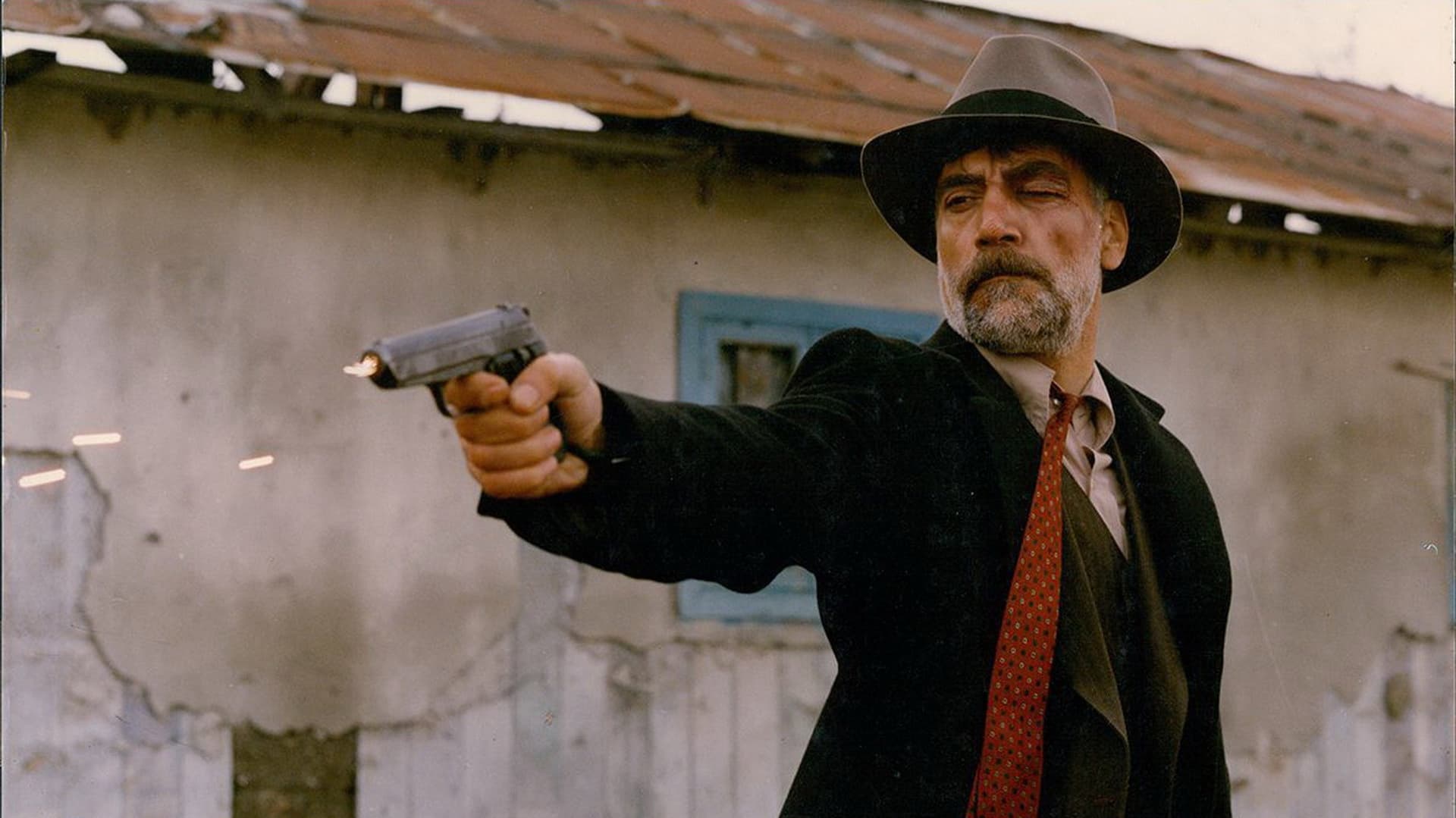
Tehran, 1948. A young Jewish couple, Danial and his wife Munes, decide to immigrate to the recently founded state of Israel. But their application is rejected on the ground of the documents against Danial's uncle, Yaghub, how is suspected of betrayal. A Zionist agent, named Yezghel, finds out Yaghub's home and stabs him. One of Yaghub's neighbours who witnesses the crime is blamed for murder. Fearing for their lives, Munes and Danial escape to the north of Iran in order to leave the country. The Neighbour's brother, Nuri, a journalist, sets off on their heels to bring them to the court to give testimony on his brother's innocence.
Niagara: A History of the Falls
DocumentaryHistory
The history of Niagara Falls and the people that made it famous.
Laugh or Die
DramaHistory
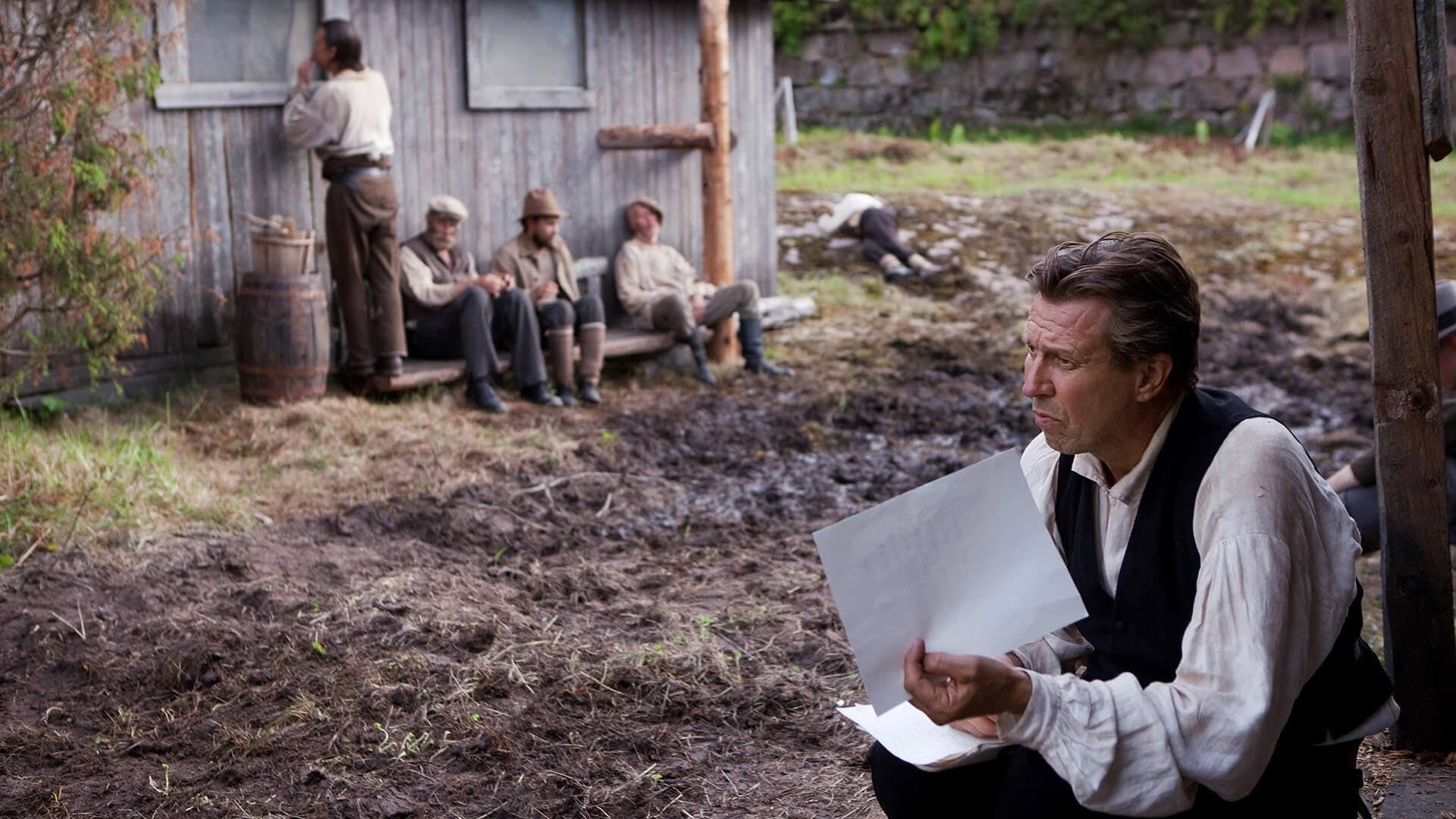
Parikka, the actor once called the Funniest Man in Finland, and his troupe are about to be executed for the atrocities committed during the Civil War in Finland. Jaeger Lieutenant Nyborg, an admirer of Parikka, suspects a definite miscarriage of justice. He wants to save the actors. The forthcoming visit of the German General von der Goltz to the prison island provides him with a suitable opportunity. Nyborg suggests that the actors prepare a comical performance for the visitor and not be shot. Instead, they will be given a new trial. Preparing a comedy in the horrible circumstances, in the midst of hunger and death, seems quite an overwhelming task. Only a handful of real actors are still alive, the rest of the troupe consists of stagehands. Parikka has to use all his inventive skills to be able to produce something funny.
Jewelry Of India
DocumentaryHistory
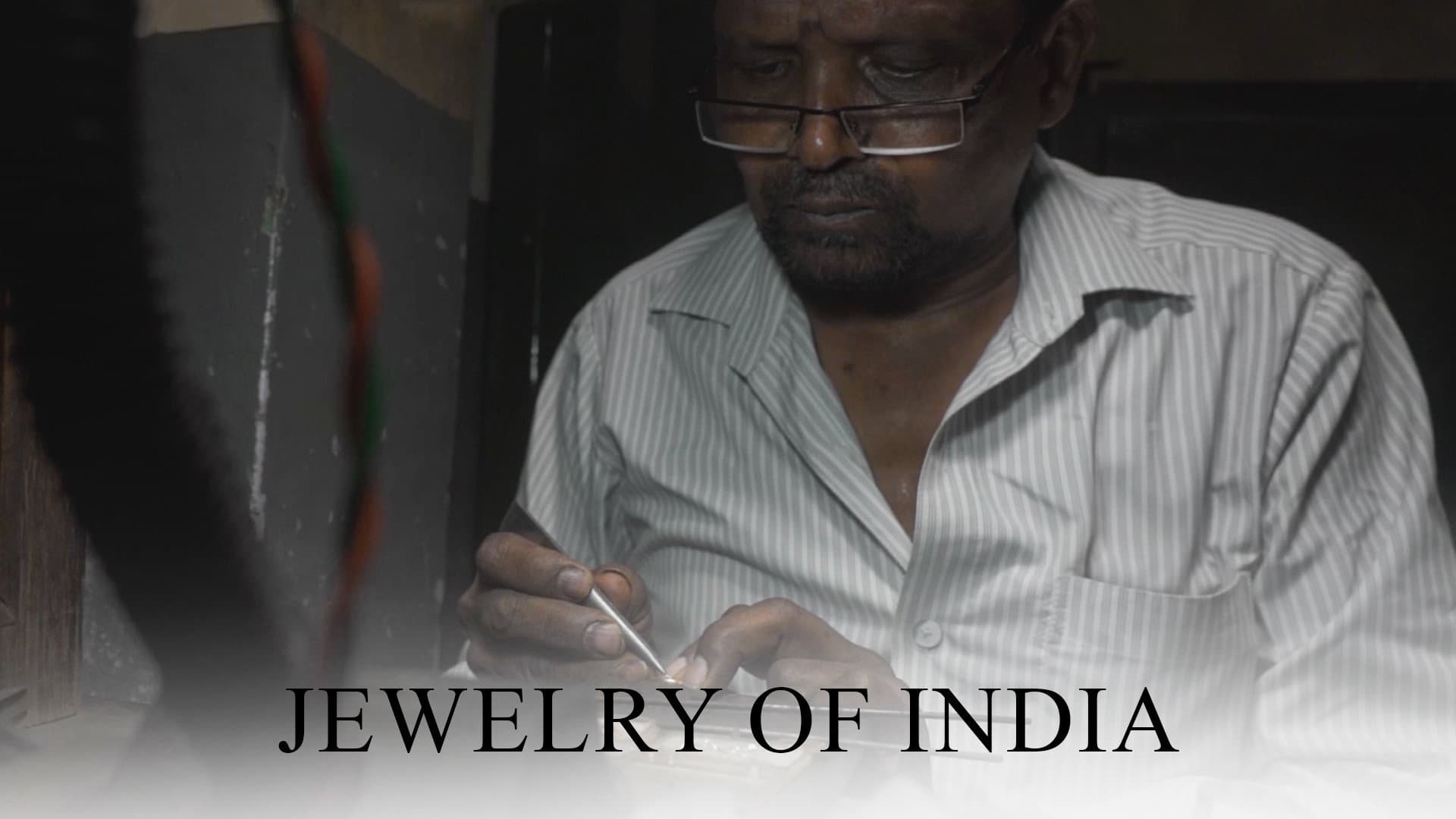
Mother India is home to many castes, tribes and religions and one common factor that brings this diverse country all together is Jewelry. Come explore the deep history and culture of the jewelry of India dating back more than 5000 years. As we explore the history we also take you into Bangalore, India and talk to local Jewelry Stores and Jewelry Artisans as they share their stories and their family history of their involvement in jewelry going far back into their family ancestry.
The American Dream: Europeans in the New World
DocumentaryHistory
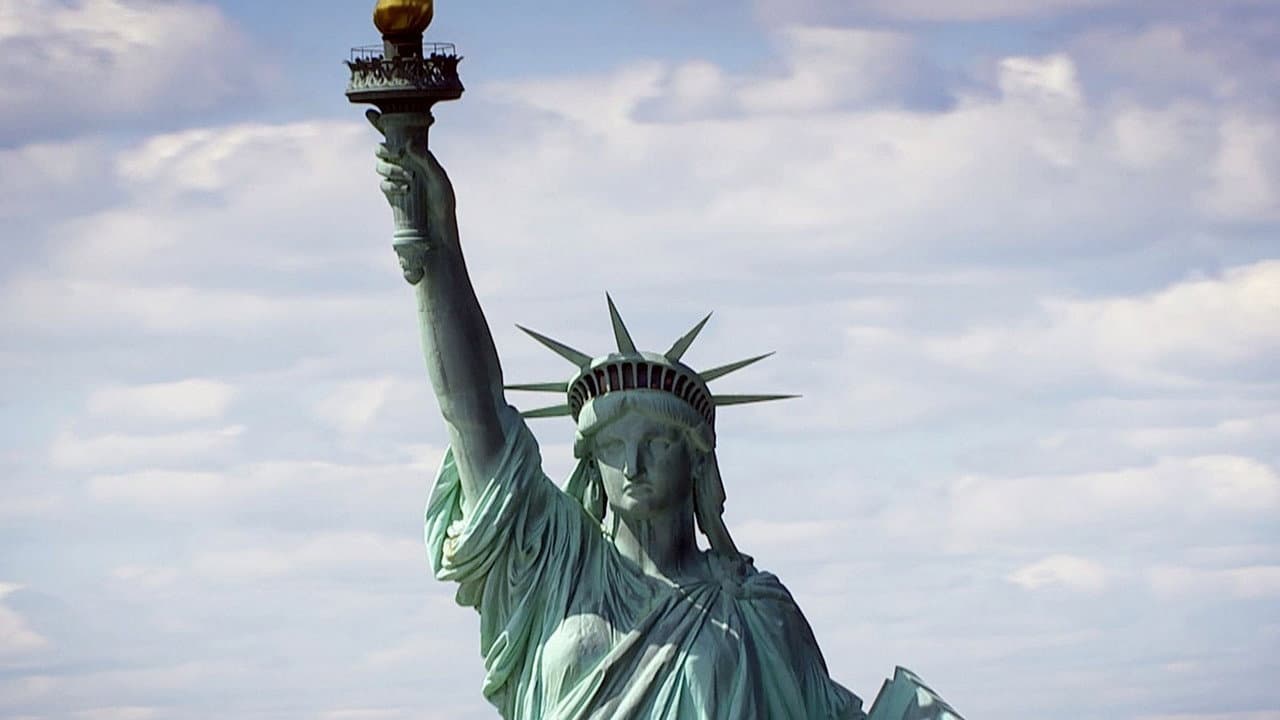
The history of Europeans in North America, from the arrival of Columbus in 1492 to the business success of German immigrants such as Heinz, Strauss or Friedrich Trumpf, Donald Trump's grandfather. During the 19th century, thirty million people — Germans, Irish, Scots, Russians, Hungarians, Italians and many others — left the old continent, fleeing poverty, racism or political repression, hoping to make a fortune and realize the American dream.
The Little Animals of Anthony van Leeuwenhoek
History
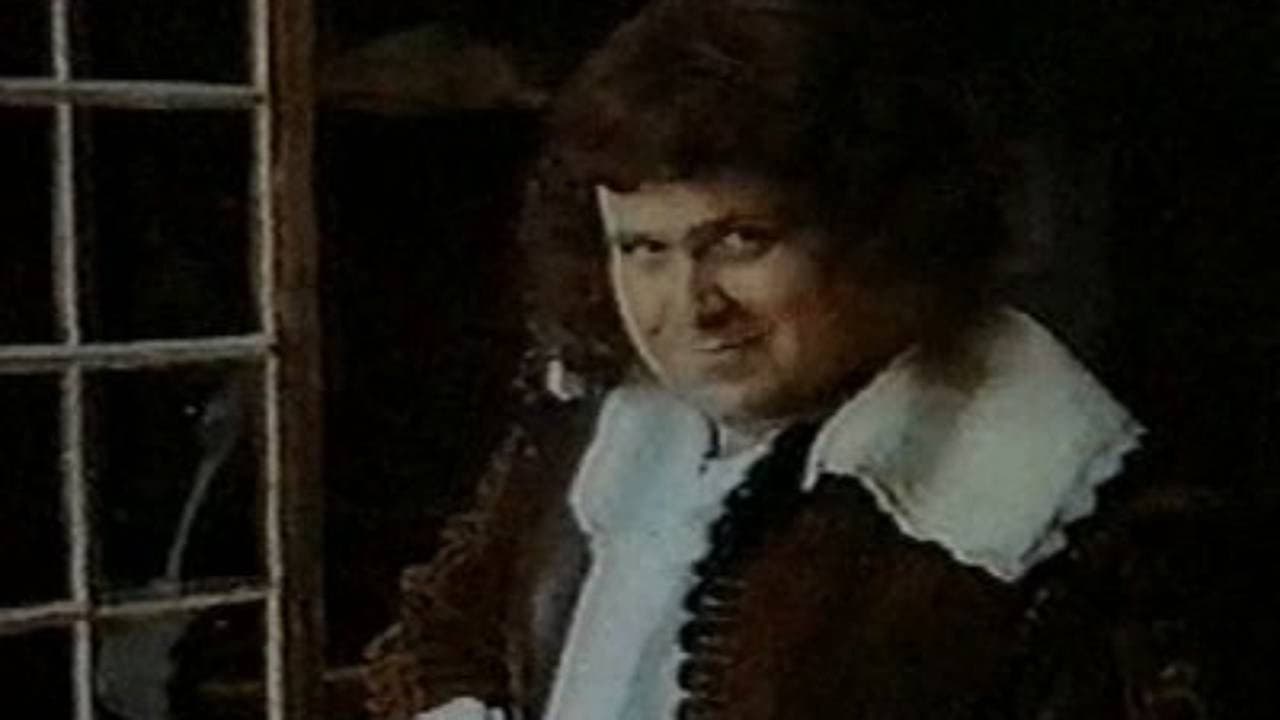
Anthony van Leeuwenhoek, a Dutch naturalist of the 18th century, the founder of scientific microscopy, makes a lens in his workshop. He is visited by an English scientist, a member of the Royal Society of London. Leeuwenhoek shows the scientist his "microscope". A scientist examines a flea, mold on bread, and other objects through a "microscope." He recommends that Leeuwenhoek write about his invention to the Royal Society of London. Leeuwenhoek refuses. The scientist writes the letter himself. Leeuwenhoek examines different objects through a "microscope". He is visited by a friend of Google, with whom he shares his observations. Leeuwenhoek and Google talk about the origin of the "little animals" in the water. Leeuwenhoek takes samples of rainwater and pond water. The simplest microorganisms, taken through a microscope. Leeuwenhoek writes a letter in which he outlines the results of his research.

Well
DocumentaryHistory
In the 1990s many people in Kurdistan were taken into custody and interrogated under torture; their killers disposed of the bodies by throwing them out of helicopters, or burying them in acid-filled wells. Thousands were murdered/disappeared by paramilitary forces—such as Jitem and Hizbul-Kontra—that were financed and supported by the state, though they have always stuck to the line: “We didn’t do it.” The documentary looks at the case of seven people, including four children, who were disappeared from the town of Kerboran [Dargeçit] in 1995, and tells the story of their families’ tireless search for their bones
The Dead Nation
DocumentaryHistory
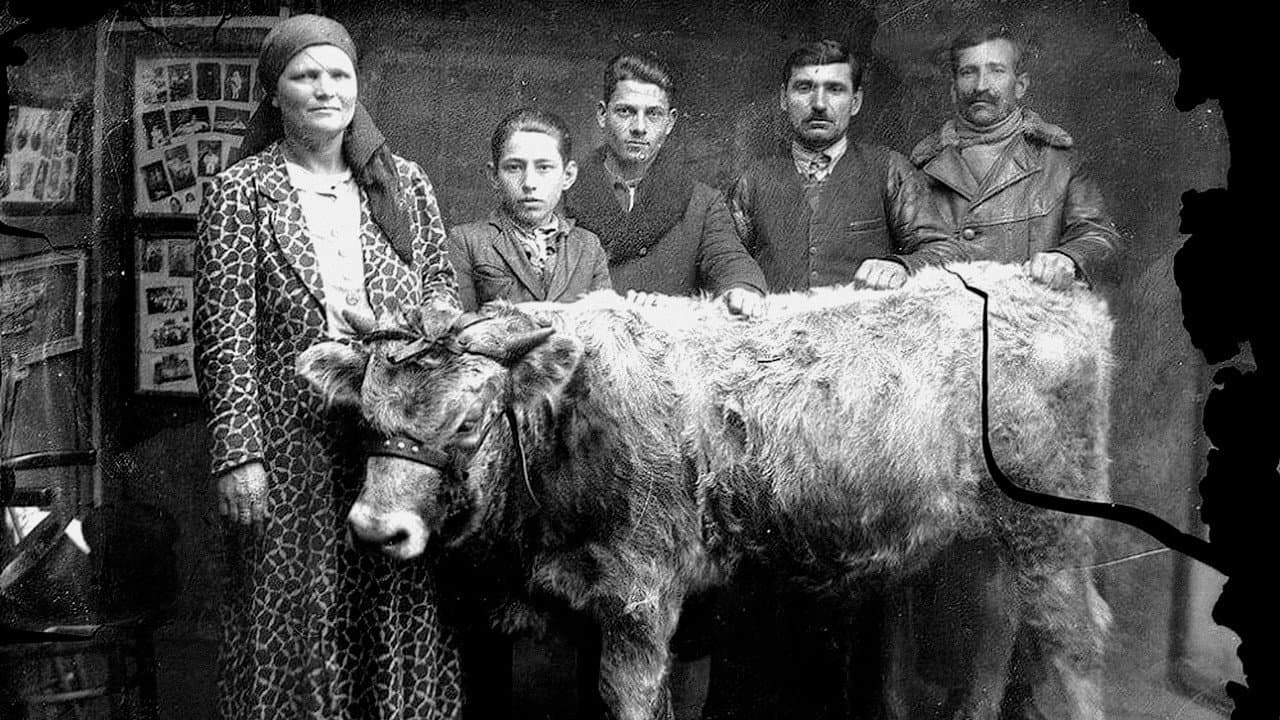
A documentary-essay which shows Costică Axinte's stunning collection of pictures depicting a Romanian small town in the thirties and forties. The narration, composed mostly from excerpts taken from the diary of a Jewish doctor from the same era, tells the rising of the antisemitism and eventually a harrowing depiction of the Romanian Holocaust.
1964
HistoryDocumentary
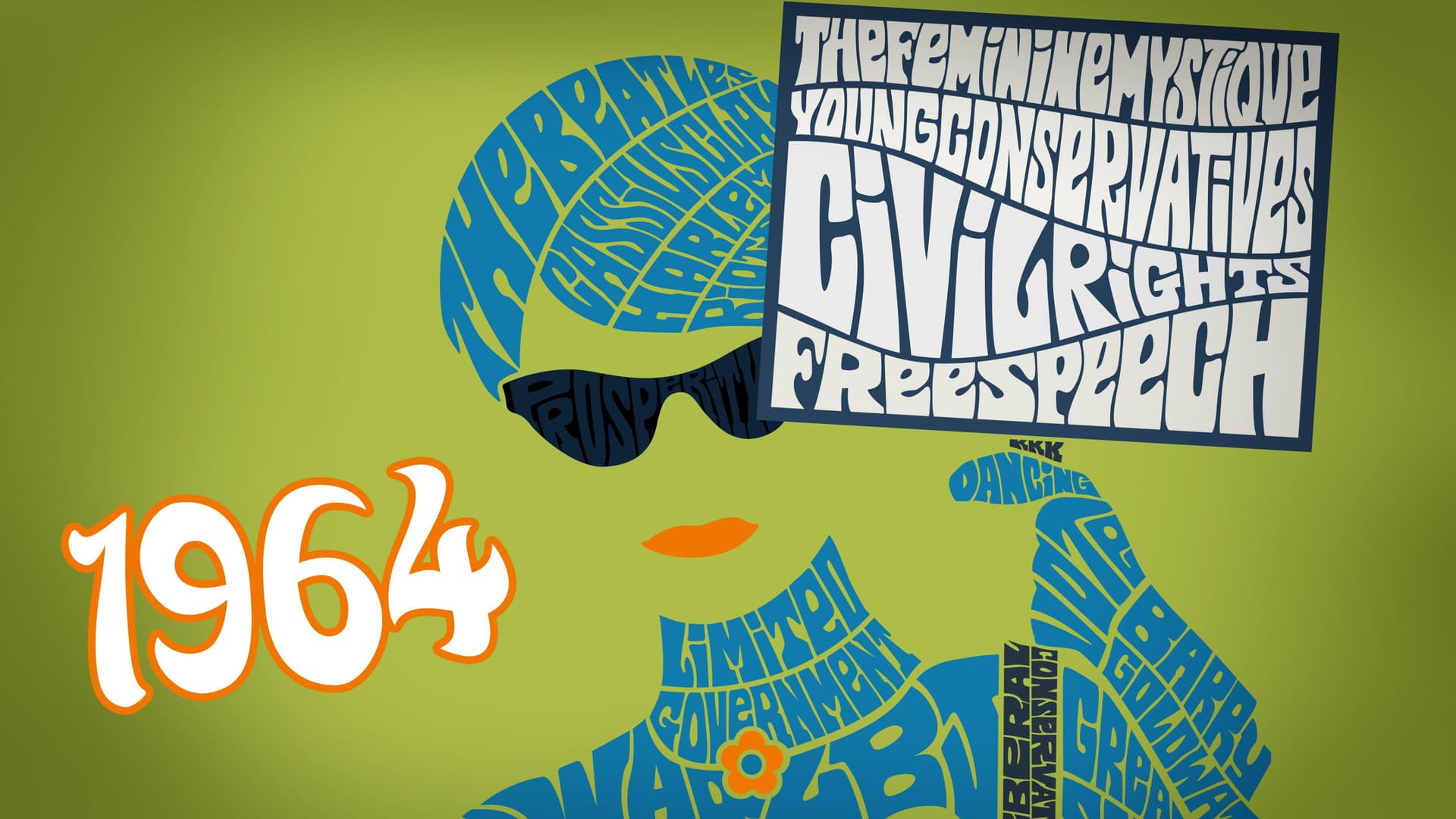
1964 was the year the Beatles came to America, Cassius Clay became Muhammad Ali, and three civil rights workers were murdered in Mississippi. It was the year when Berkeley students rose up in protest, African Americans fought back against injustice in Harlem, and Barry Goldwater’s conservative revolution took over the Republican Party. In myriad ways, 1964 was the year when Americans faced choices: between the liberalism of Lyndon Johnson or Barry Goldwater’s grassroots conservatism, between support for the civil rights movement or opposition to it, between an embrace of the emerging counterculture or a defense of traditional values.
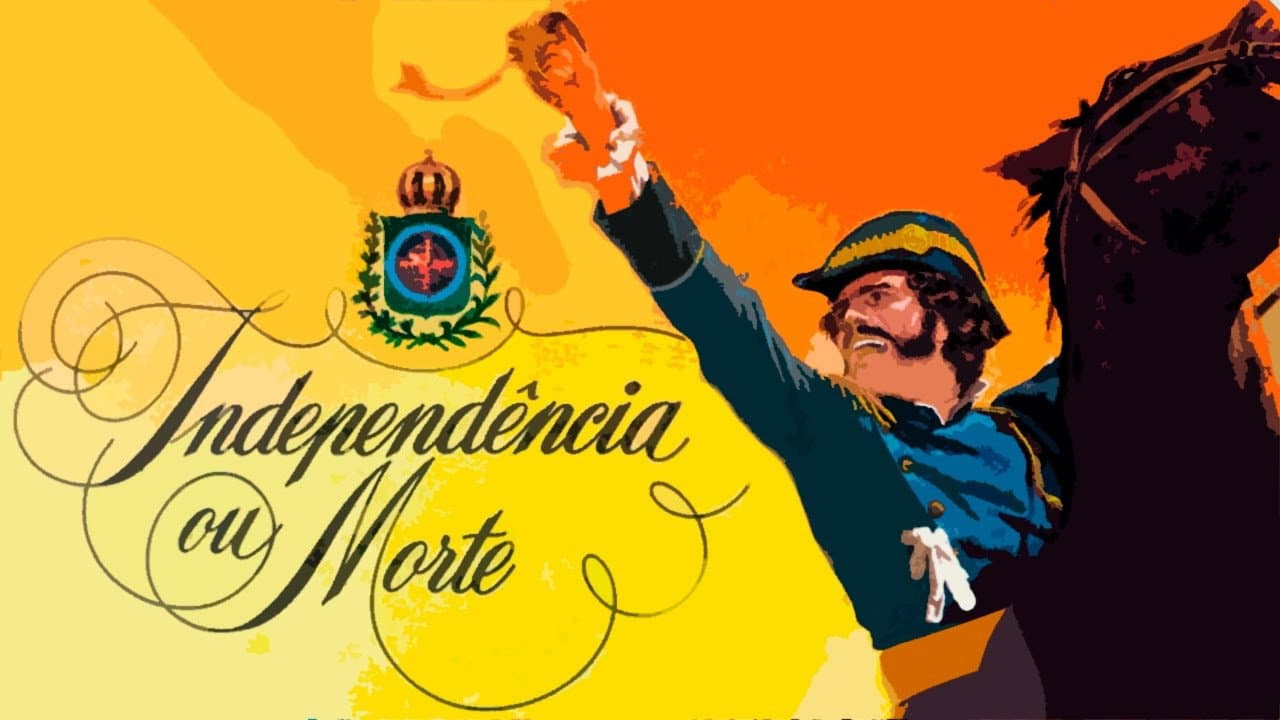
Independência ou Morte
DramaHistory
The story of how D. Pedro I proclaimed the Brazilian independence on September 7th, 1822, and rose from prince of Portugal to first emperor of Brazil.
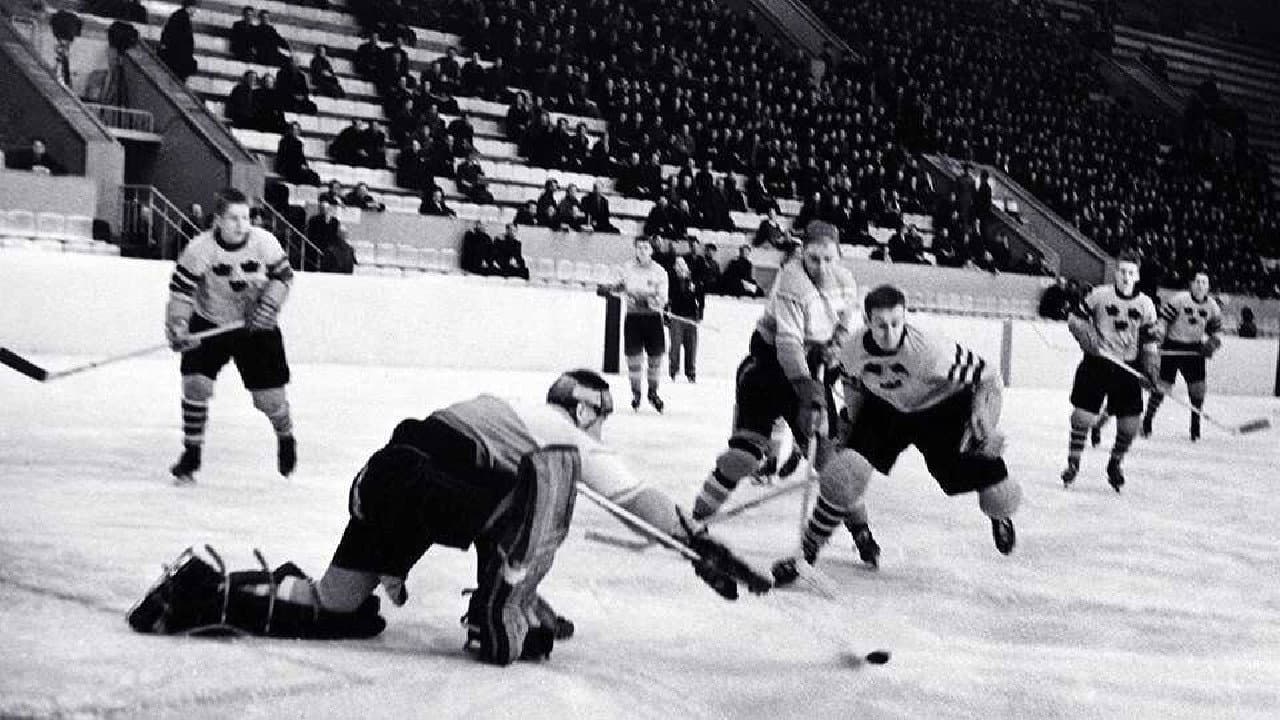
Året var 1957
DocumentaryHistory
1957 - this is when the space age begins. The Soviets send up Sputnik 1 and 2. The whole world searches the sky for moving stars and the radio amateurs listen in their headphones for beeps from space. Ingmar Bergman's The Seventh Seal and Wild Strawberries are shown in cinemas. Stockholm gets its first female parking attendants and Tommy Steele comes to visit.
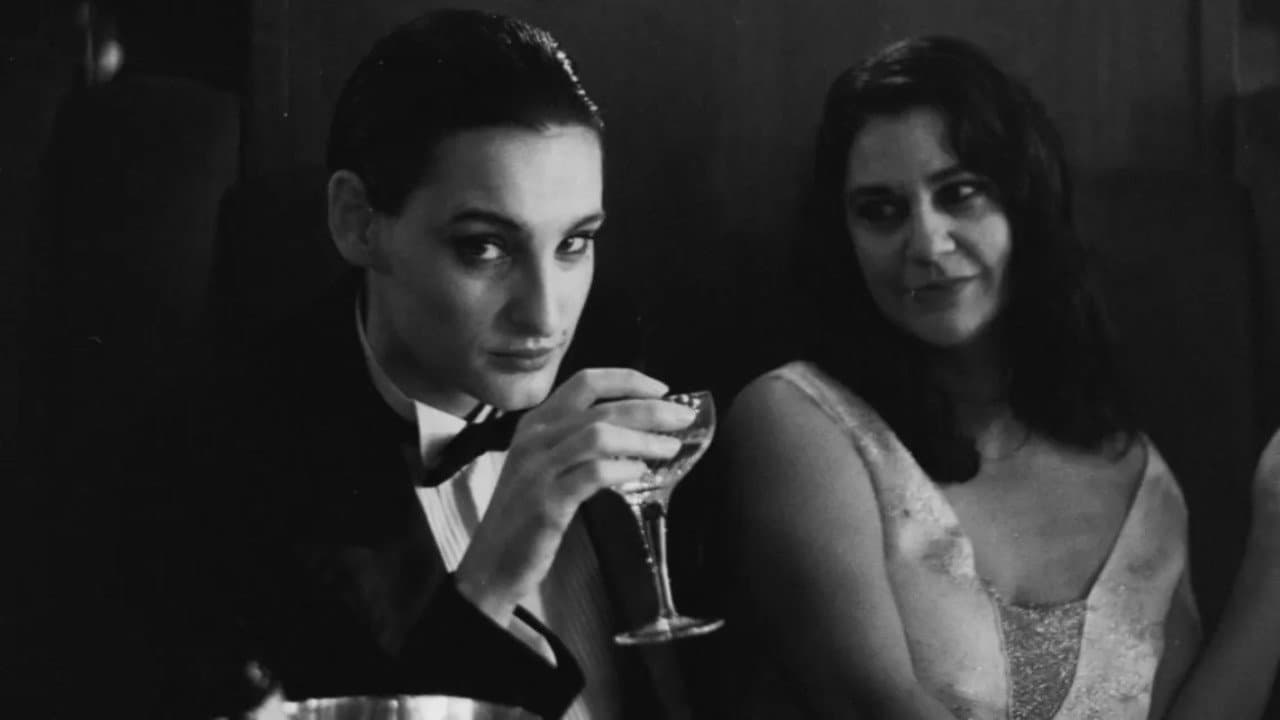
A Month With the Girls
DocumentaryHistory
The French female pioneer of immersion journalism, Maryse Choisy, who infiltrated in 1928 the prostitution underworld of Paris. Posing as a chambermaid, a lesbian bar dancer and more, she wrote a very successful and scandalous book about that avant-garde experience, and changed her mind about this world and these women's difficult condition.