History
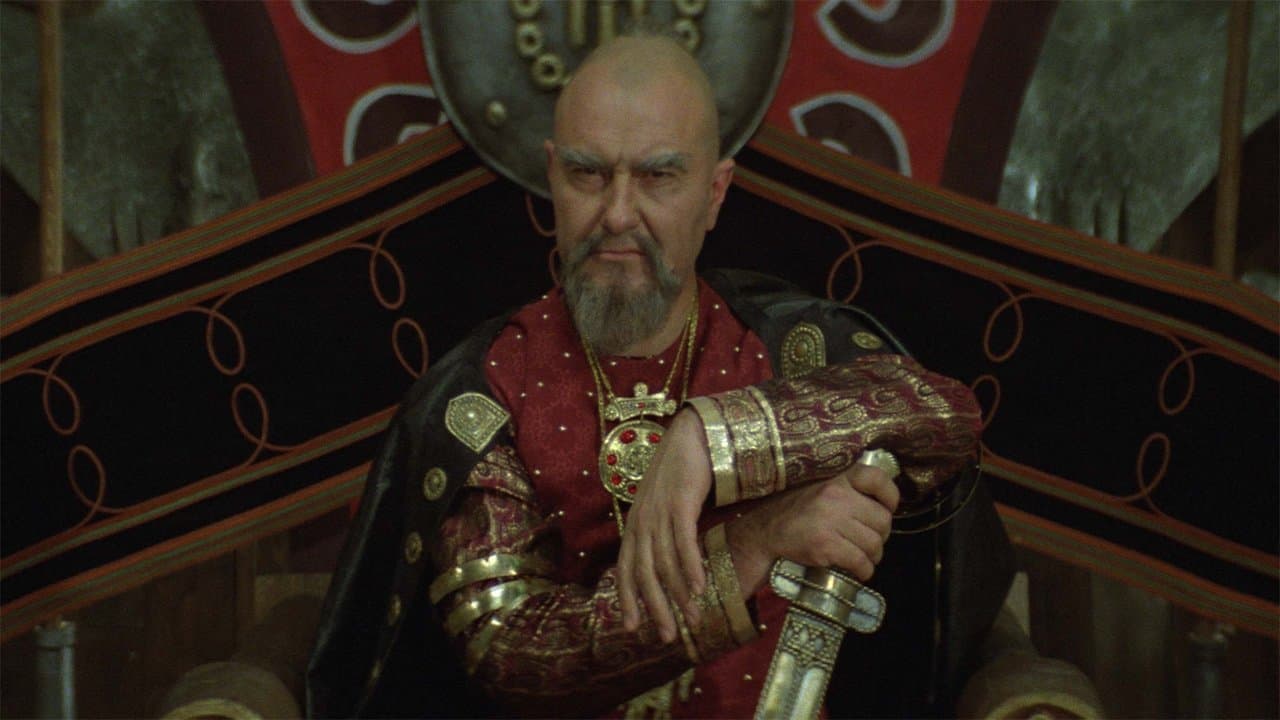
Khan Asparukh - Part I - Phanagoria
DramaHistory
This is an epic screen presentation showing the creation, the consolidation and the power of First Bulgarian Kingdom and the first Bulgarian ruler Khan Asparuh. This is the first part of the film trilogy about the events before the creation of the Bulgarian state in the middle of the VII century. Volga Bulgaria is straining under the attacks of the Khazars. Following the testament of his father, the sons of Khan Kubrat looking for a new home for their tribes. The youngest of them - Asparukh, wander 20 years in search of "land forever" for his people and reaches the mouth of the Danube. The film is narrated by captured Byzantine chronicler Belisarius, which should Asparukh in his journeys. Byzantine witnessed the heroic efforts of the Bulgarians to win the land south of the Danube and to create their new country.


Questo è un uomo
DramaHistory
1986. Following an accident during a mountain hike, Primo Levi is rescued by a man who is unaware of his history and does not even understand the meaning of the number tattooed on his arm. Faced with this situation, Levi feels the need, once again in his life, to recount his story and, with it, the tragedy of the Holocaust.
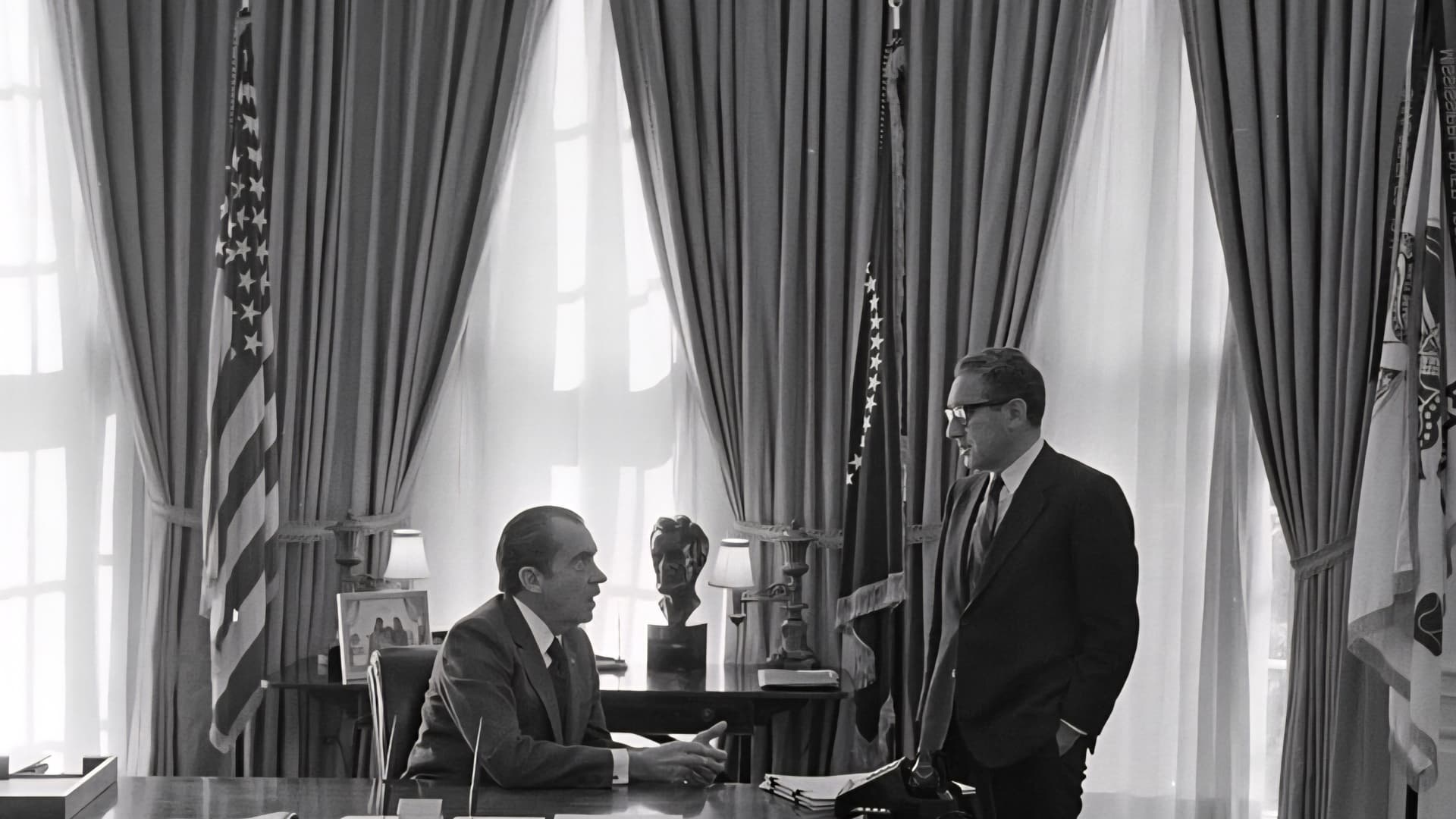
Kissinger
DocumentaryHistory
This two-part, three-hour biography, offers an incisive portrait of Henry Kissinger, the enigmatic powerbroker who served in the topmost echelons of American diplomacy. Whether celebrated or reviled, Kissinger’s contradictions reflect those at the heart of America’s foreign policy during the second half of the 20th century, a period in which America became the unchallenged superpower in the world yet often pursued policy at odds with its own highest ideals.By examining his life up to and throughout his tortured relationship with President Richard Nixon, Kissinger endeavors to understand precisely what drove his relentless drive for power. It is a story of deep contradictions — of Kissinger’s obsession with securing American supremacy, staving off nuclear war, and checking the power of our enemies, even while consorting with dictators and tolerating widespread violation of human rights.
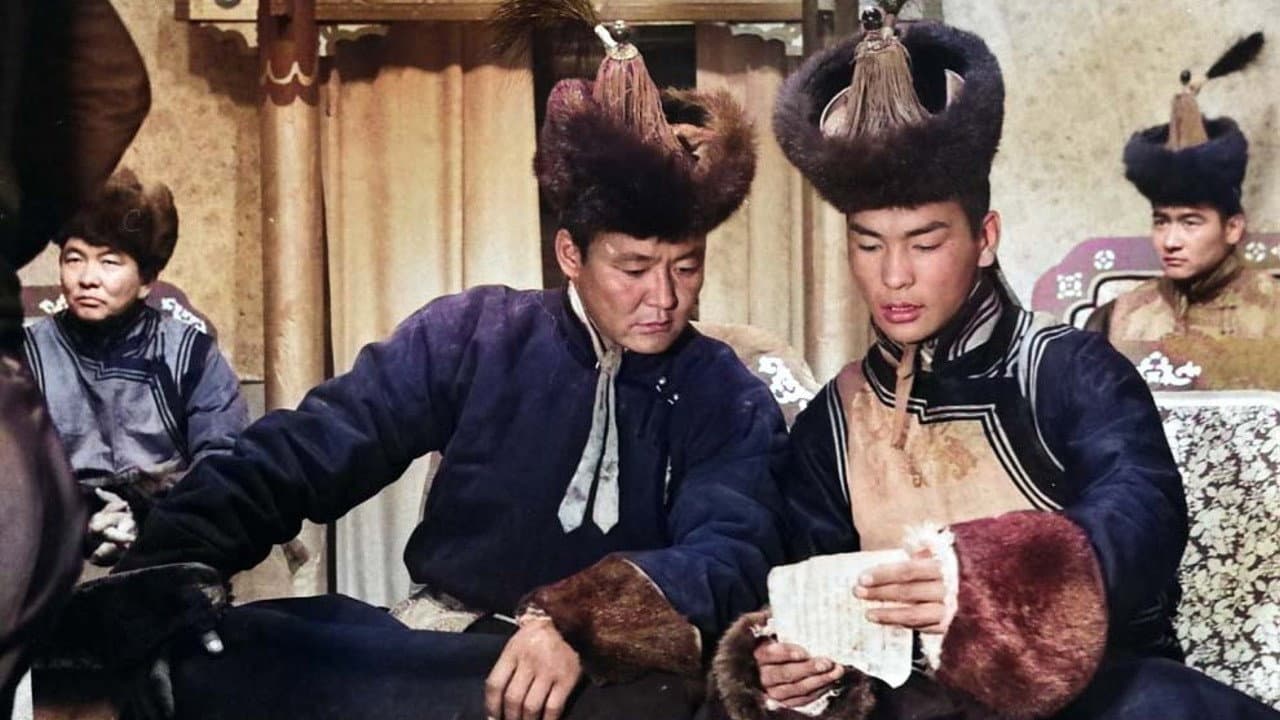
The Rays of the Rising Sun: Episode 2
WarHistory
The work reflects the historical life of the great general D. Sukhbaatar, who started participating in the People's Revolution.
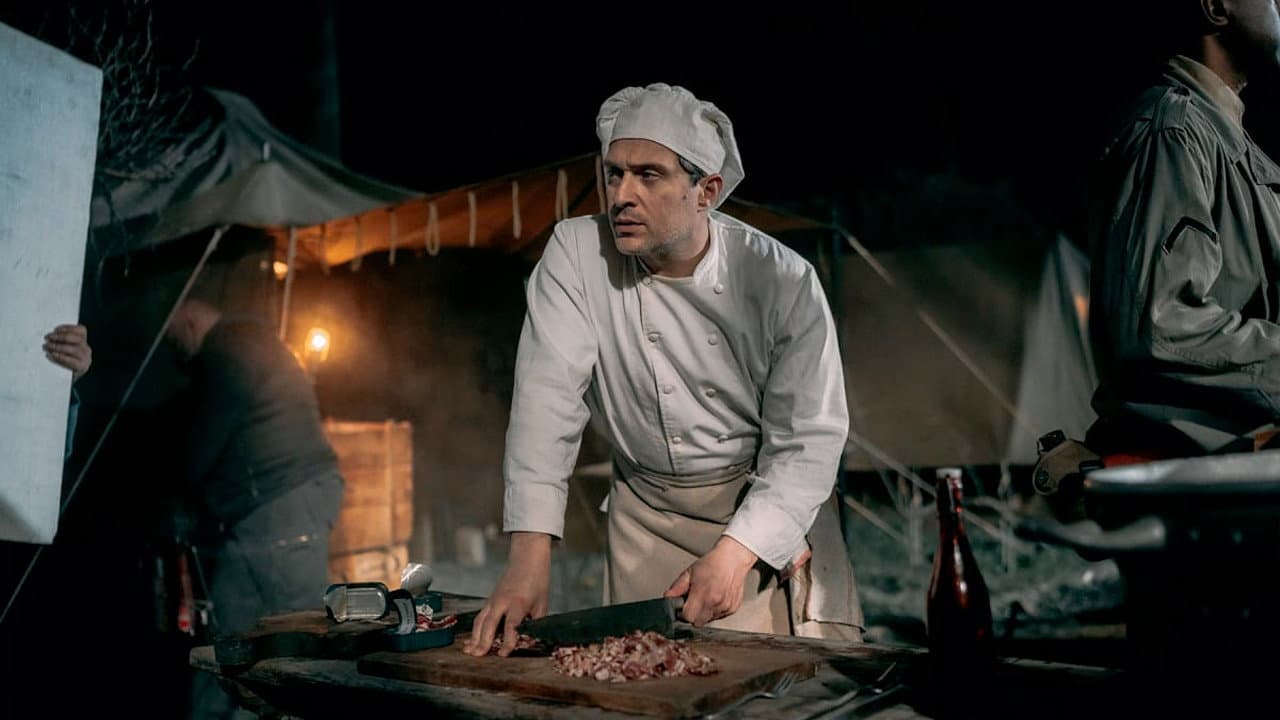
CareBonara - The Origins of Carbonara
History
Rome, 1944. An Italian cook meets a young American soldier with a mission: to set up a special meal for the Allied forces stationed in the city.
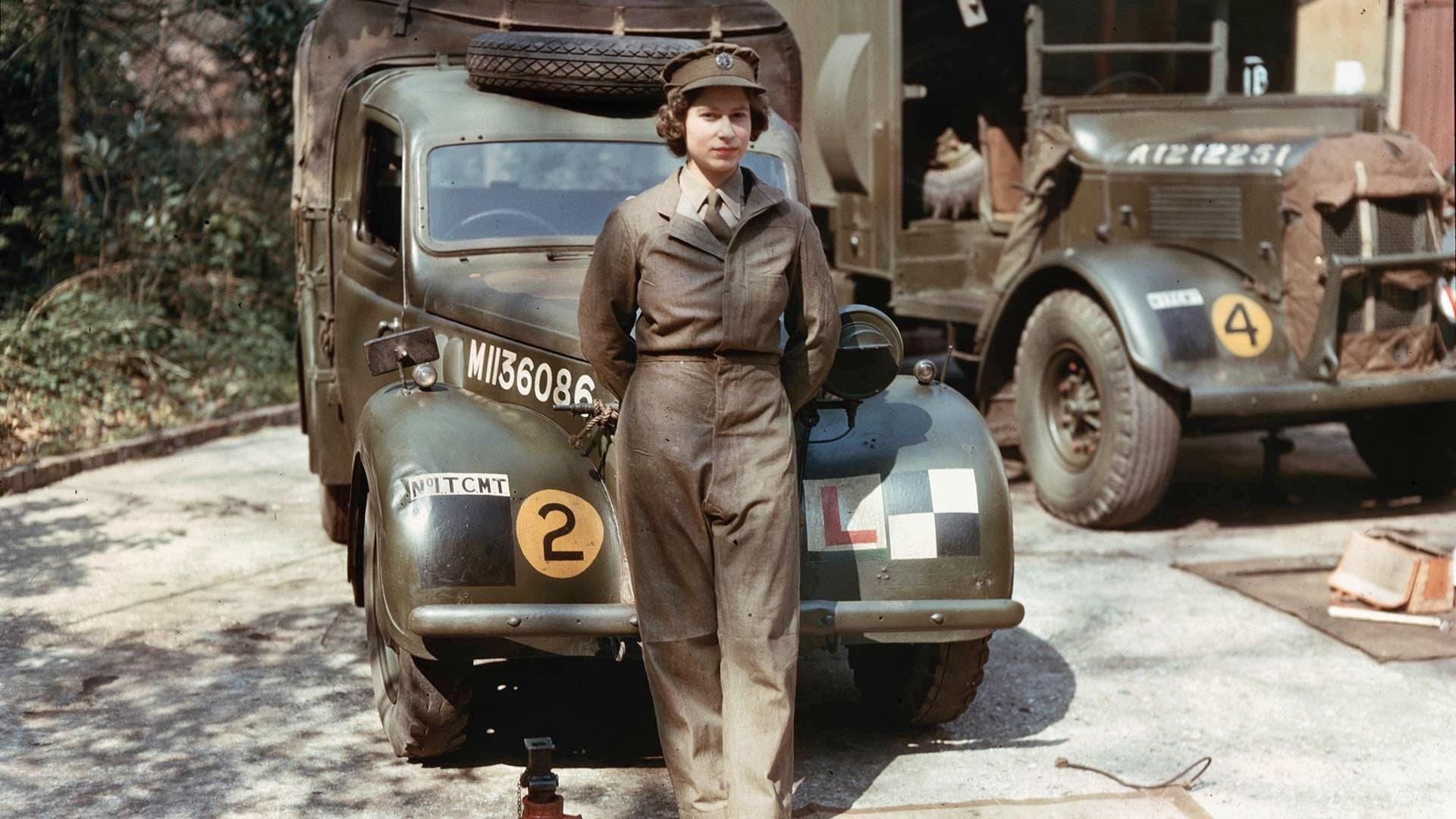
Our Queen at War
DocumentaryHistory
Learn how the longest reigning monarch in British history was shaped by World War II. Princess Elizabeth’s experiences during the war mirrored those of the public and helped shape her into the Queen she is today.
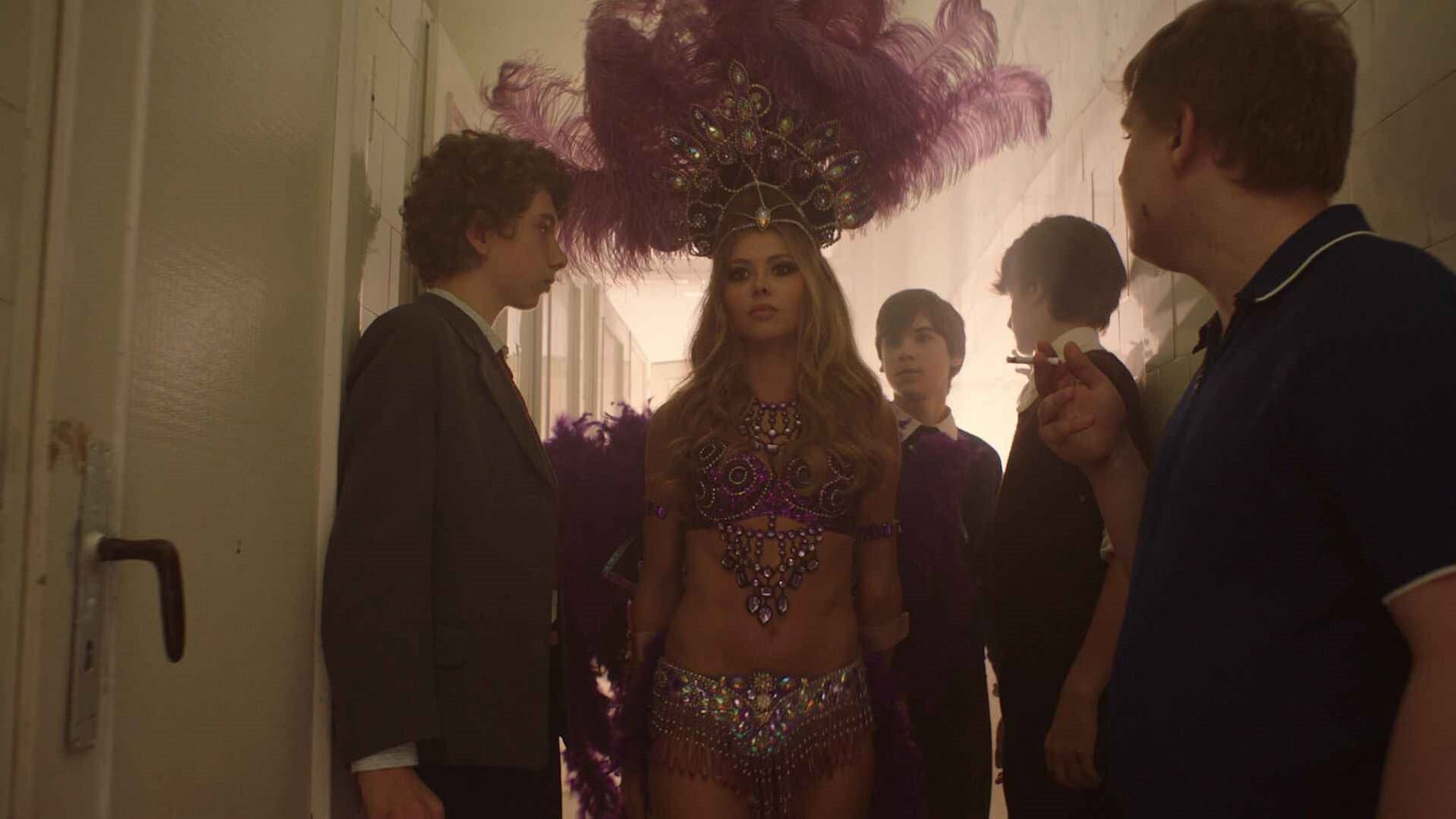
Brigitte Bardot Forever
DramaHistory
Inspired by the tale of Telemachus in Homer’s Odyssey, young Adam’s mother is persecuted by the state police because his father fought in WWII as a pilot before disappearing. Adam fantasizes about his father and one day, while watching Godard’s Contempt in the cinema, finds himself transported into the dressing room of Brigitte Bardot and into a world where he meets a coterie of her contemporary celebrities.
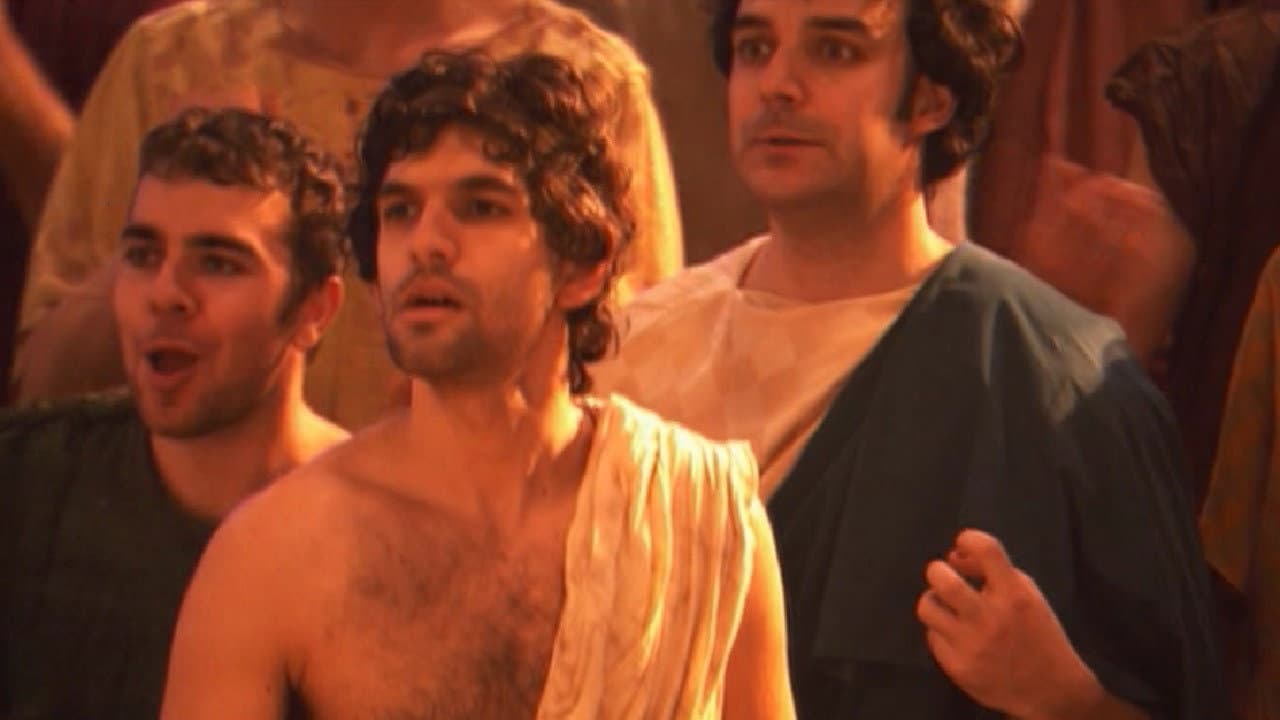
Ancient Olympics: Let the Games Begin
DocumentaryHistory
Come back with us to Ancient Greece, 2,500 Years ago to the original Olympic Games. The ancient Games, like our modern Olympics, included champions and cheaters, glory and scandals, bitter rivalries and contests of strength, speed and savage combat. Set in 448 BC when the pounding of horse's hooves and the brutal hand-to-hand combat could be heard and seen by the crowds that filled the Olympic stadium. This one-hour special event follows the glory and corruption of the arc of a single, five-day Olympiad. The competitions include chariot racing, running, jumping, discus, javelin and two man-to-man combat finals-boxing and pankration, a form of extreme fighting in which death was not uncommon. With the help of sports historians and great athletes such as George Chuvalo and Olympic medallists Donovan Bailey and Angela Schneider, viewers travel back to a very different life-in a very different world.
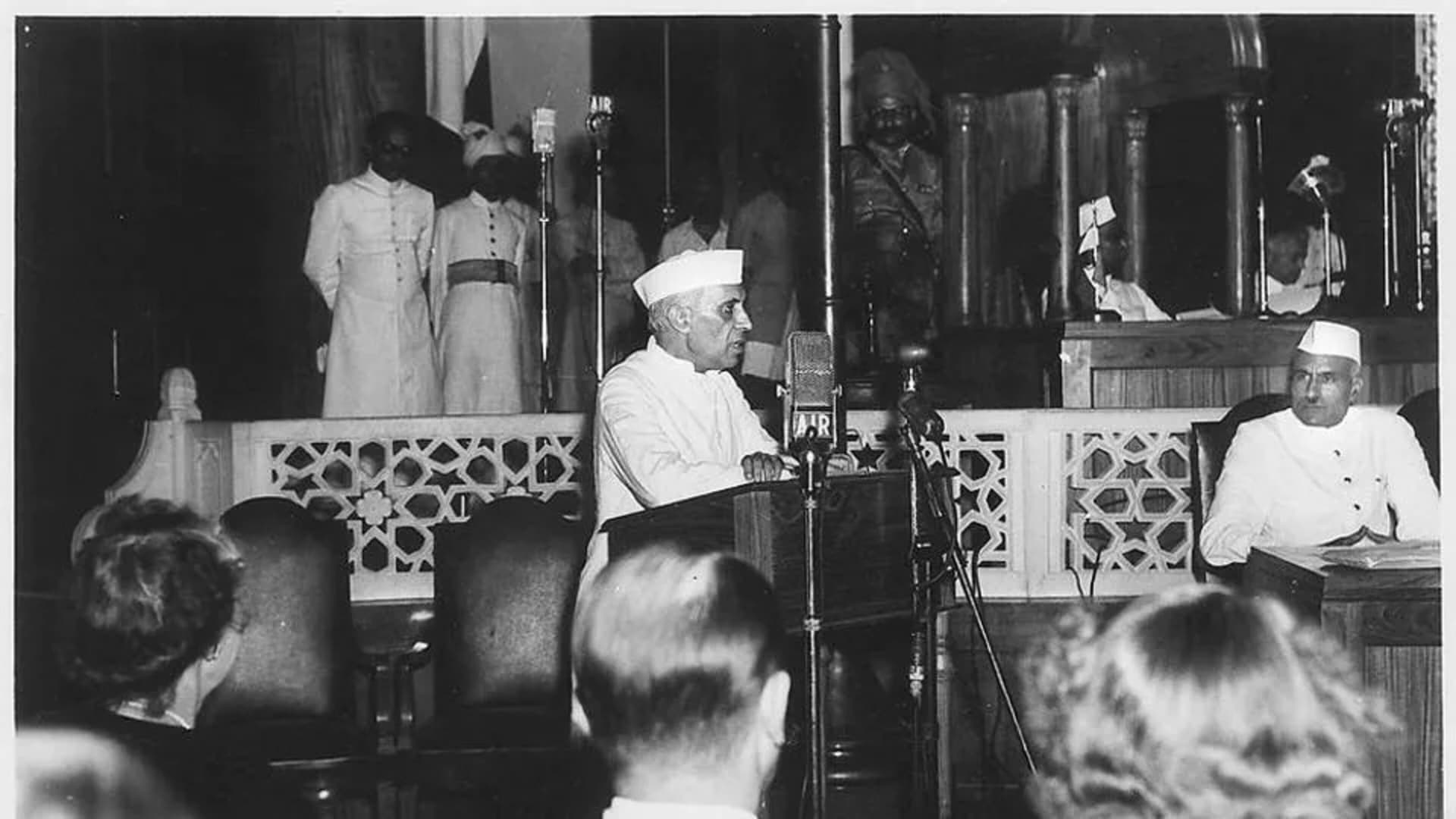
Nehru
DocumentaryHistory
Divided into three parts — The Awakening, The Struggle, and Freedom — this is a biographical film on Pandit Jawaharlal Nehru, the first Prime Minister of independent India. Relying on Nehru's writings and speeches, the film traces the evolution of Nehru from his birth through his life. It also deals with the effect of history on Nehru and in turn his impact on the world.
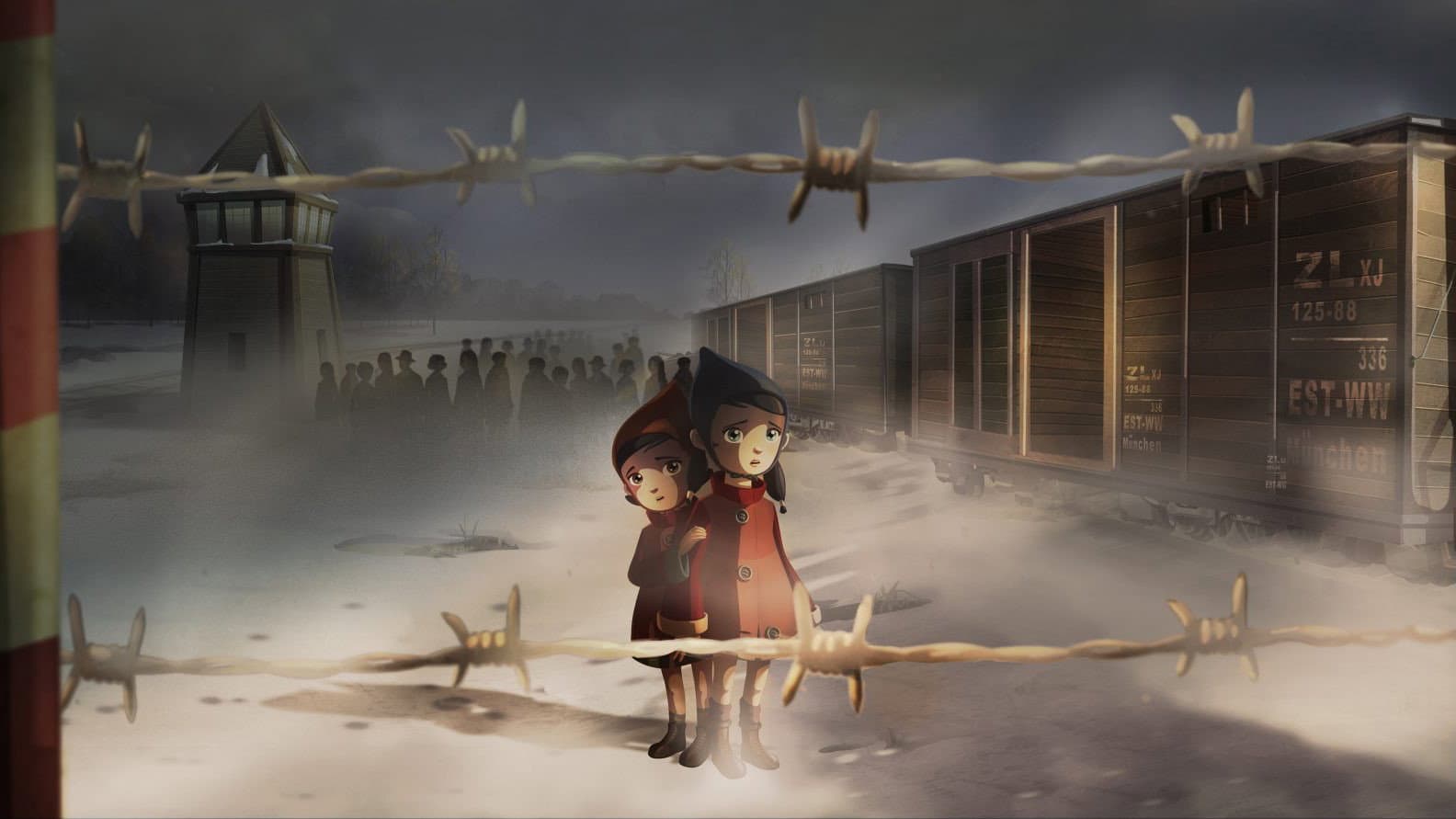
La stella di Andra e Tati
AnimationDrama
Little Andra and Tati Bucci, Italian Jews from Fiume, were 6 and 4 years old when, on March 29, 1944, they were deported to Auschwitz together with their mother, grandmother, aunt, and little cousin Sergio. They managed to survive the initial selections in the concentration camp because Dr. Mengele mistook them for twins and decided to take them to the Kinderblock, the barracks for children destined for eugenics experiments. The bond they formed with each other and the compassion of a female camp guard allowed the little sisters to survive until the liberation of the camp on January 27, 1945.