History


Hygiène raciale
DocumentaryHistory
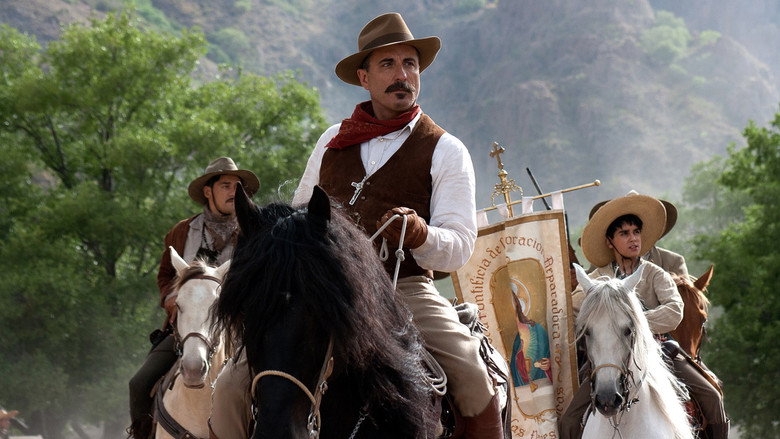
Before being employed by the Nazis in what remains the most deadly program of “racial purification”, Eugenics was a very popular concept among scientists in the US and Europe. The science of “good birth”, which aims to create the perfect human being, sets out to achieve this by preventing reproduction of those perceived as weak, sick, disabled, or otherwise “degenerate”. As early as 1907, the US applied the first eugenics laws, which continued to be in force until the 1970s. In Sweden, 63,000 people were sterilized, mostly after WWII. The film switches deftly between the explanation of historians and the testimony of victims who continue to struggle for recognition of the harm they have suffered, which has been erased from the collective memory. From North Carolina to Sweden and Germany, a terrifying journey into this quest for the “best of worlds”.
Laika tīklā
HistoryScience Fiction
A film about events in Latvian history during the heyday of the women's basketball team TTT. Five people with different worldviews and life experiences suddenly find themselves locked in a room by artificial intelligence. Like a dispassionate moderator, it offers a harsh game: in order to return to reality, each person must prove their ability to distinguish truth from lies about Latvian history from the mid-1940s to the 1960s.
Anna
HistoryMystery
The film tells of faithful devotion to spiritual ideals. It is based on Riga St. Anna Stocken's Life Story of the Cistercian Monastery of Mary Magdalene.
Man of Music
HistoryMusic
The young composer Mikhail Glinka performs his new work at a soiree at earl Vielgorsky's house. However, the public is accustomed to Western music, and reacts coldly to the creation of the composer. This makes him very sad, but soon he decides to go learn the art of music in Italy. After returning from Italy, he is full of desire to write national Russian opera. Vasily Zhukovsky proposes a subject: a feat of Ivan Susanin. Tsar Nicholas I change the name of the opera to A Life for the Tsar and assigns a librettist - Baron Rosen. Acquaintance with the future co-author shocked Glinka: Rosen speaks Russian with a noticeable German accent. The premiere was successful, but Glinka was still not entirely happy with the libretto: "False words were written by Rosen". When Nicholas I learned that Ruslan and Lyudmila was written on Pushkin's subject, he sees it as sedition. The bitter experience of the composer brighten his supporters.
Ranabaali
HistoryAction
My Family Tree
DramaFamily
A unique, engaging film that combines documentary footage with narrative cinema to tell the story of four generations of a Latvian family. Sixteen year-old student Jānis has been given an interesting homework assignment – to draw his family tree and explain it. The story of his family begins with his great-great-grandfather who burned down the manors of German landowners during the 1905 revolution. My Family Tree takes us on a journey to various countries and political regimes, showing Jānis’ ancestors to be people of diverse fates and life stories. A rich Latvian trader, a red rifleman loyal to Lenin, a carpenter with the KGB and war refugees in Sweden are only a few branches on his family tree, and the boy has heard something unusual and unforgettable about each and every one of these people.
Lightning
DramaFamily
It is a Mongolian feature film released in 2004.