Documentary
The Spirit of Zé Lins
Documentary
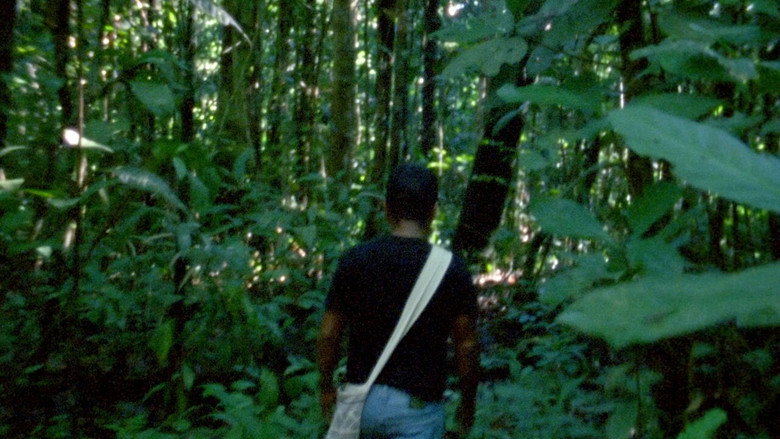
Documentary on the life and work of José Lins do Rego (1901-1957), one of Brazil's greatest 20th century literary authors, writer of celebrated novels "Menino de Engenho", "Fogo Morto", "Moleque Ricardo", "Riacho Doce" and many more.
Den horníků
Documentary
Fango Rosso
Documentary
Fango Rosso (red mud), is the toxic waste of the mining extraction. It covers up the hills of Sulcis, land where the astonishing beauty of the landscape collides with a history betrayed promises, progress as a mirage, politic as deceit.
Margaret Tait: Film Maker
Documentary
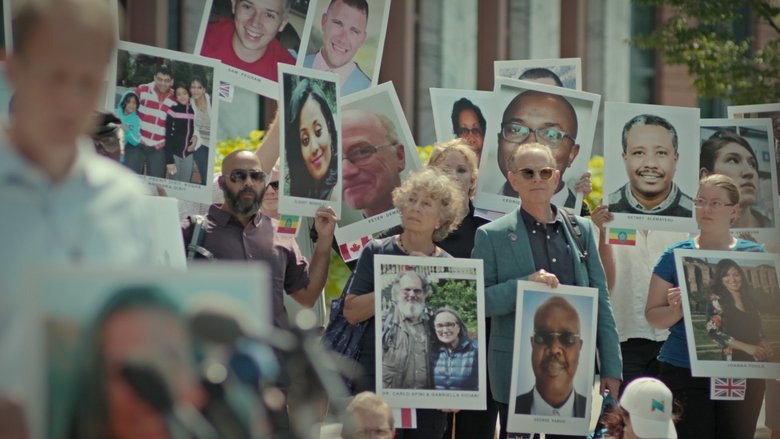
A documentary about the life and works of Margaret Tait.
Castro Alves
Documentary
Biographical data about Castro Alves: the different cities where he lived, the love misadventures, the school institutions where he studied and his poetry. Countryside landscapes illustrate the narrated trajectory. Negra caresses a child in a performance by Castro Alves with her nanny Leopoldina. Men work in pestles, weed. Views of the cities of Cachoeira and Salvador. In the capital, highlights include the Church, Feira de Meninos, the Solar da Boa Vista. Views of the city of Recife. The Recife Faculty of Law. A herm of the poet. The Santa Isabel Theatre. Return to Salvador and the São João Theater.
Pescadores
Documentary
A survey on the economic exploitation of Paraná fishermen.

Sakuliu
Documentary
A documentary of an indigenous artist Pavavalung Sakuliu, who devotes himself to the cultural renaissance of the Paiwan culture, which is endangered throughout the past century when modern economy was introduced to Taiwan by the Japanese colonial government in 1895 and by the Nationalist government which took over Taiwan in 1945.
Curaçao
Documentary
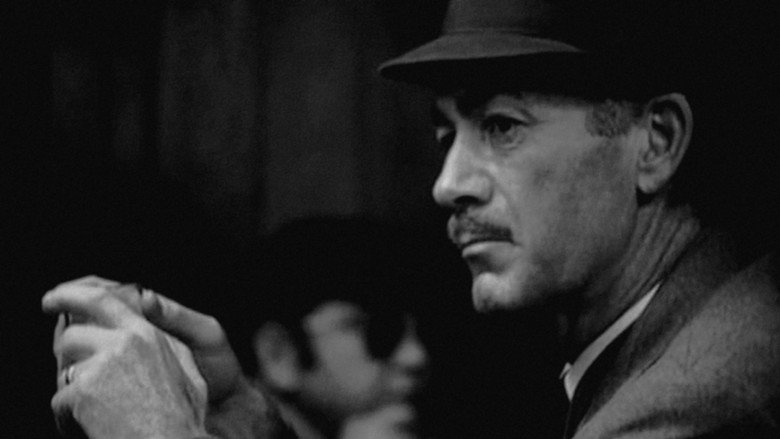
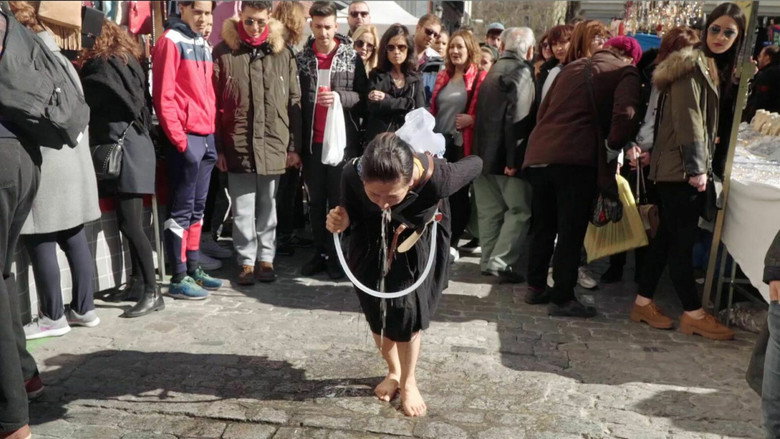
Curacao reveals the collectively repressed legacy of the Dutch on their former colony and offers a disturbing look into the influence this has on the contemporary Curacao community.
National Hero
Documentary
Ethnobloggers from the peoples of Russia - a Yakut hunter, a Khanty reindeer herder and a Dagestan shepherd - share their daily lives on camera. Their stories become known around the world, showing how new technologies are changing traditional ways of life.
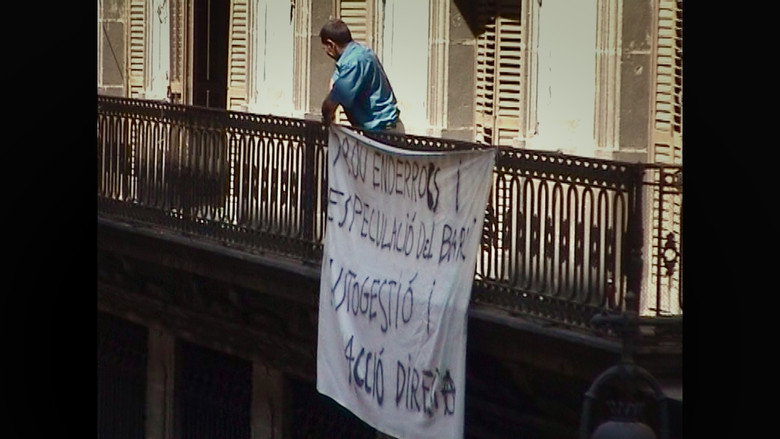
The Engineer
Documentary
A portrait of the personal journey of Cuauhtémoc Cárdenas Solórzano during his third presidential campaign. It is a moment in contemporary history told from the experiences of the defeated opposing political group. A fundamental piece of the history of Mexico that usually does not reach the public, for it is not written by the victorious; it’s akin to being invited backstage at an unimaginable performance. This story lacks scandal or corruption. It shows how politics takes place in the highest levels in Mexico and shows the human side of a popular leader.

The National Prizes
Documentary
With musical accompaniment from the zarzuela 'The drum Grenadiers' by Ruperto Chapí, a pair of custodians are in the basement of the National Library of Madrid showing some canvas awarded with the National Prize for Painting between 1941 and 1969.