Documentary
Más allá de la alambrada: la memoria del horror
Documentary
The Flat
Documentary
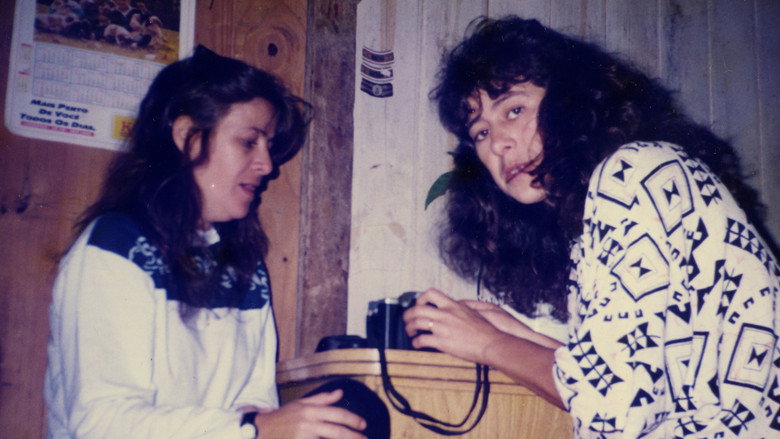
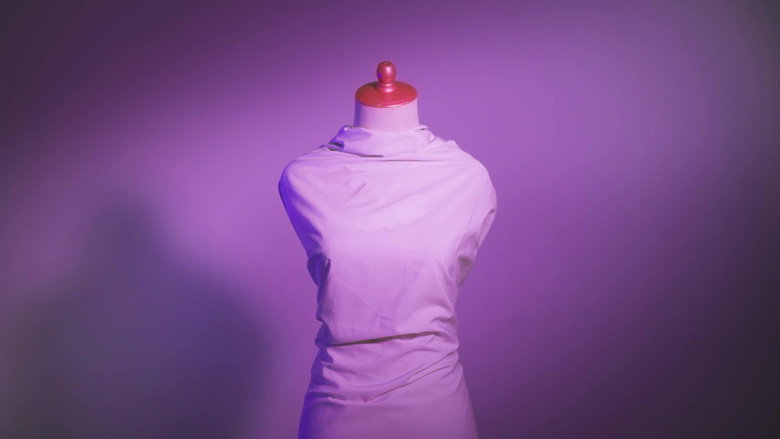
The flat on the third floor of a Bauhaus building in Tel Aviv was where my grandparents lived since they immigrated to Palestine in the 1930s. Were it not for the view from the windows, one might have thought that the flat was in Berlin. When my grandmother passed away at the age of 98 we were called to the flat to clear out what was left. Objects, pictures, letters and documents awaited us, revealing traces of a troubled and unknown past. The film begins with the emptying out of a flat and develops into a riveting adventure, involving unexpected national interests, a friendship that crosses enemy lines, and deeply repressed family emotions. And even reveals some secrets that should have probably remained untold...
The Barrel
DocumentaryHistory
An experimental work of autofiction which captures the lasting impressions that an environment can have. A personal recollection leads to a ruin of historical significance, culminating in a tale of bizarre local folklore. This bewitching short makes for a wistful and meditative experience.

The Human Scale
Documentary
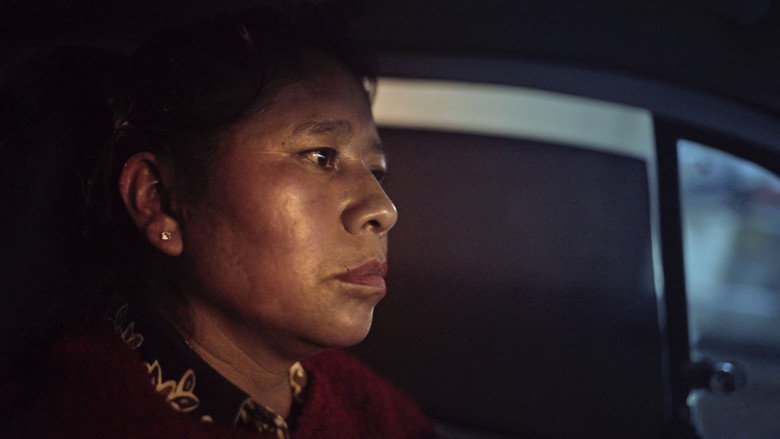
50 % of the world’s population lives in urban areas. By 2050 this will increase to 80%. Life in a mega city is both enchanting and problematic. Today we face peak oil, climate change, loneliness and severe health issues due to our way of life. But why? The Danish architect and professor Jan Gehl has studied human behavior in cities through 40 years. He has documented how modern cities repel human interaction, and argues that we can build cities in a way, which takes human needs for inclusion and intimacy into account.

Pyaar aur sapane
Documentary
Vijay and Anabela met while dancing Bollywood in India, Sanjay and Liliana at a pharmaceutical conference in Italy. The two couples, twenty years apart in age, followed a similar path that led them to San Jorge. Melina and Chino have always lived in Piamonte, the place from which they have for years projected their lives and sought to improve the lives of others through theater and dance. In the western part of the province of Santa Fe, their paths intersect through love, art, and dreams.

Kumaré
Documentary
A documentary about a man who impersonates a wise Indian Guru and builds a following in Arizona. At the height of his popularity, the Guru Kumaré must reveal his true identity to his disciples and unveil his greatest teaching of all.
Proyecto Jazz
DocumentaryMusic
Proyecto Jazz is a musical documentary that deals with jazz in Santa Fe based on an assignment given to the musician Pedro Casís, to compile material of the band from the last 30 years of jazz in the capital city for the shooting of a film. To do so, Pedro enlists the help of old colleagues from the Santa Fe Jazz Ensamble, a big band founded in the early 80s. Along the way, he interacts with friends, students and alumni, trying to assemble the different generations as important pieces of the film project. Life stories, memories, performances, anecdotes, clinics and of course the music, are addressed in the documentary around the making of the film.