Documentary
Utrecht
Documentary
A 1918 city movie about Utrecht

Night of 100 Stars
ComedyMusic
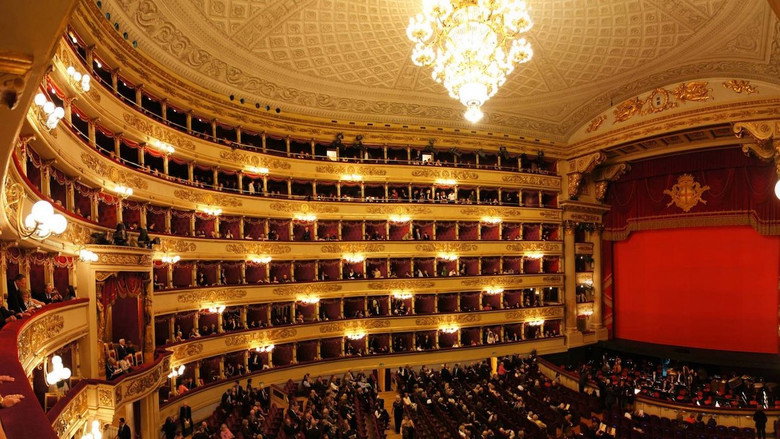
The most glittering, expensive, and exhausting videotaping session in television history took place Friday February 19, 1982 at New York's Radio City Music Hall. The event, for which ticket-buyers paid up to $1,000 a seat (tax-deductible as a contribution to the Actors' Fund) was billed as "The Night of 100 Stars" but, actually, around 230 stars took part. And most of the audience of 5,800 had no idea in advance that they were paying to see a TV taping, complete with long waits for set and costume changes, tape rewinding, and the like. Executive producer Alexander Cohen estimated that the 5,800 Radio City Music Hall seats sold out at prices ranging from $25 to $1,000. The show itself cost about $4 million to produce and was expected to yield around $2 million for the new addition to the Actors Fund retirement home in Englewood, N. J. ABC is reputed to have paid more than $5 million for the television rights.
Motu Maeva
Documentary
A portrait of Sonja, adventurer of the twentieth century, living on an island that she built by herself: Motu Maeva.
Seized
Documentary
When the small town of Marion, Kansas, is thrust into the international spotlight after a police raid on the Marion County Record and the death of its 98-year-old co-owner, a fierce debate ignites about the abuse of power, journalistic ethics, local journalism, and the United States Constitution.
Soy Improvisao
Documentary
Every December 25, in Zapote, the popular festivities of the city of San José begin, where the most important bullfights in Costa Rica take place. These parties are attended each year by men and women called improvised bullfighters who spontaneously give the public their joy and passion. The ring of the Fiestas de Zapote is the stage where Laisa, Pity and Cuchufleta not only face the bull, but through each of their feats in the ring, they try to define their masculinity.
Rafael França: obra como testamento
Documentary
Two Loves
Documentary
Two Loves is a poem written by Oscar Wilde's lover "Bosie", Lord Alfred Douglas. This documentary depicts the love and war between these two men, bringing each other down, in a time when homosexuality was still unheard of and even strictly forbidden by law.
Gabriel Reports on the World Cup
Documentary
Brazilian boy Gabriel Matos is still very young when he learns that the 2014 World Cup will be held in his home country. He had no way of knowing that his life would be turned upside down by then. To transport hundreds of thousands supporters to the football stadium, a new rail line is being developed to run straight through his neighborhood. Houses are being demolished, entire families are forced to move and even the children’s local football pitch will soon disappear. For Gabriel this is a nightmare. He is angry at the inequality in his city and posts self-made footage of bulldozers tearing down his neighborhood on a blog. By becoming a journalist he tries to stand up for his rights.
Región Arequipa
Documentary
Problems and possibilities for future development of the Arequipa department in the face of the scarcity of water useful for agricultural work and generation of electricity, addressed in the regionalization policy undertaken by the government of Alan García.
Giuseppe
Documentary

Borderland
Documentary
The river Oder: A historical and cultural land-scape churned again and again by the tide of events of the past century. A tale told in concentric circles about a region which was and still is the scene of the beginning, end and open middle of voluntary and involuntary migrations. Virulent issues of daily life and politics that, asked with confident casualness, provide a robust account of the present.
Nif Fin
Documentary
Nif Fin is an experimental film about the end of a film with actress Carmen Sevilla as the leading role. Retaking the last shots through out of focus, this structural found footage piece recycles the original footage, by means of changing his narrative continuity. It misrepresents the cause-effect pattern to propose a new ending that challenges the notion of happy ending.