
Documentary
Iris
Documentary
Portrait of the mythical ballerina Iris Scaccheri, made entirely with photographies.
Babylon
Documentary
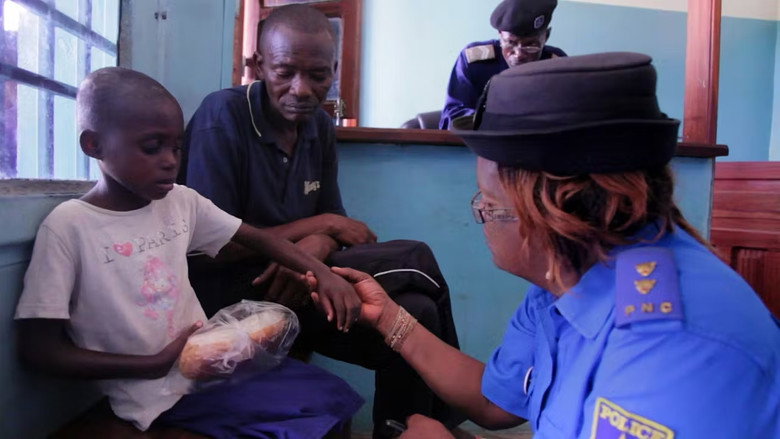
After the insurrection erupted in Libya in the spring of 2012, more than a million people flocked to neighboring Tunisia in search of a safe haven from the escalating violence. When a massive refugee camp was hastily constructed near the Ras Jdir border checkpoint in Tunisia, a trio of filmmakers carried their cameras in and began filming with no agenda. This on-the-fly chronicle of the camp's installation, operation, and dismantling captures a postmodern Babel complete with a multinational population of displaced folk, a regime of humanitarian aid workers, and international media that broadcasts its “image” to the world. Visually stunning and refreshingly undogmatic, Babylon reveals a rarely seen aspect of the Arab Spring.
Embriones Marinos
Documentary
This film, shot through a microscope, reveals one of the most surprising aspects of marine life: embryonic development. We observe the development of the silverside and the squid.
Aluvión
DramaDocumentary
Argentina 2017. Six intertwined stories. The pension reform advances in the National Congress. TV broadcasts the conflict. Lucrecia discusses with her boss what to report. Meanwhile, in a community kitchen, Rebeca calls for a march to defend her rights.
Bakken
Documentary
In three long, uninterrupted one-takes shot over a single summer’s day and night, the camera moves slowly through the park while the guests alternately react to the lens or try to ignore it. A gang of Pierrot clones mingle with the visitors. The film is an joint creation between students of the Royal Danish Academy of Fine Arts and the Danish Film School, initiated independently by the students. Using Bakken as a frame - historically, architecturally and socially - all the contributors helped develop the concept for both the film and the performative interventions in front of the camera, which are sometimes inseparable from the hedonistic and condensed semi-fictional universe that an amusement park is.

View from the Acropolis
Documentary
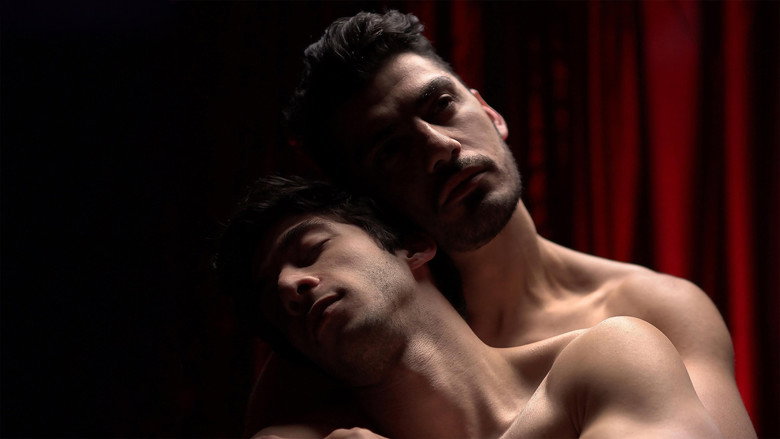
Griffith once noticed: "What the modern movie lacks is the beauty of moving wind in the trees." As third part of the series of filmworks Monument to Another Man’s Fatherland, View from the Acropolis explores the site where the Pergamon Altar was taken from in the late 19th century. Today a Berlin highlight, the altar was originally built around 200 BC in Anatolia (present day Turkey). In the landscape, different cultures, present and past are interwoven, connected by their presence, the wind and the changing light.

La Película
Documentary
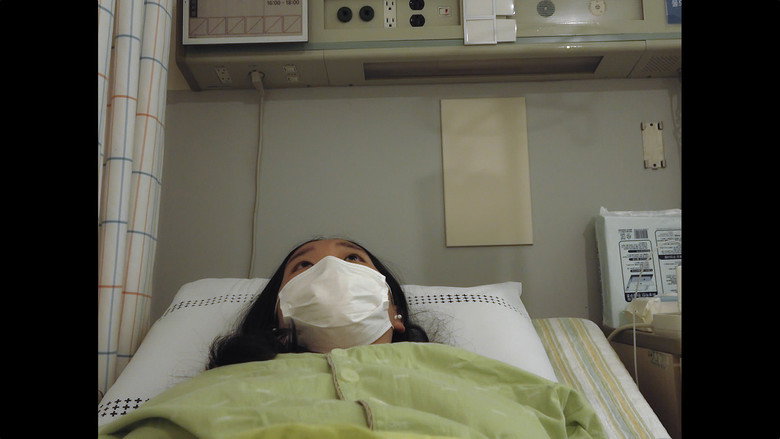
Short documentary on the transition to digital cinema, focused on its impact on film preservation and memory. The film guides us through a film laboratory, from the processing of the negative to the copying of the positive film, and complements this journey with interviews to directors of photography, industry professionals and heads of film institutions.
Honeybee Blues
Documentary
From the native bush and orchards of Australia to the industrial farmlands of the United States and the highlands of Papua New Guinea, Honeybee Blues is a scientific detective story that tells a 21st century cautionary tale.
Shadowland
Documentary
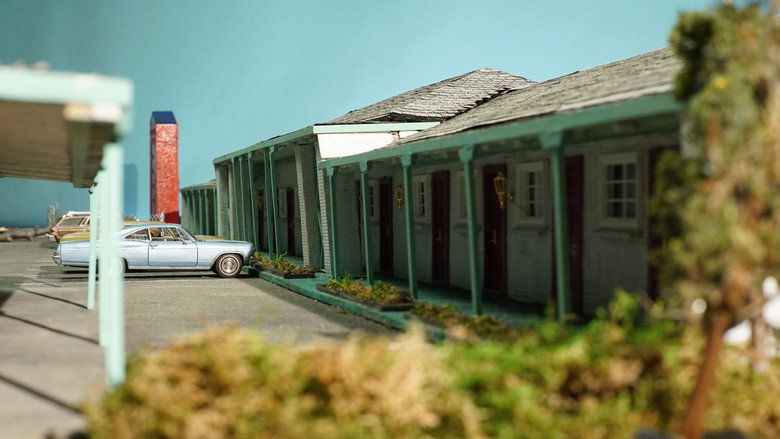
Short film exploring various American film locations which have substituted for other locations all over the world.
Pachá: El arquitecto de la noche
Documentary
When They Left
Documentary
When the colourful ice-cream van rides through the deserted streets of the village, there are no children trailing behind it. In Plazuela, a peaceful hamlet lost in a mountainous region of Ecuador, only a handful of old ladies remain, who are all widows. In the gloom of their houses, photos of those who are gone hang on walls: husbands who have passed away a few years earlier, children gone to work in the big cities or abroad, and grandchildren who have grown up far away from them.

Black Wings
Documentary
A war report made in the Fall of 1937 during the Spanish Civil War. It records the effects of aviation bombings on the rear of Aragon and Catalonia (the "black wings").