Documentary
Alan
Documentary
Alan do Rap was one of the precursors of Hip Hop in Salvador, who to promote his songs would invade the stage of famous hip hop acts and take the mic. Alan's journey shows the difficulties and injustices faced by young blacks from the periphery who try their hand at art and end up clashing with a racist, oppressive, and violent system.
Ex
Documentary
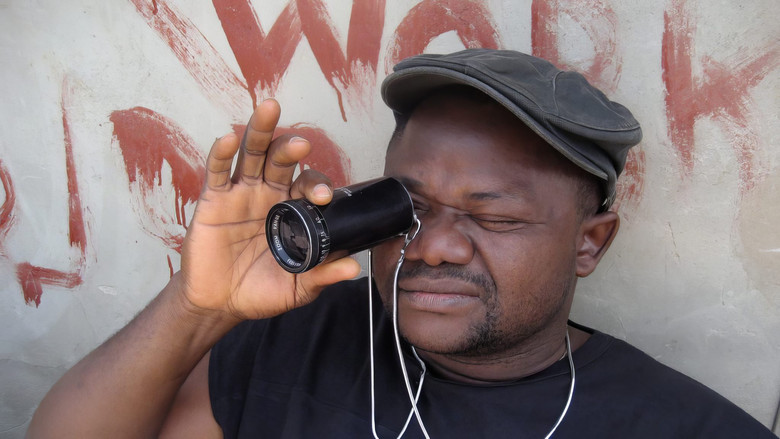
It's a documentary about Ufology in Portugal. Everything started at Fátima, or maybe before, the truth is that are many who dedicate to the cause. The UFO's are not only manifestations of literature and Hollywood cinema. In Portugal, from North to South, many people searches for traces and ways to communicate with intelligent extra-terrestrial life. Using a simple photographic camera or detectors invented by the ufologist himself, spending hours in the Internet or observing the nocturnal skies, many are the amateur investigators. But there are also those who dedicate to the theme inside the academy, through research in historical files or clinic psychological methods. The phenomenon exists and it's lived intensely by these people. The documentary it's about them.

Free Spaces
Documentary
"Free Spaces" sketches a new and transformative image of four major cities in Eastern Europe. In te post-communist urban settings of Tbilisi (Georgia), Yerevan (Armenia), Chișinău (Moldova) and Kiev (Ukraine), Ina Ivanceanu follows artists and activists as they reclaim public spaces and assert their freedom of expression. Occupying a cinema, reviving an old Soviet circus, converting a grim metro passage into a glamorous arena, and repurposing a defunct factory building into a cultural agora. By seizing and creatively transforming public spaces characterized by an abondoned past, today's new generation explores democratic means and freedom while also confronting pervasive neoliberal structures in their respective societies.
Orin: Música Para os Orixás
Documentary
Orin: music for the Orixás is a documentary by Henrique Duarte, supported by the FGM Art Every Day edict. The feature film deals with the importance of candomblé terreiros music, its rhythms, songs, traditions and influence in Brazilian music.
Anton Pleshka
Documentary
A short story about a grandfather and grandson.
Bickels [Socialism]
Documentary
The ‘Casa do Povo’ cultural centre in São Paulo, an icon of the secular Jewish workers’ movement: a crumbling theatre flanked by staircases, entryways and corridors. Construction noise drones away in the background, clinking crockery, a broom sweeping over tiled floors, an expressive façade of countless adjustable panes of glass covered by a patina. It’s October 2016 and a group of young people are preparing a preview of Bickels [Socialism]. The venue is to form a prologue to the completed film, which tours 22 buildings in Israel designed by Samuel Bickels, most of which for kibbutzim. Dining halls, children’s houses, agricultural buildings, bright structures inserted into the Mediterranean landscape with great ingenuity. An architecture with a sell-by date: That many are now empty or have been repurposed at best is linked to the decline of the socialist ideals they embody.
Blaha und Blüten
Documentary
Więźniowie jabłek
Documentary
Candombe
DocumentaryMusic
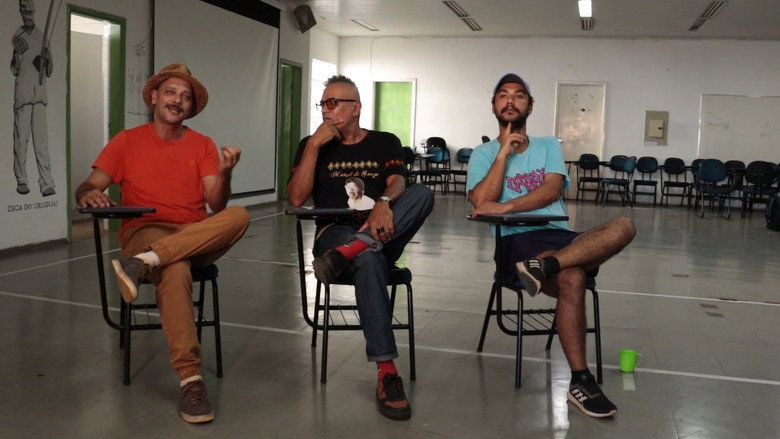
Candombe reflects the lifestyle of an Afro-Uruguayan culture residing in Montevideo, the capital of Uruguay. This culture, originating from African slaves brought to the shores of the Río de la Plata, lives in an environment of constant music and dance. Its music is based on drum-beat percussion, and its dance is performed by a series of traditional characters: "La Mama Vieja," "El Escobero," "El Gramillero," and "Las Bailarinas."
Déguste
Documentary
“Déguste” invites you to live through the point of view of a cooking chef for a day. A day at the top of food chain, closest to the matter. A day in the culinary crash.
Bim Bam Boom, Las Luchas Morenas
Documentary
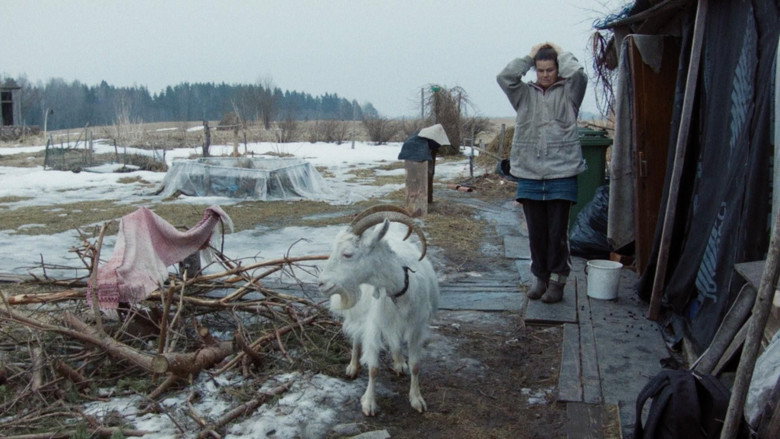
Bim Bam Boom Las Luchas Morenas, is about three Mexican sisters, professional wrestlers, whose lives, lived according to their own ideas, are a struggle but also a lot fun.