
Documentary
Overgames
Documentary
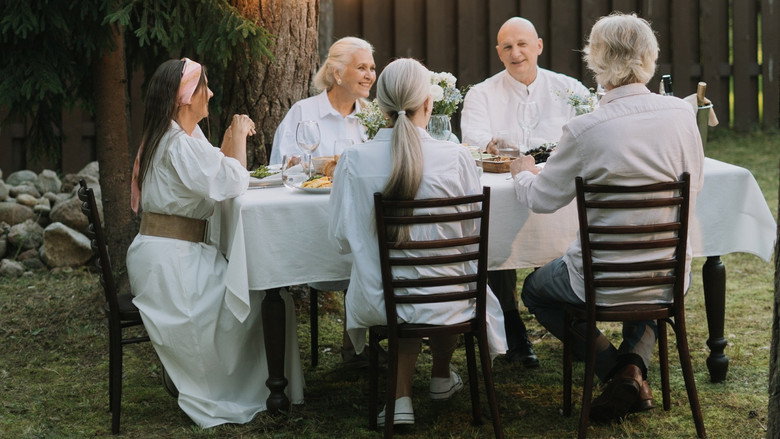
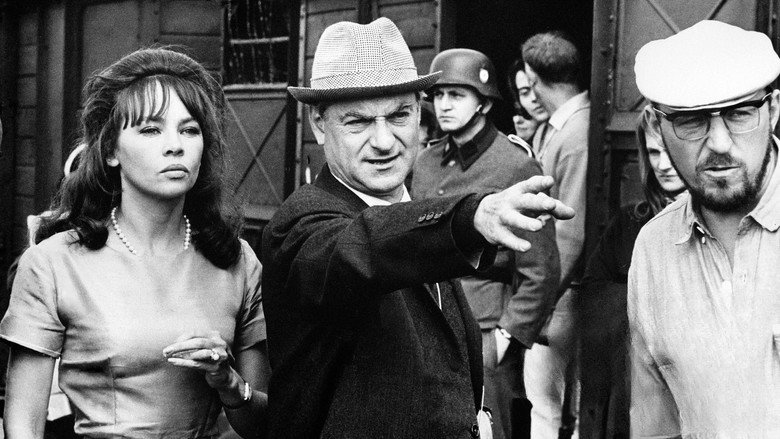
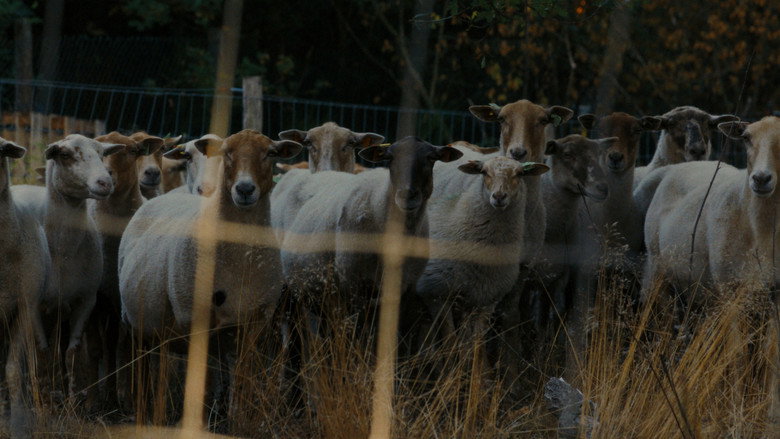
On a talkshow, actor and German TV ikon Joachim Fuchsberger recalls how the games for his show "Nur nicht nervös werden" (Don't Get Nervous), first broadcast on West German TV in 1960, were developed along the lines of American psychiatry. Asked "So how many crazy people watched you?", he responded: "A whole crazy, psychologically disturbed nation". Why were the Germans or to be more precise, the West Germans, a psychologically disturbed nation at that time? This is a film about cheerful and serious games, therapies for re-education and self-imposed re-education, as well as the history of the idea of permanent revolution. Those appearing include directors and producers of gameshows, psychiatrists, anthropologists, and the diversely paranoid.


The Story of the Shipwrecked from the Patria
Documentary
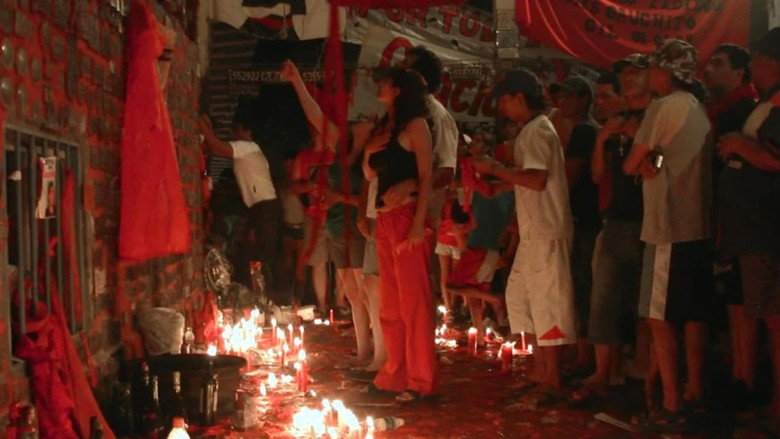
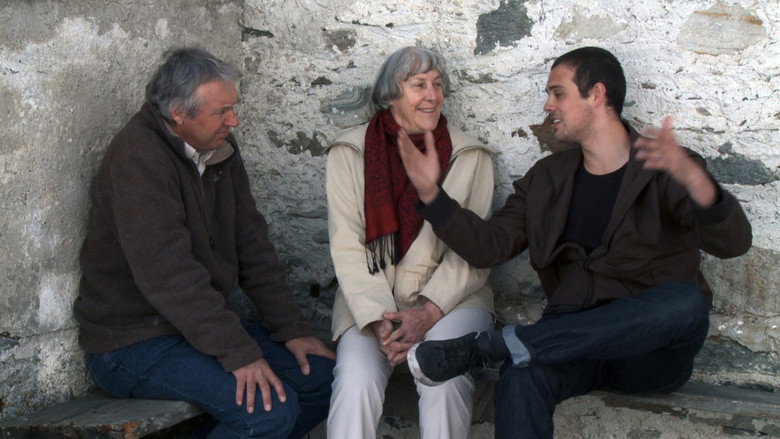
On November 25, 1940, the SS Patria sank in the port of Haifa killing 267 people. The ship was carrying almost 1,800 Jewish refugees from Nazi-occupied Europe whom the British authorities were deporting from Mandatory Palestine to Mauritius because they lacked entry permits. Opposed to the deportation, the Haganah planted a bomb intended to disable the ship to prevent it from leaving Haifa. However, they miscalculated the effects of the explosion and the bomb sank the ship in less than 16 minutes (Dir. Pavel Štingl, 2006, 45 min.). Pavel Stingl an award winning documentary filmmaker studied at the Film and Television Academy of the Performing Arts in Prague (FAMU). The screening is part of the ongoing “Docs in Salute” film series presented by the Library of Congress in collaboration with the Embassy of the Czech Republic.
Winter Shooting: L'Atalante - Rushes and Outtakes
Documentary
Perhaps it speaks to the sheer power and beauty of L’Atalante that 40 years after its initial butchered release, critics and fans still seek to piece together Vigo’s vision – and debate the choices involved in that process. Bernard Eisenschitz, who was involved with Luce Vigo (daughter of Jean Vigo) in the 1990 reconstruction of this masterwork, takes us into the raw materials by which this complex film was re-envisioned and continues to be analyzed and changed today. An important vision of film as a tradition of viewership, curation and exploration.
Netizens
Documentary
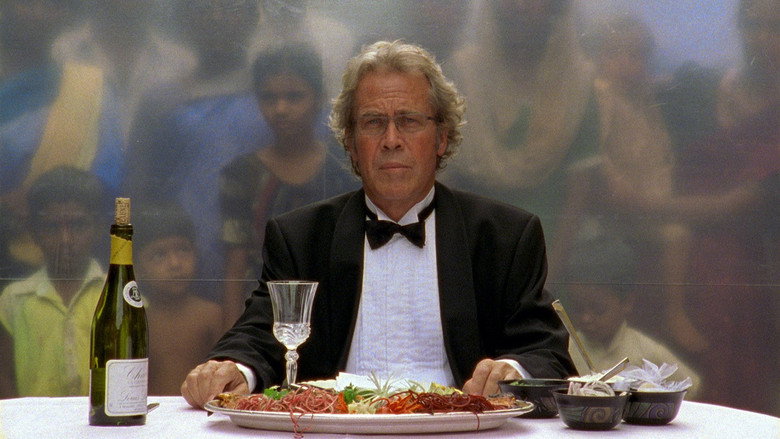
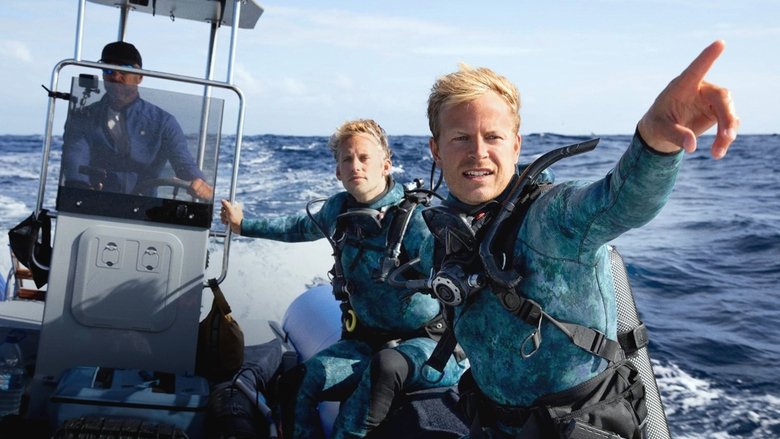
Cynthia Lowen’s powerful documentary Netizens highlights three women as each wages war against one of the internet’s most malevolent forces: prevalent and un-policed misogyny, harassment, and stalking. Directed at thousands of women daily by way of social media, it lies in plain sight, and its ramifications never remain only online. The film deftly depicts not only the forms digital abuse can take, from non-consensual pornography to invasion of privacy, but also the consequences for its victims.
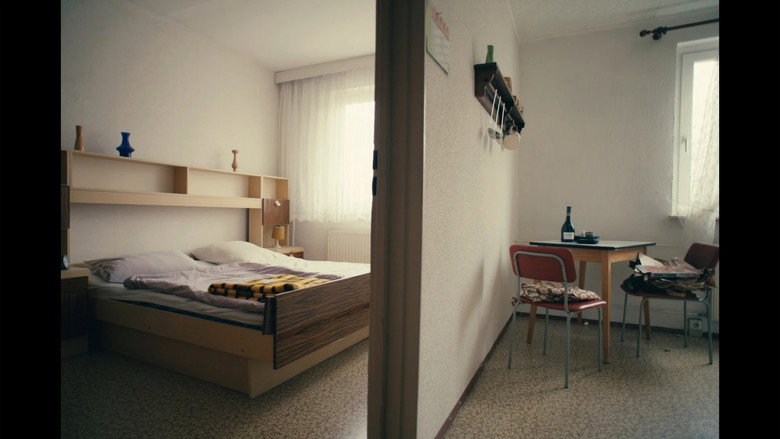
Závodné predajne
Documentary
Destination Titan
Documentary
A story about four British scientists who have created a probe which will take a seven year long trip to the largest moon orbiting Saturn, Titan. Designing and building a vehicle that will travel more than 2 billion miles across space is not an easy task as it is shown in Destination Titan. The documentary follows the story behind the creation of a probe that is the culmination of a lifetime endeavor which will be strapped onto what is essentially a giant bomb and hurled out of earths atmosphere on a seven year long journey. will they succeed? This documentary is presented by John Zarnecki and features the famous TV host and astronomer Patrick Moore.
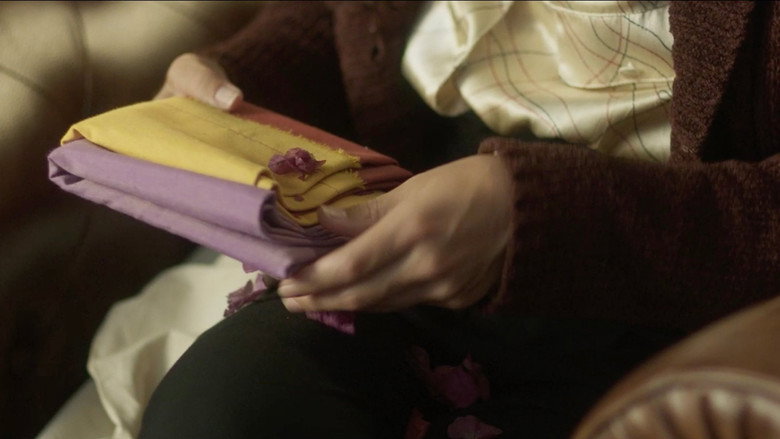
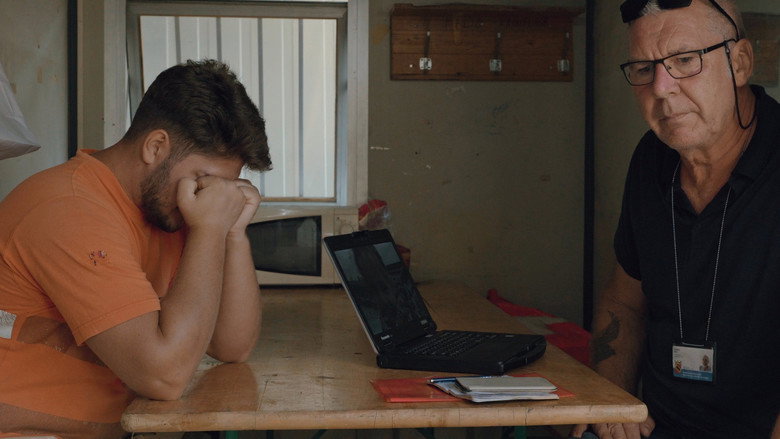
The Construction
Documentary
"The Construction is the second part of Uldis Brauns’ trilogy. It focuses on the construction of Daugavpils' synthetic fibre factory, and includes well-balanced, wide-angle shots and dramatic camera angles. The soundtrack is used imaginatively to create new meanings, and to construct metaphor like a musical artwork. The Construction also uses live interviews recorded on set; Armīns Lejiņš, the trilogy's scriptwriter, appears on camera interviewing people." - VERZIO International Human Rights Documentary Film Festival