
Documentary
The Code
Documentary
"The Code" describes what has been done in the area of international justice and what can be done. This documentary portrays a proactive proposition through the laws to put limits to the impunity of economic and environmental crimes.

Wake (Subic)
Documentary
First begun in 2006, WAKE (SUBIC) completes the documentary diptych, FOR EXAMPLE, THE PHILIPPINES, the first part of which, VAPOR TRAIL (CLARK) was released in 2010. Collectively this nine-hour essay explores circumstances of toxic contamination around the former US military bases in the Philippines as the locus for a meditation on historical amnesia, colonial privilege, and the consequences of unchecked militarism. Interweaving both cinéma-vérité and interview footage of Filipino victims and their families, environmental spokespersons, and community activists, along with early photographic material pertaining to the Philippine-American War, partisan songs, historical texts, and landscape photography, both films are an attempt to construct a work capable of rendering some measure of this human and environmental tragedy and the complexities of its remedy.
El Capellán
Documentary



Philippe-Alain Michaud, le réel traversé par la fiction
Documentary
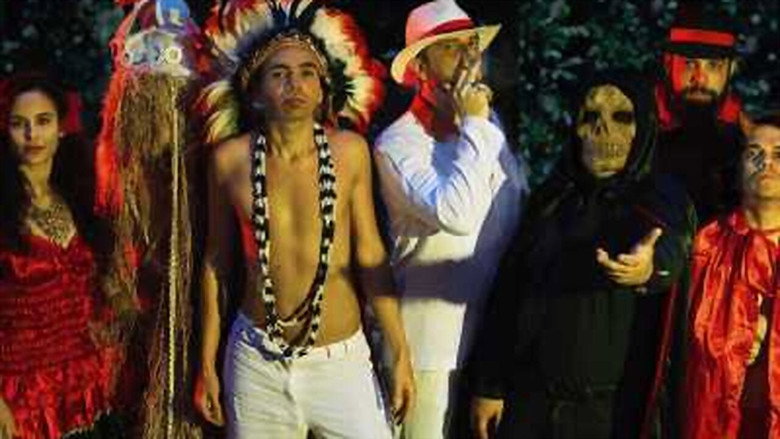
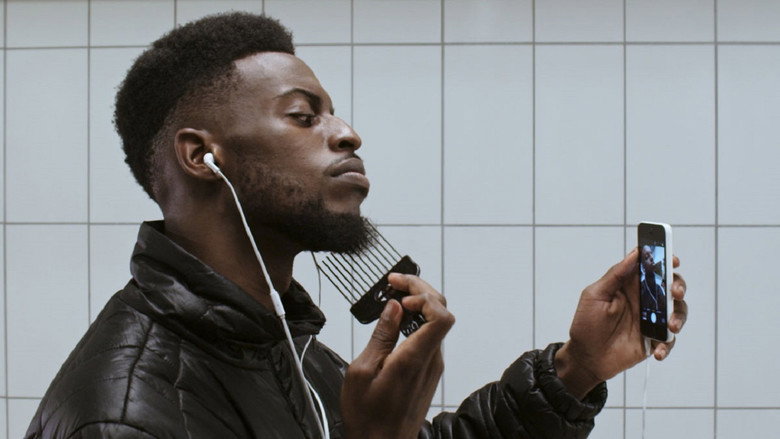
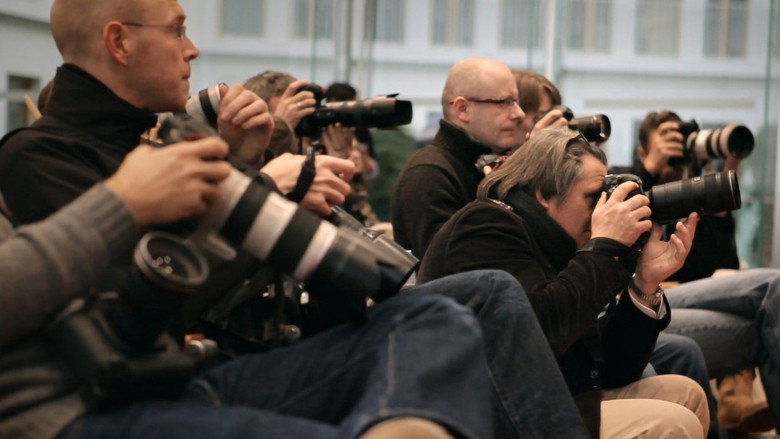
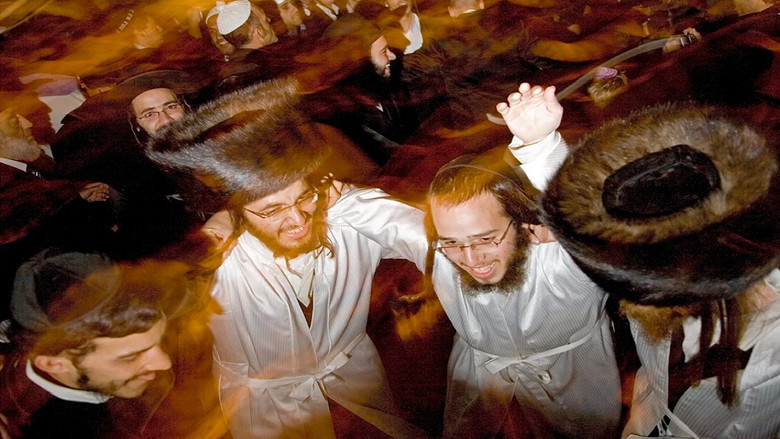
To be in Venice and see the architecture of New York, to perceive in a painting by Tintoretto the birth of animated images, to look at the burlesque Cretinetti as the ancestor of montage - so many shifts, displacements, and striking telescopings that Philippe-Alain Michaud proposes in this film dedicated to him. To follow this art historian, curator of the cinema collections at the Centre Pompidou, is to go from the oriental carpet to the film, or from the first fireworks to the cinema. And everywhere the animation of the images - projections of Antony McCall, or of Paul Sharits, Column without end of Brancusi, Pasolini's Accatone - everything moves! Under the tutelage of Aby Warburg, the great art historian of the early twentieth century, precursor of iconology and image comparison, to whom Philippe-Alain Michaud was the first in France to devote an important essay, eleven images are placed on the table to describe the singular journey of this art historian.
Pátio
Documentary
In the prison yard, the prisoners play football, dance “capoeira” and talk about freedom.
Proyecto Jazz
DocumentaryMusic
Proyecto Jazz is a musical documentary that deals with jazz in Santa Fe based on an assignment given to the musician Pedro Casís, to compile material of the band from the last 30 years of jazz in the capital city for the shooting of a film. To do so, Pedro enlists the help of old colleagues from the Santa Fe Jazz Ensamble, a big band founded in the early 80s. Along the way, he interacts with friends, students and alumni, trying to assemble the different generations as important pieces of the film project. Life stories, memories, performances, anecdotes, clinics and of course the music, are addressed in the documentary around the making of the film.
Full Moon
Documentary
Be inspired by women who push boundaries. FULL MOON showcases the legends, current icons and future prodigies of this ever-evolving lifestyle sport. Seven of the world’s best female snowboarders join forces for the first time ever to explore their backyard, the backcountry of magnificent British Columbia. We are inspired through the intimate, heart-felt stories through the eyes of some of the most influential females in our sport. Full Moon is a two-year film project documenting the past, present, and future of women's snowboarding. For the first time, some of the best women riders in the sport will work together as a crew to push their limits and capture the camaraderie and adventure that comes with it. Through interviews and resurrected classic footage, Runway Films is producing a film that pays tribute to the history of women's snowboarding and showcases how it has influenced and encouraged the current state of the sport.
Ron Beton
Documentary
A retrospective of the career of dutch defender Ron Vlaar
Caribbean Fantasy
Documentary
The life and love of Ruddy the boatman and his married Evangelist lover, Morena, at the banks of the Ozama river, the lowest part of Santo Domingo.

Presos del silencio
Documentary
Voices from El-Sayed
Documentary
In the picturesque Israeli Negev desert lays the Bedouin Village of El-Sayed. It has the largest percentage of deaf people in the world yet, no hearing aids can be seen because in El-Sayed deafness is not a handicap. The tranquility of the village is interrupted by Salim El-Sayed's decision to change his deaf son's fate using the Cochlear Implant Operation. This bionic implanted chip, that can make deaf people hear, is slowly reaching more secluded areas, even to El-Sayed which has neither paved roads nor electricity. Salim's decision is evoking great conflict in the village threatening the tradition of coexistence between deaf and hearing.