
Documentary
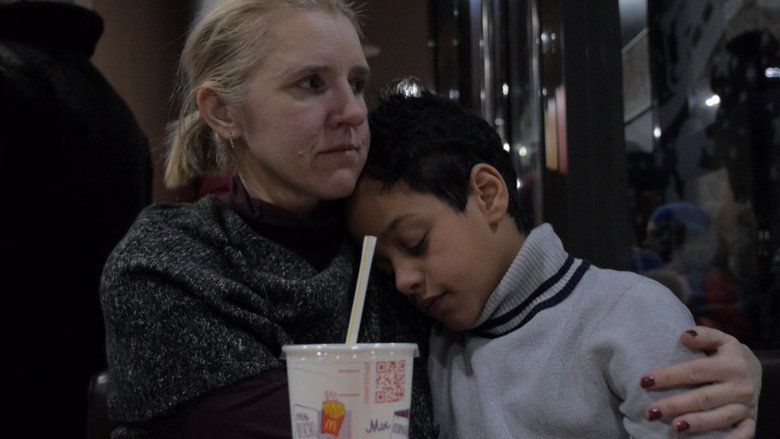
The Illusion
Documentary
Susana Barriga’s documentary, the illusion, begins with violence. A long shot reveals a man standing on a street corner, his features indiscernible in the night. He moves out of the camera’s line of vision, but the filmmaker, persistent, moves with him as the jostling of the camera marks her steps. As we learn moments later, the man in the distance is Susana’s father – and this is the clearest image of him we will have. Suddenly, an angry British man demands that Susana cease filming. Susana protests in heavily accented English, “He is my father!” Glimpses of a man’s torso are followed by blurred images as the camera spins rapidly over surfaces. The image cuts to black. A new male voice asks in carefully spaced out words if Susana would like him to call the police. When she doesn’t respond immediately, he speaks louder, as though volume would compensate for the language difference. She gives her name; she refuses the offer of an ambulance.
Et il voulut être une femme
Documentary
A look on transvestites and transsexuals in early 80's Paris. The documentary focuses on Elisa, a Brazilian transvestite and ends with a filming of a surgical operation male to female.
Singer Who Fell
DocumentaryTV Movie
Meet A 105-year-old Olga Markovna Kolyadenko, a former Bolshoi theater opera singer and the only remaining student of director Konstantin Stanislavsky. She still teaches vocals in her Moscow apartment. Konstantin Stanislavsky, who taught Olga Kolyadenko, created the famous acting system that was later adapted in the USA by Lee Strasberg.

Ulrich Seidl - A Director at Work
Documentary
This cinematic portrait shows the Austrian filmmaker Ulrich Seidl at work. The much-discussed ‘Seidl method’ is conveyed here vividly and directly: The camera watches over Seidl’s shoulder during the filming of his new production IM KELLER, and observes him at the rehearsals for his latest theatre production ‘Böse Buben / Fiese Männer’. The film paints the picture of a fascinating and exceptional artist using a combination of extensive interviews and excerpts from earlier works.
Old Age
Documentary
A landscape remembers how it developed into the mountain it is today. From glacial tongues to raging wildfires, the story is a reminiscence of the human impact on landscapes.
Secrets of the Nazi Criminals
Documentary
Documents the major trial of the Nazi war criminals and the violent acts that they were accused of.
Sobre Fantasmas
DramaDocumentary
Hottabych and His Team
Documentary
During a year of the war, Ilya 'Hottabych' Lysenko, a participant in the Maidan and a successful financial director, managed to create a team of five medical crews who evacuate the injured under fire from the hottest flashpoints on the frontline.