
Documentary
Arab Camera
Documentary
Focusing on key Arab films produced in the last 20 years. Férid Boughedir traces the development of the film-makers' concern to produce more socially aware cinema. Themes include the issue of Palestinian homeland rights and the nature of Arab identity. The film-makers also share a desire to develop a strong poetic tradition.

Pardal
DramaDocumentary
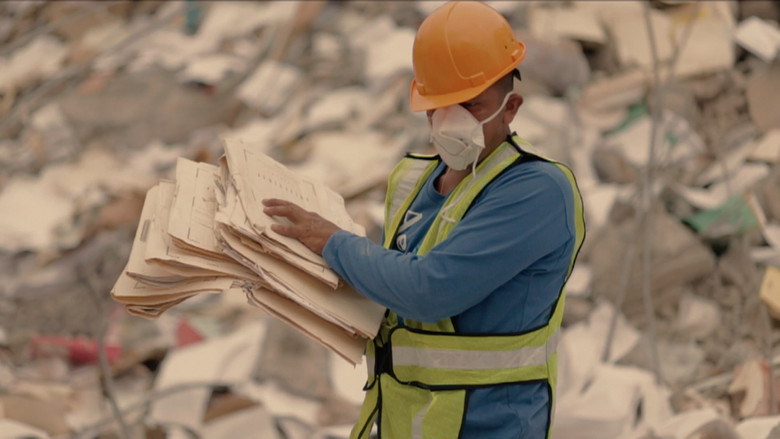
Documentary made a year before the great international pandemic, Bruno Ferreira follows a couple who work as jugglers at traffic lights
Gimme Truth
Documentary
False flags. Forbidden archeology. Chemtrails. Nefarious extraterrestrials. Fake pandemics. Through the intertwined stories of truth-seekers, influencers, and ex-believers, the film explores what draws people into the gravitational pull of conspiracy culture, and what happens when your truth becomes your identity.
Barn av vår tid
Documentary
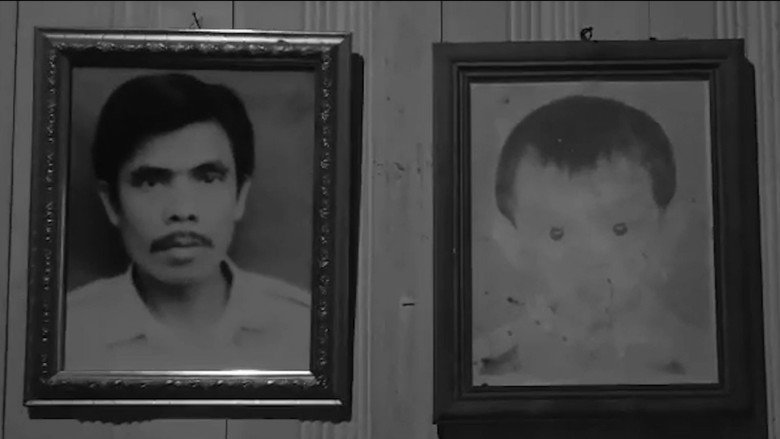
Nacksving (1975-1981) - the influential and short-lived cooperative record company in Gothenburg, Sweden. The comprehensive and powerful multi-cultural socialistic music theatre project, Tältprojektet (1977). And the ANC Gala at the Scandinavium Arena in Gothenburg 1985. It is also a film about ideals, the left wing movement and political changes in Sweden during the 70's and the 80's. Following Nacksving's bankruptcy, the subsidiary record company Transmission and Nacksving Recording Studio continued.
ALL IN
Documentary
All In follows a talented group of hard-charging women who want to disrupt the male-dominated ski film formula with their own legendary skills.
The Leading Role
Documentary
The film is about the director’s mother, the movie actress Nina Antonova. Now she is 80. She has had hundreds of roles – big and small. It is a personal story about an honest and sad life, about self-sacrifice and freedom. Real fame as an actress came to her only once in her life. It was the leading role in the first Soviet colour TV series Varka’s Land. That was 45 years ago…
The Dream Spring
Documentary
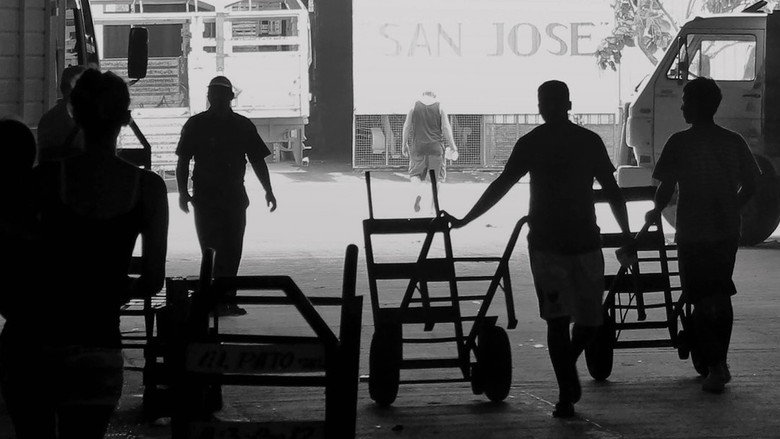
A bunch of friends decide to spend the time of quarantine together in a country house. Seperated from the usual rythm of life, away from the society and with plenty of free time, they enjoy their newly acquired freedom while trying to have fun and getting to know themselves.
Inertia
Documentary
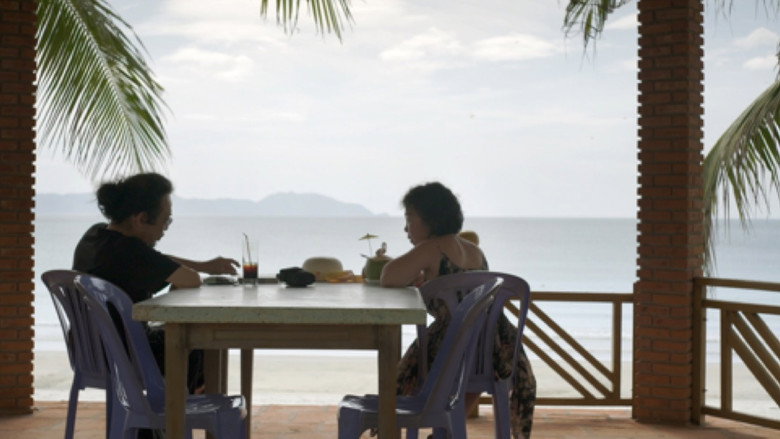
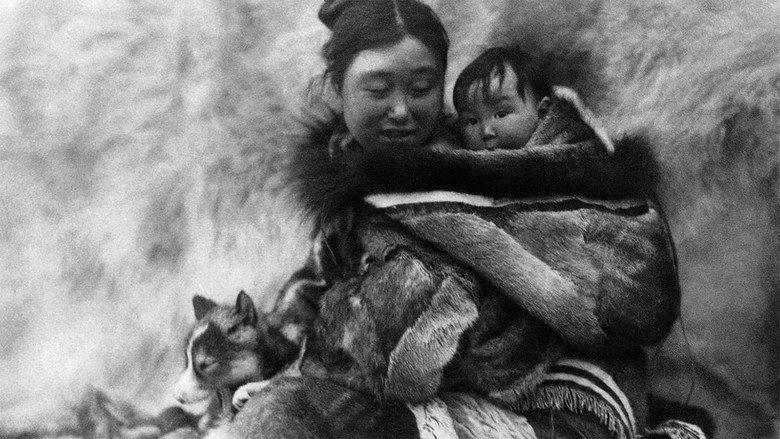
In the cabin the conductor activates the gear lever; his motion breaks the inertia. Behind is the station, then images of the machinery, the resignation of travelers, and the landscape. The events are increasingly bizarre; there is no destination, only the journey as metaphor.
Kodokushi
Documentary
Norihito works for a company that cleans the homes of the deceased alone. The lonely deaths he encounters push him to confront his own past, but this effort also leads to unexpected new problems. Elder Muramatsu, on the other hand, lives his life in silence in social isolation. The upcoming Sakura Festival creates hope to change his destiny. Will he find a reason to exist in the world?

A Hero's Death
Documentary
It was the biggest escape in the history of the Berlin Wall: in one historic night of October 1964, 57 East-Berliners try their luck through a tunnel into West Berlin. Just before the last few reach the other side, the East German border guards notice the escape and open fire. Remarkably, all the refugees and their escape agents make it out of the tunnel unscathed, but one border guard is dead: 21-year-old officer Egon Schultz.