Documentary
La Escuela
ComedyDocumentary
Anésias
Documentary
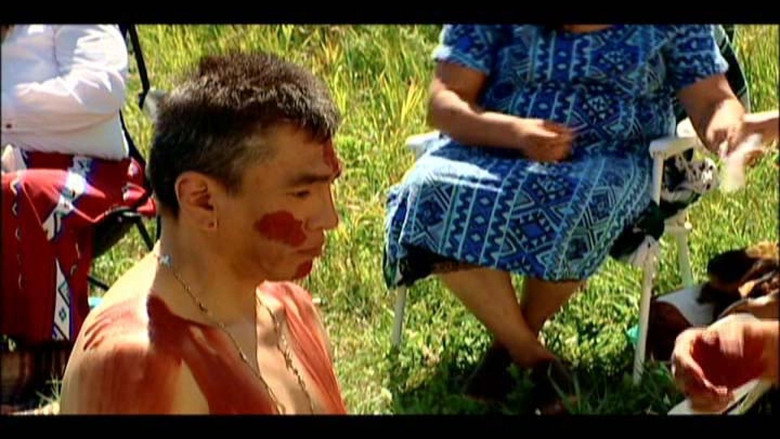

Road Less Traveled
Documentary
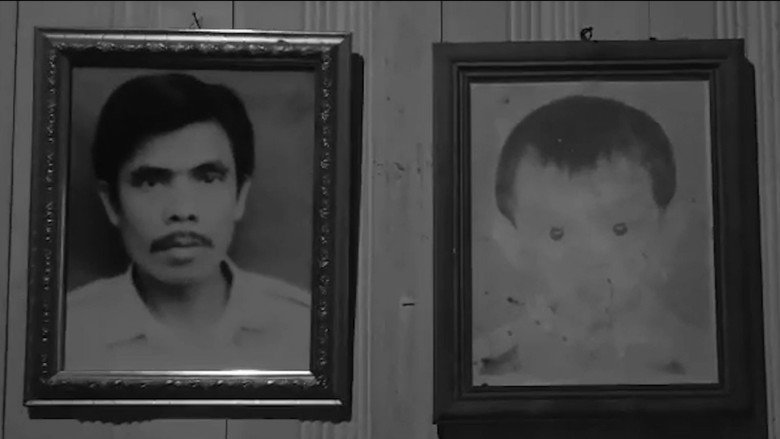
For most of us skateboarding is a way of life, but somehow the focus of almost every skate video has been based around single tricks that come together to make individual video parts. While we’ve always enjoyed watching and making these types of videos, there’s something special about knowing what went into a project and what it was like for those who experienced it first hand. Therefore, when we set out to make the new Fallen video, we wanted to document every aspect of our missions with the goal of taking the viewer on the journey with us. Over the course of two and a half years, we traveled to Turkey, Croatia, South Africa, Portugal, the American West and Thailand. The memories alone made the extended travel and uncomfortable situations worth the effort. We invite you to join us on the Road Less Traveled.
Kornél on Tour
Documentary
The story of the first Hungarian NBA player.

1997: The Birth of the Camera Phone
Documentary
On June 11th, 1997, Philippe Kahn created the first camera phone solution to share pictures instantly on public networks. The impetus for this invention was the birth of Kahn's daughter, when he jerry-rigged a mobile phone with a digital camera and sent photos in real time. In 2016 Time Magazine included Kahn's first camera phone photo in their list of the 100 most influential photos of all time.
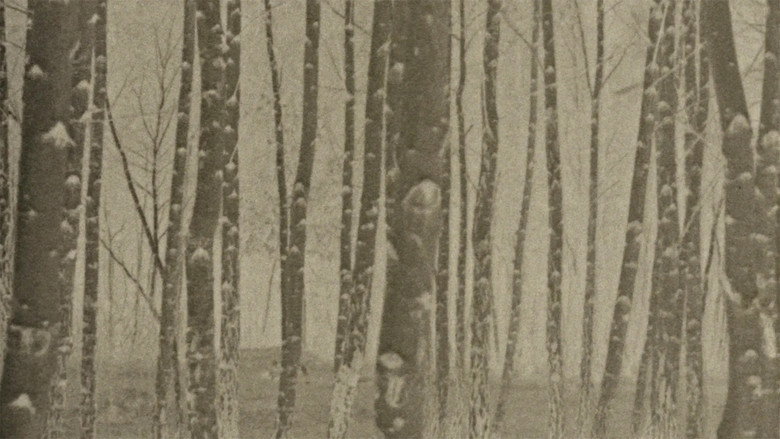
Where Did The Fathers Go?
Documentary
The children who were sent to Siberia in 1941 have not seen their fathers – in their memories they recollect: “My father was arrested, he was sent to Vyatlag camp. He died there in March, 1942. He was not convicted. Father was tried in the autumn of 1942, when he was already dead, Moscow Troika verdict: 10 years in prison and confiscation of property...”The railcar moves along overgrown rails. For 70 years, the twelve participants of the journey have wanted to go to the places from where their fathers did not return. Among the harsh nature the tension on their faces shows.


Kodokushi
Documentary
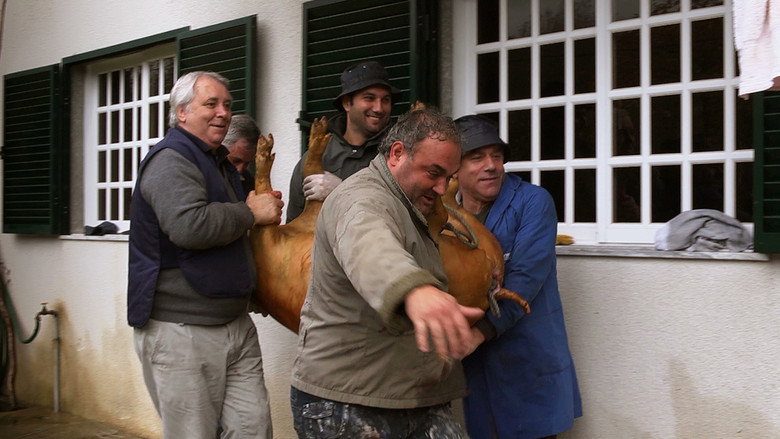
Norihito works for a company that cleans the homes of the deceased alone. The lonely deaths he encounters push him to confront his own past, but this effort also leads to unexpected new problems. Elder Muramatsu, on the other hand, lives his life in silence in social isolation. The upcoming Sakura Festival creates hope to change his destiny. Will he find a reason to exist in the world?