
Search for a command to run...
A series of tragedies will haunt the Patiño sisters after the surprising death of the family's patriarch.
Como uma Onda is a Brazilian telenovela that was produced and aired by TV Globo from November 22, 2004 and June 18, 2005. Featured Alinne Moraes, Ricardo Pereira, Henri Castelli, Herson Capri, Maria Fernanda Cândido, Kadu Moliterno, Joana Solnado, Hugo Carvana, Laura Cardoso and Mel Lisboa in the lead roles.
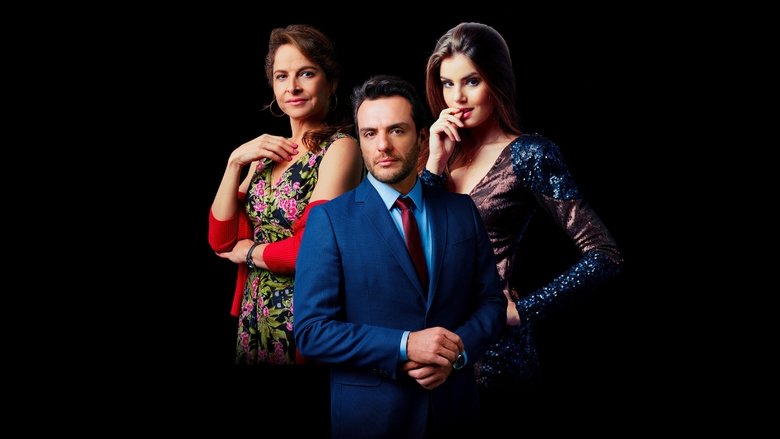
Rebeca murders her sister Adriana to end up with the man she loved, and becomes the step mother of her niece Lucía. Nora, Lucía's half sister and daughter of Rebeca, resents Lucía for the same reasons Rebeca hated Adriana, as history repeats itself.
Naïve and provocative Gabriela is a raggedy migrant worker who arrives in town to mesmerize all with her playful and simple, yet raw sensuality. Set in 1925, the story unravels in Ilhéus, a quiet northeastern coastal city thriving with cocoa crops and aspirations for progress, even though the traditional ways still rule.
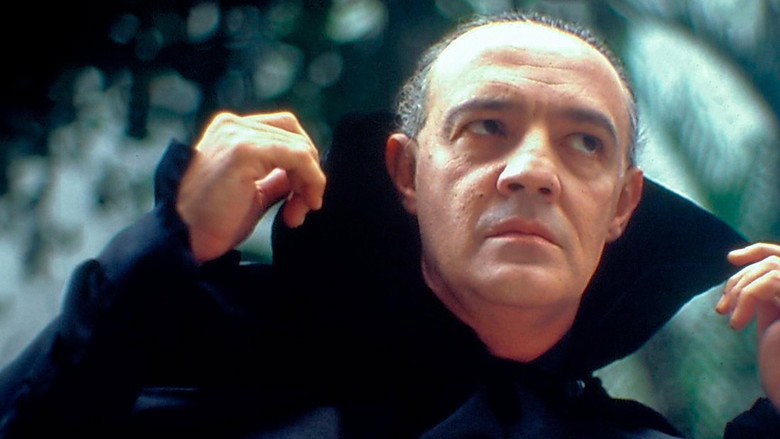
In the tiny poor town of Asa Branca, in the middle of Brazilian Northeast, Roque Santeiro is worshiped as a saint. He was supposedly killed by a bandit, 18 years ago, trying to save the local church. After his disappearance, local leaderships such as landowner Sinhozinho Malta and mayor Florindo, took profit on that to control the humble population. They even make up a widow, Porcina, who should have married Roque secretly before his death. What they don't expect is that Roque is alive, and he's back to, allegedly, "save his people". Now Malta, Florindo, Porcina, and others must hold him down and explain the "truth" to their commoners, in a desperate attempt to save their own bottoms. Meanwhile, mysterious facts surround Asa Branca, such as a Werewolf, a film crew who are trying to shoot a movie about Roque's story, and violent murderers.
Anna und die Liebe is the eleventh Telenovela made in Germany. It has aired since August 25, 2008 on German channel Sat.1 and Austrian Channel ORF 1.
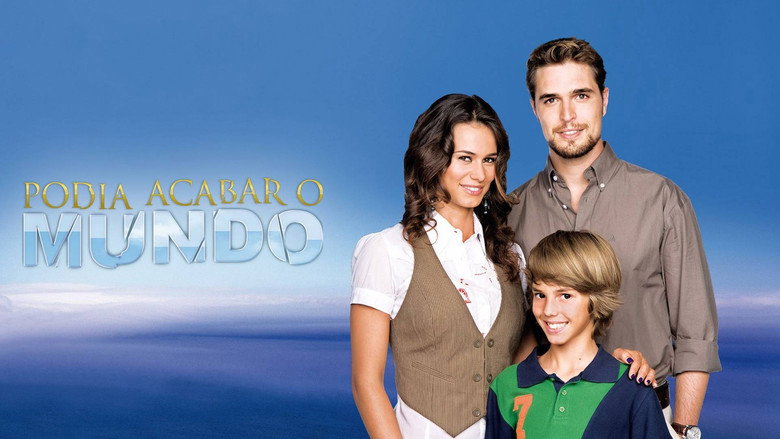
A Maranhense young woman and a carioca tourist photographer fall for each other and get separated by destiny and a woman obsessed with his family's fortune.
Compact was a British television soap opera shown by the BBC between 1962 and 1965. The series was created by Hazel Adair and Peter Ling, who together went on to devise Crossroads. In contrast to the kitchen sink realism of Coronation Street, Compact was a distinctly middle-class serial, set in the more "sophisticated" arena of magazine publishing. An early "avarice" soap, it took the viewer into the business workplace, and aligned the professional lives of the characters with more personal storylines. The show was scheduled for broadcast on Tuesdays and Thursdays, thus avoiding a clash with ITV's Coronation Street on Mondays and Wednesdays. When Compact began, the editor was a woman, Joanne Minster, yet it was not long before she was replaced by Ian Harmon, the son of the magazine's owner. Despite being largely criticised by reviewers, Compact was popular with the general public, and in 1964 a regular omnibus edition was introduced, broadcast on Sundays. Morris Barry, a some-time actor and BBC director – he directed several Doctor Who stories in the 1960s – took over as producer and was given a brief to spice the series up in view of the criticism it had received from the national press. But the BBC, never comfortable with the concept of soap opera, quietly dropped the series in 1965.
Follow the relationships of a group of husbands and wives that live and love on the same street. While the neighbors come from very different backgrounds, their lives are similar – raising children, dealing with exes, worrying about money and keeping romance in their relationships. But just below the surface — secrets, lies and deception threaten to destroy what they have built.
Estranged and out-of-touch, four women in their 40s reunite for a chance to recapture their fame and regain the swagger they had as the Nasty Bitches—their ‘90s group that made them legends in the hip-hop world.
In 1889, a conflict arose between the decadent and ruined rural aristocracy following the liberation of slaves and a new class of wealthy individuals, comprised of entrepreneurs emerging from the republican industrial class, interested in free labor. In the city of Ouro Negro, in the interior of São Paulo state, the conservative, aristocratic, and monarchist Almeida Santos family, which traditionally dominated the region, began to lose ground to the Lobo Ferraz family, representing the nascent progressive and republican bourgeoisie.
Griselda is a tough, hard-working handywoman who managed to raise her three children on her own. She struggles to make ends meet but after winning the lottery tensions rise as people inevitably show their true value. With plenty of romance and intrigue this incredibly rich and fun telenovela brings together the true values of friendship, love, and family.
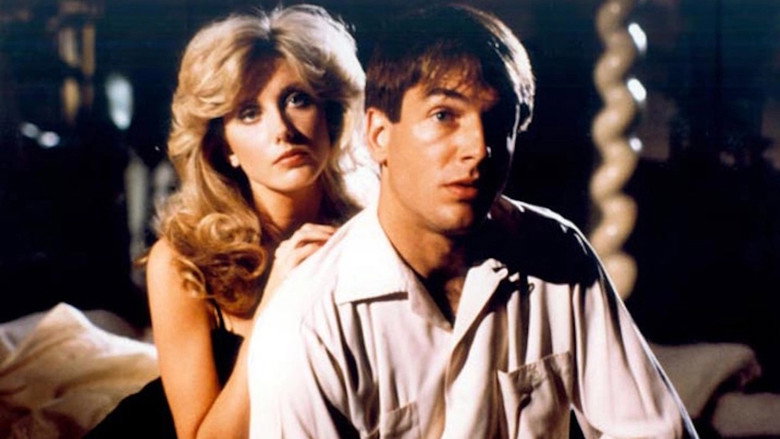
The Power, The Passion is an Australian television daytime soap opera produced by the Seven Network in 1989. The series was devised to lure audiences away from American imports such as The Bold and the Beautiful and The Young and the Restless but failed to make an impact and was cancelled due to low ratings after 168 episodes. The cast included Kevin Miles, Olivia Hamnett, Ian Rawlings, Danny Roberts, Jill Forster, George Mallaby, Nick Carrafa, Allan Cassell, Ross Thompson, Jane Clifton, Jon Finlayson and Julian McMahon in his TV debut.
A story about love and its different manifestations, told through the little boy Marcelino in search of his biggest dream: to meet his mother. Inspired by a famous book, the plot takes place in the 1940s.
La Madrastra is a Mexican telenovela. It was produced by Televisa and broadcast on Canal de las Estrellas in Mexico from 7 February 2005 through 29 July 2005. The program became an unexpected success, garnering ratings in excess of 30 points. Starring Victoria Ruffo and César Évora, who last appeared together in 2000's Abrázame muy fuerte, La madrastra tells the story of María, a woman who lost twenty years of her life after being falsely accused of murder and who returns to Mexico to exact revenge on her husband and friends who abandoned her and to see her beloved children once more. La Madrastra is fourth in a series of remakes of the 1981 Chilean production of the same name. The program aired five nights a week, Monday through Friday, at 9 pm for 25 weeks. A follow-up special, La madrastra: años después, aired shortly after the finale on 30 July 2005.
Rosa salvaje is a Mexican telenovela that was broadcast in 1987. It starred the popular Mexican actress Verónica Castro, who played the main character, "Rosa", co-starring with Guillermo Capetillo as her love interest and Laura Zapata as the villain of the story. This telenovela was a huge success in Mexico, Latin America, Bulgaria, Croatia, Serbia, Bosnia and Herzegovina, Russia, Estonia, China the United States, Indonesia and provided the template for numerous other Latin American soap operas in terms of story, plot twists and characters for years to come.
Reina Ortiz will suffer an accident that will cause her to forget the last eight years of her life, in which she became the wife of tycoon Victor de Rosas, Clara's mother and the owner of the most famous bridal atelier in Las Vegas. She doesn’t even remember the happiest moment of her life; when she fell in love with Nicolas Nuñez. Now Reina, who feels she doesn’t belong to this world of luxury and power, will strive to discover her own truth. Meanwhile, Nicolas is working for the secret service under a new identity as Javier Bolivar, is seeking revenge after Estefania Perez made him believe Reina and Victor were responsible for his unjust imprisonment. Entangled in secrets, tricks and deceptions in a double life of gamble under the framework of gold and precious stones trafficking, Nicolas and Reina will fight for the only thing they cannot leave to chance, their love.