Search for a command to run...
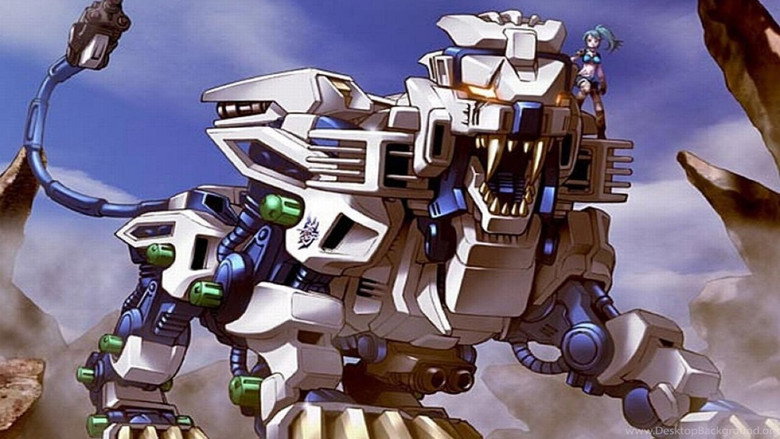
New Century Zero takes place a long time after the events of Zoids: Chaotic Century. Zoids are no longer used for warfare; instead, the combative natures of both Zoids and humans are focused and contained by a series of battle-competitions and tournaments, run by the Zoid Battle Commission. The series focuses on the Blitz Team, in particular the actions of the Liger Zero and Bit Cloud. The series charts the rise of the Blitz Team through various competitions of the Zoid Battle Commission, and the team's efforts to avoid conflict with the criminal organization known as the Backdraft Group.
A public flame-out at a New York media company forces 20-something alcoholic Samantha Fink to seize the only chance she has to sober up and avoid jail time: moving back home with her overbearing mother, Carol. Back in Greater Boston, Samantha restarts her life, working at the local grocery store while surrounded by all of the triggers that made her drink in the first place.
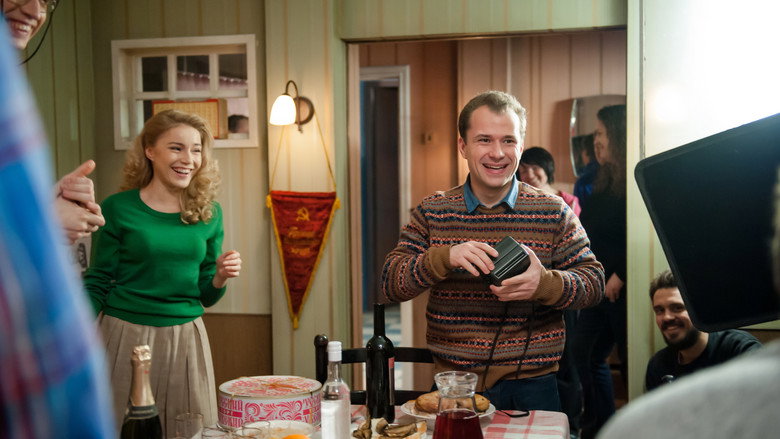
This story began back in 1986. Perestroika was already underway, but the Soviet Union had not yet collapsed. It was a time when there was no Internet, hypermarkets and even mobile phones, but they drank water from the tap, there were no traffic jams in Moscow, and the keys to the apartment were quietly left under the rug.
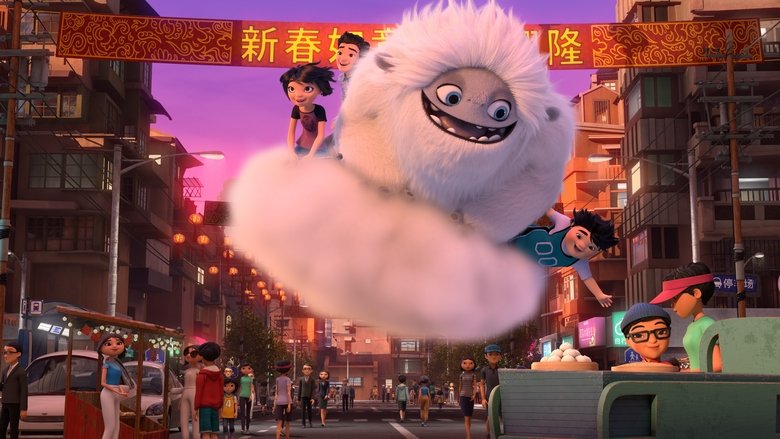
Through Everest, the yeti, Yi, Jin, and Peng know that there’s a whole magical world out there, and now it’s even closer than they think! When they discover that their surroundings are teeming with magical creatures in need of their help, the kids will set out on extraordinary and heartfelt adventures throughout their city and beyond.
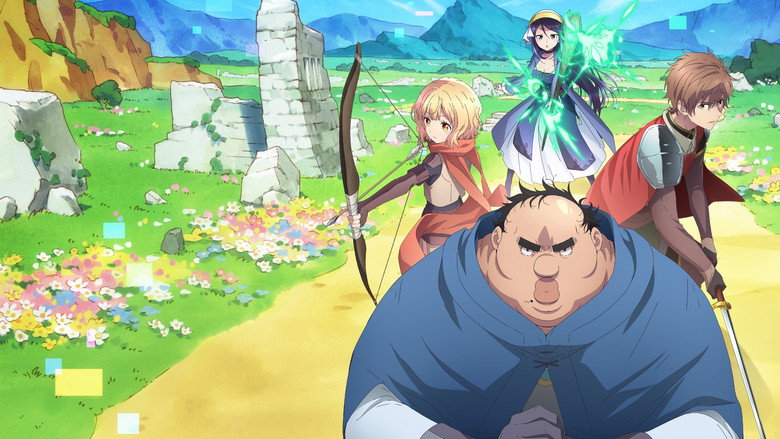
After a false accusation, Shigeru Yoshioka becomes an unemployed recluse. By choosing to remain ugly in another world, Shigeru gains higher status. He begins his second life as an absolute god with cheat-level stats. At first, Shigeru tags along with Seika, Seiji, and Leeds, but due to a weakness caused by direct contact with a girl, he considers breaking away from the party. However…
Hello Internet! Welcome to FILM THEORY! If you want to learn the secrets of your favorite movies and tv shows, then grab your popcorn because it’s about to get epic! Our blockbuster theories include finding how to survive the scariest film monsters, exploring iconic superhero lore, and diving into the creepiest indie-horror series. Whether it’s streaming on Netflix, straight out of YouTube, or playing in a theater near you, we’re covering the nerdy world of film theories.
Producers' Showcase is an American anthology television series that was telecast live during the 1950s in compatible color by NBC. With top talent, the 90-minute episodes, covering a wide variety of genres, aired under the title every fourth Monday at 8 p.m. ET for three seasons, beginning October 18, 1954. The final episode, the last of 37, was broadcast May 27, 1957. Showcase Productions, Inc., packaged and produced the series, which received seven Emmy Awards, including the 1956 award for Best Dramatic Series.
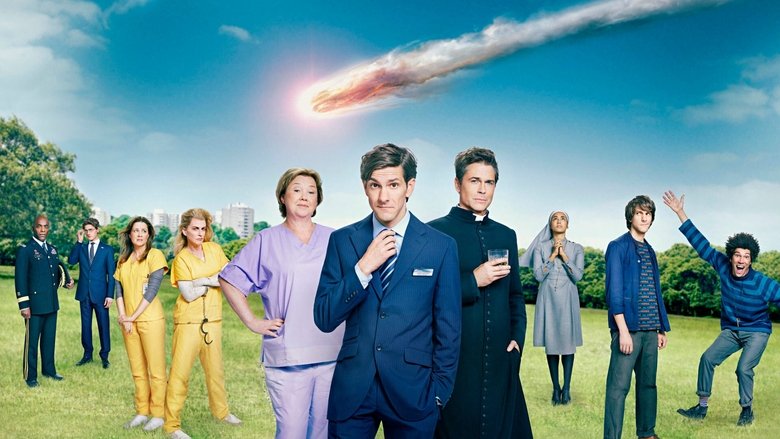
When the news is announced that a comet is on an unavoidable collision course with Earth, the most hilarious and unexpected chain of events imaginable is set in motion.
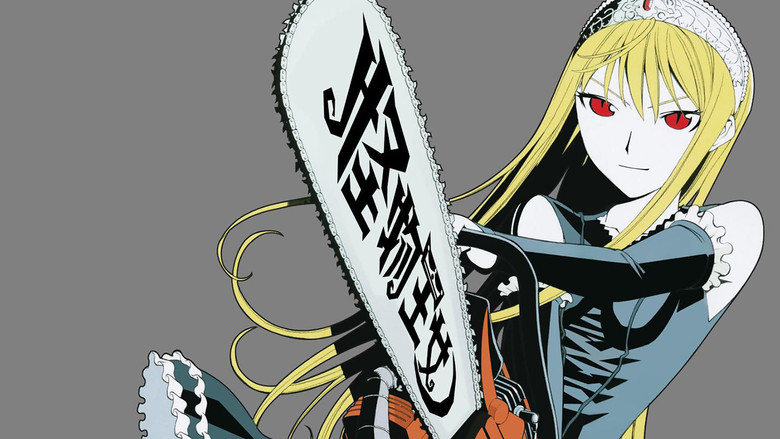
Princess Resurrection is a Japanese horror comedy manga by Yasunori Mitsunaga. The manga was serialized monthly in Monthly Shōnen Sirius magazine and published by Kodansha. A 26-episode anime series by Madhouse aired on TBS in 2007. Both the manga and anime are available in North America with the manga licensed by Del Rey Manga and the anime licensed by Sentai Filmworks and available on the Anime Network website. A new OVA series has been made by Tatsunoko Production with the first episode released in December 2010, along with the 13th volume of the manga, the second episode for the 14th volume, and the third episode for the 16th volume. A spin-off manga, Naqua-Den, which stars a side-character from Princess Resurrection as the main character, was released in 2012 currently with two volumes.
High school freshman Sakai Yonosuke, aka Eiyu, is obsessed with rom-coms, especially ones about childhood friends. But even though he has two childhood friends of his own—Shio and Akari—he's sadly given up on romance becoming a reality. Little does he know, both girls have the hots for him! A humorous will-they-or-won't-they rom-com about friendship, love, and first crushes!
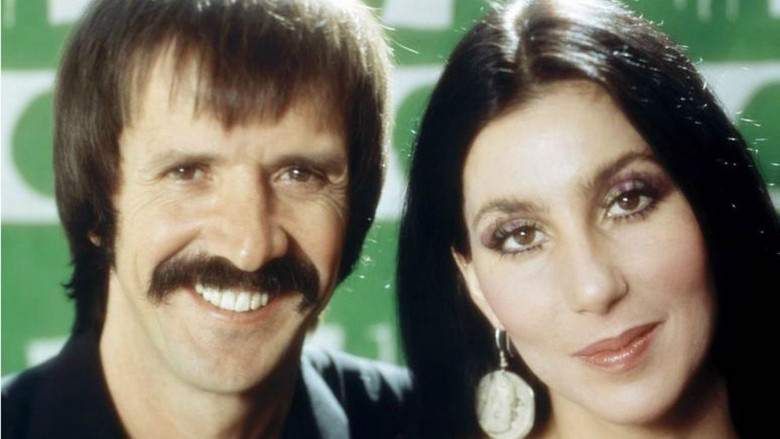
The Sonny & Cher Comedy Hour is an American variety show starring American pop-singer Cher and her husband, Sonny Bono. The show ran on CBS in the United States, when it premiered in August 1971. The show was canceled May 1974, due to the couple's divorce, though the duo would reunite in 1976 for the identically-formatted The Sonny & Cher Show, which ran until 1977.
In the continent of spooner, sorcerers, who are the continent's aristocrats, have begun to abuse their powers. Under the guidance of Big Momma (their boss) Carrot (who turns into a giant monster every time he's placed under a magic spell), Gateau (a bodybuilder), Marron (a mage), Chocolate and Tira (who can transform into dominatrix's at will) must stop the evil sorcerers from picking on the weak. However, none of them (except maybe Marron) have a clue to what’s going on.
A game show where talented contestants compete to bring to life silly prompts.
Popular football player Anton Kovalev, after spending two years in prison for a drunken brawl in a cafe, is released. The offense blocked the successful career of Kovalev, who was previously the captain of the Russian national team. The reputation of a "downed pilot" does not allow him to continue his favorite business and get a prestigious job. The head of the center for difficult teenagers, Herman, who once raised Anton, offers him a place in the center to prepare difficult children for the local Olympics. Out of desperation, Kovalev agrees to the offer, but he does not even imagine how difficult it will be to find a common language with the guys, and what an important place they can take in his life.
Protected by the highest security, the Maison de Ayakashi is rumored to be haunted, where only eccentrics could live. In reality, it is a place for humans with non-human ancestors to live. The socially-inept Ririchiyo has come here to improve herself. She meets secret service bodyguard Soushi, who is assigned to protect residents. He has a request of her: "Please make me your dog."
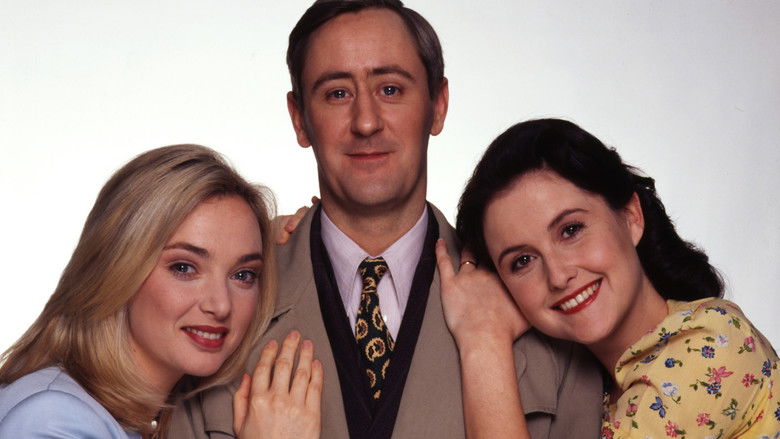
Gary Sparrow is an ordinary bloke in 1990s Britain, married to the ambitious Yvonne and working as a TV repairman. Then his whole world changes when he stumbles upon a portal to WWII-era London and begins a dual life as an accidental time traveler.
Enlisted is based on Kevin Biegel's relationship with his siblings. The comedy follows three very different brothers working together in the Army at a small base in Florida.
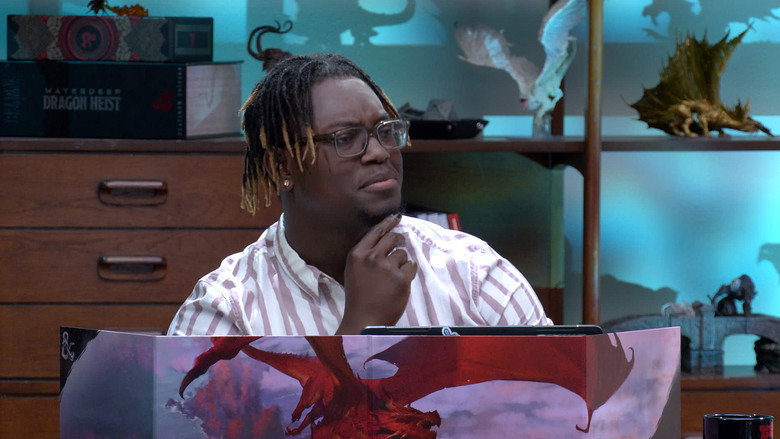
Four 1st-level heroes. One epic monster. Certain death! Faster, Purple Worm! Kill! Kill! serves up comedic mayhem as four special guests pit their low-level Dungeons & Dragons characters against the game’s mightiest monsters. Each one-hour episode features a rotating line-up of Hollywood celebrities and tabletop gaming stars whose puny characters don’t stand a chance. Whether they go out in a blaze of glory or a scream of terror, a “total party kill” has never been this much fun.