Music
Söhne Mannheims - Iz On (Live in Oberhausen)
Music

Der Freischütz
MusicDocumentary
Cilaos
DramaMusic
To keep the promise she made to her dying mother, a young woman sets off to find her father, a fickle man she has never known. On the way, she discovers he is in fact dead, but, driven by the bewitching rhythms of the Maloya, a Reunion Island ritual singing and musical tradition, she does not abandon her goal: she must find her father.
Sasidharan
DramaMusic
Sashidharan, the graduate son of the landlord Panikker falls in love with Vilasini, the daughter of a poor widow Kalyani Amma . A crooked local newspaper editor and the lecherous city wastrel Rajasekharan form a tricky plot turning Panikker against his sons wish to marry Vilasini.
João Ninguém
DramaMusic
João Ninguém is a humble composer who made the waltz "Sonhos Azuis" as a gift to his girlfriend on her birthday. To give it to her, he asked for help from a friend, but on the way, an accident happens and puts at risk not only the relationship, but also João's life and career.

Starfall Show
Music
Maks Barskih performs in his native language, primarily translating his new hits from Russian into Ukrainian
Country Music Classics: Marty Robbins and Ernest Tubb
Music
Live in 1954 and 1956, Robbins plays 12 songs including "Time Goes By," "I Can't Quit" and more. Tubb plays 14 songs including "So Many Times," "Try Me Once More" and others.


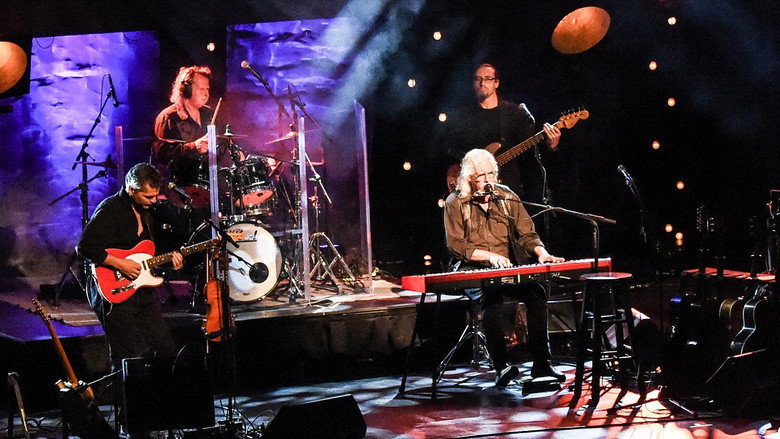
Powder Her Face - Ópera de Cámara Teatro Colón
Music
Powder her face is the first lyric title of the English composer Thomas Adès (1971). It narrates the life of the Duchess of Argyll in a flashback that embraces her amorous audacities and the luxury of a life that culminated the day she had to leave the hotel room in which she resided due to lack of payment. Her scandals not only included illustrious figures, but also the circumstances were extraordinary.

Man of Music
HistoryMusic
The young composer Mikhail Glinka performs his new work at a soiree at earl Vielgorsky's house. However, the public is accustomed to Western music, and reacts coldly to the creation of the composer. This makes him very sad, but soon he decides to go learn the art of music in Italy. After returning from Italy, he is full of desire to write national Russian opera. Vasily Zhukovsky proposes a subject: a feat of Ivan Susanin. Tsar Nicholas I change the name of the opera to A Life for the Tsar and assigns a librettist - Baron Rosen. Acquaintance with the future co-author shocked Glinka: Rosen speaks Russian with a noticeable German accent. The premiere was successful, but Glinka was still not entirely happy with the libretto: "False words were written by Rosen". When Nicholas I learned that Ruslan and Lyudmila was written on Pushkin's subject, he sees it as sedition. The bitter experience of the composer brighten his supporters.