War
La planta insolente
DramaHistory
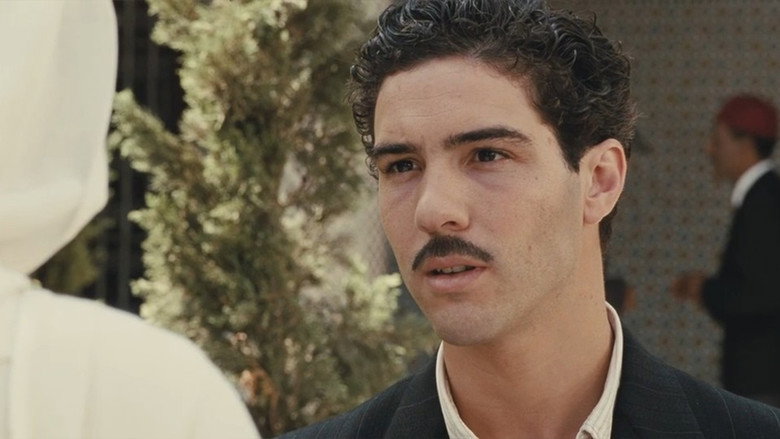
The film reproduces the historical moment when Cipriano Castro, then president of Venezuela, proclaimed: "The insolent plant of the foreigner has desecrated the sacred soil of the fatherland!" While the coasts were invaded by imperial forces in 1902.
Maybe Tomorrow
War
The end of the 1920s. The capitalist world is in crisis. The fascists unleash war against the Soviet Union. The enemy attack interrupts the peaceful labor of Soviet people. Hundreds of production workers join the Red Army. At the front go Red Army units, columns of tanks, units of the people's militia. Enemy airplanes appear over the Soviet city, black bomb bursts are rising. The streets are moving mournful funeral processions of the first victims of the war. At the end of the movie, a worker appears on the screen, appealing to the audience to be ready for the war, which has not yet come, but will come “maybe tomorrow"
Takluk 2: OP Daulat
ActionCrime
Sequel to Takluk: Lahad Datu (2024).

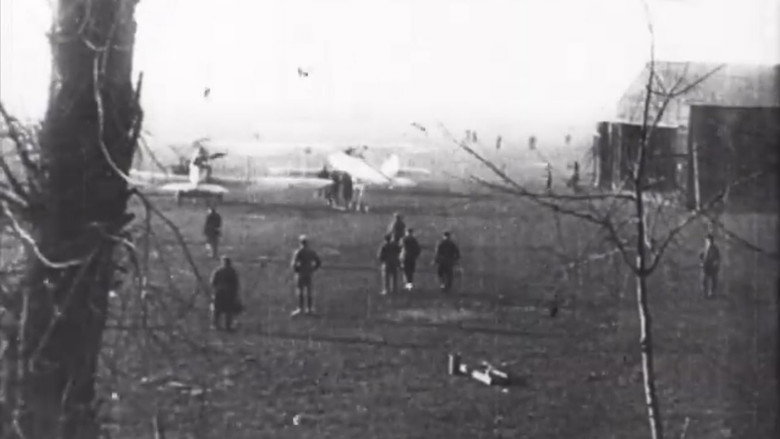
Våbenbrødre
WarAnimation
Ørn is a Danish platoon commander positioned in Afghanistan and his cooperation with the local police captain, Fareed. In spite of cultural differences, their men fight side by side to improve security in a region that has been torn up by war. However, when an Afghan officer turns his weapon against the Danish soldiers, the cooperation and growing friendship between the two leaders is put to the test. Before the men have time to react, the traitor vanishes leaving Ørn wounded and his interpreter dead. Ørn is shipped back to Denmark, but returns to Afghanistan as soon as he recovers from his wounds, determined to continue his duty as if nothing ever happened. Once again the Danish soldiers go on patrol with Fareed and his officers, but mistrust lurks just beneath the surface and it becomes increasingly difficult for Ørn to not only to keep his men's paranoia at bay, but also his own.
Glorious Mother
AnimationWar
The mother and housewife of our time becomes involved in the Flag War.
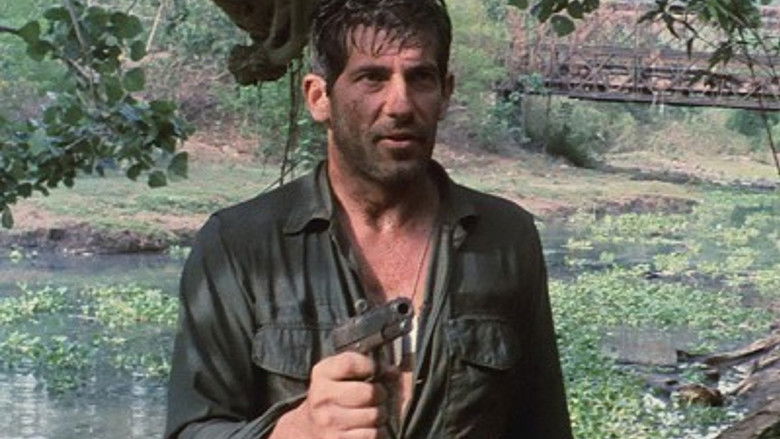
Come Back With the Sun
DramaWar
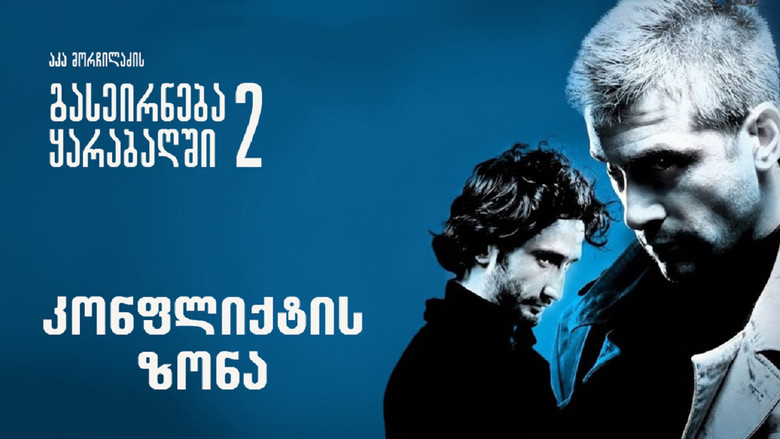
Zygmunt Kolosovsky
WarDrama
Polish anti-fascist Zygmunt Golemba, posing as Baron Fedrucci or a Catholic priest, blows up German headquarters, frees Polish prisoners, and kills Gestapo generals. His name becomes a symbol of revenge and hatred of the enemy...