
War
The Blade
DramaWar
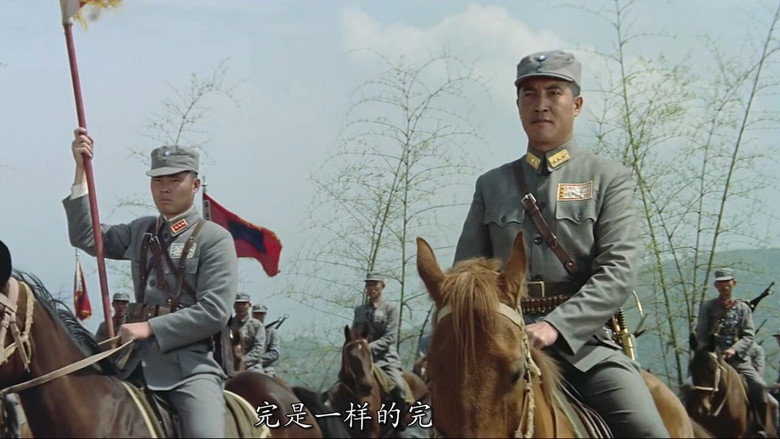
Nguyet is an orphaned child living with her grandma in a seaside village of devout Catholics. When the village becomes a battlefield, the grandma, enraged by the fact her son died due to Vietcong mine traps, begins throwing grenades against the winning Vietcong soldiers. To ensure a strategical victory, Dung, a young combatant, is deployed to gun down the old woman.
Shooting by the Suolun River
WarDrama
Uncle Zvane
War
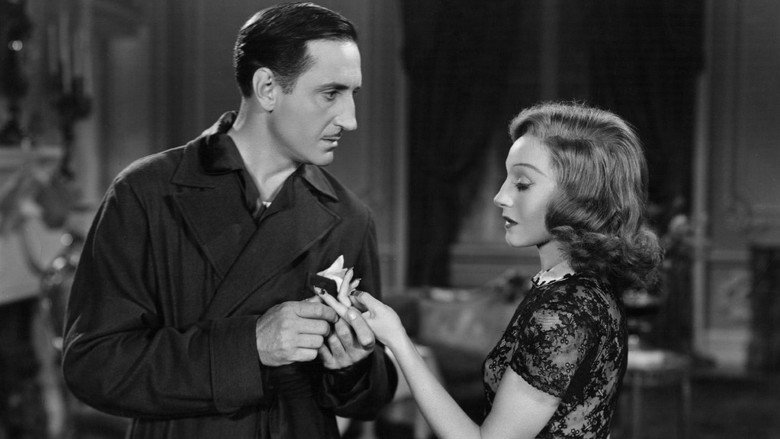
Uncle Zvane is assigned by the underground People's Committee of a village to deliver a number of oxes to the Partisans in the Gorski Kotar Mountains. The story tells how the old man overcomes the difficulties, and succeeds.
Souls Aflame
DramaWar
Souls Aflame is a silent war drama released in 1928 directed by Raymond Wells

Burgemeestersmoord
DramaWar
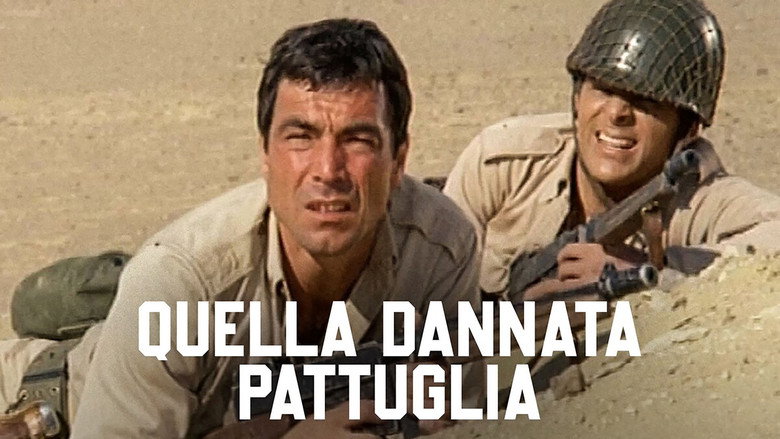
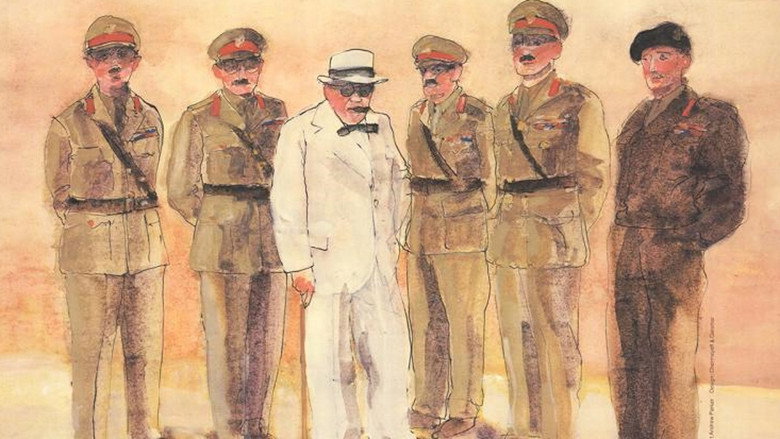
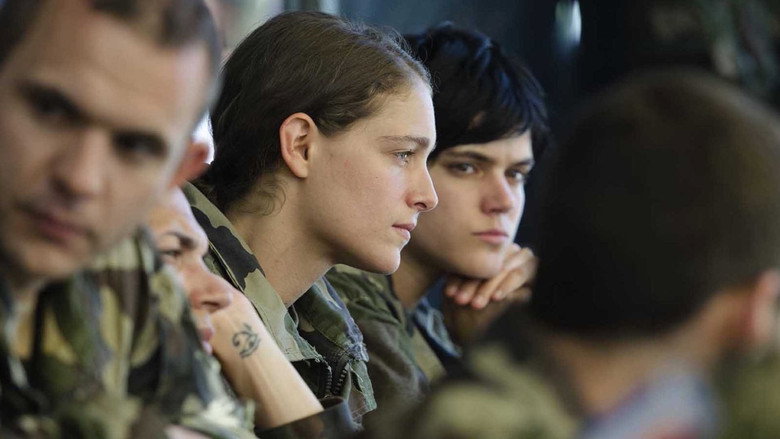
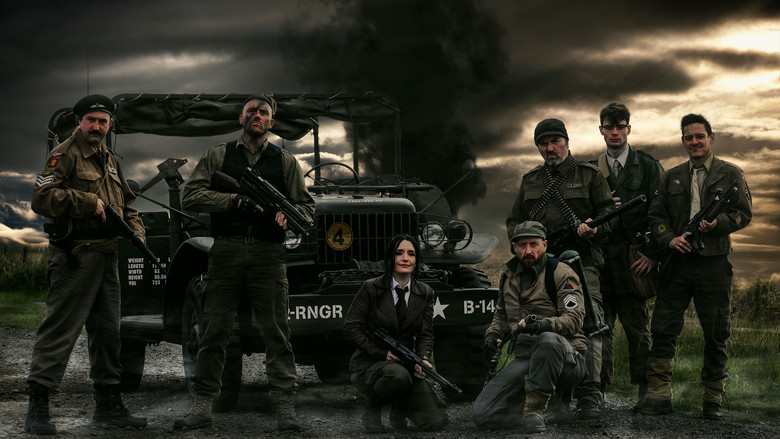
"Burgemeestersmoord" tells the true story of the assassination of Mayor Piet Smulders of Someren and Mayor Willem Wijnen of Asten. Both mayors were part of the resistance and did everything they could to make things as difficult as possible for the occupying forces. In German-occupied North Brabant, Jan searches for his place in the war. One thing is certain for him: this cannot continue. When Jan gets a job at the town hall, he becomes entangled between the mayors of Someren and Asten and the German officer Von Obernberger. From the moment Jan is embraced by the resistance, his actions increasingly draw the attention of the Germans. These deeds will have major consequences for both Someren and Asten.