War

Life Begins
WarDrama
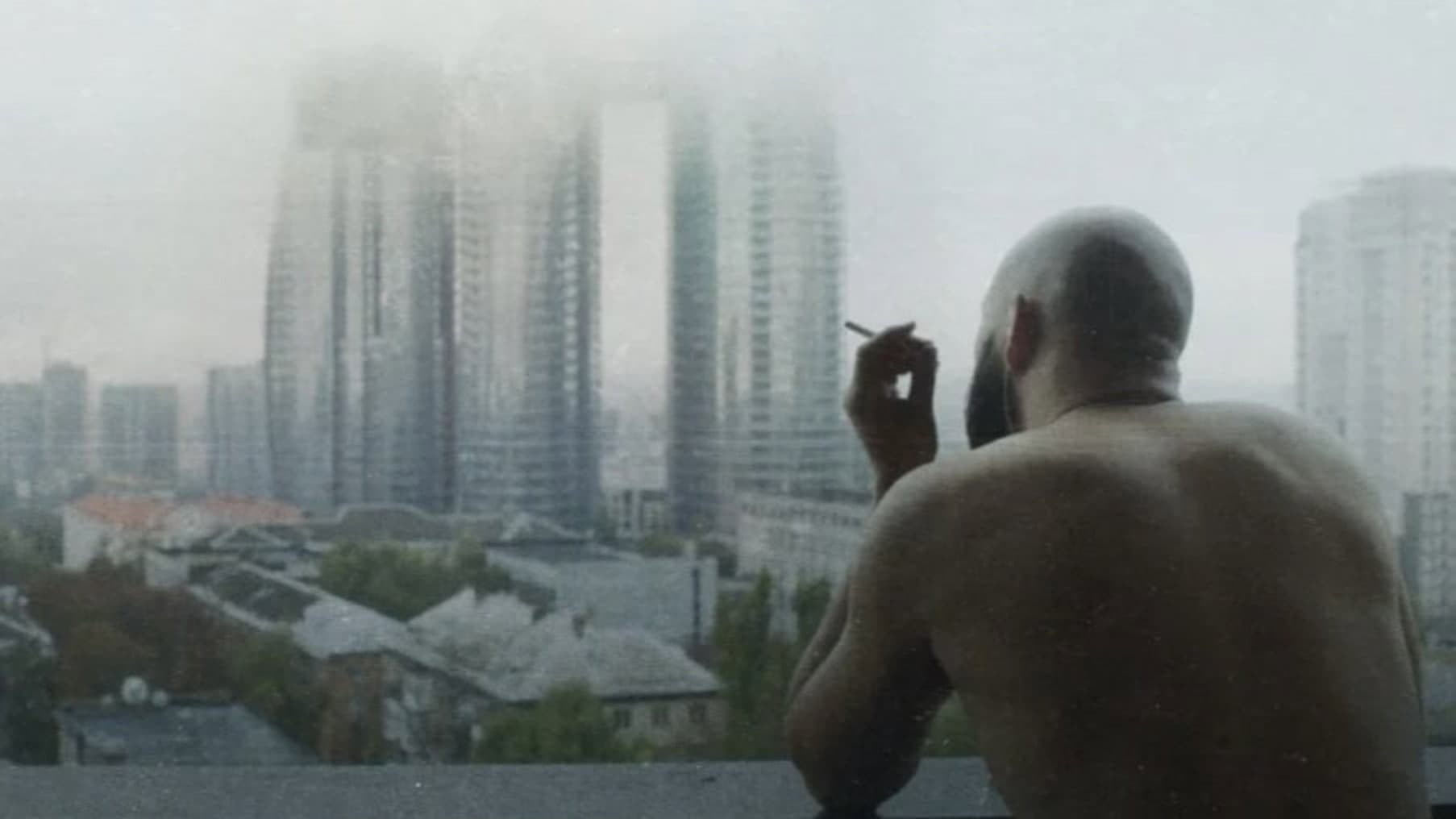
A war veteran struggles to readjust to civilian life after participating in fierce battles. He finds it difficult to find his place, even at home. After a fight in a pub, he is imprisoned in a military facility and then sent back home, where memories, physical and emotional trauma, and the sounds of war haunt him.
We'll Meet Again
DramaMusic
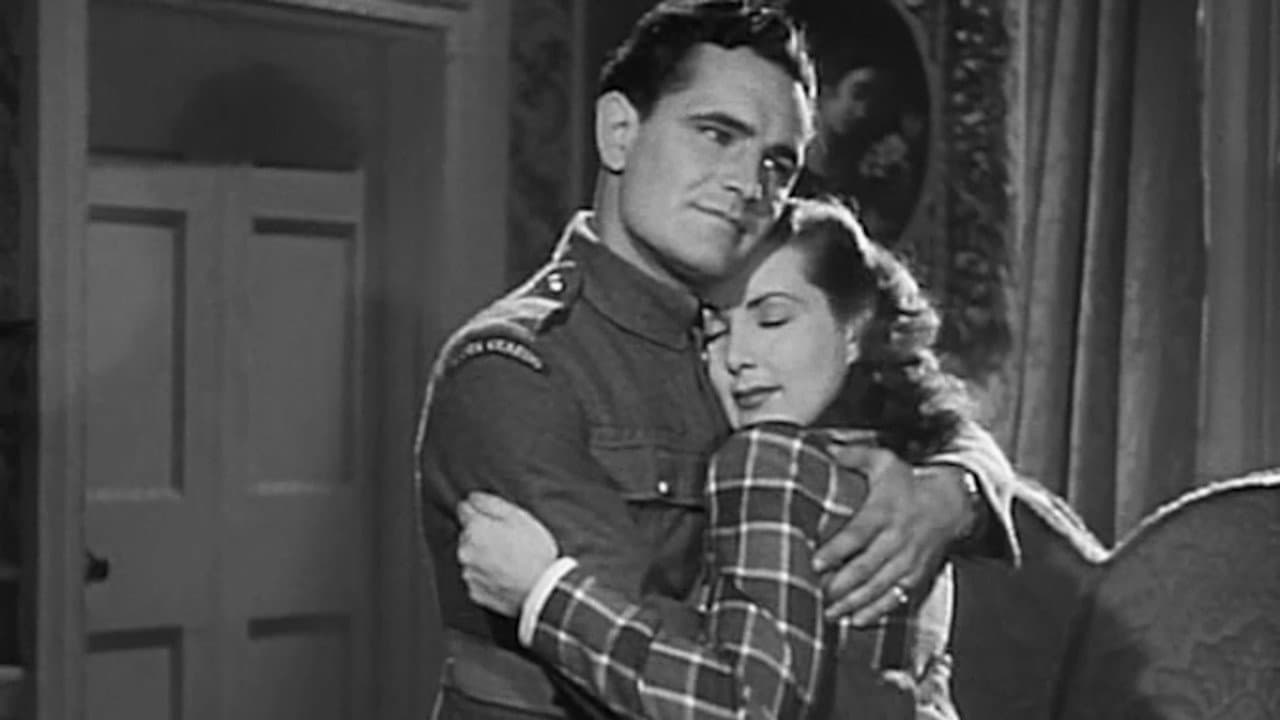
A young dancer trying to make it in London during World War II discovers that people like her singing voice, too. Although she's at first reluctant to sing, she finally does and becomes a star. She hooks up with a young musician who composes classical music and turns his nose up at this vulgar "popular" music, but she believes he can be a success at it and sets out to turn him around.
Ingeniously Taking Mount Hua
DramaWar
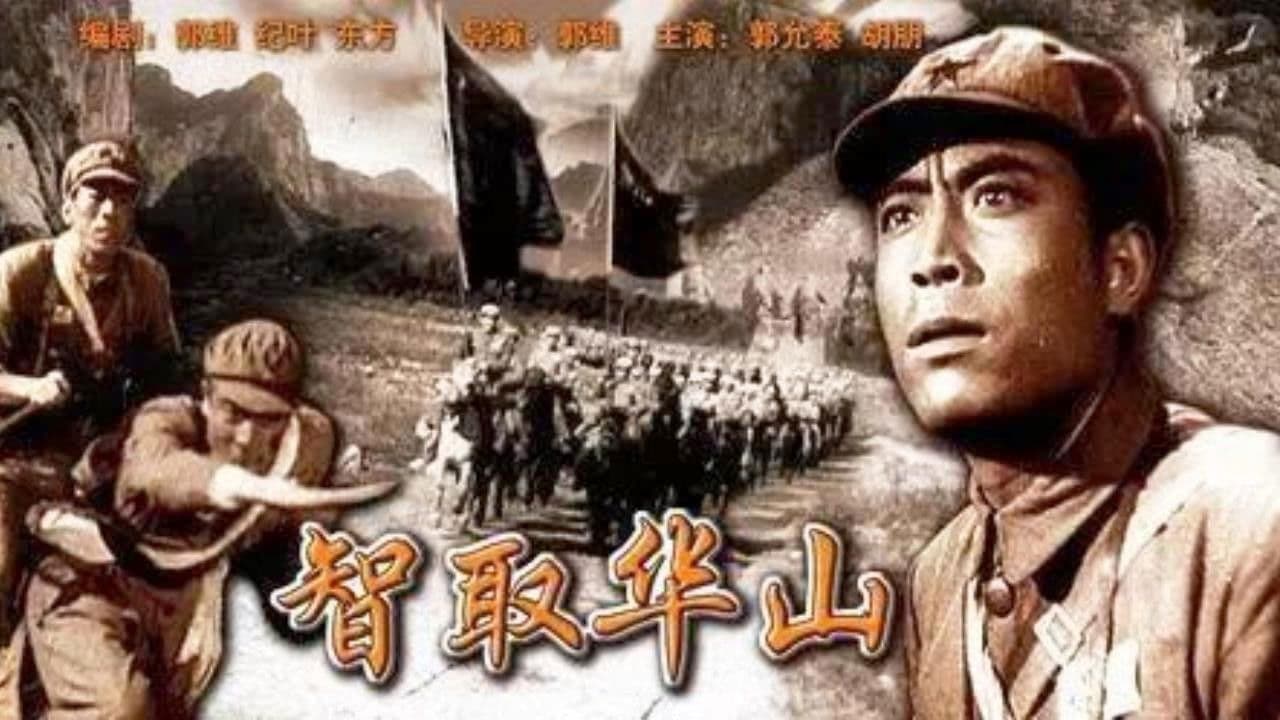
After the major campaigns, the Liberation War’s focus shifted to the northwest. Hu Zongnan retreated south, and Fang Zhiqiao led his remnants to Mount Hua, known for its rugged terrain. Fang deployed forces at key passes, but a military intelligence officer, with herbalist Chang Shenglin’s help, cut off enemy communication by reaching the North Peak. A political offensive led to the surrender of the enemy at Qianshi Zhuang, controlling all passages between the North and West Peaks. Trapped, Fang Zhiqiao’s troops, with shattered morale, launched a futile counterattack, leading to his despairing lament.
Ukraine's War: The Other Side
DocumentaryWar
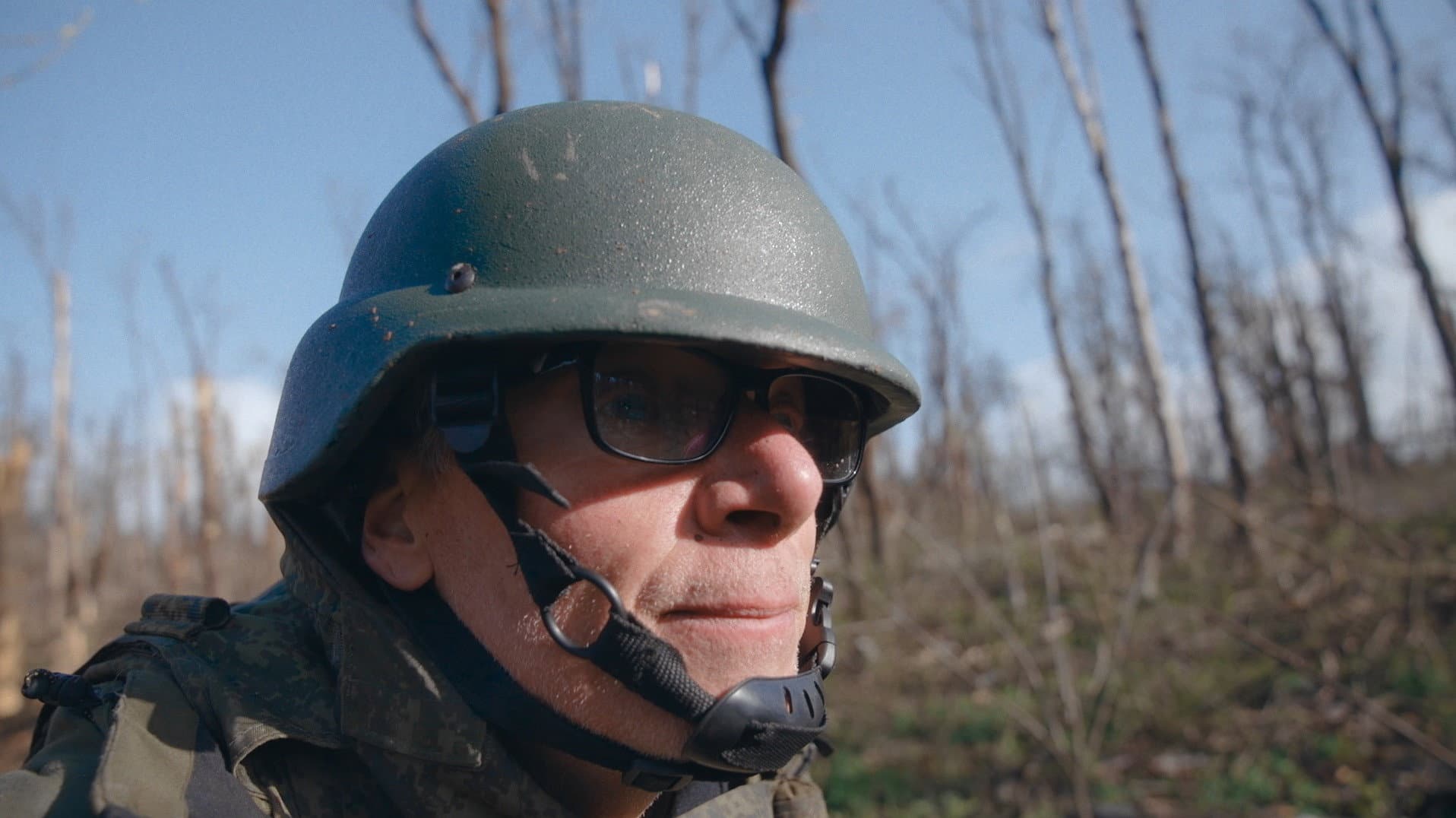
The documentary follows filmmaker Sean Langan's journey into the invader’s Russian side of the war in Eastern Ukraine. Sean heads into the Russian-occupied Donbas region to find out through the eyes of soldiers on the Eastern front and civilians coping with war in the streets how the conflict is affecting them.
The Land
DramaWar
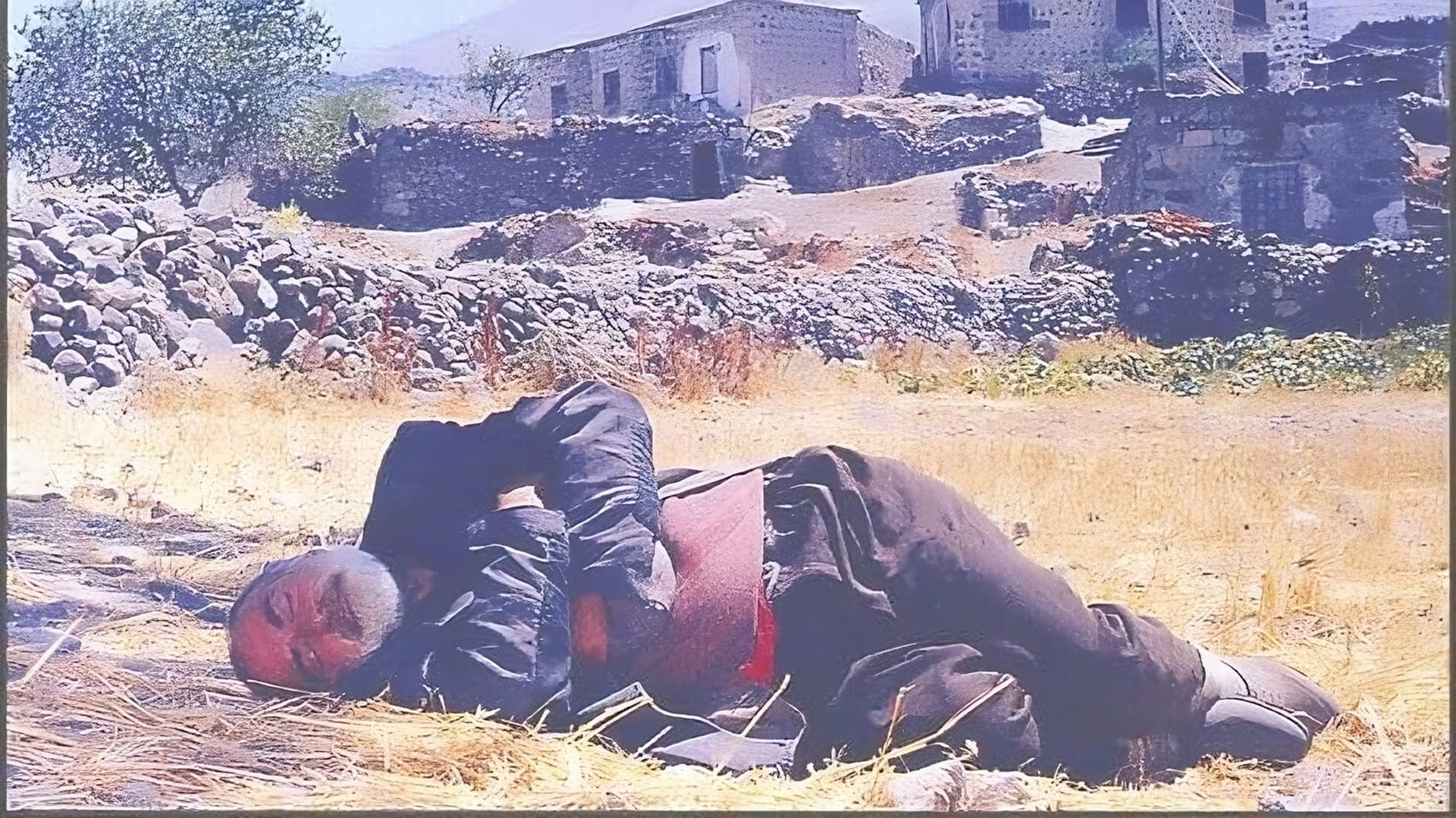
Revolving around an old man who refuses to leave his otherwise evacuated village in Kurdish Turkey, "Ax (The Land)" is a twenty-seven-minute long short film about the forced deportations of Kurdish villages by the Turkish military.
Algeria in Flames
DocumentaryWar
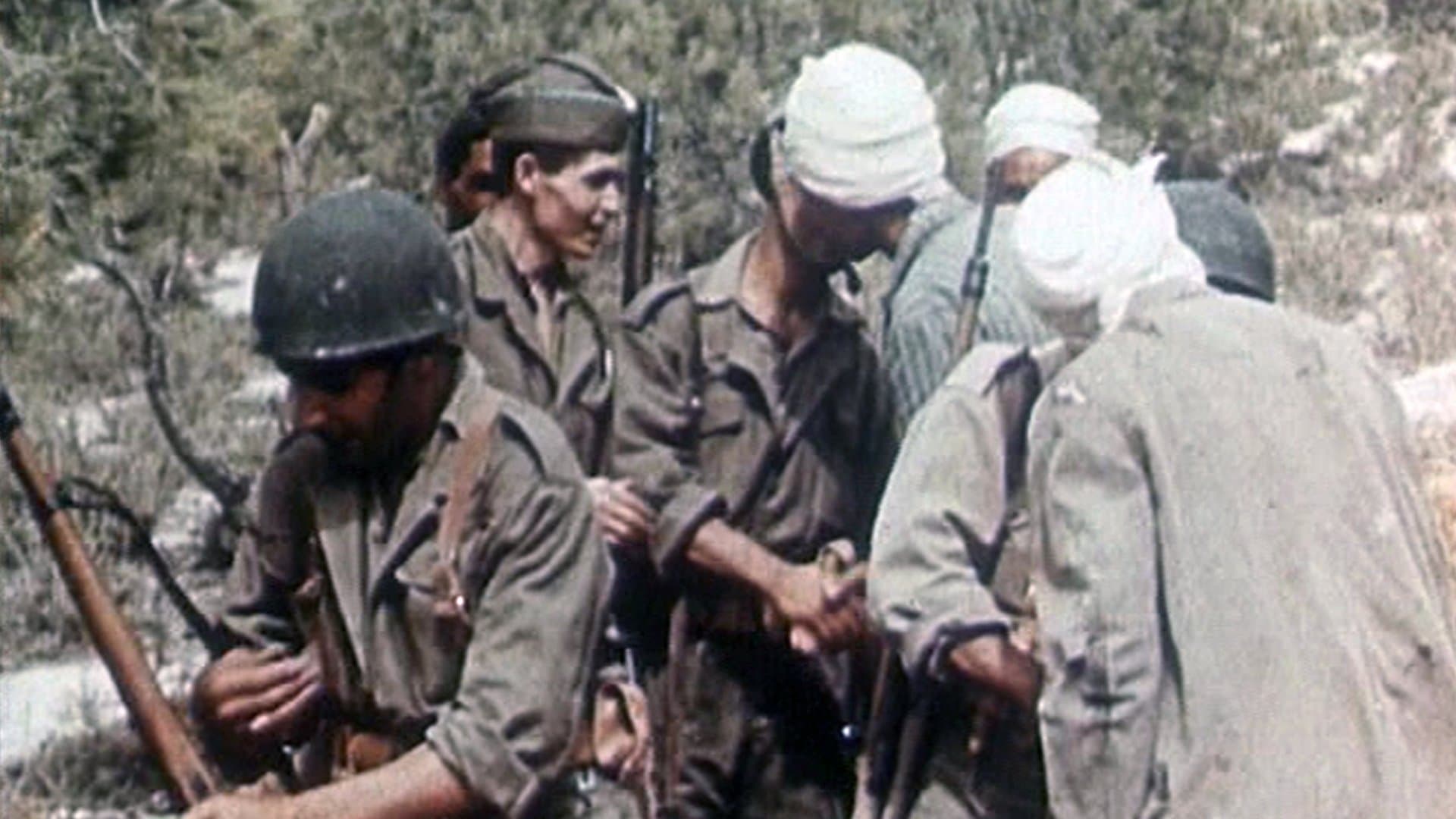
These are the first images shot in the ALN maquis, camera in hand, at the end of 1956 and in 1957. These war images taken in the Aurès-Nementchas are intended to be the basis of a dialogue between French and Algerians for peace in Algeria, by demonstrating the existence of an armed organization close to the people. Three versions of Algeria in Flames are produced: French, German and Arabic. From the end of the editing, the film circulates without any cuts throughout the world, except in France where the first screening takes place in the occupied Sorbonne in 1968. Certain images of the film have circulated and are found in films, in particular Algerian films. Because of the excitement caused by this film, he was forced to go into hiding for 25 months. After the declaration of independence, he founded the first Algerian Audiovisual Center.
To the Shores of Iwo Jima
DocumentaryWar
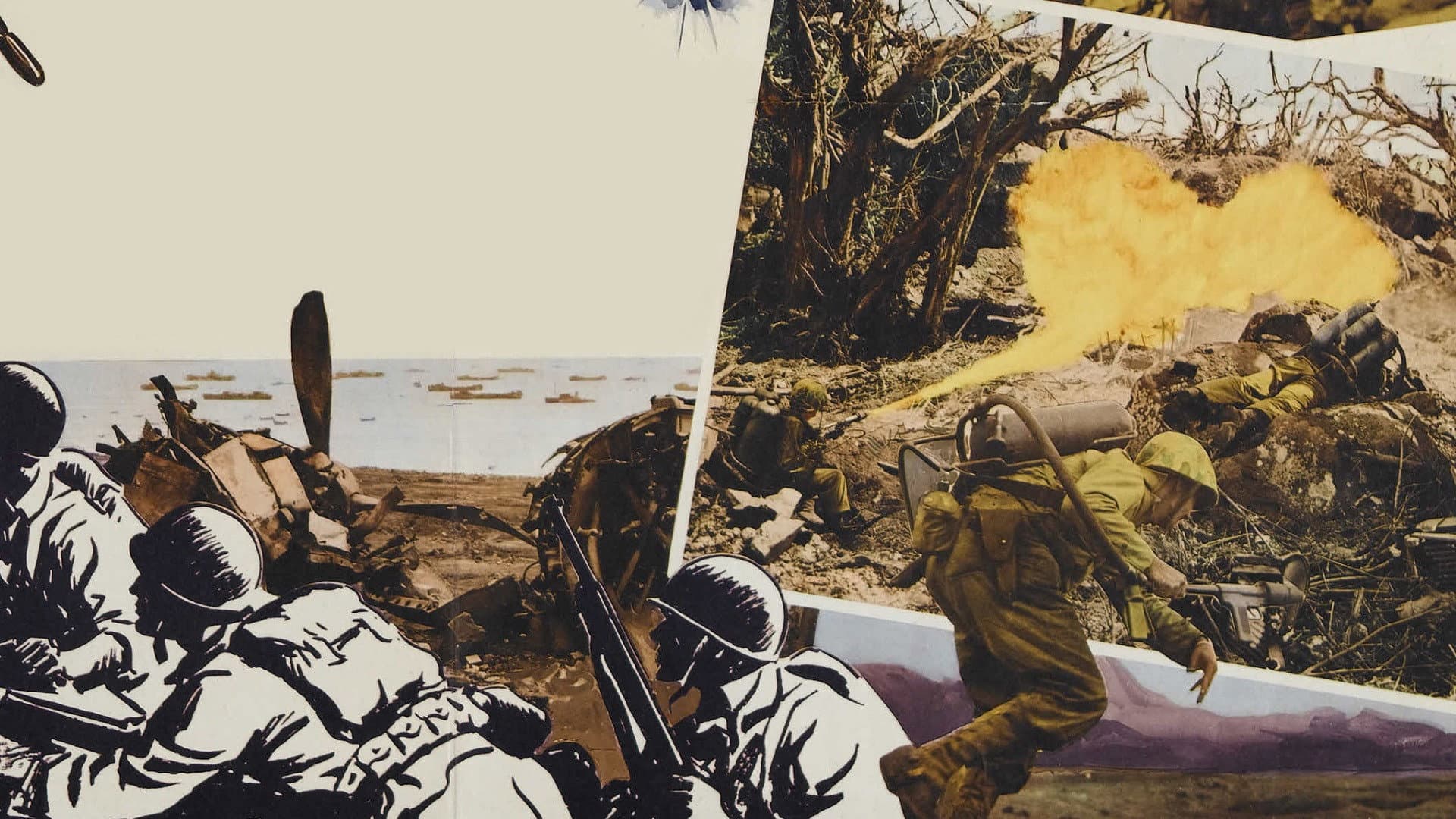
Documentary short film depicting the American assault on the Japanese-held island of Iwo Jima and the massive battle that raged on that key island in the Allied advance on Japan. Four cameramen died bringing this footage to the public
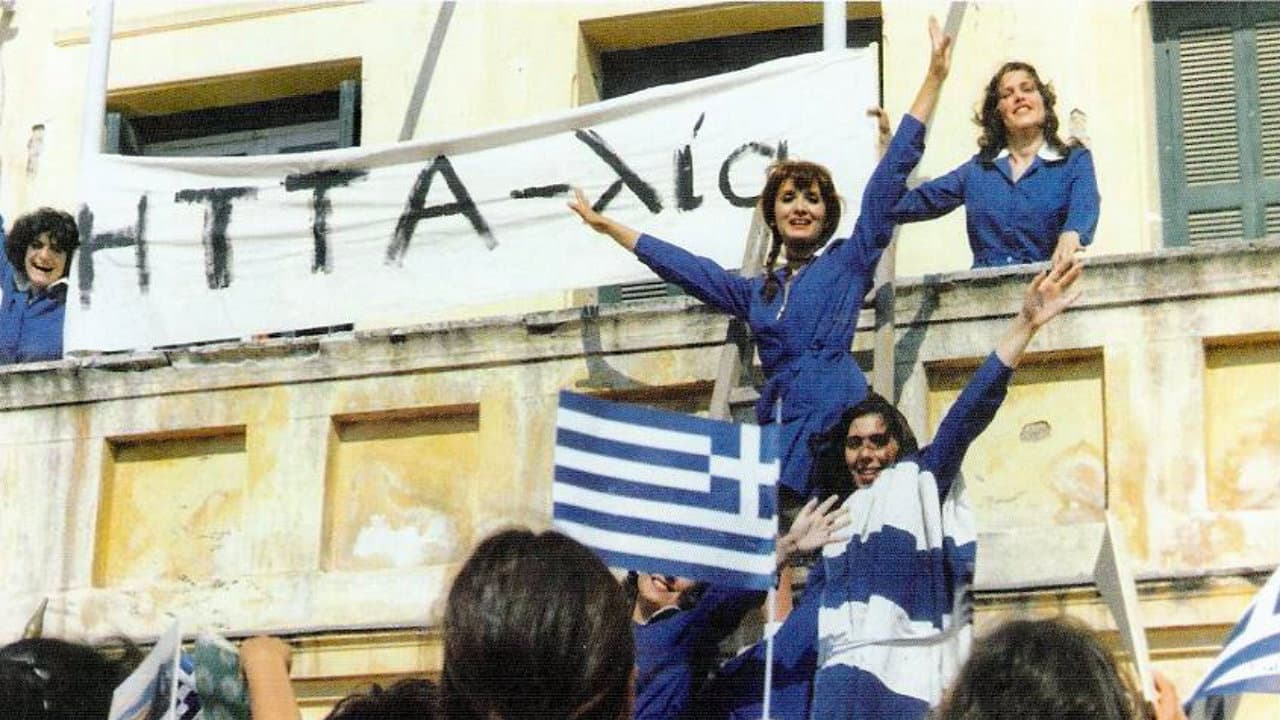
17 Bullets for an Angel
WarDrama
Iro Konstantopoulou was thirteen years old when the Germans invaded Greece. Despite her age, however, she got involved with the resistance. When she was arrested for the first time, her rich father managed to set her free, and she fell in love with a young doctor who took care of her injuries following torture. A little before the withdrawal of the Germans, she participated in the blowing up of a train that was transporting ammunition, and she was arrested again, but this time no one could save her. She was executed at the Chaïdari camp, along with forty-nine other prisoners.