War


The Heart of Humanity
DramaRomance
The story centers around Nanette, an American girl living in a small Canadian village, who is in love with John Patricia, the eldest of five brothers. The war interrupts their romantic idyll, as everyone goes overseas to Belgium and France. Nanette becomes a Red Cross nurse and is terrorized by the evil Prussian Lt. von Eberhard.

The Tank and the Olive Tree, Another History of Palestine
DocumentaryWar
The Tank and The Olive Tree recalls a certain number of forgotten fundamentals and sheds new light on the history of Palestine. By combining geopolitical analysis, interviews with international personalities who are experts on the subject and testimonies from Palestinian and French citizens, this documentary offers the keys to understanding what the media call the Israeli-Palestinian conflict. Enough to rid people's minds of clichés and prejudices! If The Chariot and the Olivier is intended to be educational, it speaks above all of a magnificent territory, and of a people who constantly affirm that “to live is already to resist”...
Hollywood Spies
DocumentaryWar
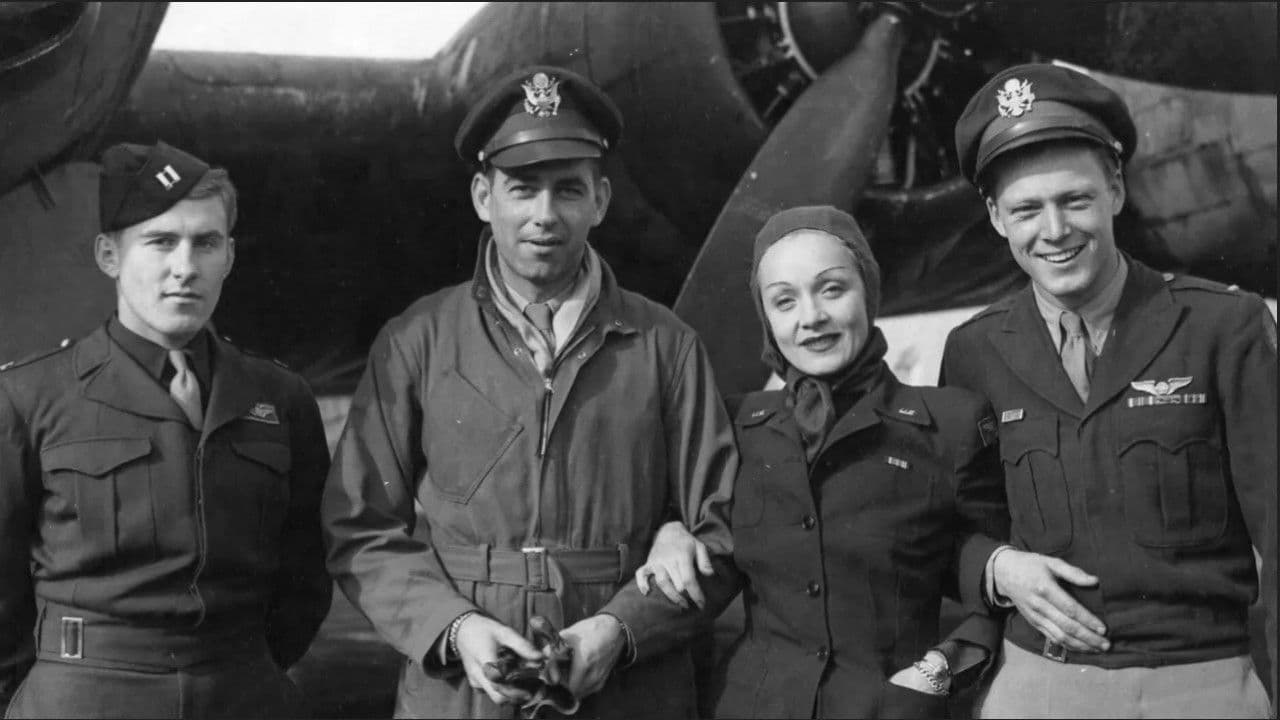
During the 1930s anti-Semitism was rampant not only in Germany but also in America. There was a German American Bund and pro-Nazi rallies even filled Madison Square Gardens in New York City. And the US was isolationist. Until Pearl Harbor, then, everything changed. Spymasters throughout the 20th century, and particularly during times of conflict, thought it advantageous to enlist the services of celebrities who had high level and powerful "fans" in various industries, many with easy access to politicians and high ranking government officials. Hollywood, as we now know from declassified National Archive documents, aided in the mobilization for war and its people contributed as spies, combatants, propagandists, documentary and fund-raisers, entertainers, and morale-boosters. Hundreds of celebrities eagerly answered the "call to arms" and brought their talents and patriotism to the intelligence services, military and war information offices.

The Debt
DramaWar
The drama tells the story of an Argentine elementary-school teacher sent by the government to a rural hamlet located in the northwestern province of Jujuy. It shows how he touches the lives of the villagers, especially the young and impressionable boy Verónico, whose mother died and father left to seek work when he was an infant. The film is based on a non-fiction book written by Fortunato Ramos, a rural teacher in northwest Argentina, that discusses his teaching experiences.
1939/1945: German Women Against Hitler
DocumentaryWar
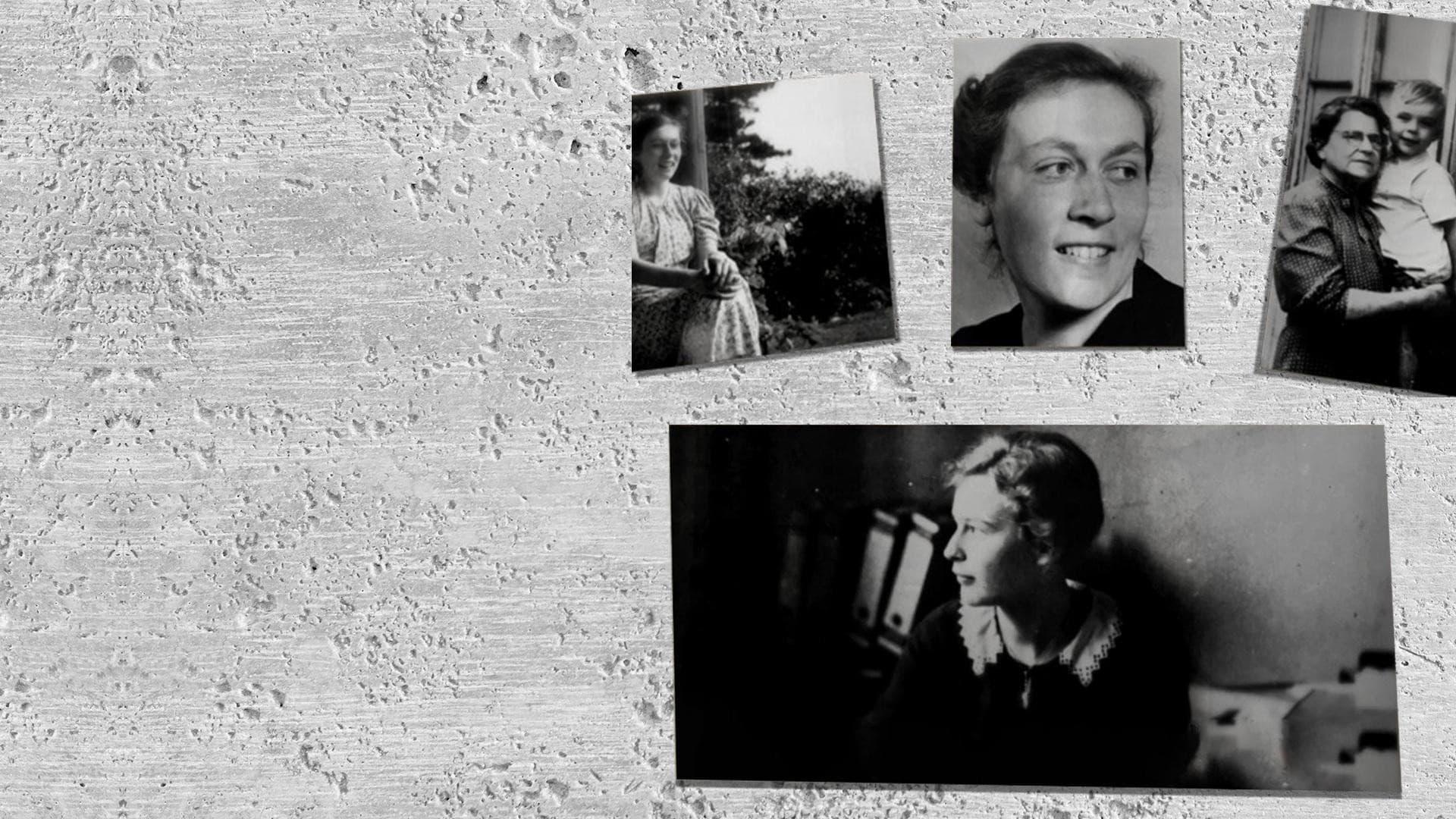
Coming from all social strata, a priory model citizens of the Third Reich, one thing unites these women: hatred against the Hitler regime and the desire to end the Führer.