History

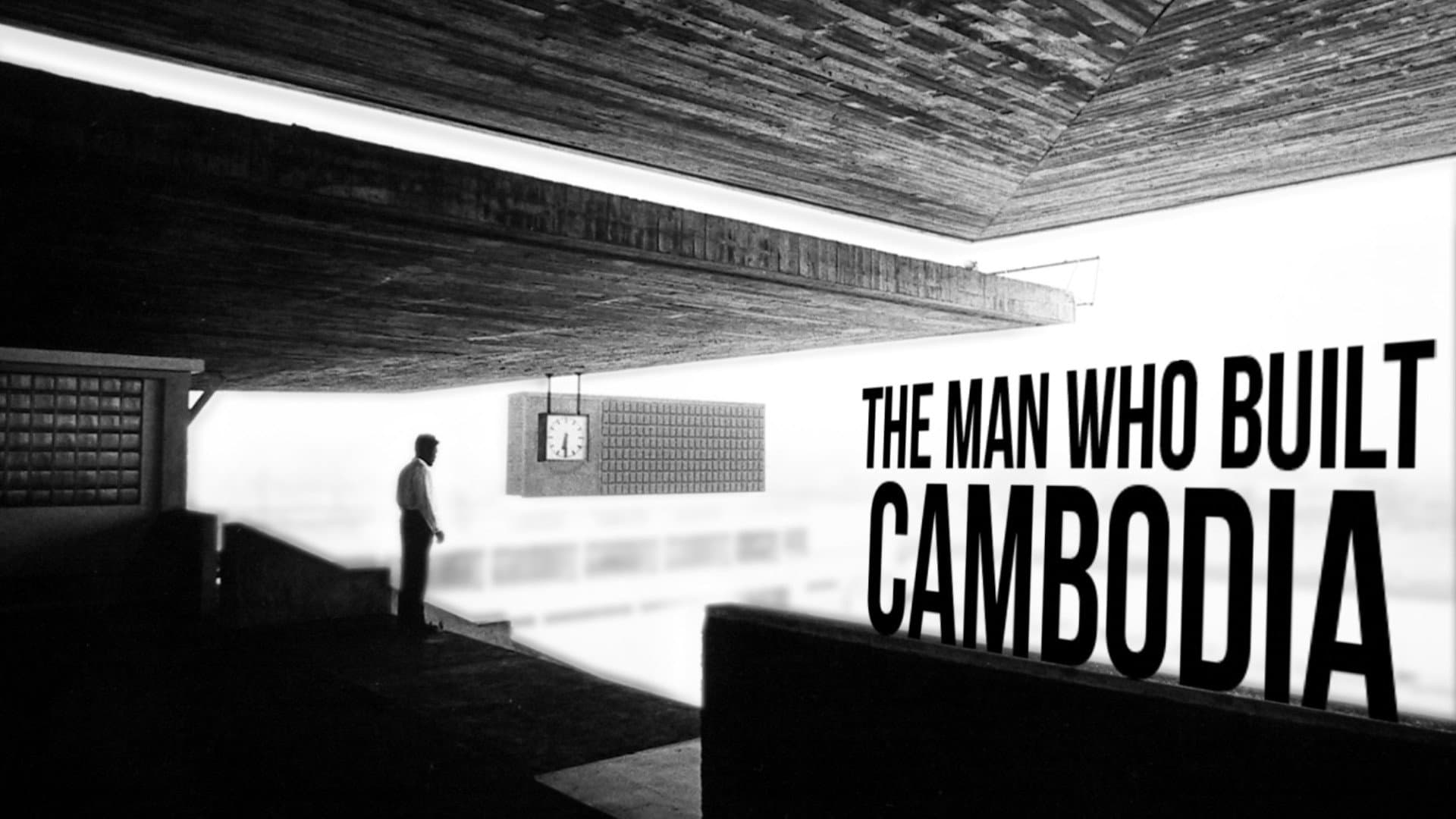
The Man Who Built Cambodia
DocumentaryHistory
An architect whose iconic buildings defined a newly independent Cambodia struggles to come to terms with the reckless development that threatens his legacy.
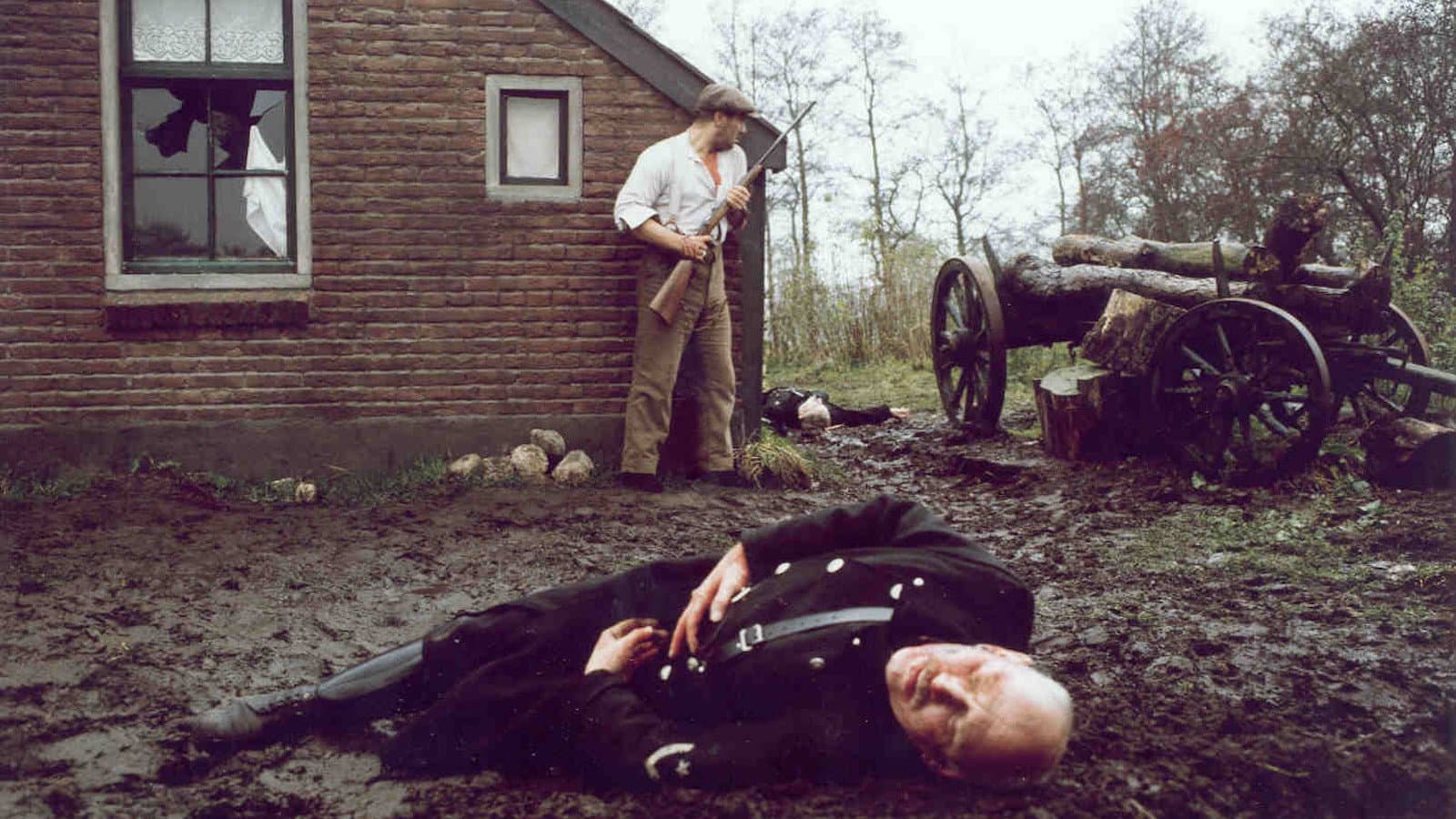
The Mark of the Beast
HistoryDrama
In 1928 in the northern part of the Netherlands, a man has an affair with the wife of one of his friends (who is in jail at the time). Because she abandons her children to move in with him, the police are sent to arrest her. This leads to a dramatic confrontation.

Царицын. Поход Ворошилова
WarHistory
The film takes us back to the summer of 1918 and tells the story of how Voroshilov, under the noses of a 300,000-strong German corps, pulled 80 trains loaded with valuable cargo, materials, ammunition, and equipment out of Donbass. With a 15,000-strong army and 50,000 refugees from Ukraine, occupied by Germany, in Tsaritsyn. It was an unprecedented campaign, unparalleled in world military history, because it involved marching 500 km through territory occupied by the White Cossacks, under the command of some of the most capable tsarist cavalry generals, Mamontov and Fitzhelaurov.

Once Upon a Time...
HistoryDrama
In 1913, designer Coco Chanel opens her first boutique in the French city of Deauville.
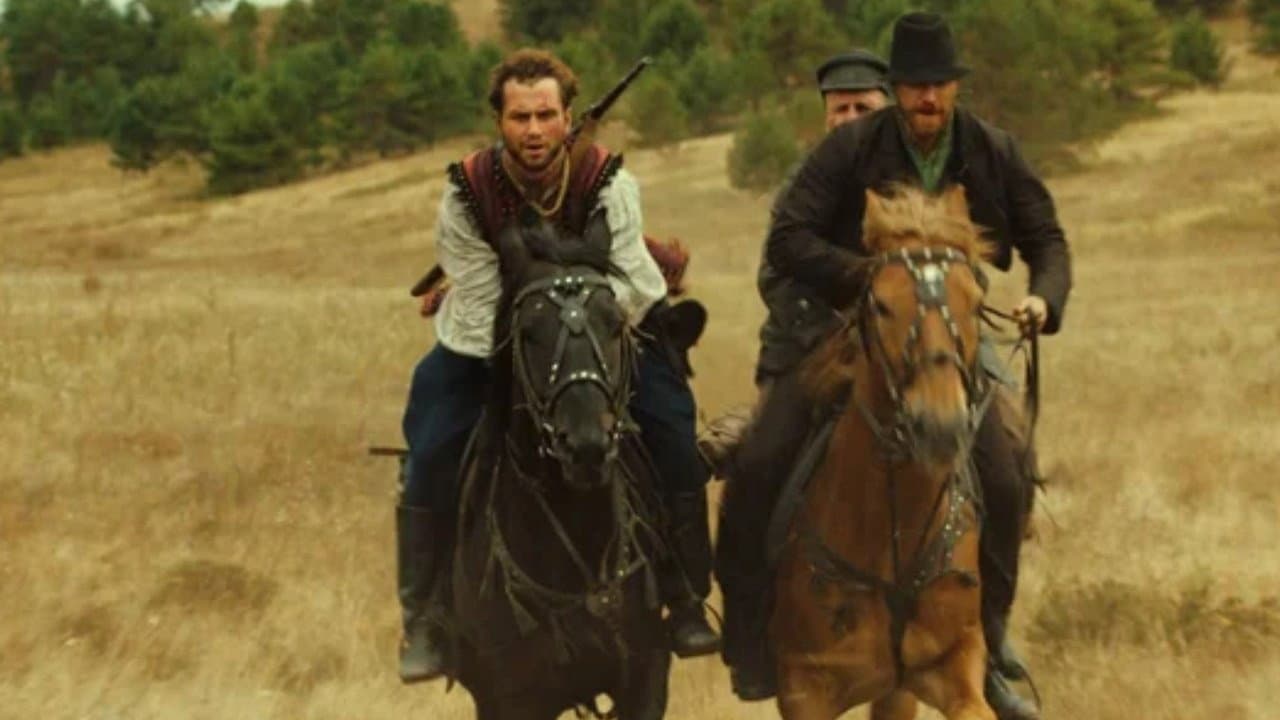
The Three of Us
AdventureHistory
A Red Army convoy transporting a large amount of cash is apparently ambushed by anarchists led by Makhno. In a twist of betrayal, the Red Army set up the attack to eliminate the anarchists. Two of the anarchists and one Red Army soldier survive, and like an American Western, they reconcile their differences to join forces against the Red Threat.
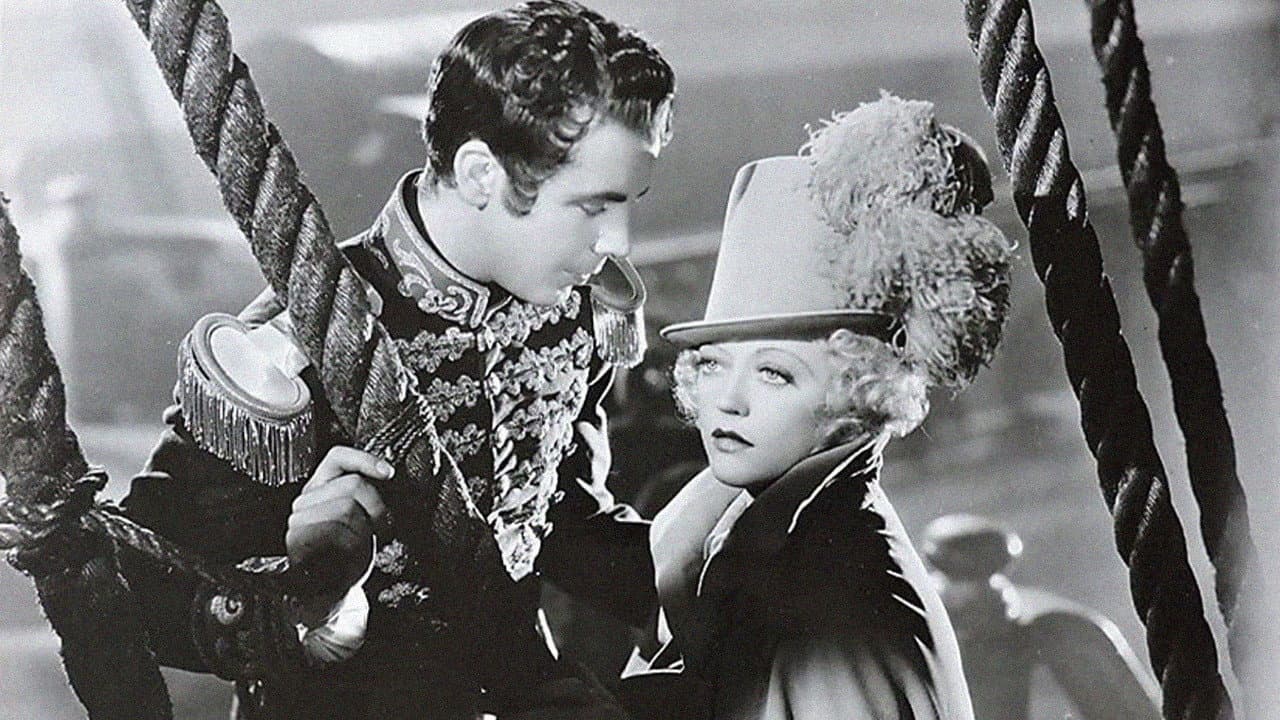
Hearts Divided
DramaRomance
Napoleon Bonaparte's younger brother, visiting the United States, falls madly in love with a young woman he meets in Baltimore.
The Weight of Steel Title
DramaHistory
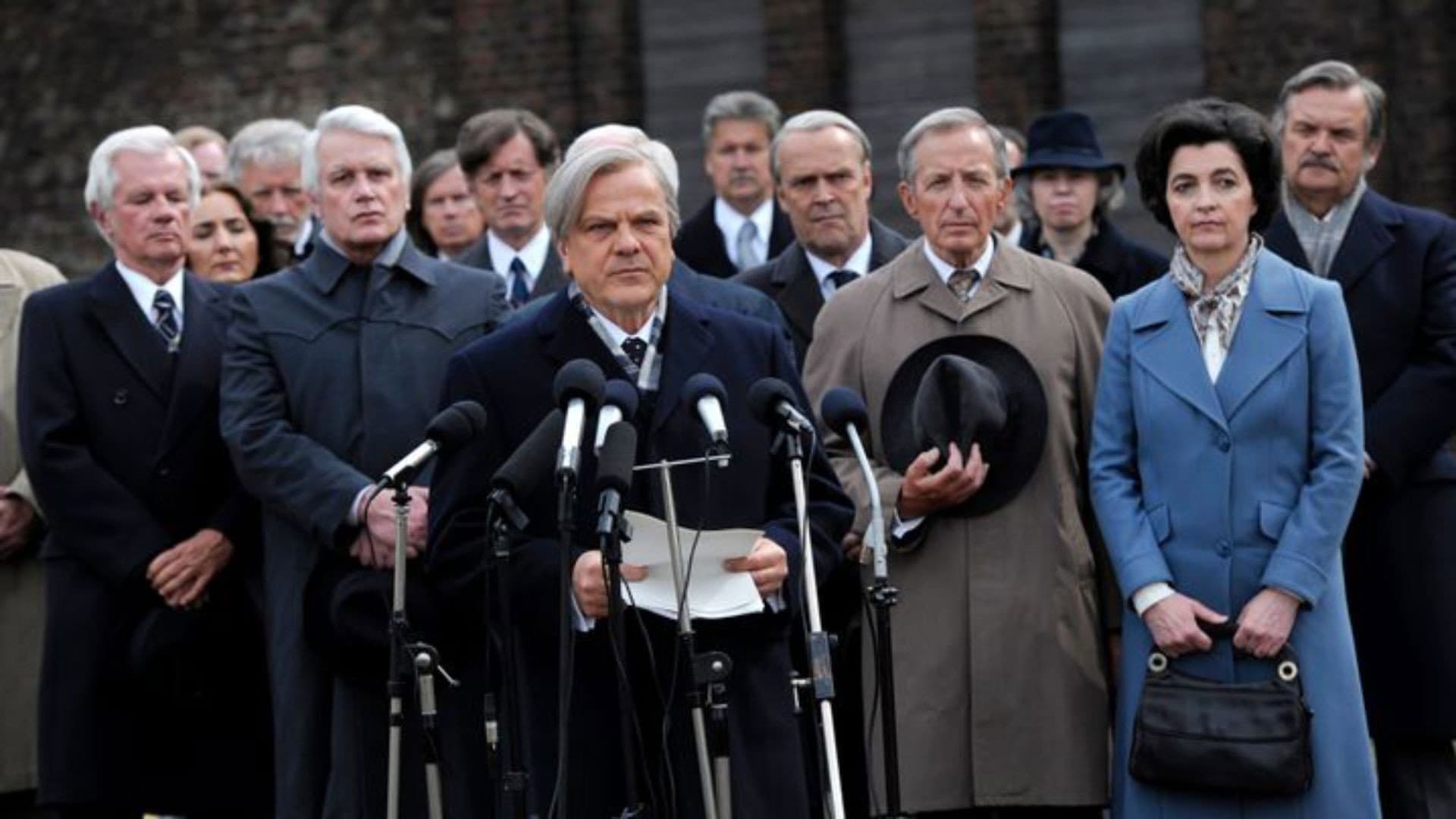
Who knows Berthold Beitz? Fewer and fewer people. He shaped the history of Germany like no other, be it as the leading industrial manager of Krupp or as the rescuer of numerous Jews during National Socialism.

Above and Beyond
WarDocumentary
In 1948, a group of World War II pilots volunteered to fight for Israel in the War of Independence.
Pétain, such a popular hero
DocumentaryWar
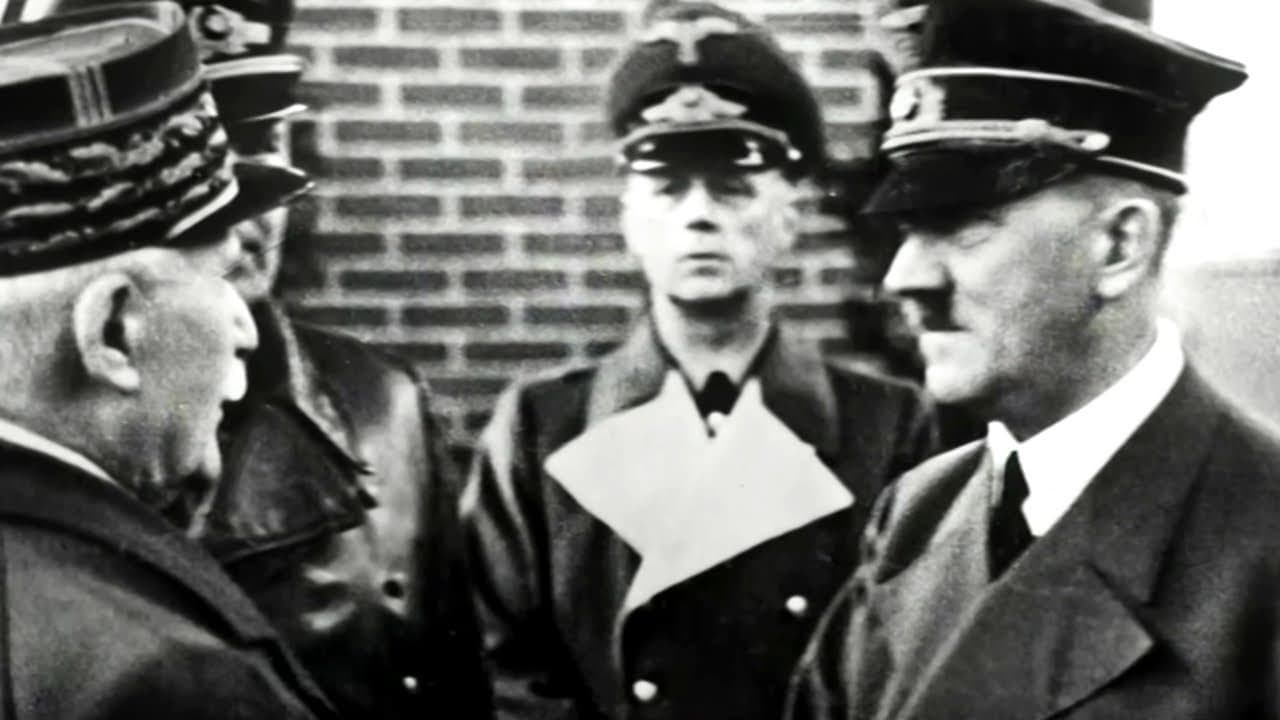
On October 24, 1940, Philippe Pétain met Adolf Hitler in Montoire and led the French into collaboration with the Nazis. A black page in the history of France, written by a man whom many then considered a hero: the winner of Verdun.

Ginpei From Koina: Migratory Bird of Winter
TV MovieHistory
Shimoda, Izu, the venerable Amimoto Onabe family is repeatedly harassed by the upstart Hotate family, who targeted their fishing grounds. Ginpei, the head of the Onabe family, is in love with Oichi, the only daughter of Gohei, the adviser. Ginpei is told that he plans to have her marry Unokichi. Finally, the Onabe family and the Hotate family get into a fight, and Ginpei kills Tajiro, the hotate family’s proxy. Ginpei leaves Oichi in Unokichi’s care and sets off on a treacherous journey. Five years later, while traveling, Ginpei learns that the boss of the Onabe family has died and that the Hotate family is in trouble… Ginpei then returns to Shimoda.
Sandra Day O'Connor: The First
DocumentaryHistory
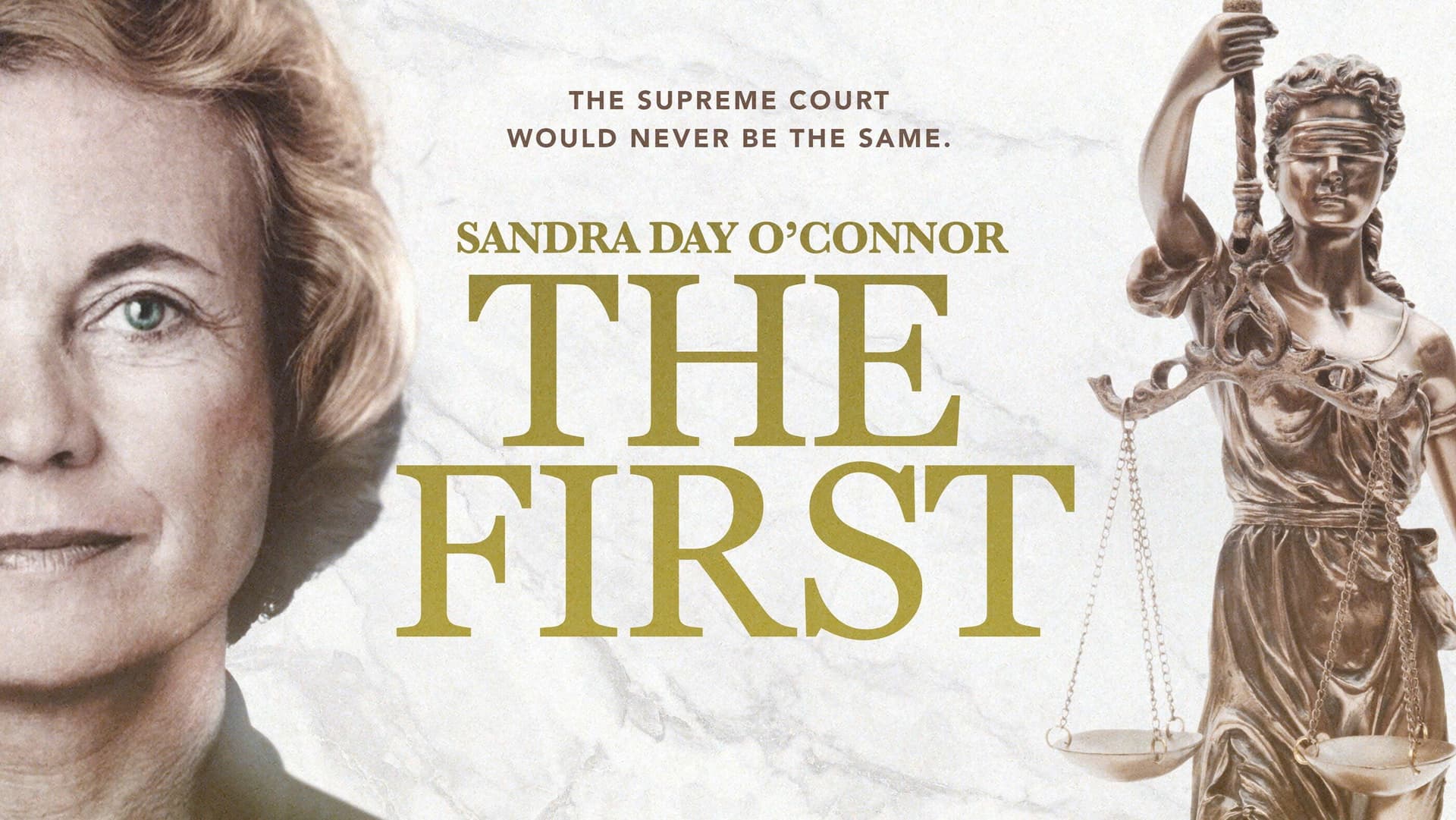
When Ronald Reagan nominated Sandra Day O’Connor as the Supreme Court’s first female justice in 1981, the announcement dominated the news. Time Magazine’s cover proclaimed “Justice At Last,” and she received unanimous Senate approval. Born in 1930 in El Paso, Texas, O’Connor grew up on a cattle ranch in Arizona in an era when women were expected to become homemakers. After graduating near the top of her class at Stanford Law School, she could not convince a single law firm to interview her, so she turned to volunteer work and public service. A Republican, she served two terms in the Arizona state senate, then became a judge on the state court of appeals. During her 25 years on the Supreme Court, O’Connor was the critical swing vote on cases involving some of the 20th century’s most controversial issues. Forty years after her confirmation, this biography recounts the life of a pioneering woman who both reflected and shaped an era.