History


Plague
DramaHistory
At the beginning of the 19th century, the plague swept through the Bulgarian lands. Chorbaji Yurdan and his son Yono return from Hadzhilak and find the villagers starving and scared. The Black Plague brings to the fore the greatest human fears and atavistic survival instincts.
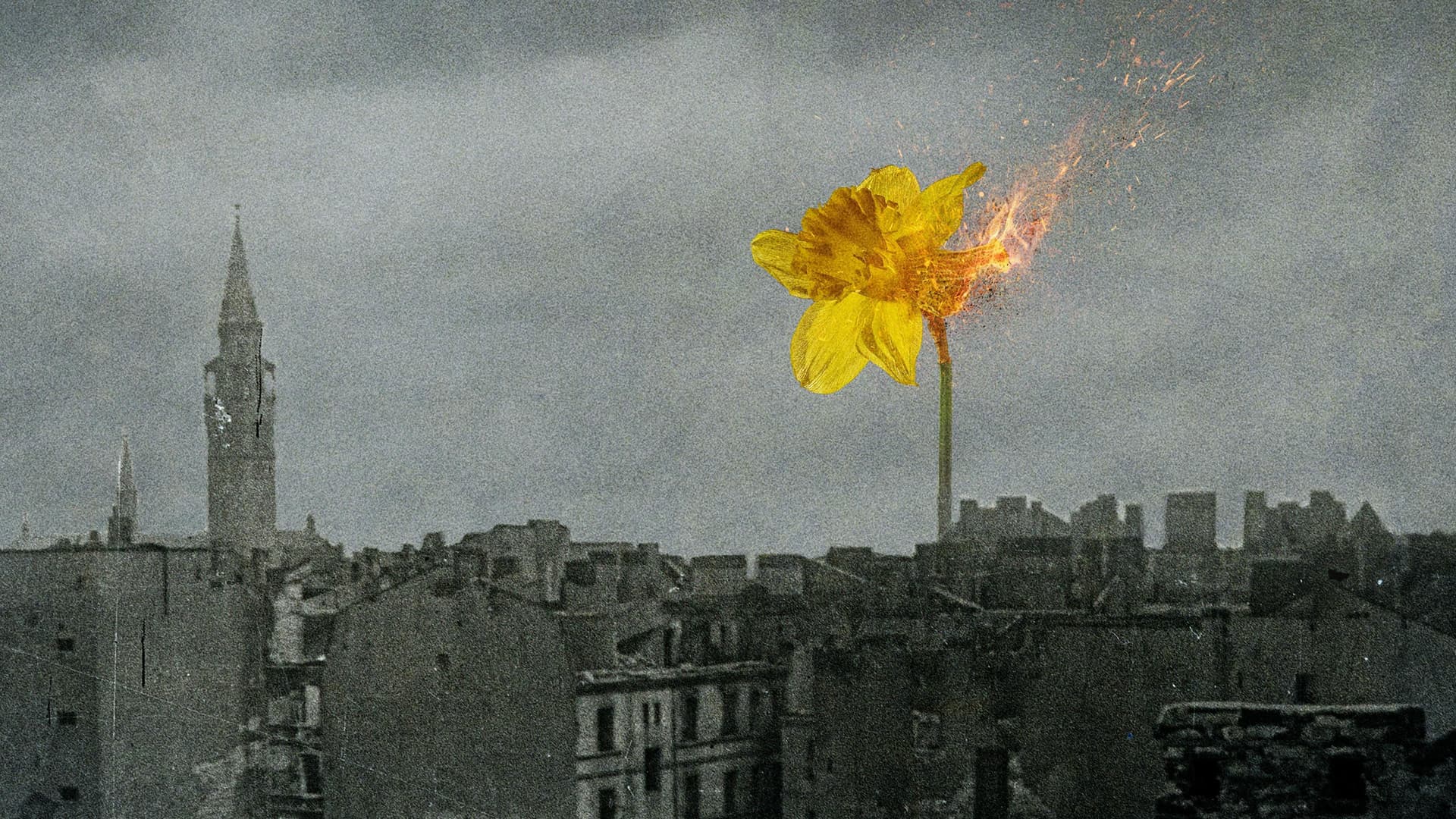
33 Photos from the Ghetto
DocumentaryHistory
The film traces two families, one of which is Jewish, who preserved the images for decades but hadn’t brought them to light. 80 years after their creation, the son of the photographer finds the forgotten negatives and launches an investigation. With a team of researchers, archivists, and animators who use near-forensic precision to reconstruct locations and contexts, they trace the circumstances of those tragic days and the lives captured in each frame.

The Writer from a Country Without Bookstores
DocumentaryHistory
The ruthless dictator Teodoro Obiang has ruled Equatorial Guinea with an iron hand since 1979. Juan Tomás Ávila Laurel is the most translated Equatoguinean writer, but he had to flee the country in 2011, after starting a hunger strike denouncing the crimes of the dictatorship. Since then, he has lived in Spain, feeling that, despite the risks, he must return and fight the monster with words.
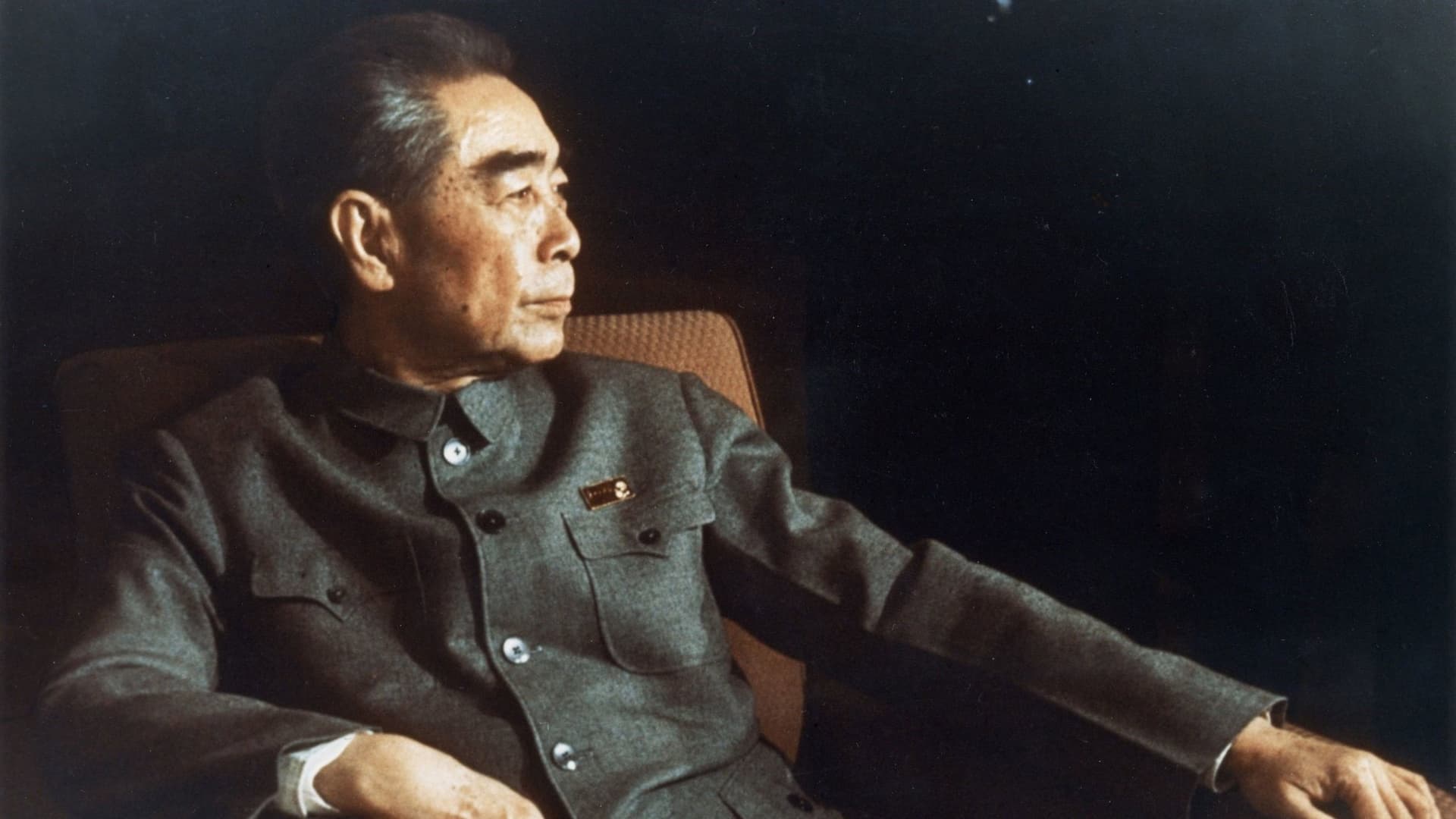
Zhou Enlai
DramaHistory
An biography of Zhou Enlai through the Cultural Revolution.

A Tuba To Cuba
DocumentaryMusic
A son seeking to fulfill his late father’s dream takes his band from the storied city of New Orleans to the shores of Cuba, where — through the universal language of music — dark and ancient connections between their peoples reveal the roots of jazz.
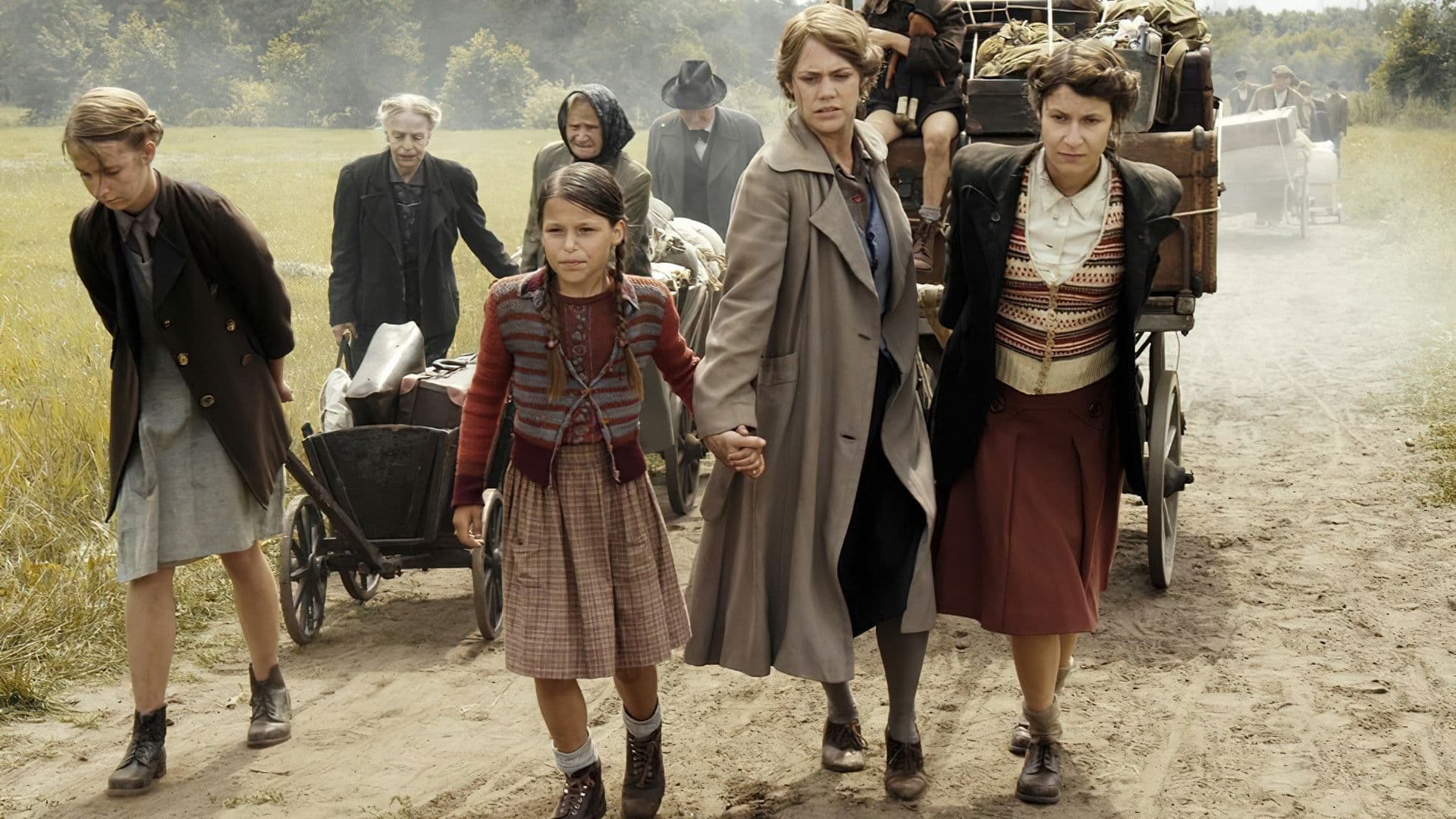
Kinder des Sturms
HistoryDrama
The film is set in post-war Germany. It tells the story of widow Rosemarie Hermann, who flees Silesia with her sister Bettina, her father, and their two children Maria and Johannes ("Jojo"). In the general chaos, she loses her daughter. In her attempt to find her, she finally receives support from Harald Bergmann, who works for the tracing service of the German Red Cross and also finds her a job there. Maria initially lives in a children's home near Lübeck and is then placed with a foster family.

First Invasion: The War of 1812
DocumentaryHistory
First Invasion: The War of 1812, a History Channel documentary that first aired in 2004, portrays a young United States of America "on the brink of annihilation" as it battles the largest and most powerful empire on earth. Critics say the documentary is far too pro-American, and that it ignores or downplays crucial elements of the War of 1812. Others praise First Invasion for its compelling presentation of a far too neglected period of history.
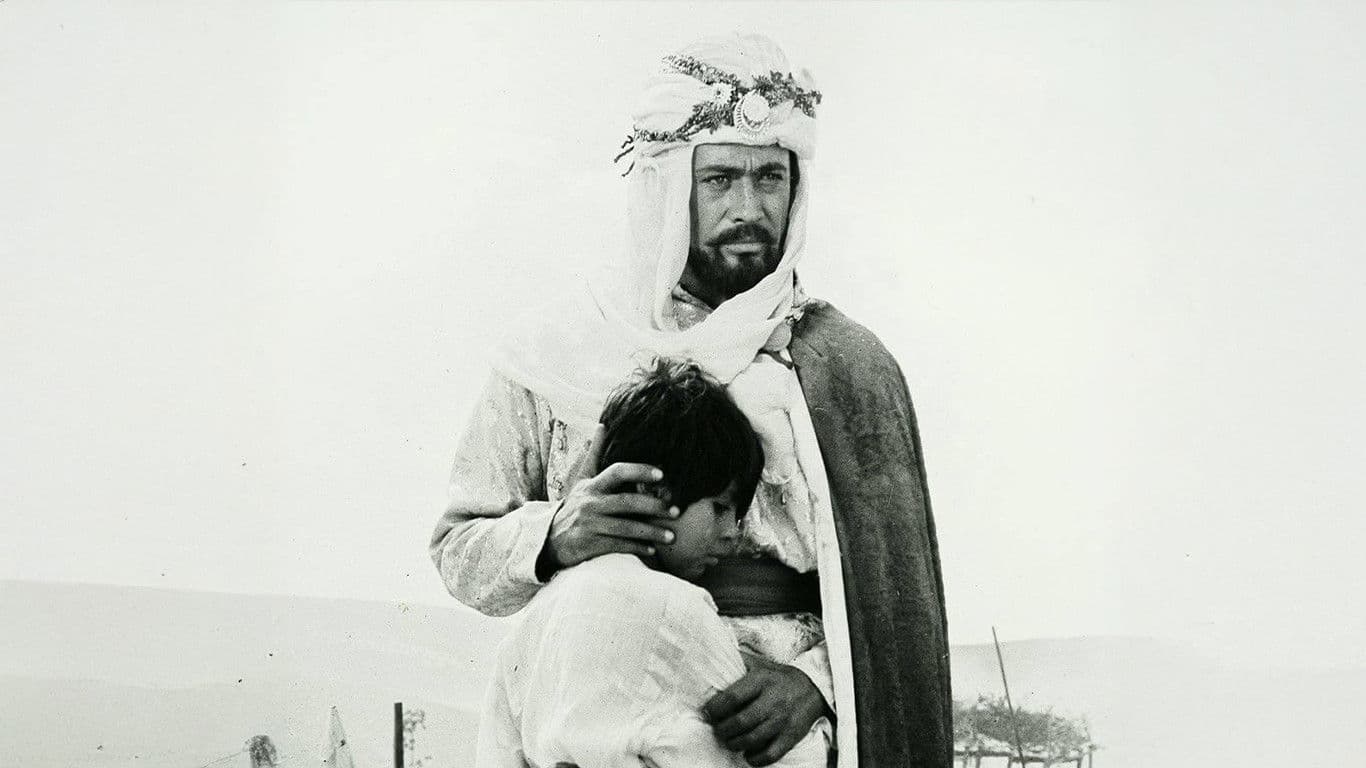
Selahattin Eyyubi
AdventureDrama
The film depicts the Christian West's attack on Jerusalem and the defense of Muslims led by Saladin. Believing that they will become rich and go to heaven if they capture Jerusalem, Christians led by Richard the Lionheart launch an attack. Saladin cannot find the support he expects from Muslim emirs. The Crusader armies are approaching Jerusalem, committing massacres along the way. Saladin, who has been wearing down the Crusaders with hit-and-run tactics for a long time, will defeat the Christians in the great battle and protect Jerusalem.
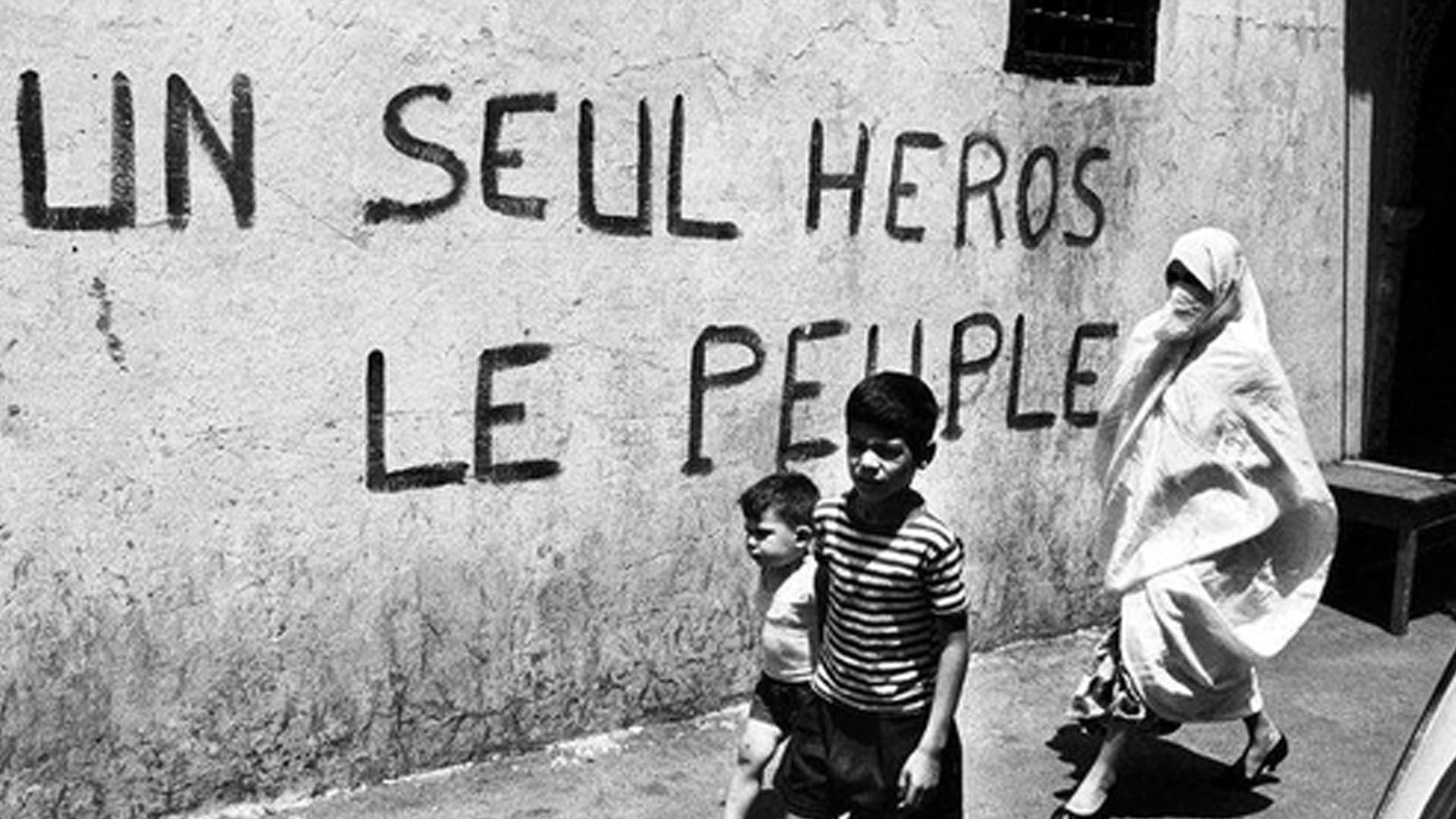
Dead the Long Night
DramaHistory
Composed of archive images narrated by the writer, anthropologist and linguist Mouloud Mammeri, the film offers a reflection on the anti-colonialist and anti-imperialist struggle movements of the 1970s around the world.