History

Empire
DramaComedy
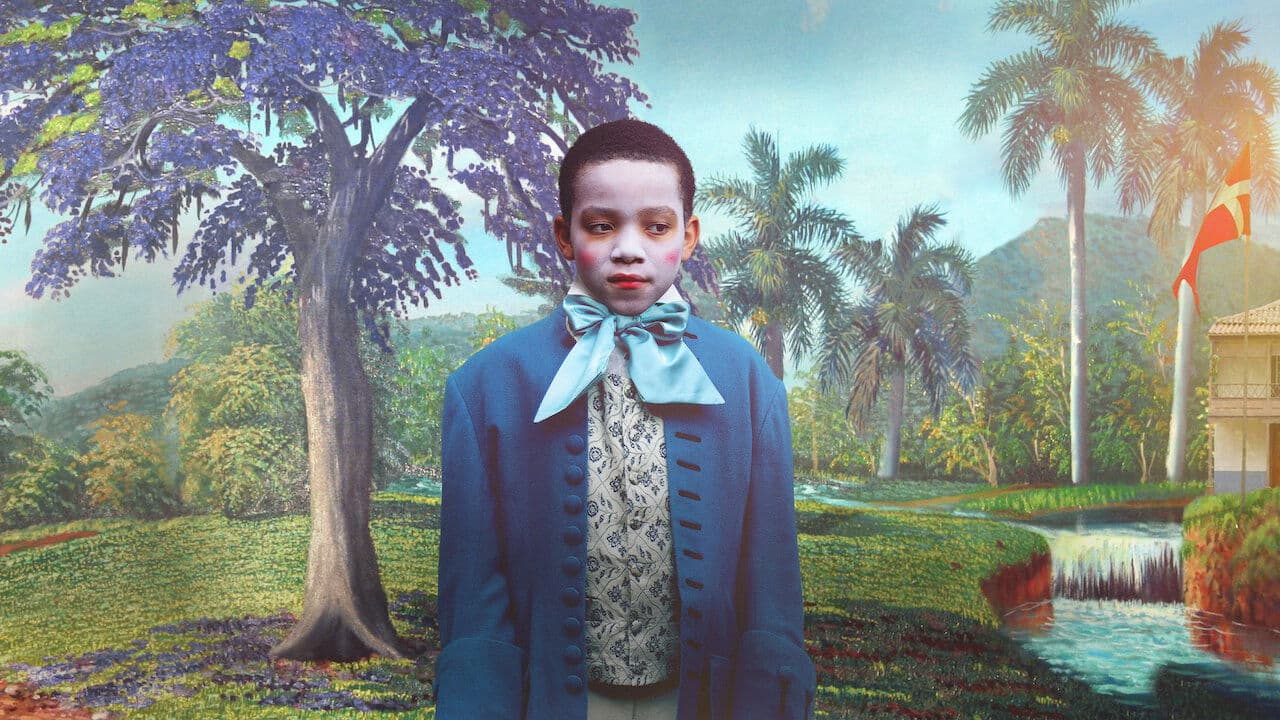
As a “free colored” woman, Anna Elizabeth Heegaard is wealthy and owns her own slaves when she begins a love affair with the Danish colony’s governor-general Peter von Scholten. During communal feasts, they discuss social reforms while a slave boy hangs above the table and cools the diners with a feather. And in the shadows, whispers begin of a slave revolt.
The Dive
ComedyDrama
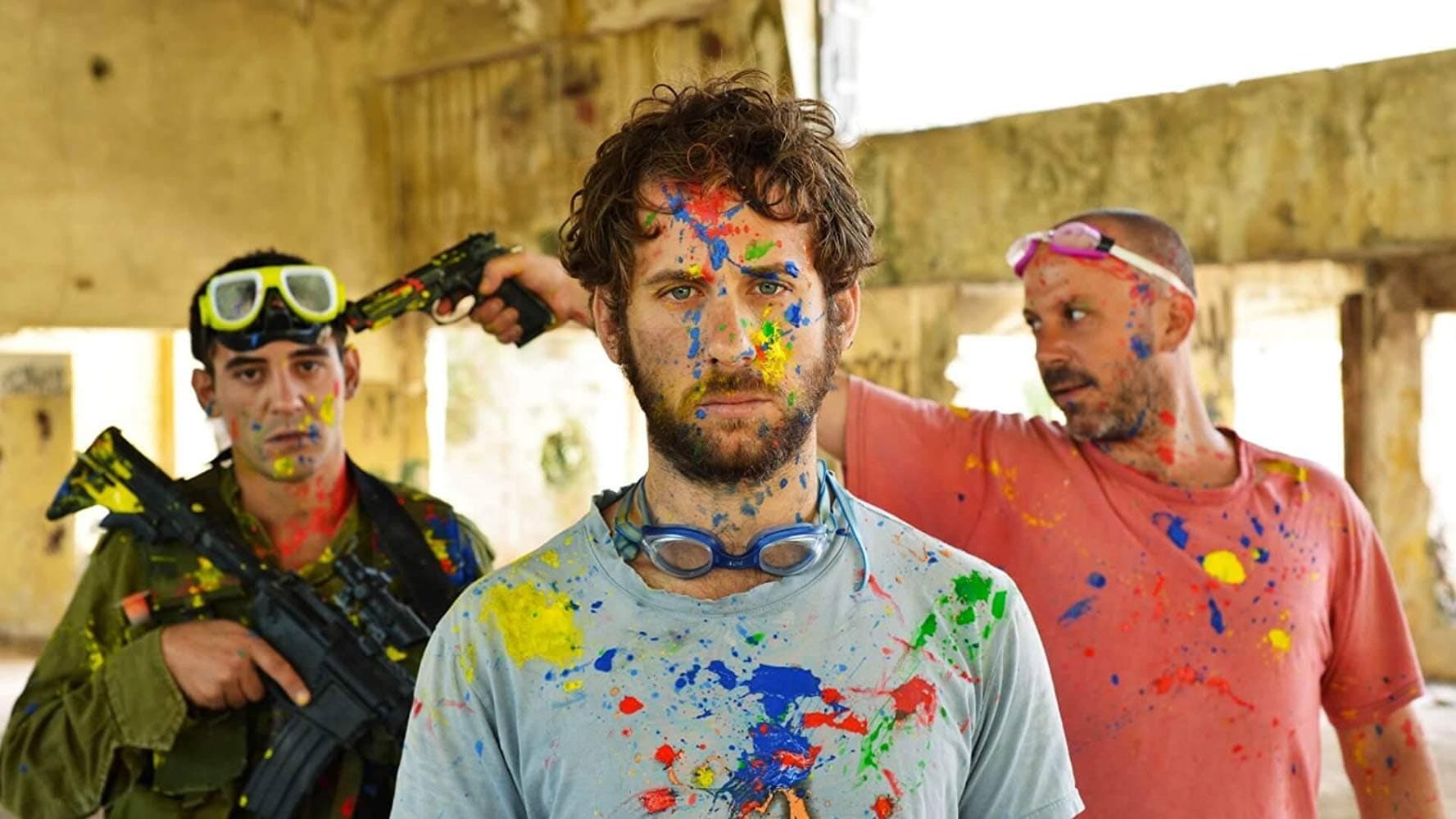
It is Thursday and another war is hitting the northern part of Israel hard. Three brothers reunite in their childhood kibbutz to bury their father. Two days later the youngest has to go to war, and while he seeks guidance from his older siblings who have both experienced the battlefield, the homecoming soon spins out of control.
Guerilla
DramaHistory
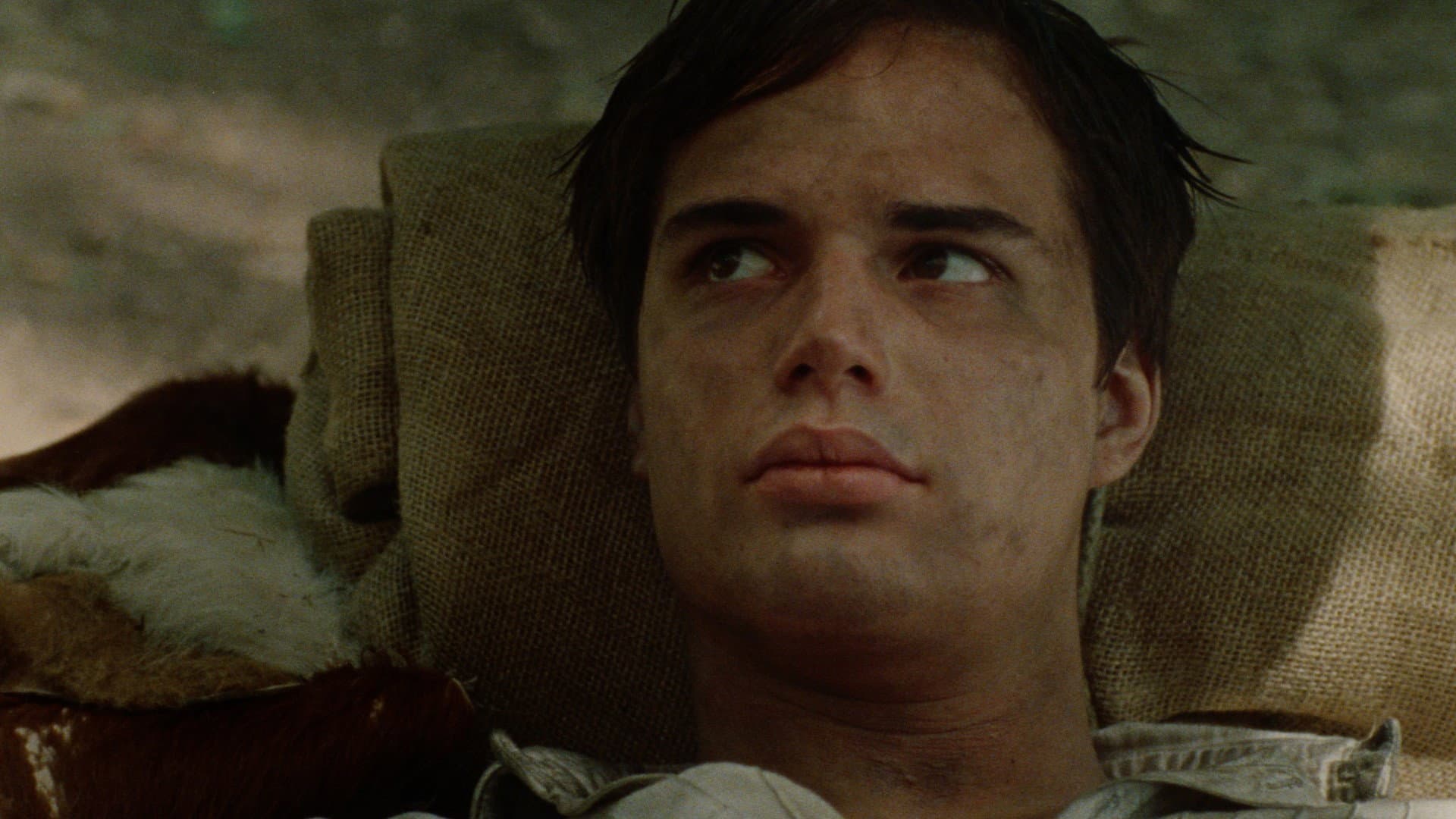
In 1849, the liberation war against the Habsburg Empire is close to its end in Hungary. Having hidden from military draft, Barnabás leaves his hometown and walks across the country to find and save his wounded brother who has been hiding with a guerilla group deep in the forest. Despite their exhaustion, lack of food or information, they are still fighting for their cause. Barnabás finds his brother alienated and distrustful. The tension between the boys further increases when they turn out to be attracted to the same nurse in the camp. Hoping he can earn his brother's trust and take him home, Barnabás decides to stay and lie about his past. In the meantime, he has to face the cruelty of war.

Unearthed - The Mystery of the Shaman Woman
DocumentaryHistory
One of the most significant cases in European archaeology is the grave of the shaman woman of Bad Dürrenberg, a key finding of the last hunter-gatherer groups. From a time when there were no written records, this site was first researched by the Nazis, who saw a physically strong male warrior from an ‘original Aryan race’ in the buried person. It was, in fact, the most powerful woman of her time. The latest research shows that she was dark-skinned, had physical deformities, and was a spiritual leader. The documentary – using high-end CGI and motion capture – compares the researchers of the Nazi era, who misrepresented and instrumentalised their findings, to today’s researchers, who meticulously compile findings and evidence, and use cross- disciplinary methods to examine and evaluate them. It also substantiates the theory of the powerful roles women played in prehistoric times. The story of this woman, buried with a baby in her arms, still fascinates us 9,000 years after her death.
Uchronia
DocumentaryFantasy
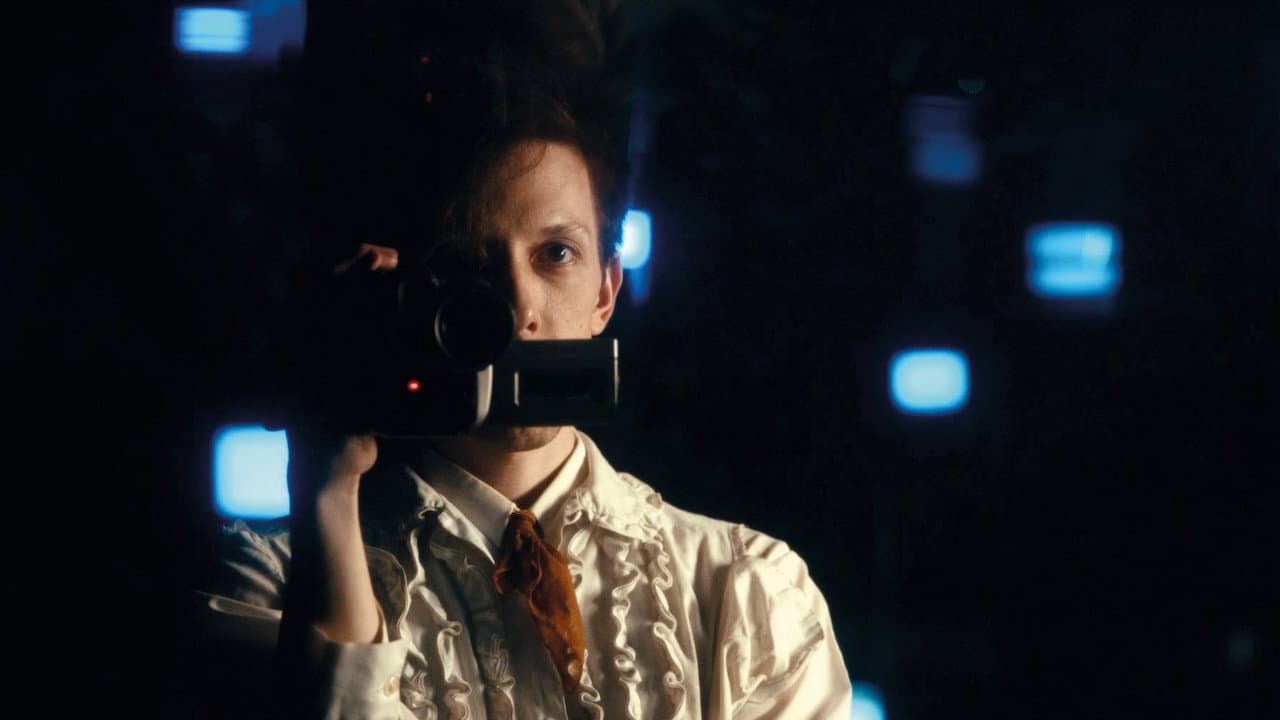
A psychedelic docu-essay, inspired by Arthur Rimbaud’s visionary poem Une Saison en Enfer, in which the poet’s ghost travels through history, encountering revolutionary figures and queer ‘freaks’ such as Emma Goldman, David Wojnarowicz, and Marsha P. Johnson. These encounters form a multilayered collage that interrogates identity, the meaning of revolution, and the role of the artist in shaping radical histories and collective imaginaries.
The Cable That Changed the World
DocumentaryHistory
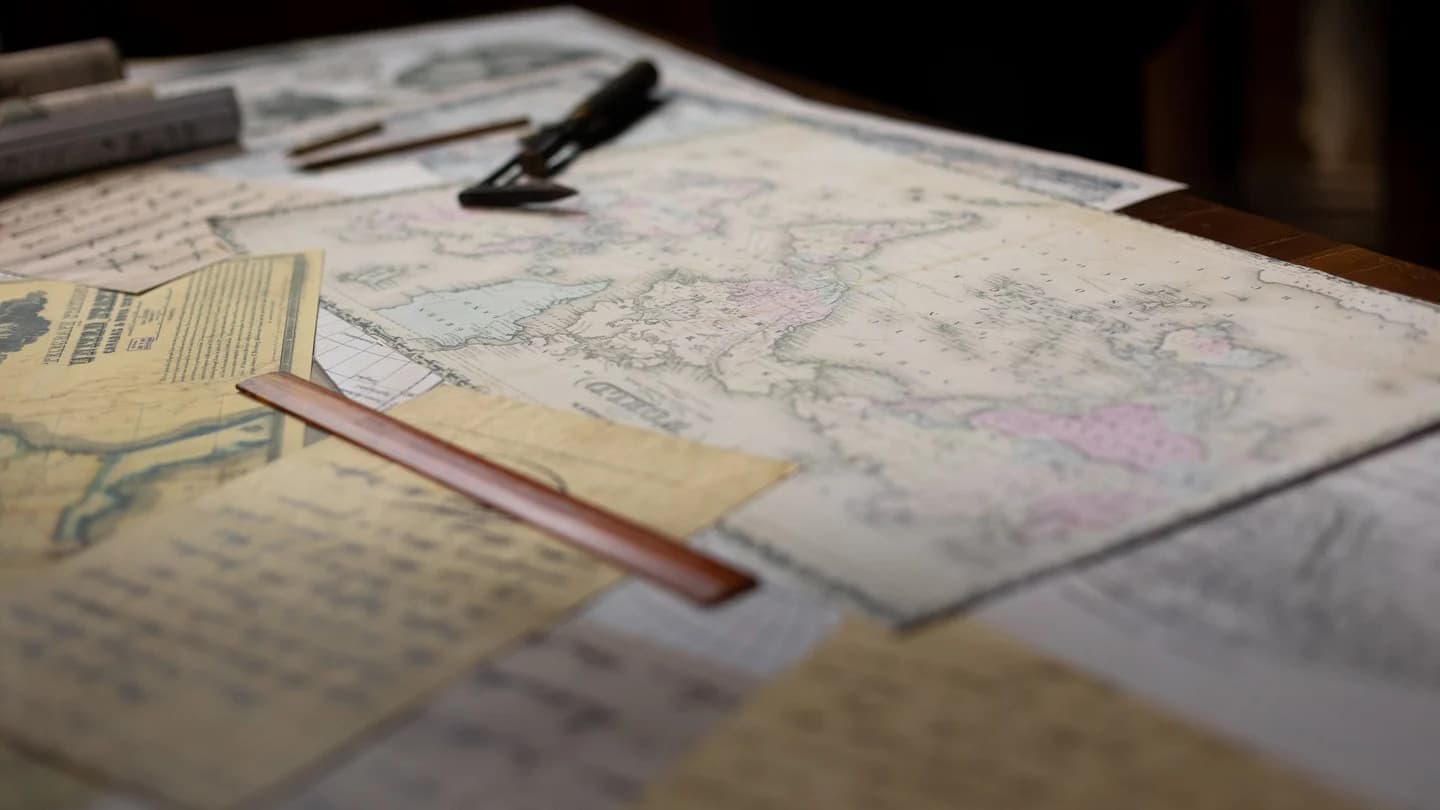
The first transatlantic communications cable, traversing the ocean floor from Valentia Island, County Kerry, to Newfoundland, Canada, 165 years ago was an 8 year endeavor that helped lay the foundation of the modern technology industry and explains the fragility of undersea cables today.
Fontana, la frontera interior
DramaHistory
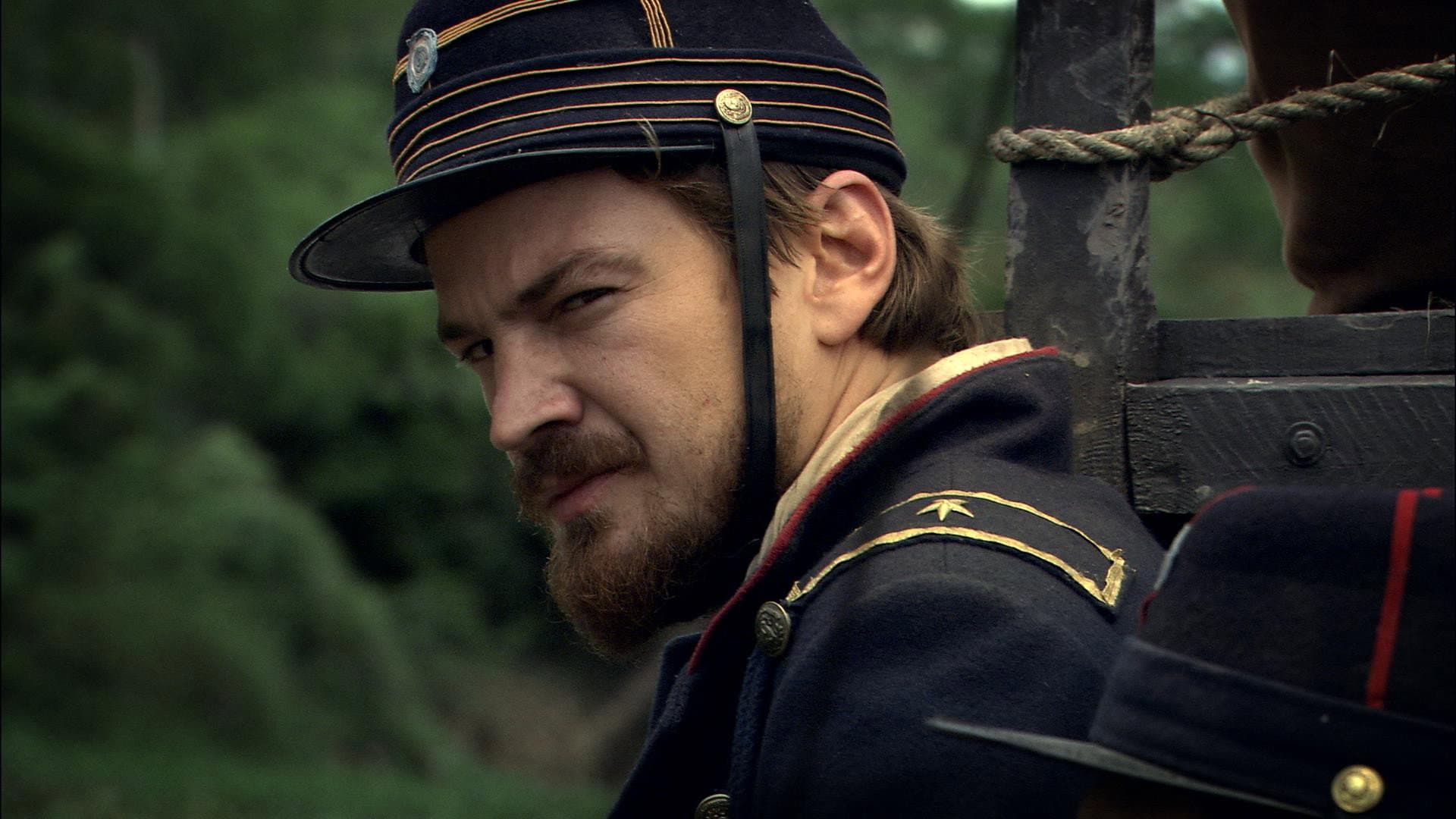
Argentina, 1880. A group of exhausted soldiers sails down the Pilcomayo River. A man at the head of the group hesitates. It's Colonel Luis Jorge Fontana. The lives of many men depend on his decision, and he knows it very well. The territory of a country isn't something that falls from the sky: the borders drawn on maps are the product, at some point in history, of the will and determination of a few men; and Fontana was one of those men.