
Documentary
The Dawn is Too Far: Stories of Iranian-American Life
Documentary
The Dawn is Too Far: Stories of Iranian-American Life poetically narrates the story of a community of Iranian Americans who have made the San Francisco Bay Area their home over the past five decades. The film explores Iranian immigration through turbulent histories of dissent, revolution, war, and separation, and the reinvention of identity in a new land and culture. The Dawn is Too Far highlights how Iranian students, activists, and artists have navigated displacement while drawing on and influencing Bay Area culture. This community offers a more nuanced story of the Iranian diaspora—the ways that this community enriches the region where they live, work, and build families. The Dawn is Too Far undermines the tired and overplayed news headlines that are dominated by narratives of enmity and mistrust between the government of Iran and the U.S., to offer a more humane understanding of the how people's lives and the sacrifices they make are part of the larger story of immigration.

Look at the Face
Documentary
Short film in the Hermitage Museum looking at da Vinci's Madonna Litta.

Battleship Berlin
Documentary
Berlin’s brutalist heritage is under fire. The city’s powerful Charité hospital wants to destroy a brutalist icon of the Cold War era: The infamous former animal research laboratory called the Mäusebunker. Meanwhile, a dedicated group of politicians, preservationists, architects, gallerists, and students fight for an adaptive reuse of these magnificent, uncompromisingly unique structures. Who will win? No matter the outcome, you’re left with the impression that preservation can be brutal.

Risk
Documentary
Documentary about the Cold War.
Los Boys
Documentary
If breakdance was a dance of cultural resistance of the Afro community in the US, perhaps this documentary shows a continuity with the northern Argentine adolescence. The Boys Street is a breakdancing group recognized through their presentations on the reality television show Talento Argentino, where they reached the final. Its members are adolescents between 12 and 18 years old from Palpalá, a town in the southeast of the province of Jujuy. Without technical knowledge, the group recorded the process of participating in the program with their own video cameras, crudely portraying their experience as a counterpart to the formality and aestheticization of reality. Los Boys recovers the history of the group at the same time that it captures the daily life of its members in the present day of Palpalá, a town that was recognized as "Mother of Industry" since it had several industrial parks, but was systematically dismantled after the coup d'état and during the privatizations of the '90s.


November Days
HistoryDocumentary
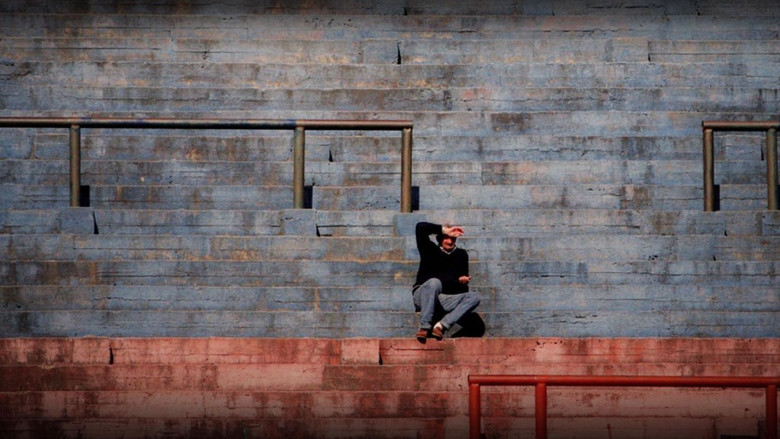
Marcel Ophüls interviews various important Eastern European figures for their thoughts on the reunification of Germany and the fall of Communism.


Wherá Tupã e o Fogo Sagrado
Documentary
Alcindo Wherá Tupã, man of Spiritual Medicine, Guarani Nation, in Pindoretama ("brazil"), bearer of the ancient Wisdom of the Sacred Fire, which is disappearing. Featuring scenes from a healing ceremony, never before released on film, this documentary aims to reflect the situation of the Guarani and highlight the 109-year-old xeramõi (elder)'s refined sensitivity, which allows him to perform spiritual and physical cures, together with the Sacred Grandfather Fire.

Notre Guerre
Documentary
Our War is a film about childhood, a film in history. The "Events" of New Caledonia seen by children of the 80s. Now in their forties.
Guilt Trip
Documentary
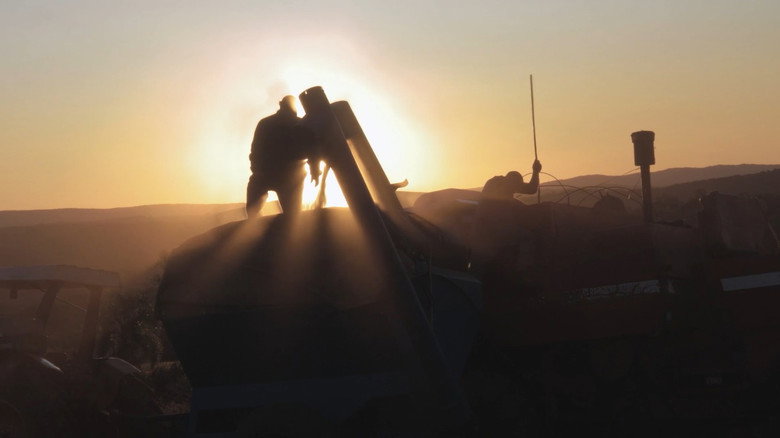
The only thing greater that this group of skier's desire to claim a first ski descent on Greenland's second highest peak is the size of their carbon footprint to get there. Loaded with guilt, they decide to bring along renowned glaciologist, Alun Hubbard, who's hypothesis, if proven, could rewrite popular projections of global sea-level rise. However, the entire expedition is put in question when they arrive in Greenland and discover their objective is beyond the range of all available aircraft.