
Documentary
Respeitável Público
Documentary
Grandchild
Documentary
Claudio and Hilla yearn for their first grandchild. Nitai, their son, begins a surrogacy process with his husband in Canada. The family has to bridge intergenerational gaps.

Søndagskæreste
Documentary
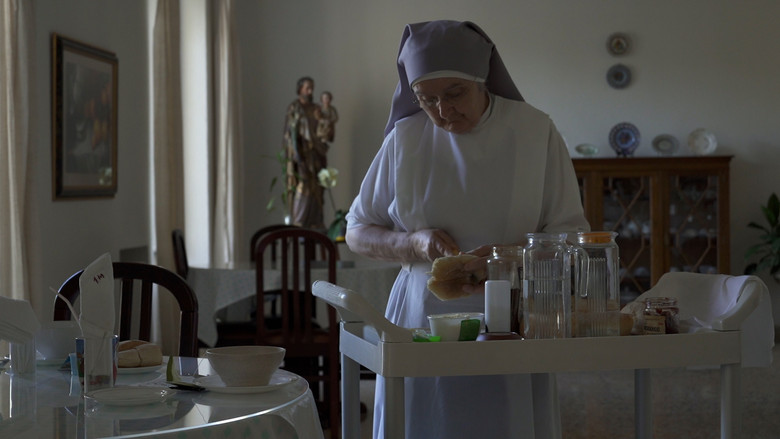
Asta and Søren are not a couple. They're not friends with benefits either, and they’re definitely not pen pals with benefits. So, at the end of the day, what are they? With a single camera setup, the viewer is given access to a private space.
Tango of Yearning
Documentary
Tango of Yearning (1998) is the first episode of an autobiographical trilogy on postwar Lebanon, later including Nightfall (2000) and Civil War (2002). Taking its title from Tango of Hope, a classic ballad by Nur al-Huda, the film draws from the director’s reflections on war, love, and cinema, as well as his personal experience at the public television channel TéléLiban. Conjuring various snippets of audiovisual archival material, the film is a poetic elegy to film, Beirut’s movie theaters, and a city undergoing radical transformation. Mohamed Soueid has long been a proponent of the experimental video documentary movement in Lebanon, playing a significant role in the country’s creative renaissance since the end of the civil war. Originally trained as a news videographer during the war, the experience offered him a facility with the medium, which he further developed by making non-linear documentary films with a distinctly personal take.
The Balcony of Europe
Documentary
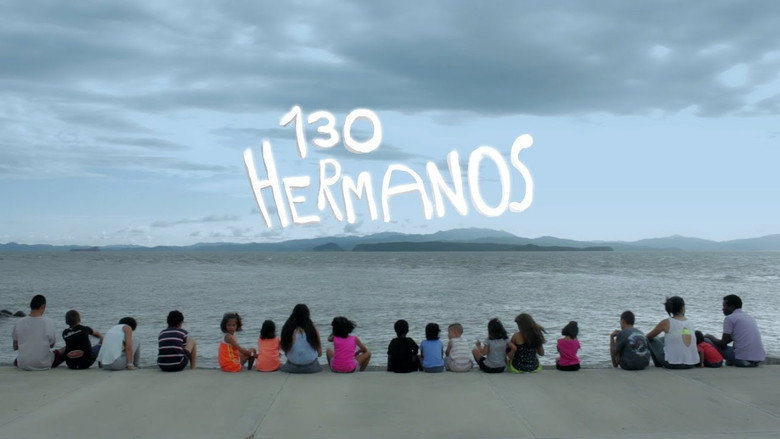
The story of the film is set in a coastal town along the Mediterranean sea. Here is a popular tourist attraction „Balcon de Europa”. Like from the balkony we are observing a mini model of our world, where the routine of one person take place in the background of massive feasts.
Legacy
Documentary
In August 1889, the steamship Wesser docked in Argentina with the first group of Jewish escapees from the pogroms of Czarist Russia. Our narrator was 10 when she stepped off the boat and began life in Moisesville, the first Jewish settlement in Argentina. Her account spans 80 years.
Anatomiya
Documentary
Collection of memories during the pandemic and the alienation in the city.
French Love
Documentary
Between the first stripping of Brigitte Bardot, at the end of the 1950s, and the beginning of the 1980s, French cinema developed a certain taste for eroticism and pornography.
Myggen
Documentary
A portrait of Norway's best football player, Erik "Myggen" Mykland.
Mode of Production
Documentary
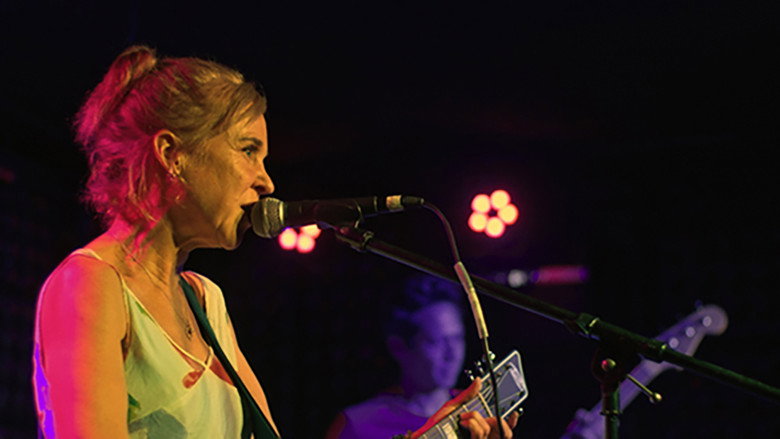
Mode of Production 'makes the Union of Rural Workers of Ipojuca its central character. Retirements, layoffs, labor relations and a supposed economic-social development that approaches as a distant mirage or, perhaps, ghost: the Port of Suape.
Reserve
Documentary
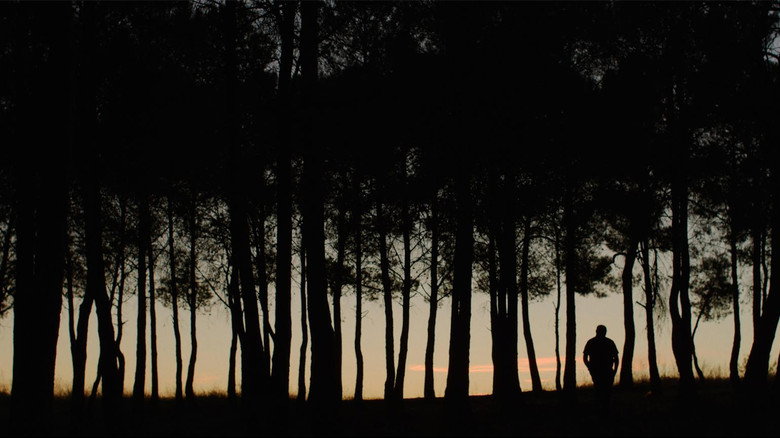
The wolf no longer inhabits the land that once formed part of its territory, and only through its outlines can we get closer to it; remnants of wolf traps, predator urine imported from the US, a dung-hill used to feed scavenger birds and archers that shoot at replicas of animals. Reserve constructs a story about the fragile balance of a territory after the disappearance of the predator, where the complex co-existence between humans and non-humans presents a distinctly marked anthropogenic ecosystem.
Aloni
DocumentaryDrama
A young student heads back to his village during the COVID-19 lockdown to collect ethnographic material for his thesis, but as quarantine stretches on, the rituals and everyday scenes he records start bringing back childhood memories-leading him to piece the footage together into something more personal.
A Married Couple
Documentary
A tribute to love and being together. Sidsel and Christian have Down's syndrome and have been together since they were teenagers – and now they are getting married.
Greg Mortimer: en busca de una tierra solidaria
Documentary
It is southern summer and a cruise is about to leave for Antarctica. Hours earlier, the World Health Organization declared the COVID-19 pandemic. What seems to be the safest place in the world, becomes the worst nightmare of those who travel on the cruise when the first positive case is detected on board. Upon verifying the massive contagion inside the ship, all the countries refuse to receive it, except Uruguay. The country that had implemented an operation to repatriate thousands of citizens and resident migrants, was the only one that provided humanitarian aid to the Greg Mortimer cruise ship that, at the time of docking in the port of Montevideo, was collapsed by illness and anguish. A story where empathy, solidarity and organized action were key to containing the impacts of the disaster.
Winter's Yearning
Documentary
In 2006, the American aluminium company ALCOA decides to build their plant in Greenland. The massive billion dollars’ project is the opportunity for Greenland to become financially independent from Denmark. The film zooms in on the isolated fishing town Maniitsoq as the years pass and the local inhabitants are put on hold – waiting for the American Dream.