
Documentary


The National Prizes
Documentary
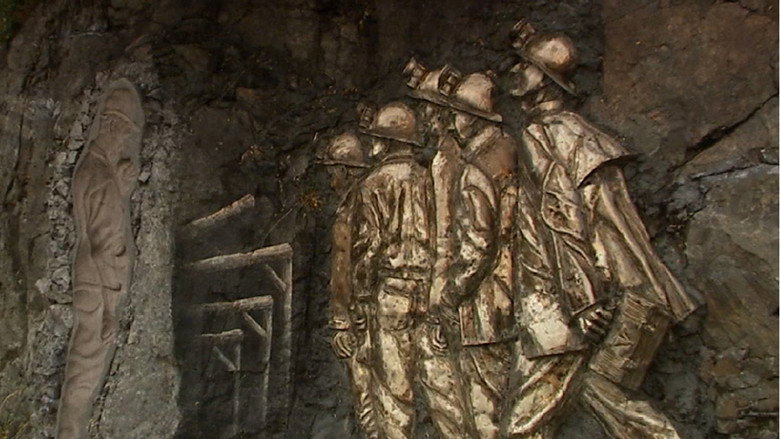
With musical accompaniment from the zarzuela 'The drum Grenadiers' by Ruperto Chapí, a pair of custodians are in the basement of the National Library of Madrid showing some canvas awarded with the National Prize for Painting between 1941 and 1969.
Café de los maestros
DocumentaryMusic
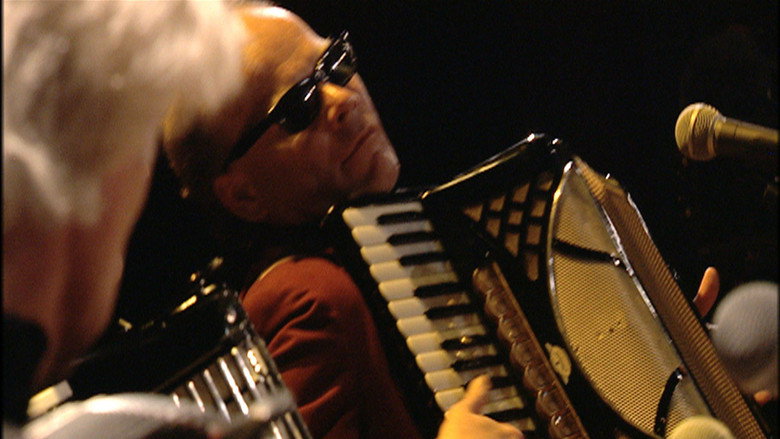
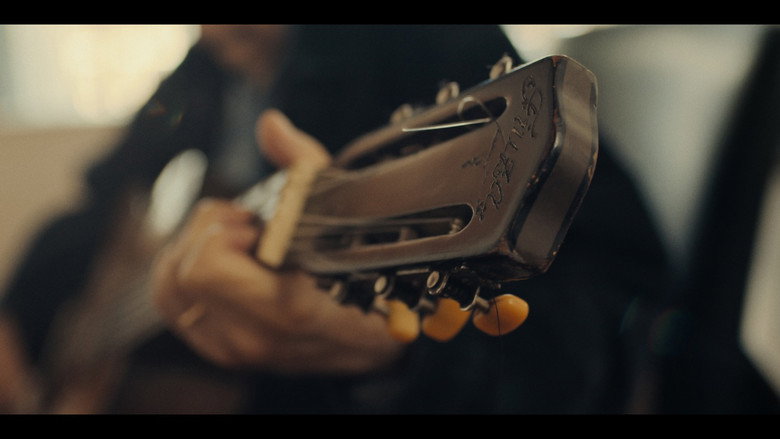
Coffee Masters is a documentary by Miguel Kohan, produced by Lita Stantic, Gustavo Santaolalla and Walter Salles. It tells the story of great tango of the old guard who, summoned by a rock musician, proposing a record to demonstrate its validity. This adventure, full of memories, humor and poignant moments, culminating with a presentation of the Masters at the Teatro Colon.
Last Call: Indian Son
AnimationDocumentary
There are some 77K foreign students in Ukraine. Naveen S G of India is one of them, studying in Kharkiv and hiding in a shelter. On 1 March, as he goes to buy some food, he becomes the first foreign student killed by Russia in this war. An episode of the web series "Ukraine on Fire 2" by Vyacheslav Bihun , which had a separate festival distribution as an independent work.


Søndagskæreste
Documentary
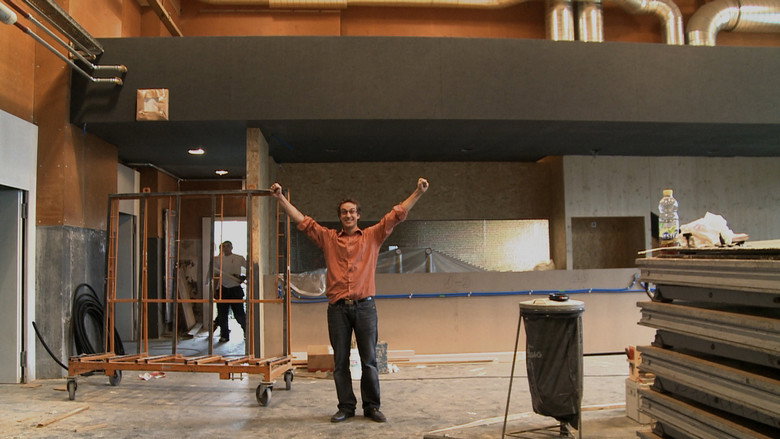
Asta and Søren are not a couple. They're not friends with benefits either, and they’re definitely not pen pals with benefits. So, at the end of the day, what are they? With a single camera setup, the viewer is given access to a private space.
Free Spaces
Documentary
"Free Spaces" sketches a new and transformative image of four major cities in Eastern Europe. In te post-communist urban settings of Tbilisi (Georgia), Yerevan (Armenia), Chișinău (Moldova) and Kiev (Ukraine), Ina Ivanceanu follows artists and activists as they reclaim public spaces and assert their freedom of expression. Occupying a cinema, reviving an old Soviet circus, converting a grim metro passage into a glamorous arena, and repurposing a defunct factory building into a cultural agora. By seizing and creatively transforming public spaces characterized by an abondoned past, today's new generation explores democratic means and freedom while also confronting pervasive neoliberal structures in their respective societies.