Documentary

Tarumã
Documentary
An interview about education and working conditions among Brazilian peasants in the 70s.

Family Strands
Documentary
Three generations of women represent the past, present and future of hairstyling. Lisa Bruno, Jessica Fera and Keyra Bruno navigate a journey of growth in their careers and family; leading and learning from one another within their satisfyingly creative world of colours and cuts.

Radical Move
Documentary
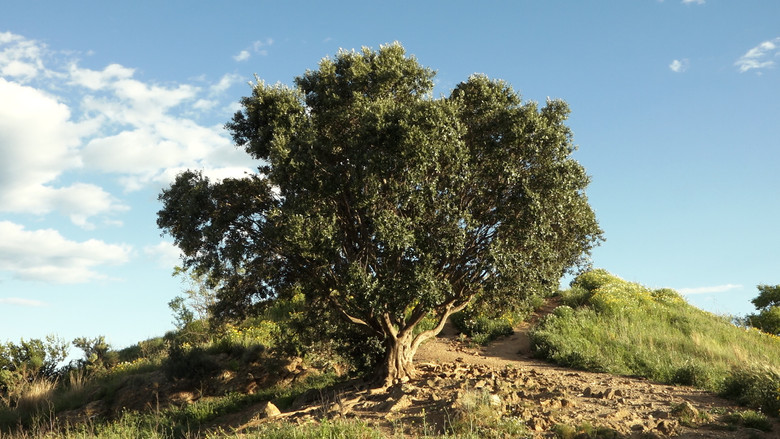
Our protagonists seek to transcend all this in order to experience that which is truly real, to unveil themselves. The theater group, in continuing the work of Jerzy Grotowski, recognized as the greatest theatrical revolutionary of the 20th century, goes beyond human limits. Their work has been shrouded in mystery.
Basket Case
Documentary
An inward little town in Finland transforms into a melting pot of nationalities, religions and cultures when Finnish Basketball Federation opens the borders for foreign players. The Board of a local team puts all their eggs in the new season trebling their budget. Unknowingly it hires an uneasy twosome as the new manager and new coach for the team. The airlift from America, Europe and even Africa hauls in player after player when the coach burns the money that never realizes. The tragicomic efforts of the manager to gather the unrealistic budget and even to find a washing-machine for the players evolve into an anatomy of inflamed working environment. The manager's power-struggle with the coach has a bitter end where there's only space for one of them in the town. The player-candidates come with high hopes and end up being the pawns in the game. Their life among the locals create absurd encounters that originate from all walks of life.
Ballet
Documentary
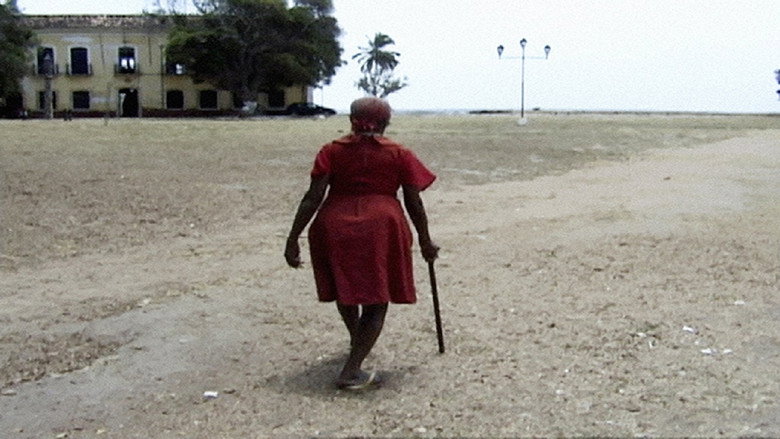
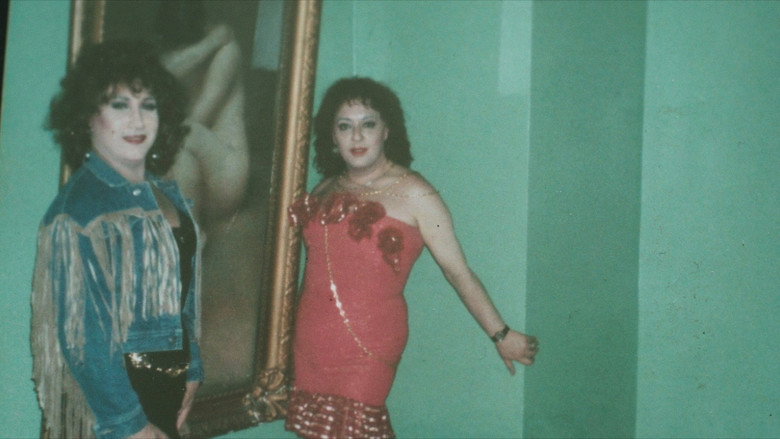
First documentary film by Jose Carlos Huayhuaca.
The Embassy
Documentary
In The Embassy, Filipa César takes an old album of colonial photos showing landscapes, people, architecture and monuments in Guinea-Bissau in the forties and fifties as a basis for thinking about the codes of representation of former Portuguese colonial power and the way memory is produced. Furthermore, these images are shown by a Guinean archivist who tells the story of his country seen through his own eyes.
The Woman Who Saw The Bear
Documentary
Since 1980, Lucille Côté has lived in Laterrière, surrounded by more than 250 animals. With a silver mane and candid demeanor, Lucille practices a craft that has long been the exclusive domain of men: Taxidermy. Through various contemplative and country-flavoured tableaux, we meet a particular breed of taxidermist, living outside of the digital age, with enough skills to get by in the woods without a compass or a frying pan.
A Mulher no Cangaço
Documentary
Documentary--with reconstituted scenes and interviews--about some of the more than 50 women who were in Cangaço, a phenomenon of social banditry from the Northeastern region of Brazil in the early 20th century.
Taxibotsing
Documentary
The arrival of the taxi app Uber is causing anger among existing taxi drivers. If the police do not intervene, they take matters into their own hands. In Taxibotsing, Frans Bromet follows the battle waged by the established taxi world against Uber, a small online program that aims to eventually dominate the Dutch transport market. The battle is being fought on various levels. While the courts must determine whether the UberPop service is illegal (because drivers lack a license or do not pay taxes), the newcomer is an unpleasant reality for established taxi drivers. Livelihood theft, as well as resentment over colleagues going to work for the despised enemy, is turning the atmosphere on the streets grim.
World Brain
DocumentaryScience Fiction
"World Brain" is an essayistic trans-media project by French artists Gwenola Wagon and Stéphane Degoutin. The feature film as well as the interactive website takes the visitors on a dive through the physical shoals of the internet. World Brain explores the utopian dreams and ideologies connected to the development of collective intelligence and the idea of a worldwide network. "World Brain" follows the wanderings of a group of researchers who try to survive in the forest using Wikipedia, aiming at nothing less than the creation of an alternative project securing the survival of manhood.