Documentary
Tianguis
Documentary
From the break of dawn until the darkness of night, the *tianguis* is born and dies in the streets of Mexico City. It is during these fleeting hours that we can find an endless array of colors, sounds, and unique personalities.
MENSCH, Msch!
Documentary
An intimate portait of South Tyrolean artist Matthias Schönweger, a journey through his works, discovering the man behind the artist.
Balzac's Last Novel
DramaDocumentary
Documentary about the reminiscence of Balzac's works, spiritually and scientifically the documentary shows the strenght of this important work of French literature through the years.
AM I?
Documentary
AM I? follows AI consciousness researcher Cameron Berg as he investigates one of the deepest scientific mysteries of our time: whether we have accidentally built a new kind of mind. Featuring interviews with leading philosophers, AI pioneers, and researchers at the frontier of consciousness science, the documentary explores what it means when we no longer know the nature of what we've created.
Ghost Impressions
Documentary
Report on the creation of the painting "Xota Valseada", by Lito Portela. An afternoon where the union of painting, dance and music was celebrated.
Santa Teresa
Documentary
Isolation colonies kept thousands of leprosy patients inmates. In Brazil, hundreds of them still remain in these institutions where they were compulsorily taken from a policy based on secular prejudice and hygienist methods.
Dear Ancestor
Documentary
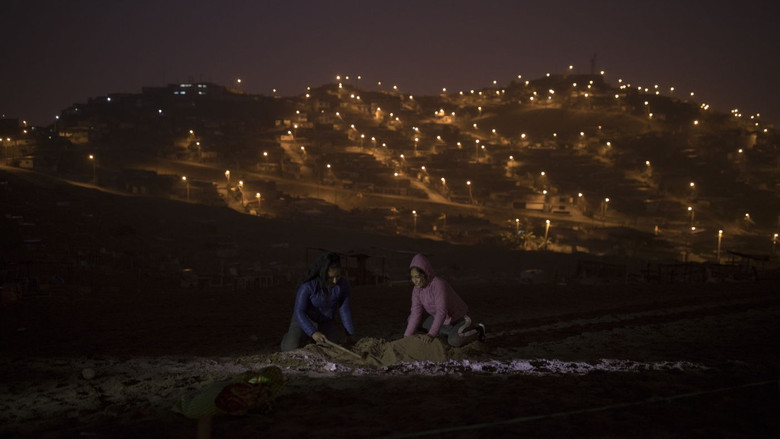
2067. A mother tells her daughter about her ancestor’s struggle against a large-scale rare earth mining project in Madagascar, and the resistance of the people in the north of the Great Red Island, faced with the systematic plundering of natural resources in the name of the economic interests of the globalised North.
ADOLESCENCIA
Documentary
Comprised of Hi8 videos, ADOLESCENCIA presents a portrait of a teenage boy in 2002 Puerto Rico who films odd and unusual movie vignettes by himself – and tries to get a girl’s attention in the process.
The Weavers' Songs
Documentary
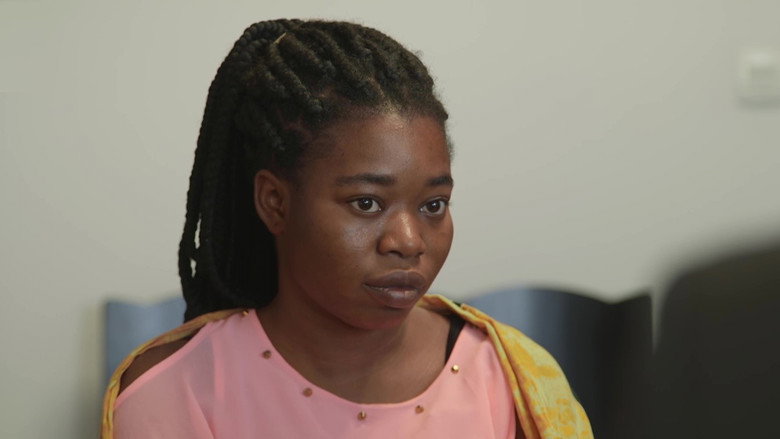
What gifts have the gods given us, and how might we use them to weave a community? In San Pedro Amuzgos, Oaxaca, the director’s reflections and questions invite us into his world, where we learn the story of three threads in the communal loom: Lorenzo, Donato and Zoila.
The Curse Of Candlemass - Live in Stockholm 2003
MusicDocumentary
Sweden's Candlemass helped reintroduce the lumbering power chords of Black Sabbath to an entire generation of post-New Wave British Heavy Metal and post-Thrash metalheads. Recently, the original lineup toured Europe and recorded this their farewell show in front of their home audience. 1. Demons Gate 2. Dark Reflection 3. Well of Souls 4. Into the Unfathomed Tower 5. Ancient Dreams 6. The Bells of Acheron 7. Witches 8. Mirror Mirror 9. A Cry from the Crypt 10. Mourners Lament 11. Black Stone Weilder 12. Solitude 13. At the Gallows End
Didy
Documentary
Gaël was five years old when his mother, Didy, died. Memories of her have since been lost in the fury of the civil wars, genocide and AIDS that ravaged Burundi and then Rwanda, precipitating her exile to Switzerland. Thirty years on, he ventures to reopen the pages of his family history by meeting those who knew his mother.

The Land of the Wandering Souls
Documentary
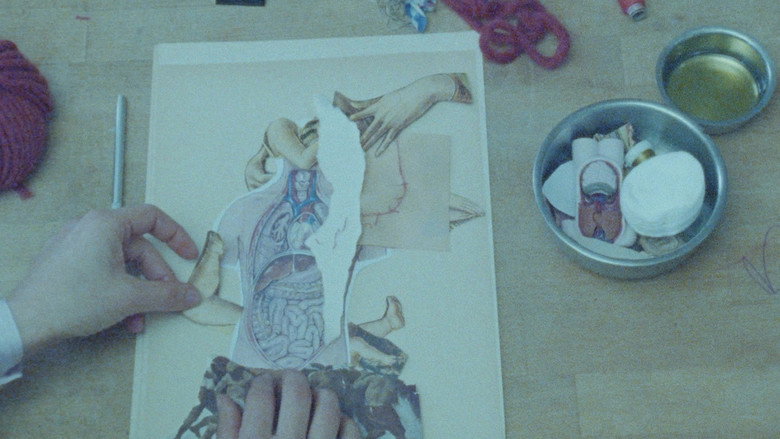
In 1999 a fibre-glas wire was installed from Thailand to Vietnam straight trough Cambodia. Rithy Panh shows us the work done in Cambodia to connect Khmer-society to "modern world". Farmers, soldiers and children work for a living there and unearthen skulls and bones -their remains from PolPot-regime you can see. The fear in their mind is portrayed by Rithy Panh in this documentary. As the other work done by Rithy Panh this deals with his people. I like it very much! The movie was awarded 1999 at "Visions du Réel" in Nyon (Switzerland) and at "Cinéma du Réel" in Paris.