
Documentary
Verstopt
Documentary
Eduard van Dijk's home has become uninhabitable. While clearing it out, emotional memories of his father, who died as a resistance fighter in the Natzweiler concentration camp, surface for Eduard. In Verstopt, Bromet follows an old friend of Eduard's: Vera. She helps to make Eduard's house habitable again. During the clearing process, it becomes clear how strongly Eduard is attached to all his belongings: with every book he picks up, he has a special memory. Will Vera succeed in making the house habitable again? And will Eduard manage to part with the items to which he feels so emotionally connected?
The Trip To Tunis
Documentary
Retracing the trip to Tunisia that painter Paul Klee took in 1914, Tunisian filmmaker and painter Nacer Khemir leads viewers on a journey of discovery into Arabian culture.
Bugman
HorrorDrama
A misunderstood and isolated transgender teenager takes revenge upon his unaccepting parents. A powerful supernatural entity known as the Bug God contacts him to help him do the deed. A mysterious organization produces a largely fictitious made-for-TV docudrama on the subject.
Elegimos Recordar
Documentary
Still Life
Documentary
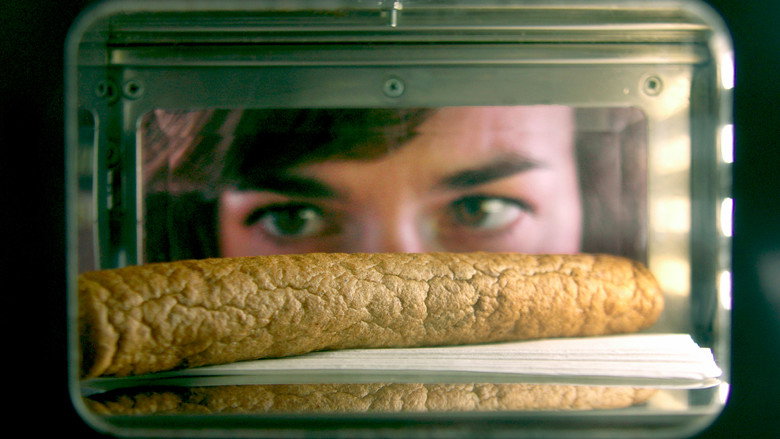
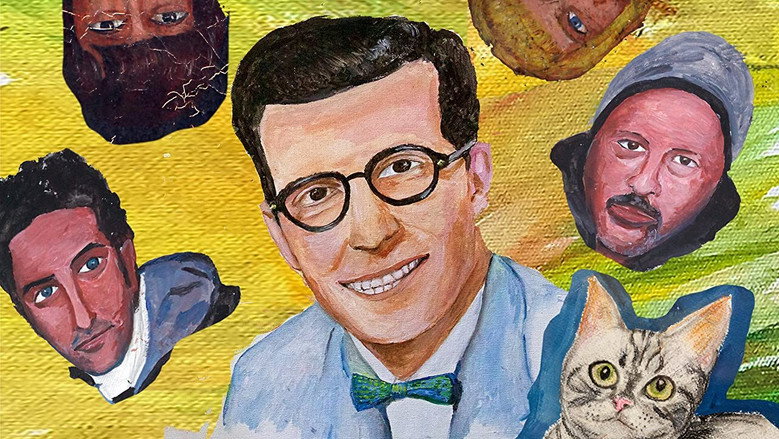
The film makers leave the classical nature film behind in order to explore new ways of conceptualising our understanding of nature and ourselves. A hitherto familiar environment develops strange characteristics and meanders between stagnation and movement, realism and hypnosis, naturalness and artificiality.
Homo Bankiva
Documentary
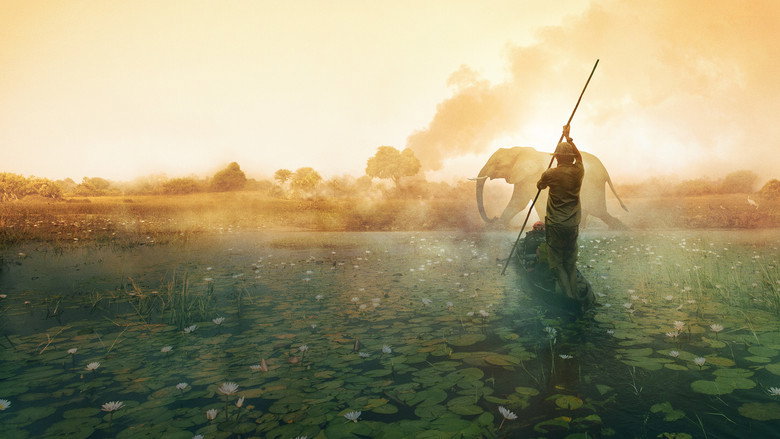
To Suzy van Zehlendorf, all humans are crazy homo bankivas. In this portrait in documentary form, the artist shows us her process while working on a bust of Sophie Charlotte, the calming benefits of her favorite castle and the useful combination of spiked helmets and MP3 players.
Breath Of Swamps
Documentary
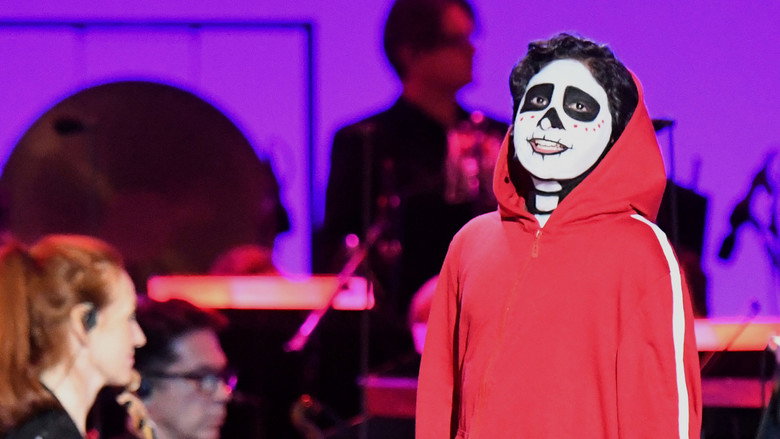
The documentary film narrates about blacklist swamps destined to drainage and life stories of its habitants. The film acquaints us with unusual beauty of swamps that save water, make the climate mild, are shelter for many species of birds and animals, as well as for the ancient legends. The film addresses the topic of swamps ecosystem devastation as a result of peat extraction. The audience will hear stories of locals about how their life and home changed by peat reclamation.
B-Girls
Documentary
The 15- to 16-year-old women from the ISC Alhilal agree: they have made football games more confident. This is also due to the two trainers who demand discipline with great empathy, but also with great clarity.
Big Dutchman
Documentary
Hulluus Kylässä
DocumentaryHistory
ZAAD
Documentary
ZAAD tells the autobiographical story of Dries Meddens. After the death of his mother, the care for Dries' bipolar father falls on his plate. He discovers how crudely and ruthlessly society and psychiatry treat patients. His father eventually dies in solitary confinement. While emptying his parent’s home, Dries discovers an old letter from his grandfather. The man appears to have led a busy, productive life. He is the founder of an internationally renowned seed breeding company and still has time to paint, write diaries and conduct intensive correspondence. Dries finds similarities between his grandfather, his father and himself. Slowly the fear grows that his father's psychiatric illness might be hereditary. Strolling through the family’s film and photo archives, with dramatic and sometimes hilarious finds, Dries tries to find answers. He also consults a psychiatrist. Together the consultations and reviewing of his archival material help Dries look at bipolarity with new eyes.
Eternal Father
Documentary
An intimate and existential exploration of how a father’s attempt to defy death affects his family’s lives.