
Documentary
The Goodbye
Documentary
After the death of her grandfather, Antonio Bonino, Toia found six negatives proving that he was a member of the Fascist Party and an aide to Benito Mussolini. Influenced by this discovery, the director sets out to trace her male family lineage, whom the end of World War II brought to Argentina. Instead of a clarification, however, the past crumbles and disintegrates into a mosaic of archival material, family films, excerpts from personal diaries and fragments of the works of Roberto Rossellini or Luchino Visconti. But it is the meanings that emerge from the combination of disparate images that offer answers and fill the information vacuum that has shaped generations of the family. The dynamics of the Bonino family's male-female relationships have a much darker basis than the social context of the time. In the story of grandfather, father, cousins and sons, Toia also finds a story of identity and of the role of wives, mothers, grandmothers and daughters in a history shaped by men.
Visualizing 'Carrie'
Documentary
The making of "Carrie" (1976) is presented on the film's 25th anniversary with interviews with director Brian De Palma, editor Paul Hirsch, art director Jack Fisk and writer Laurence D. Cohen. The special talks about the book transition to film and the editorial process during filming.
Baramoshkin
Documentary
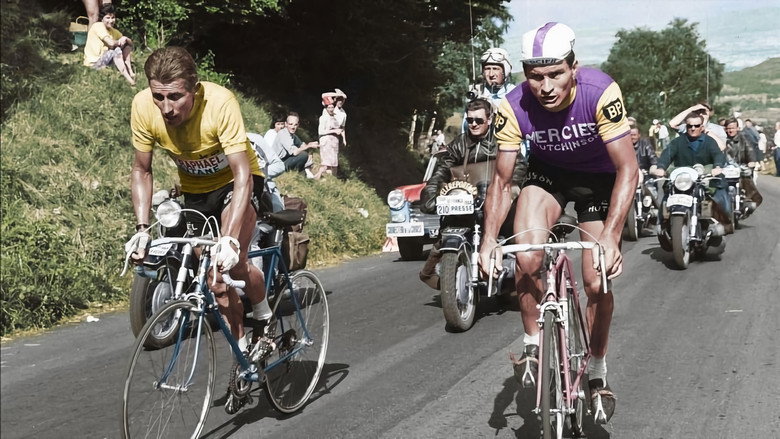
Are dramatic events in Ukraine somehow affecting the life of these 11-year old cadets from Kyiv cadet corps? Are they already dreaming of a future military career? Do they manage to remain kids and enjoy their childhood despite the war in Ukraine? The authors of this film try to give an honest answer on these and other questions.
Яптик-хэсе
Documentary

Karpotrotter
Documentary
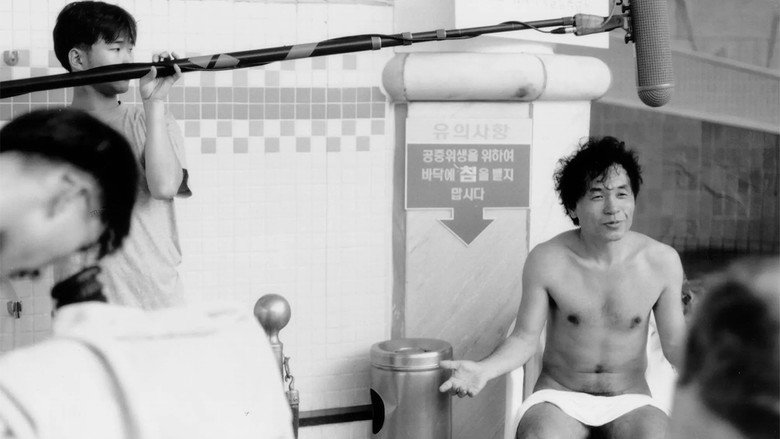
Karpotrotter is a road movie about place, time, and memory, as well as an homage to filmmaker Karpo Godina, whose work flourished during the Black Wave of Yugoslav filmmaking in the late 1960s and early 1970s. Contemporary filmmaker Matjaz Ivanisin retraces the footsteps, 40 years later, of his compatriot’s road trip through small villages in the rural countryside. Constructed from Godina’s 8mm footage from this journey, Ivanisin interlaces this material with landscape footage from his current road trip and contemporary interviews of the citizenry who recall Godina’s visit decades earlier; period folkloric music augments the soundtrack. The filmmaker structures his film in five sections that articulate the local character of different villages. Richly multi-layered in both temporal and spatial terms, the filmmaker constructs a poignant meditation about the local village culture and inhabitants of this rural region of the former Yugoslavia.

Los felices
Documentary
Panier Piano
Documentary

Film About
Documentary
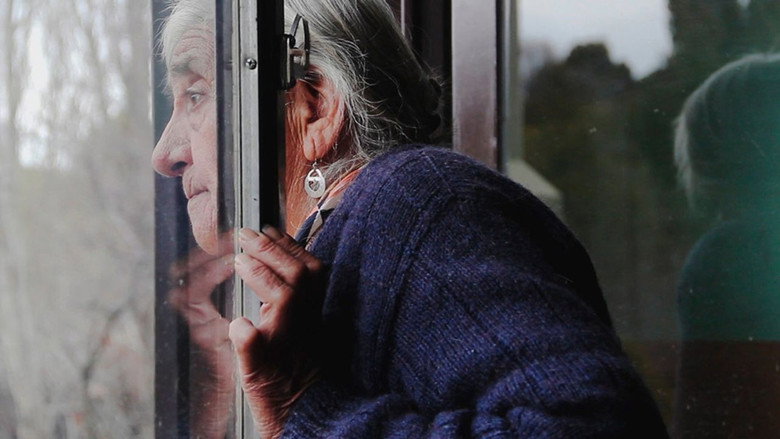
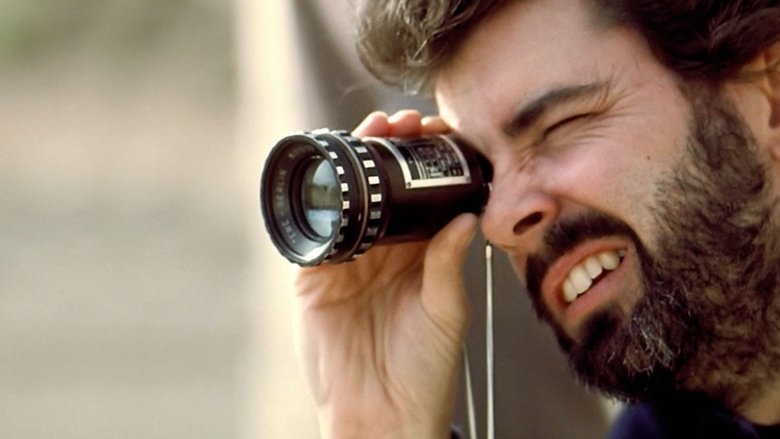
A filmmaker sets out to make a documentary film based on his previously abandoned ideas for documentary films.
Sweet Salty Wind
Documentary
Somewhere on the coast of Cuba, three brothers and sisters spend the day by the sea. Laura Gabay observes them as well as the world they are constructing for themselves in the solitude of the shoreline. Time passes and, as the sun goes down, they are still there. Their gestures and games, which at first appear anodyne, gradually reveal the darker social reality of the island and its inhabitants.
Rebellious City
Documentary
Rebellious City is a documentary about the Provo movement and the city of Amsterdam in the sixties.